Table of Contents >> Show >> Hide
- Pickling 101: The Tiny Science Behind Big Flavor
- 1) Quick-Pickled Red Onions (a.k.a. Instant Personality)
- 2) Quick-Pickled Jalapeños (Zing With Benefits)
- 3) Ginger-Garlic Pickled Carrot Ribbons (The Fancy Crunch)
- 4) Vietnamese-Style Đồ Chua (Pickled Daikon & Carrots)
- 5) Curtido (Salvadoran Pickled Cabbage Slaw)
- 6) Quick-Pickled Beets (Sweet-Tangy, Deeply Snackable)
- 7) Dilly Beans (Pickled Green Beans With Big “Snack Drawer” Energy)
- 8) Pickled Okra (Southern Crunch, Zero Slime Drama)
- 9) Pickled Watermelon Rind (A Zero-Waste Flex)
- 10) Sweet-Spiced Pickled Grapes (Cheese Board’s Best Friend)
- 11) Preserved Lemons (Pickling Without Vinegar, Maximum Flavor)
- Common Pickling Questions (Because the Jar Is Judging You)
- Conclusion: Your Fridge Can Be a Flavor Library
- Extra Kitchen Experiences: What It’s Like to Become a “Pickle Person” (500-ish Words)
- SEO Tags
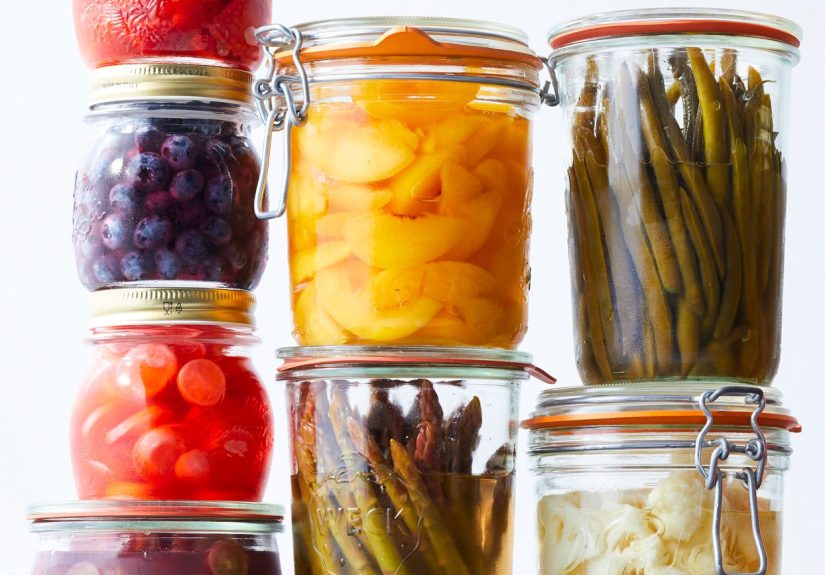
Cucumbers have had a good run. A long run. A suspiciously crunchy run. But pickling isn’t a
one-vegetable monarchyit’s a whole kingdom of tang, snap, and “wait, why does this taste so good?”
From pink onions that upgrade every taco to sweet-spiced grapes that belong on your cheese board,
these pickling recipes go way beyond cucumbers and straight into “I should keep a jar of this at all times.”
This guide leans hard into quick pickles and refrigerator picklessmall-batch,
low-drama, high-reward. (If you want shelf-stable canning, use a tested canning recipe from trusted
sourcesfood safety is not the place to freestyle.)
Pickling 101: The Tiny Science Behind Big Flavor
Quick pickling vs. fermenting
Most of the recipes below are quick pickles: you pour a vinegar-based brine over produce,
chill it, and let time do its delicious thing. Fermentation is another wonderful lane, but it’s a different
process (and timeline) with different safety considerations.
The “works for most veggies” brine formula
For many refrigerator pickles, a reliable starting point is a 1:1 mix of vinegar and water,
plus salt and (optionally) sugar. Then you customize with spices and aromatics. Some produce likes a hotter,
sweeter brine; others want it sharp and lean. The goal is balance: tangy enough to be a pickle, not so harsh
it makes your eyes water like you just watched a sad dog commercial.
Crunch tips (because nobody wants a sad pickle)
- Start cold and fresh: old produce makes tired pickles.
- Cut smart: thinner slices pickle faster; thick pieces stay crunchier.
- Chill time matters: most quick pickles taste best after a few hours, and even better the next day.
- Keep everything submerged: it’s the difference between “bright and snappy” and “meh and uneven.”
Food-safety note (quick, important, not scary)
Refrigerator pickles should be kept cold, in clean jars, and handled with clean utensils. For shelf-stable
canning, follow tested recipes and do not change the ratios of vinegar/water/produce. Translation:
if you want to improvise, improvise the spicesnot the acid.
1) Quick-Pickled Red Onions (a.k.a. Instant Personality)
If you only make one jar from this whole list, make it this one. Pickled red onions add crunch, acidity,
and that electric-pink glow-up that makes your lunch look like it’s sponsored.
What you’ll need
- 1 large red onion, thinly sliced
- Vinegar (apple cider, white, or red wine all work)
- Water (optional, to soften the vinegar punch)
- Salt + a spoonful of sugar (optional but recommended)
- Optional aromatics: peppercorns, bay leaf, garlic, chile flakes
How to make it
- Pack sliced onion into a jar.
- Warm the brine (vinegar + water + salt + sugar) just until dissolved.
- Pour over onions, press down to submerge, cool, then refrigerate.
- They’re good fastoften within 30 minutesand better after a few hours.
Where it shines
Tacos, burgers, grain bowls, BBQ sandwiches, scrambled eggs, ramenanything rich or salty that needs
a bright “hello” on top.
2) Quick-Pickled Jalapeños (Zing With Benefits)
Fresh jalapeños are fun. Pickled jalapeños are fun and useful. They add heat, tang, and crunch
without overwhelming the whole dish like a party guest who brought a guitar.
What you’ll need
- 8–10 jalapeños, thinly sliced (remove seeds for less heat)
- Apple cider vinegar or white vinegar
- Salt + sugar
- Optional: garlic, oregano, cumin seeds, peppercorns
How to make it
- Slice peppers and pack into a jar.
- Heat vinegar with a bit of water, plus salt and sugar until dissolved.
- Pour brine over peppers, cool, refrigerate.
- Best after 24–48 hours, when the flavor fully moves in.
Bonus move: don’t waste the brine
The leftover pickling liquid is basically spicy salad dressing energy. Splash it into soups, beans,
vinaigrettes, or taco sauces.
3) Ginger-Garlic Pickled Carrot Ribbons (The Fancy Crunch)
These are the pickles you make when you want your fridge to feel like a boutique deli.
Carrots stay crisp, the ginger adds warmth, and the ribbons look dramatic in a good way.
What you’ll need
- Carrots, peeled into ribbons with a vegetable peeler
- Vinegar + water
- Salt + sugar
- Fresh ginger slices, garlic, bay leaf, peppercorns
How to make it
- Peel carrots into wide ribbons; pack into a jar (don’t overstuff).
- Bring brine ingredients to a quick simmer just to dissolve.
- Pour over carrots; cool; refrigerate.
- Eat after a few hours; they’ll keep improving for a couple of days.
How to use them
Pile onto rice bowls, tuck into sandwiches, crown a salad, or snack directly from the jar
like a responsible adult who makes excellent choices.
4) Vietnamese-Style Đồ Chua (Pickled Daikon & Carrots)
Đồ chua is the bright, lightly sweet-tart pickle that makes bánh mì taste like it has
its life together. It’s also ridiculously useful anywhere you want crunch and acidity.
What you’ll need
- Daikon radish + carrots, cut into matchsticks
- Vinegar (often rice vinegar), plus water
- Sugar + salt
How to make it
- Massage the cut vegetables with salt and sugar until they soften slightly.
- Add vinegar and water; pack into a jar.
- Refrigerate at least 2 hours (overnight is best).
Best pairings
Bánh mì, tacos, grilled pork or chicken, noodle bowls, fried rice, and any rich food that benefits
from a crisp, bright counterpoint.
5) Curtido (Salvadoran Pickled Cabbage Slaw)
Curtido is what happens when cabbage decides to be interesting. It’s a lightly pickled slawcrunchy,
tangy, and often seasoned with oregano and chile. Put it on pupusas if you’re being traditional, or
on literally everything if you’re being honest.
What you’ll need
- Green cabbage, thinly sliced
- Carrots (optional but common), onion, and sometimes jalapeño
- Vinegar (often a fruity vinegar), salt, oregano
How to make it
- Toss vegetables with salt and let them soften slightly.
- Add vinegar and seasonings; pack into a jar or container.
- Chill at least a few hours; it’s even better the next day.
Where it shines
Pupusas, tacos, pulled pork, roasted vegetables, beans, grilled sausage, and the moment you realize
sandwiches can, in fact, be exciting.
6) Quick-Pickled Beets (Sweet-Tangy, Deeply Snackable)
Beets + vinegar = a power couple. Quick-pickled beets are earthy, sweet, and punchyperfect for salads,
grain bowls, or straight-up fork snacking while you pretend you’re just “tasting.”
What you’ll need
- Cooked beets, sliced or cut into wedges
- Vinegar (red wine vinegar is excellent here)
- Salt + sugar
- Optional spices: cloves, peppercorns, juniper, bay leaf
How to make it
- Pack cooked beets into a jar.
- Heat brine ingredients briefly to dissolve, then pour over beets.
- Cool and refrigerate; best after at least overnight.
Serving ideas
Toss into arugula salads with goat cheese, layer into sandwiches, add to mezze boards, or chop into
a quick relish for grilled meats.
7) Dilly Beans (Pickled Green Beans With Big “Snack Drawer” Energy)
Dilly beans are crisp green beans pickled with dill and garlic. They’re the kind of pickle that
makes you open the fridge “just to look” and then reappear 10 minutes later with a suspiciously
satisfied expression.
What you’ll need
- Fresh tender green beans (trimmed to fit your jar)
- Vinegar + water
- Pickling salt
- Dill heads or dill seeds, garlic, optional chile flakes
How to make it (refrigerator style)
- Blanch beans briefly if you like them slightly tender; keep raw for maximum crunch.
- Pack beans upright in jars with dill and garlic.
- Pour in warm brine; cool; refrigerate.
- They’re great after 24–48 hours.
How to eat
Straight from the jar, alongside sandwiches, chopped into potato salad, or served with a cheeseboard.
Also: yes, they look cool in a Bloody Mary. You’re welcome.
8) Pickled Okra (Southern Crunch, Zero Slime Drama)
Pickling okra is the cheat code for people who want okra’s snap without the… you know… okra’s reputation.
Kept refrigerated, it stays crisp and briny, and it’s excellent as a snack or garnish.
What you’ll need
- Fresh okra pods (small ones stay snappier)
- Vinegar + water
- Salt (and a little sugar if you like a softer tang)
- Optional: dill, garlic, dried chile, mustard seed
How to make it
- Pack okra into jars with aromatics.
- Pour warm brine over the top; cool and refrigerate.
- Wait 2–3 days for peak flavor, then start “accidentally” eating them all.
Serving ideas
Snack, garnish, chop into salads, or serve with fried chicken and anything that needs a bright counterbalance.
9) Pickled Watermelon Rind (A Zero-Waste Flex)
The white part of watermelon rind is totally edibleand surprisingly great pickled. The flavor lands
somewhere between a mild cucumber pickle and candied citrus peel, depending on how you season the brine.
It’s sweet-tangy, crunchy, and deeply satisfying because you turned “trash” into treasure.
What you’ll need
- Watermelon rind (white part), green skin trimmed off
- Vinegar + water
- Sugar + salt
- Warm spices: allspice, cloves, peppercorns, cinnamon (pick your vibe)
How to make it
- Trim rind, cut into bite-size pieces.
- Optional: briefly simmer rind to soften (especially for thicker pieces).
- Pour hot, spiced brine over rind; cool; refrigerate.
- Give it at least overnight; it gets better over a few days.
How to use it
Serve on a relish tray, chop into tuna salad, add to burgers, or pair with BBQ like it’s been doing
this job forever (because… it kind of has).
10) Sweet-Spiced Pickled Grapes (Cheese Board’s Best Friend)
Pickled grapes are what you bring out when you want guests to say, “Wait… pickled grapes?”
and then immediately ask for the recipe. They’re sweet, tangy, lightly spiced, and fantastic next to
salty cheese, roasted meats, or hearty salads.
What you’ll need
- Seedless grapes (red or black are especially pretty)
- Vinegar (white wine, sherry, or a fragrant vinegar)
- Water + sugar + salt
- Warm spices: cinnamon, star anise, cardamom, ginger (choose 2–3)
How to make it
- Rinse grapes and pack into a jar.
- Heat vinegar, water, sugar, salt, and spices until dissolved.
- Pour over grapes; cool; refrigerate.
- Best after 24–48 hours. (Yes, waiting is hard.)
Best pairings
Sharp cheddar, blue cheese, goat cheese, roast chicken, pork, arugula salads, and anything that benefits
from sweet-tart pops.
11) Preserved Lemons (Pickling Without Vinegar, Maximum Flavor)
Preserved lemons are basically lemons that went through a character arc. They’re packed with salt and
their own juice until the rind turns soft, fragrant, and intensely savory. The rind is the starbright,
salty, and complex in a way fresh lemon can’t replicate.
What you’ll need
- Clean, preferably organic lemons
- Kosher salt
- Optional: a pinch of sugar; spices like bay leaf, peppercorns, or chile
- A clean jar and a little patience (the hardest ingredient)
How to make it
- Quarter lemons (not all the way through if you want them to fan open), pack with salt.
- Press into a jar, add more salt, and let the lemons release juice.
- Keep lemons submerged in juice/brine; refrigerate and wait about a month for best texture.
- Rinse before using to tame saltiness; chop the rind finely or mash into paste.
How to use preserved lemons
Stir into dressings, fold into yogurt sauces, add to braises and stews, mash into compound butter,
or sprinkle over roasted vegetables. If your food tastes “flat,” preserved lemon is a low-effort plot twist.
Common Pickling Questions (Because the Jar Is Judging You)
How long do refrigerator pickles last?
Many quick pickles taste best within the first week or two, but can often keep longer if refrigerated
and handled cleanly. When in doubt, trust your senses: off smells, visible mold, or weird textures are
your cue to toss.
Why did my brine turn cloudy?
Cloudiness can come from spices, garlic, or minerals in water. It isn’t automatically a problem, but if
you also see mold or smell funk that doesn’t feel like “normal pickle tang,” don’t risk it.
How do I make pickles less harsh?
Use a vinegar-water blend, add a little sugar, and consider briefly warming the brine so flavors meld.
Also: give it time. Freshly pickled anything can taste aggressively vinegar-forward at first.
How do I make pickles more crunchy?
Use fresher produce, keep pieces larger, and chill thoroughly. For some vegetables, a quick blanch can
help set the texture; for others, it can soften themso start with small batches and find your preference.
Conclusion: Your Fridge Can Be a Flavor Library
Pickling beyond cucumbers is less about mastering one perfect recipe and more about building a tiny
collection of “bright little boosts” you can grab anytime food feels heavy, rich, or just a bit boring.
Keep one onion jar going, rotate a spicy jar, and add a wildcard like pickled grapes when you want to
impress people (including yourself). Your future meals will thank you loudly.
Extra Kitchen Experiences: What It’s Like to Become a “Pickle Person” (500-ish Words)
The first time someone makes quick pickles at home, the experience usually follows a predictable arc:
curiosity, confidence, a brief moment of “Is this too much vinegar?”, and theninevitablystanding in
front of an open refrigerator door eating pickled onions with a fork like it’s a completely normal hobby.
There’s something oddly satisfying about transforming plain vegetables into a condiment that feels
intentional, like your kitchen suddenly joined a book club.
Many home cooks also discover that pickling is less about strict rules and more about repeatable habits.
Once you’ve made a basic pickling brine a couple times, your brain starts spotting opportunities:
a half onion left over from taco night, carrots that are still fine but not exactly thrilling, jalapeños
that you bought with good intentions and now fear. Pickling becomes a rescue mission with benefits.
You’re not “saving produce from the abyss,” you’re “batch-prepping acidic accents.” Same action, cooler vibe.
Another common experience: you start noticing how pickles solve food problems. Greasy sandwich?
Pickled onions. Rich stew? Preserved lemon. Heavy barbecue plate? Watermelon rind pickles.
Cheese board that’s leaning a bit… beige? Pickled grapes to the rescue. Pickles are like punctuation:
they add exclamation points, question marks, and dramatic pauses to meals that would otherwise read
like a monotone sentence.
The learning curve is friendly, but it comes with a few classic “pickle lessons.” One is that thin slices
pickle fastand can get very intense quicklyso if you’re new, start with modestly thick cuts and adjust
later. Another is that spice is powerful: a few peppercorns and a bay leaf can feel subtle; too much clove
can make your jar taste like a holiday candle. It’s a good reminder that pickling rewards small-batch
experimentation. Make a pint jar first. If you love it, scale up. If it tastes like potpourri, congratulations:
you have created a highly specific conversation starter.
People also tend to develop a personal “pickle style.” Some prefer sharp and bracing (more vinegar, less sugar),
others want a rounder, snackier pickle (a touch more sugar, warmer spices). Over time, many cooks end up with
signature comboslike ginger-garlic carrots that always disappear first, or a jalapeño brine that gets reused
like a kitchen heirloom. The jars become part of the rhythm: slice, pour, chill, forget, rediscover, repeat.
It’s low effort, high payoff, and it makes everyday food feel upgraded without requiring a culinary degreeor
even matching socks.