Table of Contents >> Show >> Hide
- What Is a Mid-Century Daybed?
- Why Choose a White Mid-Century Daybed?
- Best Rooms for a Mid-Century Daybed – White
- Key Features to Look For Before Buying
- How to Style a White Mid-Century Daybed
- Best Decor Colors for a White Mid-Century Daybed
- White Mid-Century Daybed vs. Sofa Bed
- Common Mistakes to Avoid
- Maintenance Tips for a White Daybed
- Who Should Buy a Mid-Century Daybed – White?
- Real-Life Experience: Living With a White Mid-Century Daybed
- Conclusion
Note: This article is original, publication-ready content based on current U.S. furniture, home design, and daybed buying guidance, with no copied product descriptions or source-link clutter.
A Mid-Century Daybed – White sounds simple at first: a bed, but make it stylish; a sofa, but make it nap-approved; a guest-room solution, but please do not let it look like someone dragged a mattress into the office and called it “intentional.” That is the quiet magic of a white mid-century daybed. It blends clean vintage-inspired design with modern practicality, making it one of the most useful furniture pieces for small apartments, guest rooms, nurseries, home offices, studios, and flex spaces.
Mid-century modern furniture is known for its clean lines, low profiles, tapered legs, practical silhouettes, and “less fuss, more function” personality. Add a white finish, and the daybed becomes even more versatile. White brightens a room, pairs with nearly any color palette, and helps a compact space feel lighter instead of crowded. In other words, it is the furniture equivalent of a well-ironed white shirt: crisp, adaptable, and somehow appropriate almost everywhere.
Whether you are furnishing a guest room, designing a reading nook, creating a stylish office-bedroom combo, or trying to survive a studio apartment without making your living room look like a dorm, a white mid-century daybed deserves a serious look.
What Is a Mid-Century Daybed?
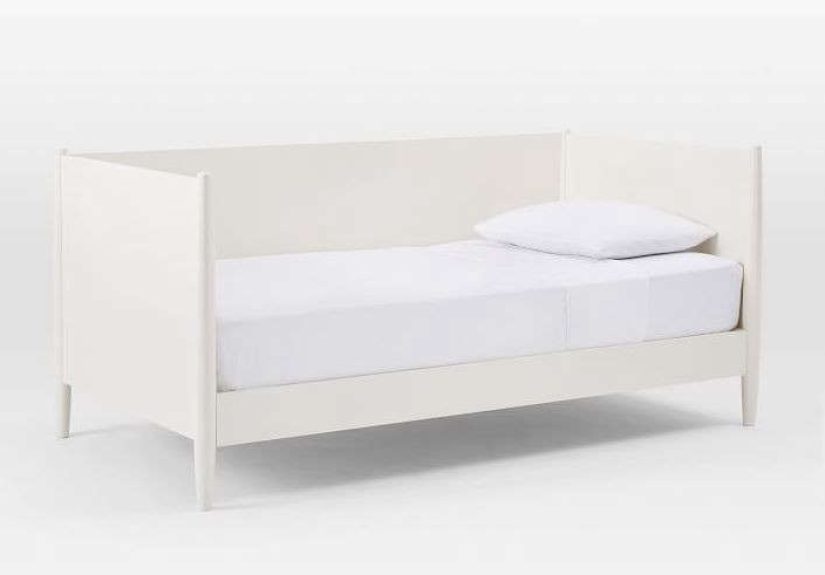
A daybed is a hybrid piece of furniture that works as both a bed and a sofa. Unlike a traditional bed, it usually has a back panel and side arms, which allow it to sit comfortably against a wall and function as daytime seating. Unlike a regular sofa, it is built to support a mattress, so it can quickly become a proper sleeping spot for overnight guests, afternoon naps, or those “I will only rest my eyes for five minutes” moments that mysteriously become two hours.
A mid-century modern daybed takes that practical shape and gives it a design-forward personality. It often features simple geometry, slim frames, raised legs, natural wood influence, and a low horizontal profile. The white finish softens the look, giving the piece a fresh, airy quality that works beautifully in modern, Scandinavian, coastal, minimalist, farmhouse-modern, and transitional interiors.
Why Choose a White Mid-Century Daybed?
White furniture has a special talent: it can make a room feel calmer and more open without demanding attention. A white daybed does not visually weigh down the space the way a dark, bulky frame might. That makes it especially useful in rooms where square footage is not exactly throwing a parade.
It Makes Small Spaces Feel Bigger
Light-colored furniture reflects more light and creates a softer visual footprint. A white mid-century daybed can help a small room feel less crowded, especially when paired with pale walls, simple curtains, and uncluttered decor. Because mid-century design often raises furniture on legs, the visible floor beneath the frame also helps create a sense of openness.
It Works With Many Color Palettes
White is the Switzerland of interior colors: neutral, diplomatic, and happy to cooperate. You can style a white daybed with warm tan leather pillows, navy throws, sage green bedding, mustard cushions, black-and-white patterns, or soft blush accents. The frame stays calm while your textiles do the talking.
It Feels Clean Without Feeling Cold
Some people worry white furniture may feel sterile, but mid-century design prevents that from happening. The shape brings warmth through rounded edges, tapered legs, wood details, or textured upholstery. The result is clean, not clinical. Think “boutique guest room,” not “waiting room with commitment issues.”
Best Rooms for a Mid-Century Daybed – White
The beauty of a daybed is its flexibility. It is not locked into one identity. It can be a sofa at 10 a.m., a reading lounge at 3 p.m., and a guest bed by 9 p.m. That makes it ideal for modern homes where rooms often need to perform several jobs.
Guest Room
A white mid-century daybed is perfect for a guest room that you do not use every day. Instead of dedicating an entire room to a queen bed that sits empty most of the year, a daybed keeps the space useful. Add a trundle underneath, and you can accommodate two guests without permanently sacrificing floor space.
Home Office
The office-guest room combo has become a modern classic. A daybed lets the room function as a productive workspace most of the time while still offering a comfortable sleeping area when family or friends visit. Style the daybed with structured pillows and a tailored throw, and it will look like a sophisticated lounge rather than an accidental bedroom.
Studio Apartment
In a studio, every piece of furniture needs to earn its rent. A white mid-century daybed can replace both a sofa and a bed in certain layouts. During the day, it serves as seating. At night, it becomes a sleeping area. Add storage baskets, a slim side table, and wall-mounted lighting, and the whole setup feels intentional instead of temporary.
Nursery or Kids’ Room
A white daybed can work beautifully in a nursery, especially for parents who need a place to rest during late-night wakeups. Later, it can become a child’s bed or reading spot. In a kids’ room, a trundle daybed is handy for sleepovers, siblings, or storing extra bedding.
Sunroom or Reading Nook
If you have a sunny corner begging for purpose, a daybed can turn it into the most fought-over seat in the house. A white frame keeps the look fresh, while mid-century lines prevent the space from feeling overly cottage-like or fussy.
Key Features to Look For Before Buying
Not all daybeds are created equal. Some are graceful multitaskers. Others look charming online and then squeak like a haunted violin after three weeks. Before choosing a white mid-century daybed, pay attention to construction, mattress compatibility, weight capacity, and the way the piece will actually be used.
Frame Material
Solid wood frames tend to offer durability and a classic furniture feel. Engineered wood, MDF, plywood, and veneers can also perform well when properly made, especially when the finish is smooth and the joints are reinforced. Metal frames may be lighter and budget-friendly, though they often feel less authentically mid-century unless designed with clean, minimal lines.
Finish Quality
A white finish should look smooth, even, and durable. Painted wood can feel crisp and traditional, while lacquered or coated finishes may be easier to wipe clean. If the daybed will be used by children, pets, or snack-loving adults, choose a finish that can handle real life. White furniture is beautiful, but it has no interest in hiding chocolate fingerprints.
Mattress Size
Most daybeds use a twin mattress, though full-size and expandable twin-to-king options are also available. Always check the recommended mattress dimensions and height. A mattress that is too tall may make the daybed look bulky, while a mattress that is too thin can feel more like camping indoors than sleeping comfortably.
Trundle Option
A trundle is one of the most practical upgrades. It slides or rolls beneath the main daybed and can be used as an extra sleeping surface or hidden storage. Some trundles stay low to the floor, while pop-up trundles rise closer to mattress height, creating a larger bed-like surface when needed.
Storage Drawers
If your home is short on closets, storage drawers can be a blessing. They are ideal for extra sheets, pillows, throws, seasonal clothes, toys, or the mysterious pile of “important things” everyone owns but no one can categorize.
Assembly Requirements
Daybeds often require assembly. Look for clear instructions, labeled hardware, and customer reviews that mention stability after setup. If the phrase “two-person assembly recommended” appears, believe it. Furniture has a special way of becoming eight feet long and emotionally complicated the moment you try to assemble it alone.
How to Style a White Mid-Century Daybed
The secret to styling a daybed is making it look like seating during the day and sleeping space at night. The right combination of pillows, bedding, lighting, and accessories can make your white daybed feel polished and cozy.
Use Three Layers of Pillows
Start with large back pillows or Euro shams against the wall. Add medium decorative pillows in textured fabrics, then finish with one or two accent pillows in a contrasting pattern or color. This gives the daybed structure and makes it comfortable for sitting.
Choose a Tailored Cover
A fitted cover, quilt, or neat blanket helps the mattress look intentional. Avoid overly messy bedding if the daybed is in a visible living area or office. A smooth white, ivory, gray, or oatmeal cover keeps the look clean, while a patterned throw adds personality.
Add Warm Wood or Brass Accents
White mid-century furniture pairs beautifully with walnut, oak, teak-inspired finishes, matte black metal, and brass. A small side table, arched floor lamp, or slim wall sconce can make the daybed feel more designed and less like it wandered in from the guest room.
Keep the Area Around It Light
Because a daybed is usually placed against a wall, the surrounding decor matters. Hang simple artwork above it, use floating shelves sparingly, or add one large mirror to reflect light. Do not overcrowd the wall; mid-century design likes breathing room.
Best Decor Colors for a White Mid-Century Daybed
A white frame gives you a flexible foundation. The best color palette depends on the mood you want to create.
Soft and Calm
Pair white with cream, beige, pale gray, light oak, and soft linen textures. This creates a peaceful guest room or nursery look. Add one plant for freshness and one textured throw for warmth.
Retro and Playful
Use mustard yellow, olive green, burnt orange, navy, or terracotta. These colors nod to classic mid-century interiors without making the room feel like a time capsule wearing bell-bottoms.
Modern and Graphic
Style the daybed with black accents, geometric pillows, abstract art, and a striped throw. The contrast makes the white frame feel crisp and architectural.
Coastal and Airy
Combine the white daybed with sandy beige, woven baskets, blue-gray pillows, natural fiber rugs, and sheer curtains. The look is relaxed but still polished.
White Mid-Century Daybed vs. Sofa Bed
A common question is whether to choose a daybed or a sofa bed. Both save space, but they solve different problems.
A sofa bed looks like a sofa first and becomes a bed only after unfolding. It is great for living rooms where seating is the main purpose. A daybed, however, is always ready for lounging or sleeping because the mattress is already in place. It is often easier to make up, easier to style with bedding, and more comfortable for daily resting.
If the room needs to look like a living room, a sofa bed may be better. If the room needs to function as a guest room, reading nook, office lounge, or child’s room, a white mid-century daybed usually wins on convenience and charm.
Common Mistakes to Avoid
A daybed can be a smart purchase, but only if it fits your space and lifestyle. Avoid these common mistakes before clicking “add to cart.”
Buying Without Measuring
Measure the wall, floor clearance, doorway, and trundle pull-out space. A daybed may fit against the wall but still fail if the trundle cannot open fully. Furniture measurements are not suggestions; they are the tiny reality checks that prevent regret.
Choosing the Wrong Mattress Height
A thick mattress can make a daybed look awkward and reduce the height of the back panel. A very thin mattress may not provide enough comfort. Follow the manufacturer’s mattress recommendations whenever possible.
Using Too Many Pillows
Pillows make a daybed cozy, but there is a fine line between “styled” and “where exactly is a person supposed to sit?” Keep enough pillows for comfort and structure, but do not turn the daybed into a decorative pillow convention.
Ignoring Weight Capacity
Check the listed weight capacity for both the main bed and the trundle. This is especially important if adults will use the daybed regularly.
Maintenance Tips for a White Daybed
White furniture is easy to love and slightly more demanding to maintain. Fortunately, a few habits can keep it looking fresh.
Dust the frame regularly with a soft cloth. Wipe painted or coated surfaces with a damp cloth and mild soap when needed. Avoid harsh cleaners that can damage the finish. Use washable covers or throws if pets or children use the daybed often. Rotate the mattress occasionally to reduce uneven wear. For upholstered white daybeds, choose performance fabrics when available and treat stains quickly.
If the daybed has a trundle, vacuum underneath it and check the wheels or glides every few months. Tighten hardware after the first few weeks of use and again seasonally. This small step can prevent squeaks, wobbles, and the kind of bedtime noises that make guests wonder if the furniture is trying to communicate.
Who Should Buy a Mid-Century Daybed – White?
A white mid-century daybed is a strong choice for homeowners, renters, parents, apartment dwellers, and anyone who wants furniture that works harder without shouting about it. It is especially useful if you need flexible sleeping space, want a brighter room, love clean design, or prefer furniture that can move between rooms as your needs change.
It may not be ideal if you need a full-time bed for two adults, dislike visible bedding, or have a household where white furniture will face daily attacks from muddy paws, markers, or spaghetti sauce. Even then, washable textiles and durable finishes can help.
Real-Life Experience: Living With a White Mid-Century Daybed
The first thing people usually notice about a white mid-century daybed is how quickly it changes the mood of a room. A small office that once felt like a storage zone suddenly becomes a room with a plan. A guest room stops looking like a forgotten mattress museum. A studio apartment gains a sitting area that does not apologize for also being a sleeping space.
In everyday use, the most enjoyable part is the flexibility. During the week, the daybed can hold a laptop, a book, a cup of coffee, and a very serious intention to be productive. On the weekend, it becomes the best place to watch a movie, fold laundry, or take a nap that starts accidentally and ends with someone asking if you still plan to eat dinner. The white frame keeps everything feeling light, even when the room is full of life.
Guests tend to appreciate a daybed when it is styled thoughtfully. A good mattress, fresh sheets, a proper pillow, and a nearby lamp make a big difference. Nobody wants to feel as though they are sleeping on “the extra furniture.” But when the daybed is prepared with care, it feels cozy and intentional. A trundle adds even more flexibility, especially for siblings, friends, cousins, or guests who prefer separate sleeping surfaces.
One practical lesson: storage matters. If the daybed has drawers or room underneath for baskets, it becomes much easier to keep the space tidy. Extra bedding can live close to where it is used, which sounds obvious but feels revolutionary at 10:45 p.m. when a guest suddenly needs another blanket. A white daybed also encourages better styling discipline. Because the frame is bright and clean, clutter shows quickly. This can be mildly annoying, but it is also helpful. The room gently reminds you to put away the random charger, the old receipt, and the pillow that has somehow migrated to the floor again.
Another experience worth mentioning is how adaptable the white finish becomes over time. In spring, it looks fresh with green plants and linen bedding. In summer, it feels coastal with blue pillows and a woven rug. In fall, it pairs beautifully with rust, olive, and caramel accents. In winter, it becomes cozy with chunky throws and warm lighting. You do not need to replace the furniture to refresh the room; you only need to change the layers around it.
The mid-century shape also ages well. Trendy furniture can sometimes feel exciting for six months and embarrassing by next year, but clean lines and simple proportions have staying power. A white mid-century daybed can move from a nursery to a child’s room, from a home office to a guest room, or from an apartment to a first house. It is not the loudest piece in the room, but that is exactly why it lasts.
The main challenge is keeping the white finish clean. Dark jeans, pet hair, dust, and snack crumbs are not shy. A washable cover, lint roller, and regular wipe-down routine are worth it. The good news is that maintenance is simple when done consistently. Waiting until the daybed looks “a little haunted” is not the best strategy.
Overall, living with a white mid-century daybed feels like owning a small-space secret weapon. It gives you seating, sleeping, styling potential, and storage possibilities in one elegant package. It is practical without being boring, pretty without being precious, and flexible enough to keep up with real homes where rooms rarely have just one job.
Conclusion
A Mid-Century Daybed – White is more than a stylish furniture piece. It is a smart solution for modern living, especially when space needs to be beautiful and useful at the same time. With its clean lines, bright finish, and flexible function, it can turn a guest room, office, studio, nursery, or reading nook into a polished and practical space.
The best white mid-century daybed should fit your room, support the right mattress, offer sturdy construction, and match the way you live. Choose a trundle if you host guests often. Choose storage if your closets are already negotiating for space. Choose performance materials if pets, kids, or snacks are part of the story. Most importantly, style it with intention so it feels like a real part of the room, not a backup bed wearing decorative pillows.
In the end, the white mid-century daybed succeeds because it does what great furniture should do: it looks good, works hard, and makes daily life a little easier. Also, it gives you a socially acceptable place to nap in the middle of the afternoon, and honestly, that deserves respect.