Table of Contents >> Show >> Hide
- Why Drinking More Water Matters
- 12 Simple Ways to Drink More Water
- 1. Start Your Morning With a Glass of Water
- 2. Keep a Reusable Water Bottle Within Reach
- 3. Pair Water With Daily Routines
- 4. Drink Water Before Meals
- 5. Make Water Taste Better Naturally
- 6. Use Sparkling Water as a Soda Swap
- 7. Eat More Water-Rich Foods
- 8. Set Gentle Reminders
- 9. Drink Water Before, During, and After Exercise
- 10. Upgrade Your Environment
- 11. Choose Water When Eating Out
- 12. Track Your Intake Without Becoming Obsessed
- How to Know If You Are Drinking Enough Water
- Can You Drink Too Much Water?
- Common Mistakes That Make Drinking Water Harder
- of Real-Life Experience: What Actually Helps You Drink More Water
- Conclusion
Drinking more water sounds like the easiest health habit in the worldright up until 4 p.m., when you realize your “hydration plan” has consisted of one iced coffee, two hopeful thoughts, and a sip from yesterday’s bottle on your desk. The good news? You do not need a complicated wellness spreadsheet, a gallon jug the size of a toddler, or a personality transplant to drink more water. You just need small habits that fit into real life.
Water supports nearly every basic function your body performs: temperature control, digestion, circulation, joint comfort, waste removal, and clear thinking. It is also calorie-free, easy to find, and dramatically less dramatic than most health trends. Still, many people forget to drink enough because thirst is easy to ignore when emails, errands, school runs, workouts, and snack cravings are all yelling louder.
How much water you need depends on your body size, activity level, climate, health status, diet, and how much fluid you get from foods and other beverages. Many adults meet their needs through a combination of water, other drinks, and water-rich foods such as fruit, vegetables, soups, and yogurt. A practical goal is not to obsess over a perfect number, but to drink regularly, watch for signs of dehydration, and build routines that make water the obvious choice.
Below are 12 simple ways to drink more water without making your day feel like a science experiment.
Why Drinking More Water Matters
Hydration affects how you feel from head to toe. When your fluid intake falls too low, you may notice thirst, dry mouth, darker urine, fatigue, headache, dizziness, muscle cramps, constipation, or trouble concentrating. In hot weather, during exercise, or when you are sick, your body may need more fluids because you lose water through sweat, breathing, fever, vomiting, or diarrhea.
Water is usually the best everyday drink because it has no added sugar and no calories. Replacing sugary drinks with water can also help reduce excess calorie intake while supporting better overall nutrition. That does not mean every beverage in your life must be plain water forever. Unsweetened tea, plain coffee, sparkling water, milk, and water-rich foods can all contribute to hydration. But if your usual drink lineup includes soda, sweet tea, energy drinks, or fancy coffee drinks that cost more than lunch, adding more water is a smart upgrade.
12 Simple Ways to Drink More Water
1. Start Your Morning With a Glass of Water
Before you check your phone, open your laptop, or negotiate with your alarm clock, drink a glass of water. Morning water works because it attaches hydration to something you already do: waking up. You do not need to chug a giant bottle. A simple 8- to 12-ounce glass beside your bed, bathroom sink, or coffee maker is enough to start the day in the right direction.
This habit is especially useful if you tend to forget water until lunch. Think of it as turning on your internal faucet before the day gets crowded. Bonus: drinking water before coffee may help you slow down and avoid treating caffeine as your only morning liquid, which is a very relatable but not exactly heroic hydration strategy.
2. Keep a Reusable Water Bottle Within Reach
Water you can see is water you are more likely to drink. Keep a reusable bottle on your desk, in your backpack, beside your bed, in your car, or wherever you spend the most time. The goal is to remove friction. If drinking water requires walking across the house, searching for a clean cup, and facing the mysterious contents of the fridge, your brain may choose “not thirsty” out of pure laziness.
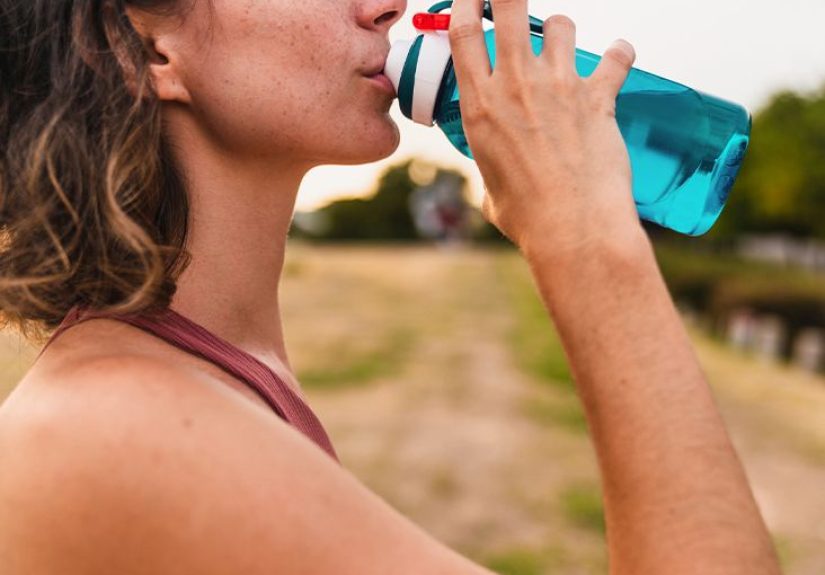
Choose a bottle that fits your lifestyle. A lightweight bottle is great for commuting. An insulated bottle keeps water cold for hours. A bottle with measurement marks can help if you like tracking progress. A straw lid can make sipping easier while working or studying. The best water bottle is not the trendiest oneit is the one you actually use.
3. Pair Water With Daily Routines
Habit stacking is one of the easiest ways to drink more water. Instead of relying on memory, connect water to actions already built into your day. Drink a few sips after brushing your teeth, when you take vitamins, before each meal, after using the bathroom, when you get into the car, or every time you sit down at your desk.
For example, try this simple routine: one glass after waking, one glass with breakfast, one bottle during work or school, one glass with lunch, one bottle in the afternoon, and one glass with dinner. Suddenly, drinking more water becomes less of a heroic quest and more of a quiet background habitlike locking the door or pretending you will answer that email “in five minutes.”
4. Drink Water Before Meals
Serving water with meals is a simple way to increase daily fluid intake. Put a glass of water on the table before breakfast, lunch, and dinner. Even if you only drink half a glass each time, that adds up quickly. It also makes water the default beverage instead of a sugary drink.
Drinking water before or during meals may also help you slow down, enjoy your food, and support digestion. You do not need to force yourself to drink huge amounts. Just make water part of the meal setting, like a fork, napkin, or that one family member who asks if you are “still doing that thing.”
5. Make Water Taste Better Naturally
Plain water is refreshing to some people and tragically boring to others. If your taste buds require entertainment, add natural flavor. Try lemon, lime, orange slices, cucumber, mint, berries, pineapple, ginger, watermelon, basil, or a splash of 100% fruit juice in sparkling water. These additions can make water feel more like a treat without turning it into a sugar bomb.
Infused water works best when you prep it ahead. Fill a pitcher with water and fruit in the evening, then keep it in the fridge. By morning, you have water that tastes like you made an efforteven if the fruit did most of the work while you slept.
6. Use Sparkling Water as a Soda Swap
If you crave bubbles, sparkling water can be a helpful bridge away from soda. Look for unsweetened sparkling water with no added sugar. You can drink it plain or add citrus, berries, or a small splash of juice. The fizz makes it feel more exciting than still water, especially with meals or afternoon snacks.
This swap is particularly useful if your soda habit is more about texture and routine than actual thirst. You still get the satisfying “pssst” when you open the can, but without the sugar overload. Your taste buds may complain for a few days, because taste buds are dramatic little creatures, but they often adjust faster than expected.
7. Eat More Water-Rich Foods
Hydration does not only come from what you drink. Many fruits and vegetables contain a high percentage of water and can help support fluid intake. Cucumbers, lettuce, celery, tomatoes, zucchini, watermelon, strawberries, oranges, cantaloupe, peaches, grapes, and bell peppers are all smart choices. Soups, smoothies, oatmeal, yogurt, and broth-based meals can also contribute fluids.
Try adding cucumber slices to lunch, watermelon as an afternoon snack, berries to breakfast, or a broth-based soup with dinner. Water-rich foods also bring vitamins, minerals, fiber, and flavor, which makes them a double win. Hydration with crunch? Very fancy.
8. Set Gentle Reminders
If you forget to drink water, use remindersbut keep them gentle. A phone alarm every 15 minutes may make you want to throw your phone into a lake, which is not ideal for hydration or budgeting. Instead, set two or three reminders during the day, use a hydration app, place sticky notes near your workspace, or schedule water breaks around natural transitions.
Good reminder times include midmorning, midafternoon, and early evening. You can also use visual cues: a full bottle on your desk, a glass near the coffee machine, or a pitcher in the fridge at eye level. The point is not to nag yourself. It is to make water easier to remember than the snack cabinet.
9. Drink Water Before, During, and After Exercise
Exercise increases fluid loss through sweat, especially in hot or humid weather. Drink water before you work out, sip during longer sessions, and rehydrate afterward. For light to moderate workouts, water is usually enough. For long, intense exercise or heavy sweating, you may need electrolytes from food or an appropriate beverage, especially if you are exercising in heat.
A practical approach is to drink a glass of water before exercise, keep a bottle nearby, and pay attention to thirst, sweat level, energy, and urine color afterward. If you finish a workout feeling dizzy, unusually tired, or headachy, hydration may be part of the issue. Your body is not a cactus. It appreciates refills.
10. Upgrade Your Environment
Your surroundings can quietly shape your habits. Keep water in the places where you make beverage decisions. Store cold water in the fridge. Keep a pitcher on the counter. Place a bottle beside your computer. Put sparkling water where soda used to live. Bring water when running errands. Keep a backup bottle in your bag.
This works because convenience often wins. If water is nearby and ready, you are more likely to choose it. If the only cold drink available is soda, sweet tea, or whatever mystery beverage has been hiding in the back of the fridge since last Tuesday, your choices become less ideal.
11. Choose Water When Eating Out
Restaurants make it easy to drink extra calories without noticing. Soda, sweet tea, lemonade, cocktails, milkshakes, and specialty drinks can add a lot of sugar. Choosing water when eating out is a simple way to drink more water and save money at the same time. Your wallet may not applaud out loud, but it will feel emotionally supported.
If plain water feels too plain, ask for lemon or lime. Order sparkling water if available. Drink one glass of water before deciding whether you still want another beverage. This small pause can help you tell the difference between thirst, habit, and “the menu made it look pretty.”
12. Track Your Intake Without Becoming Obsessed
Tracking water can help you understand your patterns. You can use an app, a marked bottle, a checklist, rubber bands around your bottle, or a simple note on your phone. The goal is awareness, not perfection. Some days you will drink more; some days life will happen and your bottle will stare at you accusingly from across the room.
A good tracking system should feel easy. If it becomes annoying, simplify it. Try tracking for one week to learn when you drink the least water. Maybe mornings are fine, but afternoons fall apart. Maybe weekends are the problem. Once you see the pattern, you can fix the weak spot instead of vaguely promising to “hydrate better” while holding a soda.
How to Know If You Are Drinking Enough Water
Your body gives useful clues. Pale yellow urine, regular bathroom trips, normal energy, and minimal thirst are generally good signs. Dark yellow urine, dry mouth, headache, dizziness, fatigue, and not urinating much may suggest you need more fluids. However, urine color can also be affected by vitamins, foods, and medications, so it is only one cluenot a courtroom verdict.
Some people need special guidance. If you have kidney disease, heart failure, certain medical conditions, or take medications such as diuretics, ask a healthcare professional how much fluid is right for you. Pregnant or breastfeeding people, athletes, older adults, and those who work outdoors may also have different needs.
Can You Drink Too Much Water?
Yes, although it is uncommon for most healthy people. Drinking extreme amounts of water in a short time can dilute sodium levels in the blood, which can be dangerous. This risk is more likely during endurance events, water-drinking contests, or situations where someone drinks far beyond thirst while not replacing electrolytes. The smarter strategy is steady hydration throughout the day, not panic-chugging an ocean at night because your bottle still looks full.
Listen to your body, spread fluids across the day, and avoid turning hydration into a competition. Water is a wellness tool, not a dare.
Common Mistakes That Make Drinking Water Harder
Waiting Until You Feel Very Thirsty
Thirst is helpful, but it is not always early. In busy routines, people often override thirst until they are already feeling sluggish. Sip regularly instead of waiting for your mouth to feel like a desert documentary.
Trying to Change Everything Overnight
If you currently drink very little water, do not expect to become a hydration champion by tomorrow morning. Add one or two extra glasses per day, then build from there. Small wins stick better than dramatic plans.
Forgetting Food Counts Too
Water-rich foods are a real part of hydration. If you enjoy fruit, vegetables, soups, and smoothies, use that. Drinking water matters, but chewing your hydration occasionally is perfectly acceptable.
Choosing a Bottle You Hate
If your bottle leaks, is hard to clean, tastes metallic, or does not fit in your cup holder, you will avoid it. Pick one that makes water convenient. Hydration should not require emotional resilience.
of Real-Life Experience: What Actually Helps You Drink More Water
The biggest lesson about drinking more water is that motivation is overrated. Most people do not fail at hydration because they are lazy; they fail because water is not built into their day. When water is across the room, buried in the fridge, or trapped inside a bottle you forgot to wash, it might as well be on another planet. The habit changes when water becomes visible, easy, and slightly enjoyable.
One of the most practical experiences is keeping water in “decision zones.” A decision zone is any place where you usually choose what to drink: your desk, kitchen counter, nightstand, car cup holder, gym bag, or lunch table. When a filled bottle is already there, the decision is almost made for you. You take a sip because it is easy. That tiny convenience matters more than a motivational quote printed on a giant jug.
Another helpful experience is learning your flavor personality. Some people genuinely love plain cold water. Others need lemon, mint, cucumber, berries, or bubbles. There is no prize for drinking water in the most boring way possible. If adding orange slices makes you drink two more glasses, that is not cheating; that is strategy. A pitcher of infused water in the fridge can make hydration feel intentional without much effort.
Temperature also matters more than people admit. Some drink more when water is icy. Others prefer room temperature because it is easier to sip quickly. During workouts or hot days, cold water can feel refreshing, while at night, room-temperature water may be easier on the stomach. Testing temperature is simple: try cold water for a week, then room temperature, and notice which one disappears faster.
Pairing water with meals is another habit that works in real life because meals already happen. Put water on the table before food arrives. At restaurants, order water first, then decide whether you want anything else. At home, make water the default drink with dinner. This habit can quietly replace sugary beverages without feeling like a major sacrifice.
The afternoon slump is where many hydration plans go to retire. Around 2 or 3 p.m., people often reach for coffee, snacks, or soda when they may also be thirsty. A useful trick is the “water first” rule: drink a glass of water, wait a few minutes, then decide what you want. You may still want a snack, and that is fine. But sometimes water takes the edge off the tired, foggy feeling.
Tracking can help, but only if it stays simple. A bottle with ounce marks can be useful because it turns progress into something visible. However, obsessively logging every sip can become annoying fast. A better approach is to set a loose goal, such as finishing one bottle before lunch and one before dinner. That gives structure without turning hydration into homework.
Finally, the best hydration habit is forgiveness. Some days you will drink plenty of water. Other days you will forget until bedtime and briefly consider drinking three glasses at once like a guilty houseplant. Do not do the panic-chug routine. Just restart with one glass, refill your bottle, and make tomorrow easier. Hydration is not about being perfect; it is about building a rhythm your body can count on.
Conclusion
Drinking more water does not have to be complicated. Start your morning with a glass, keep a reusable bottle nearby, pair water with routines, flavor it naturally, eat water-rich foods, and make water the easy choice at meals, workouts, and restaurants. The best hydration plan is the one you can repeat without thinking too hard.
Remember, your fluid needs are personal. Hot weather, exercise, illness, pregnancy, breastfeeding, medications, and health conditions can all change how much water is right for you. Use thirst, urine color, energy, and daily routines as practical clues. Then make small adjustments. Your body does not need perfection. It just needs steady refills.
Note: This article is for general wellness information only and is not a substitute for personal medical advice. People with kidney disease, heart conditions, fluid restrictions, or medication-related hydration concerns should follow guidance from a qualified healthcare professional. Key health guidance was synthesized from reputable sources including the CDC, Mayo Clinic, National Academies, NIH, American Heart Association, Cleveland Clinic, Harvard Health, Academy of Nutrition and Dietetics, UCLA Health, MedlinePlus, and USDA-related nutrition resources.