Table of Contents >> Show >> Hide
- Why protein at breakfast helps you stay full
- How much protein should you aim for?
- 14 high-protein breakfasts you’ll actually want to eat
- 1) Greek yogurt parfait with berries, crunchy toppings, and seeds
- 2) Cottage cheese bowl (sweet or savoryyour call)
- 3) Veggie-loaded egg scramble with a side of fruit
- 4) Smoked salmon toast with a protein-rich spread
- 5) Tofu scramble that doesn’t pretend to be eggs (and that’s okay)
- 6) Overnight oats with Greek yogurt (the “no morning cooking” hero)
- 7) Protein smoothie that tastes like breakfast, not punishment
- 8) Breakfast burrito with eggs + beans (or tofu + beans)
- 9) Egg muffin cups (mini frittatas you can eat with one hand)
- 10) High-protein pancakes (cottage cheese or yogurt batter)
- 11) Savory oatmeal with eggs, turkey, or tofu
- 12) Chia pudding with soy milk + Greek yogurt swirl
- 13) Quinoa breakfast bowl with berries and nuts (or savory toppings)
- 14) High-protein cereal or granola “upgrade bowl”
- Quick protein boosters (mix-and-match)
- Common pitfalls (and easy fixes)
- Real-life breakfast experiences: what changes when you go high-protein (and what doesn’t)
- Wrap-up
- SEO Tags
If your breakfast routinely looks like “coffee + vibes,” you’re not alone. But if you’re also hungry again by 10:17 a.m.
(and suddenly negotiating with a donut like it’s a hostage situation), it might be time to upgrade your morning fuel.
A high-protein breakfast can help you feel fuller longer, smooth out mid-morning cravings, and support steady energyespecially when you
pair protein with fiber-rich carbs and healthy fats. The good news: you don’t need a complicated meal plan or a blender that sounds like a helicopter.
You just need a few smart building blocks and a rotation you’ll actually look forward to.
Why protein at breakfast helps you stay full
Protein is famously filling because it generally digests more slowly than refined carbs and can influence appetite signals that affect how hungry you feel.
Research on protein-forward breakfasts has found improved satiety and reduced appetite later in the day in some groupsespecially compared with lower-protein
breakfasts. The takeaway isn’t “protein is magic,” but rather: it’s a powerful lever for making breakfast stick with you until lunch.
One more practical point: protein works best when it’s not doing all the heavy lifting alone. Combine it with
fiber (oats, berries, beans, whole grains, veggies) and unsaturated fats (nuts, seeds, avocado, olive oil),
and you’ve got a breakfast that’s satisfying, balanced, and less likely to lead to a snack stampede.
How much protein should you aim for?
Protein needs vary based on body size, age, and activity level. The general Recommended Dietary Allowance (RDA) for adults is
0.8 g of protein per kilogram of body weight per day, but many people choose to distribute protein across meals for better
fullness and muscle supportespecially if they’re active or trying to avoid “all my protein happens at dinner” syndrome.
For breakfast specifically, many high-protein studies and dietitian recommendations commonly use a target around
20–30 grams of protein as a solid, realistic range. Don’t stress about hitting an exact numberthink of it as a “useful zone.”
If your current breakfast is 6 grams, moving it to 18–25 grams is a meaningful upgrade.
Note: If you have kidney disease or another medical condition requiring protein limits, follow your clinician’s guidance.
14 high-protein breakfasts you’ll actually want to eat
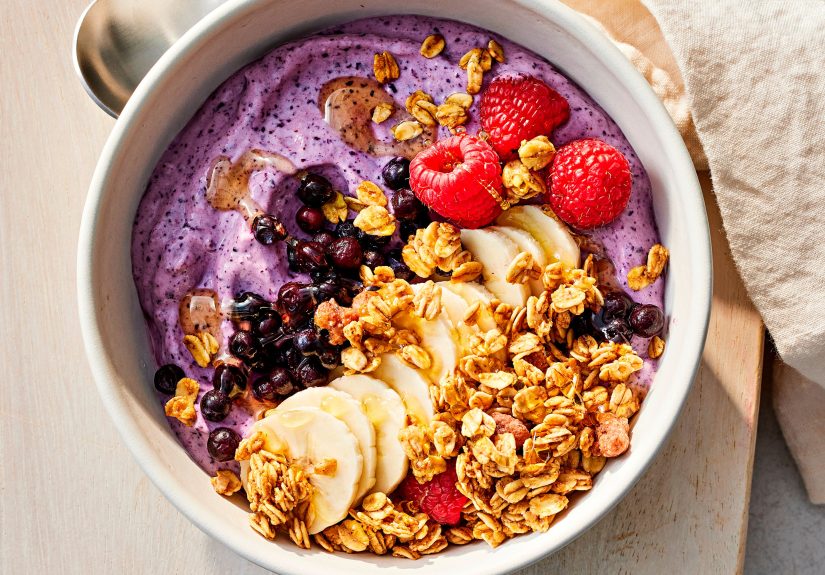
1) Greek yogurt parfait with berries, crunchy toppings, and seeds
Why it works: Greek yogurt is naturally high in protein, and the parfait format makes it easy to add fiber and healthy fats.
How to make it: Layer plain Greek yogurt with berries, a sprinkle of granola or high-fiber cereal, and chia or hemp seeds.
Add cinnamon or vanilla for “dessert for breakfast” energy without the sugar crash.
Protein range: ~20–30g depending on yogurt portion and toppings.
- Boost it: Stir in nut butter or add a side of milk/kefir.
- Make-ahead tip: Prep “parfait jars” for 2–3 days; keep crunchy toppings separate until eating.
2) Cottage cheese bowl (sweet or savoryyour call)
Why it works: Cottage cheese is protein-dense and surprisingly versatile.
Sweet version: Top with pineapple or berries, chopped nuts, and a drizzle of honey.
Savory version: Add sliced tomatoes, cucumbers, everything bagel seasoning, and a little olive oil.
Protein range: ~15–30g depending on portion size.
- Texture hack: If you’re not a curd person, blend it until smooth (it becomes a creamy base).
- On-the-go: Pack in a container with toppings on the side.
3) Veggie-loaded egg scramble with a side of fruit
Why it works: Eggs are a complete protein and pair well with fiber-rich veggies.
How to make it: Sauté spinach, peppers, mushrooms, or onions; scramble in eggs (or a mix of eggs + egg whites).
Add salsa or hot sauce for flavor without turning breakfast into a cheese festival.
Protein range: ~18–30g depending on how many eggs/whites you use.
- Make it heart-friendlier: Keep saturated fat reasonable; use olive oil and load up on veggies.
- Upgrade: Add beans on the side for extra protein + fiber.
4) Smoked salmon toast with a protein-rich spread
Why it works: Salmon brings protein plus omega-3s. Whole-grain toast adds fiber.
How to make it: Spread light cream cheese, cottage cheese, or thick Greek yogurt on whole-grain toast.
Top with smoked salmon, sliced cucumber, red onion, and capers if you’re feeling fancy (or just hungry).
Protein range: ~20–30g depending on salmon and spread.
- Lower sodium tip: Balance with plenty of fresh produce and drink water; smoked fish can be salty.
- No-toast option: Serve over sliced tomatoes or a salad-style bowl.
5) Tofu scramble that doesn’t pretend to be eggs (and that’s okay)
Why it works: Tofu is a solid plant protein and takes on flavor like a champ.
How to make it: Crumble firm tofu into a pan with olive oil, turmeric (color), garlic, and veggies.
Add nutritional yeast if you like a cheesy vibe.
Protein range: ~15–25g depending on tofu amount.
- Boost it: Add black beans or edamame for more protein and fiber.
- Meal prep: Make a batch and reheat; it holds up well.
6) Overnight oats with Greek yogurt (the “no morning cooking” hero)
Why it works: Oats bring fiber; Greek yogurt adds protein; chia seeds add staying power.
How to make it: Mix oats, milk (or soy milk), Greek yogurt, chia seeds, and fruit.
Refrigerate overnight. Wake up. Eat. Feel smug (optional).
Protein range: ~20–35g depending on yogurt/milk and add-ins.
- Boost it: Add nut butter or a scoop of protein powder if desired.
- Flavor ideas: Apple-cinnamon, chocolate-peanut butter, or berry-lemon.
7) Protein smoothie that tastes like breakfast, not punishment
Why it works: Easy to digest, fast, portableand you can hit a high protein target without cooking.
How to make it: Blend milk or soy milk with Greek yogurt (or silken tofu), frozen fruit, and nut butter.
Add spinach if you want, but don’t announce it to your taste buds.
Protein range: ~20–40g depending on your base and add-ins.
- Keep it balanced: Include fiber (berries, chia, oats) so it’s not just liquid sugar.
- No blender? Use a shaker bottle with a ready-to-drink protein shake plus fruit on the side.
8) Breakfast burrito with eggs + beans (or tofu + beans)
Why it works: Protein + fiber + carbs = lasting energy.
How to make it: Fill a whole-wheat tortilla with scrambled eggs (or tofu), black beans, sautéed peppers/onions,
and salsa. Add avocado for healthy fats.
Protein range: ~25–40g depending on fillings.
- Freezer-friendly: Wrap and freeze burritos; reheat for a fast weekday breakfast.
- Lower-fat option: Use more beans and veggies, less cheese.
9) Egg muffin cups (mini frittatas you can eat with one hand)
Why it works: Make-ahead protein you can grab on your way out the door.
How to make it: Whisk eggs with chopped veggies (spinach, peppers, onions), pour into a muffin tin,
bake until set. Add turkey sausage or beans for extra protein.
Protein range: ~15–30g depending on how many you eat and what’s inside.
- Meal prep: Store in the fridge for 3–4 days or freeze.
- Texture tip: Don’t overbakedry egg muffins are a crime against breakfast.
10) High-protein pancakes (cottage cheese or yogurt batter)
Why it works: You get comfort-food satisfaction with real protein staying power.
How to make it: Blend cottage cheese with eggs and oats (or use Greek yogurt in the batter).
Cook like pancakes. Top with berries and a modest drizzle of maple syrup.
Protein range: ~20–35g depending on portion and recipe.
- Make-ahead: Cook a batch on Sunday; freeze and toast during the week.
- Boost it: Add ground flax or chia for more fiber.
11) Savory oatmeal with eggs, turkey, or tofu
Why it works: Oats aren’t just for sweet bowls; savory oats are basically risotto’s chill breakfast cousin.
How to make it: Cook oats with broth or milk. Top with a fried egg, sautéed greens, and a sprinkle of cheeseor tofu and veggies.
Protein range: ~20–35g depending on toppings.
- Flavor boosters: Everything bagel seasoning, chili crisp, or salsa.
- Extra fiber: Stir in lentils or add a side of fruit.
12) Chia pudding with soy milk + Greek yogurt swirl
Why it works: Chia brings fiber and texture; soy milk and yogurt bring the protein.
How to make it: Mix chia seeds with soy milk and vanilla; refrigerate overnight.
Swirl in Greek yogurt and top with fruit and nuts.
Protein range: ~18–30g depending on yogurt amount.
- Make-ahead: Prep 2–3 jars at once.
- Sweetness tip: Use fruit first; add honey only if you truly need it.
13) Quinoa breakfast bowl with berries and nuts (or savory toppings)
Why it works: Quinoa adds extra protein compared to many grains, and it’s easy to batch-cook.
How to make it (sweet): Warm quinoa with milk, cinnamon, berries, and almonds.
How to make it (savory): Top quinoa with an egg, beans, avocado, and salsa.
Protein range: ~20–35g depending on add-ins.
- Make-ahead: Cook quinoa once; use it 3 ways during the week.
- Boost it: Add Greek yogurt on the side for an easy protein bump.
14) High-protein cereal or granola “upgrade bowl”
Why it works: Cereal can be legitif you choose one with meaningful protein and fiber and keep added sugar in check.
How to build it: Use a higher-protein cereal, add milk or soy milk, then mix in Greek yogurt,
berries, and seeds. Now it’s a bowl that won’t leave you hungry five minutes later.
Protein range: ~20–35g depending on cereal choice and yogurt portion.
- Label tip: Aim for higher protein and fiber, and avoid cereals where sugar is basically the main character.
- Crunch strategy: Use cereal as a topping on yogurt rather than a giant bowl of flakes.
Quick protein boosters (mix-and-match)
- Greek yogurt: Stir into oats, smoothies, or pancake batter.
- Cottage cheese: Blend into sauces/spreads or eat as a bowl base.
- Eggs/egg whites: Add to savory oats, wraps, or breakfast sandwiches.
- Beans/lentils: Breakfast burritos, savory bowls, or a quick side.
- Tofu/tempeh: Scrambles, bowls, or a sandwich-style breakfast.
- Nuts/seeds: Chia, hemp, or peanut butter for protein + healthy fats.
Common pitfalls (and easy fixes)
Pitfall: “High-protein” but also “high-sugar dessert in disguise.”
Fix: Start with plain yogurt, add fruit and cinnamon, and sweeten lightly if needed.
Pitfall: Leaning too hard on processed meats.
Fix: Rotate proteinsbeans, fish, tofu, nuts, and low-fat dairy can help keep saturated fat and sodium reasonable.
Pitfall: Protein without fiber (you feel full… briefly).
Fix: Add berries, oats, whole grains, or veggies to create a longer-lasting meal.
Real-life breakfast experiences: what changes when you go high-protein (and what doesn’t)
People often expect a high-protein breakfast to feel like flipping a switch: you eat eggs once and suddenly you’re a perfectly disciplined human
who never snacks and also somehow has time to fold fitted sheets. Real life is… less cinematic. The changes tend to be subtle at firstbut they’re
noticeable, especially on busy mornings when stress and schedules make cravings louder.
The first “aha” many people report is that their hunger becomes less dramatic. Instead of feeling fine and then crashing into sudden,
urgent hunger, they feel a steadier appetite curve. That doesn’t mean you’ll never want a snack. It just means you’re less likely to
be tricked into thinking you need three snacks because breakfast disappeared into the void. When breakfast includes protein
plus fibersay, Greek yogurt with berries and chia, or a burrito with eggs and beansthere’s often a calmer stretch of time before lunch.
Another common experience: energy feels more even. A very carb-heavy breakfast (especially refined carbs) can leave some people feeling
hungry and foggy mid-morning. With more protein, the morning can feel less like a roller coaster and more like a paved road. Not glamorous,
but reliablewhich is exactly what you want at 9:30 a.m. when your inbox starts doing parkour.
Of course, there’s a learning curve. If you’re used to sweet breakfasts, savory options can feel “too heavy” at first. The workaround is
to start with hybrid meals: overnight oats with Greek yogurt, a smoothie with yogurt and nut butter, or cottage cheese with fruit.
You still get familiar flavors, but the protein content is higher. On the flip side, if you’re an egg-everyday person who’s bored out of your mind,
rotating in tofu scrambles, yogurt bowls, or salmon toast can make breakfast feel interesting againwithout needing a brand-new personality.
Meal prep is where high-protein breakfasts quietly become a superpower. The people who stick with them often aren’t “more motivated.”
They just reduce morning friction. A batch of egg muffins, a few jars of chia pudding, cooked quinoa, or pre-portioned yogurt bowls can turn
a chaotic morning into something manageable. It’s not that you become a different person; it’s that your breakfast becomes easier than skipping it.
Budget concerns come up a lot, too. Protein can be affordable if you lean on eggs, beans, yogurt in larger tubs, oats, and frozen fruit.
Convenience items like ready-to-drink shakes are helpful, but they’re not required. A simple breakfast burrito with beans and eggs can be both
high-protein and low-cost, and it freezes well. If you want to keep it even cheaper, use beans as your “protein anchor” and add a smaller amount
of animal protein for flavor rather than relying on it for the entire meal.
The biggest reality check: a high-protein breakfast doesn’t cancel the rest of your day. If lunch is random handfuls of chips and dinner is
“whatever I can find,” breakfast won’t solve everything. But it can set a better tone. Many people find that when they start the day with
a balanced, protein-forward meal, they make slightly better choices laternot because of willpower, but because they’re not trying to make decisions
while starving. And honestly, “less decision-making while starving” might be one of the most underrated wellness strategies on Earth.
Wrap-up
High-protein breakfasts don’t have to be repetitive or complicated. Pick two or three favorites, rotate them, and keep a few easy boosters on hand
(Greek yogurt, eggs, tofu, beans, nuts, seeds). Aim for a satisfying rangeoften around 20–30 grams of proteinand remember: protein works best with
fiber and healthy fats. Your future self at 11 a.m. will thank you. Probably quietly. While eating lunch like a normal person.