Table of Contents >> Show >> Hide
- Why Vintage End Tables Are Worth Updating
- Start With a Smart Assessment
- Cleaning: The Step Everyone Wants to Skip
- Paint, Stain, or Both?
- Prep Work Makes the Finish
- Hardware: Small Change, Big Personality
- Creative Update Ideas for Vintage End Tables
- How to Style Updated Vintage End Tables
- Best Rooms for Updated Vintage End Tables
- Common Mistakes to Avoid
- Real-World Experience: What Updating Vintage End Tables Teaches You
- Conclusion: Give the Little Table Its Comeback Moment
Some furniture pieces quietly enter a room. Vintage end tables do the opposite. They arrive with tiny drawers, curved legs, mysterious water rings, and the strong suggestion that they once held a rotary phone, a crystal candy dish, and at least one very dramatic table lamp. The good news? Those little old tables are having a very modern moment.
Updating vintage end tables is one of the smartest DIY furniture makeover projects because the stakes are low, the payoff is high, and the table is small enough that it will not take over your garage like a wooden rhinoceros. Whether you found a pair at a thrift store, inherited one from family, rescued a lonely side table from the curb, or bought a wobbly treasure at a flea market, a thoughtful refresh can turn it into a stylish, functional accent piece for today’s home.
The trick is not to erase the past. The goal is to make the piece feel current while keeping the charm that made it worth saving in the first place. A vintage end table with new paint, fresh stain, updated hardware, and better styling can bring warmth to a living room, personality to a bedroom, or a little “I have excellent taste and possibly own linen napkins” energy to a reading corner.
Why Vintage End Tables Are Worth Updating
Vintage end tables have a lot going for them. Many older pieces were built with solid wood, dovetail drawers, turned legs, carved details, or real veneer instead of the flat-pack mystery boards that sometimes arrive with twelve screws left over and one emotional crisis included. Even when the finish looks tired, the bones may be excellent.
There is also the character factor. New side tables can be beautiful, but vintage furniture often carries details that are hard to find in mass-produced pieces: brass pulls, scalloped edges, lower shelves, cabriole legs, inset panels, or small drawers that are perfect for hiding remotes, chargers, bookmarks, and the lip balm you keep losing even though it is always right there.
Updating vintage end tables is also budget-friendly and sustainable. Instead of buying new furniture, you are extending the life of something that already exists. That means less waste, more personality, and a home that does not look like it was ordered in one giant matching set. Your living room deserves a little plot development.
Start With a Smart Assessment
Before grabbing a paintbrush like a heroic DIY warrior, inspect the table carefully. A good makeover begins with knowing what you are working with. Look at the structure, finish, hardware, and surface condition. Is the table solid wood, veneer, laminate, or a combination? Are the legs tight? Does the drawer slide smoothly? Are there chips, cracks, peeling finish, or water damage?
If the table is sturdy and only cosmetically worn, you have an easy candidate for a makeover. If it wobbles like it has opinions about gravity, tighten screws, check joints, and use wood glue or clamps where needed. If veneer is lifting, repair it before painting or staining. A gorgeous color will not save a drawer front that is peeling off like a bad sunburn.
Questions to Ask Before You Begin
Ask yourself where the end table will live and how it will be used. A table beside a sofa may need a durable topcoat because it will hold drinks, books, lamps, and the occasional emergency bowl of popcorn. A bedroom nightstand needs storage and a finish that works with bedding, wall color, and lighting. A decorative hallway table can be a little more adventurous because it is not fighting daily coffee mug traffic.
Also consider whether you want the piece to blend in or stand out. A soft neutral paint color can make ornate details feel calm and modern. A deep green, matte black, navy blue, or warm terracotta can turn a small table into a confident accent. Natural wood stain can highlight grain and give the piece a more classic, collected look.
Cleaning: The Step Everyone Wants to Skip
Cleaning is not glamorous, but neither is painting over old furniture polish, kitchen grease, dust, and whatever mysterious film has been developing since 1978. Start with a gentle cleaning solution and a soft cloth. Remove hardware, wipe down the entire piece, clean corners and grooves, and dry the surface thoroughly.
For older furniture, always test cleaning products in a hidden spot first. Some vintage finishes are delicate, and too much water or harsh cleaner can cause damage. If the table has been living in a garage, attic, or thrift-store corner, give it time to air out before refinishing. Furniture can hold odors, and paint does not magically transform musty smells into “fresh meadow at sunrise.” Sadly.
Paint, Stain, or Both?
The biggest design decision is whether to paint, stain, or combine both. Each option creates a different mood.
Paint for a Fresh, Modern Look
Painting vintage end tables is ideal when the existing finish is too damaged to save, the wood tone feels dated, or you want a bold design statement. Paint can make mismatched tables feel like a pair, tone down heavy carved details, or give a thrifted piece a clean contemporary style.
Popular choices include warm white, charcoal, sage green, soft black, dusty blue, mushroom beige, and creamy taupe. For a playful room, try coral, mustard, sky blue, or a cheerful red. The key is to choose a color that connects with something else in the room, such as a rug, pillow, artwork, lamp shade, or curtain pattern.
Stain for a Rich, Timeless Finish
Staining is the right move when the wood grain is attractive and the piece has enough surface quality to show off. A warm walnut, weathered oak, espresso, or natural finish can make a vintage end table feel elevated without losing its age. Stain works especially well on mid-century tables, simple farmhouse pieces, and traditional tables with beautiful wood grain.
However, staining requires more surface preparation than paint. Old finish usually needs to be removed or sanded evenly so the new stain can absorb properly. If the table has veneer, sand gently. Veneer is thin, and aggressive sanding can go through it faster than you can say, “Maybe I should have watched one more tutorial.”
Two-Tone Updates for the Best of Both Worlds
A two-tone makeover is a smart compromise. Paint the base and stain the top. This keeps the warmth of wood where it matters most while giving the legs or body a fresh update. A black base with a walnut top feels classic. A creamy white base with a natural wood top feels cottage-inspired. A sage green base with a light oak top looks calm, current, and a little bit like it drinks herbal tea.
Prep Work Makes the Finish
Prep is where the makeover succeeds or fails. Remove drawers and hardware first. Label screws if needed, especially if the table has older hardware that only fits one way because vintage furniture enjoys puzzles.
Lightly sand glossy surfaces to help primer or paint adhere. You do not always need to sand down to bare wood if you are painting, but you do need to dull the shine and smooth rough spots. Use a finer grit for final smoothing, then remove dust with a microfiber cloth or tack cloth. Dust left on the surface can create a bumpy finish that looks less “handcrafted charm” and more “painted during a sandstorm.”
If the piece has stains, knots, dark wood, or a slick finish, use a quality bonding primer or stain-blocking primer. Primer helps paint stick better and can prevent old tannins or stains from bleeding through. This is especially important when painting older wood in light colors.
Hardware: Small Change, Big Personality
Hardware is the jewelry of furniture, and vintage end tables often come with pulls that are either beautiful, broken, or aggressively old-fashioned. Sometimes the original hardware just needs cleaning. Brass pulls can look stunning with a gentle polish, especially against deep paint colors or natural wood.
If the hardware feels wrong, replace it. New knobs, ring pulls, cup pulls, or small brass handles can completely change the mood of the table. Matte black hardware adds a modern edge. Antique brass feels warm and timeless. Ceramic knobs bring cottage charm. Sleek nickel works well in transitional spaces.
Before buying new hardware, measure the existing screw spacing. Drawer pulls are not one-size-fits-all, and discovering that after falling in love with a set of handles is a tiny DIY heartbreak. If the new hardware does not align with the old holes, fill the original holes with wood filler, sand smooth, prime, and drill new ones.
Creative Update Ideas for Vintage End Tables
There are many ways to refresh vintage end tables beyond basic paint. Here are design ideas that work in real homes, not just in perfectly lit photos where nobody owns charging cords.
1. Add a Painted Interior
Paint the inside of a drawer in a surprise color or line it with peel-and-stick wallpaper. It is a small detail, but it makes the piece feel custom. Every time you open the drawer, there is a tiny design party happening inside.
2. Try a Grasscloth or Wallpaper Accent
Apply peel-and-stick wallpaper to drawer fronts, side panels, or a lower shelf. A subtle grasscloth texture can make a table look high-end. A floral or geometric print can add charm to a bedroom or guest room. Seal the surface if it will be handled often.
3. Add a New Top
If the tabletop is damaged beyond saving, consider replacing or covering it. A thin wood top, marble-look contact paper, tile, or a painted checkerboard pattern can turn a problem area into the best feature. For a durable everyday table, protect the top with a strong clear coat.
4. Update the Legs
Changing legs can alter the entire silhouette. Short bun feet can make a table feel traditional, tapered legs can create a mid-century look, and metal hairpin legs can give a vintage top an industrial twist. Just make sure the proportions remain balanced and the table is stable.
5. Create a Charging Station
A vintage end table can be updated for modern life by adding a hidden charging solution. Use the drawer to store cords, a power strip, or a small cable organizer. Drill a discreet hole in the back if necessary. Suddenly, your old table is ready for smartphones, tablets, and the modern household’s endless collection of mysterious black cords.
How to Style Updated Vintage End Tables
Once the makeover is complete, styling matters. An updated end table should look finished but not crowded. A lamp, a small stack of books, and a decorative object are often enough. The classic rule of three works because it creates balance without making the table look like a gift shop display.
Think about height, texture, and function. Pair a ceramic lamp with a woven tray. Add a small plant for life and color. Use a coaster because you did not spend a weekend refinishing this table just so someone could put a sweating glass directly on it. That is how villains are made.
Scale is important, too. An end table should generally sit close to the height of the sofa arm or chair arm so it is comfortable to use. If it is too low, reaching for a drink feels like a yoga pose. If it is too high, the table may visually overpower the seating. In a bedroom, a vintage end table used as a nightstand should feel close to mattress height for easy access.
Best Rooms for Updated Vintage End Tables
The living room is the obvious place, but it is not the only option. A vintage end table can work beautifully in a bedroom as a nightstand, in an entryway as a small drop zone, in a hallway beneath artwork, or beside a reading chair. A pair of matching tables can frame a sofa or bed, while two different vintage tables can create an eclectic collected look.
In small spaces, choose tables with visible legs, open shelves, or lighter finishes to keep the room feeling airy. A bulky dark table can make a tight corner feel crowded. A slim vintage table with a drawer can provide storage without swallowing the room whole.
Common Mistakes to Avoid
The first mistake is rushing prep. Paint needs a clean, dull, stable surface. Skipping cleaning, sanding, or priming can lead to peeling, bubbling, and general sadness.
The second mistake is choosing a finish that does not match the table’s real life. A delicate wax finish may look beautiful, but it may not be the best choice for a table that holds drinks every evening. For hardworking surfaces, use a durable topcoat and let it cure fully before heavy use.
The third mistake is overdecorating. End tables are small. They need breathing room. A lamp, books, a tray, and one accent can be plenty. If the table cannot hold a cup of coffee because it is covered in seventeen decorative objects, it has become a tiny museum, not furniture.
Real-World Experience: What Updating Vintage End Tables Teaches You
Updating vintage end tables is one of those projects that sounds simple until you are standing in the driveway wearing old clothes, holding a drawer pull, and wondering whether the previous owner used furniture polish, shellac, or possibly pancake syrup. That is part of the experience. Vintage furniture does not always reveal its secrets politely.
The first lesson is patience. The best makeovers are rarely the fastest ones. Cleaning takes longer than expected. Sanding creates more dust than seems scientifically reasonable. Primer may need extra drying time. Paint can look strange after the first coat and then suddenly become gorgeous after the second. A project that looks questionable halfway through can turn into a beautiful piece if you resist the urge to panic-paint it three different colors before lunch.
The second lesson is that small details matter. A slightly crooked knob will bother you every time you walk by. A missed drip on the leg will catch light like it has a spotlight contract. A rough tabletop will feel unfinished even if the color is perfect. Taking time to sand between coats, wipe dust carefully, and line up hardware makes the difference between “cute DIY” and “where did you buy that?”
The third lesson is flexibility. Sometimes the original plan is not the best plan. You may start with the dream of a natural stained top, only to discover a stubborn water ring that refuses to leave. You may plan on bright white paint and realize the table looks better in warm greige. You may polish the original hardware and decide it is too beautiful to replace. A good furniture update is part design, part detective work, and part negotiation with a table that has been alive longer than your streaming subscriptions.
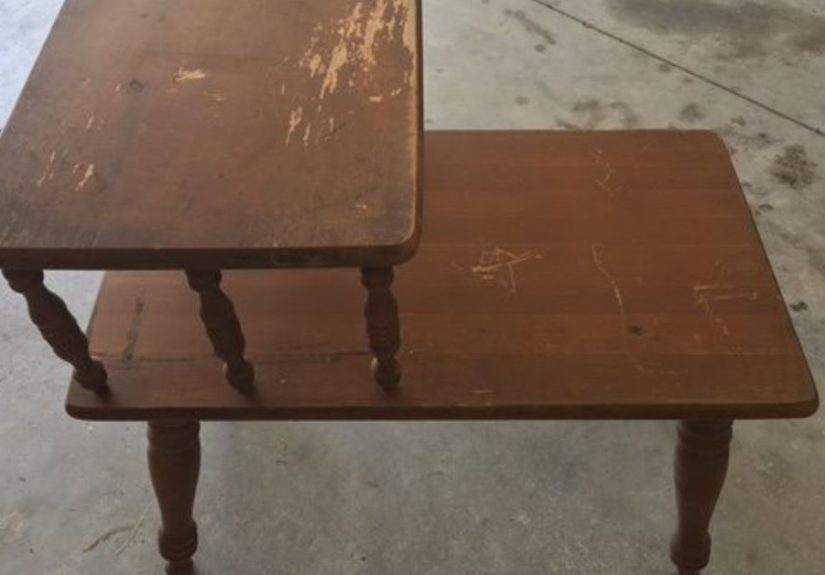
One of the most satisfying experiences is seeing how a small table changes the feeling of an entire corner. A neglected brown end table can become a soft black nightstand with brass hardware and a linen-shade lamp. A scratched thrift-store piece can become a cheerful painted accent next to a reading chair. A pair of dated tables can become matching living room anchors with stained tops, painted bases, and just enough vintage detail to keep them interesting.
Another practical experience: people notice updated vintage furniture. Guests may not comment on a brand-new table from a catalog, but they will ask about the little table you refinished yourself. There is a story built into it. You found it, saw potential, made choices, solved problems, and gave it another life. That story adds a layer of warmth to a room that cannot be delivered in a cardboard box.
Updating vintage end tables also builds confidence. Once you finish one small project, larger DIY furniture makeovers feel less intimidating. You learn how paint behaves, how wood absorbs stain, how hardware changes style, and how topcoat affects durability. You also learn which tools you actually use and which ones simply sit around looking professional.
Most importantly, the process teaches you to see potential. The next time you pass an old side table with scratched legs and dusty drawers, you may not see junk. You may see a future nightstand, a sofa companion, a plant stand, or the charming little table that finally makes an empty corner feel intentional. That is the magic of vintage furniture updates: they do not just change the piece. They change the way you look at what is possible.
Conclusion: Give the Little Table Its Comeback Moment
Vintage end tables may be small, but they can make a big design impact. With cleaning, smart prep, the right paint or stain, updated hardware, and thoughtful styling, an old table can become one of the most interesting pieces in your home. The best updates respect the table’s original character while giving it a finish that fits modern life.
Whether you prefer a dramatic black side table, a warm wood nightstand, a two-tone farmhouse look, or a colorful accent piece, the formula is the same: start with good bones, prepare the surface properly, choose finishes that match your space, and style the piece with function in mind. Do that, and your vintage end table will not just get an update. It will get applause. Possibly from you, alone in the garage, holding a paintbrush. Still counts.