Table of Contents >> Show >> Hide
- Why magnesium matters in a snack-friendly diet
- How to choose a better magnesium snack when life is hectic
- 16 magnesium-rich snacks to eat on the go
- 1. Roasted pumpkin seed packets
- 2. Chia pudding in a grab-and-go jar
- 3. Almond snack packs
- 4. Cashews for a softer, buttery crunch
- 5. Roasted peanuts with raisins
- 6. Banana with a peanut butter packet
- 7. Shredded wheat cereal to-go
- 8. Shelf-stable soy milk boxes
- 9. Black bean snack cup with avocado
- 10. Edamame snack cups
- 11. Yogurt topped with chia seeds
- 12. Instant oatmeal cup with banana slices
- 13. Whole-wheat toast or crackers with peanut butter
- 14. Brown rice and black bean mini bowl
- 15. Mini baked potato with the skin on
- 16. Salmon packet with whole-wheat bread or crackers
- Easy ways to get more magnesium from snacks without overthinking it
- What real-life experience with magnesium-rich snacking often looks like
- Conclusion
If your daily schedule has the personality of a runaway shopping cart, your snacks need to work a little harder. They cannot just be tasty. They need to be portable, satisfying, and actually helpful. That is where magnesium-rich snacks shine. This underrated mineral supports muscle and nerve function, energy production, bone health, and healthy blood sugar and blood pressure regulation. In other words, magnesium is doing a lot of backstage work while the spotlight usually goes to protein, fiber, and whatever ingredient is trending on social media this week.
Here is the catch: plenty of people still fall short on magnesium intake. The good news is that you do not need a dramatic wellness makeover or a cabinet full of powders with names that sound like sci-fi villains. You can get more magnesium from real foods that travel well: nuts, seeds, legumes, whole grains, yogurt, soy foods, fruit, and a few smart convenience options. Translation: your snack game can get more nutritious without becoming weird.
This guide rounds up 16 magnesium-rich snacks to eat on the go, with simple ideas, practical examples, and realistic portions. Magnesium amounts are approximate and can vary by brand and serving size, but these options are based on real food data and current nutrition guidance. The goal is not perfection. The goal is to stop getting ambushed by hunger at 3:17 p.m. and ending up in a committed relationship with vending machine crackers.
Why magnesium matters in a snack-friendly diet
Magnesium is one of those nutrients you rarely brag about at dinner, yet it shows up everywhere in the body. It helps hundreds of biochemical reactions, including processes related to muscle contraction, nerve signaling, bone structure, and energy metabolism. Adults generally need about 310 to 420 milligrams per day, depending on age and sex, so the little amounts you get from snacks can add up in a very useful way.
One more thing worth knowing: whole foods are your friend here. Magnesium naturally shows up in nuts, seeds, legumes, whole grains, dairy, soy foods, and leafy greens. That means the best magnesium-rich snacks often come bundled with fiber, healthy fats, or protein too. That combination can help keep you fuller between meals, which is exactly what a smart on-the-go snack should do.
How to choose a better magnesium snack when life is hectic
Before we get to the list, here is a simple rule: build snacks around at least one magnesium-rich food, then pair it with something that boosts staying power or convenience. Think seeds plus yogurt, beans plus whole grains, nuts plus fruit, or soy milk plus cereal. Also, keep an eye on added sugar, sodium, and portion size, especially with packaged foods. A good snack should help you, not leave you feeling like you accidentally ate dessert disguised as granola.
16 magnesium-rich snacks to eat on the go
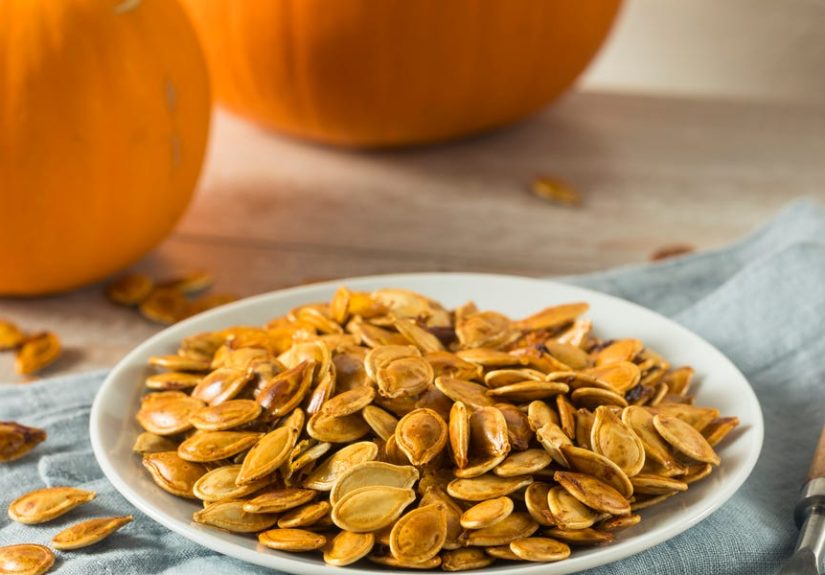
1. Roasted pumpkin seed packets
Pumpkin seeds are the magnesium MVP of snack time. A 1-ounce serving of roasted pumpkin seeds delivers about 156 milligrams of magnesium, which is a huge return for a tiny package. They are crunchy, savory, and easy to stash in a bag, desk drawer, or car console.
Choose unsalted or lightly salted versions when possible. Eat them straight from a portioned packet, or mix them with a few dried cherries for a sweet-salty combo that does not feel like punishment.
2. Chia pudding in a grab-and-go jar
Chia seeds bring serious nutrition in a very small package. One ounce provides about 111 milligrams of magnesium. Stir chia seeds into soy milk the night before, add cinnamon or berries, and you have a portable snack that feels suspiciously fancy for something that took two minutes to make.
This works especially well for busy mornings because the texture does all the work while you sleep. It is meal prep for people who do not want their fridge to look like a chemistry lab.
3. Almond snack packs
Dry-roasted almonds are a classic for a reason. One ounce offers about 80 milligrams of magnesium, along with protein, fiber, and healthy unsaturated fats. They are sturdy, travel-friendly, and far more dependable than whatever crumbly snack bar has been living in your bag since Tuesday.
Pre-portion them into small containers or buy single-serve packs. Pair them with a piece of fruit if you want something more filling without adding much effort.
4. Cashews for a softer, buttery crunch
Cashews are one of the easiest nuts to snack on when you want something rich and satisfying. A 1-ounce serving contains about 74 milligrams of magnesium. Their softer texture makes them a nice option if you want a break from super-crunchy nuts.
They also pair nicely with dried fruit or a small square of dark chocolate if you are aiming for a snack that feels a little more like a treat and a little less like nutritional homework.
5. Roasted peanuts with raisins
Oil-roasted peanuts provide about 63 milligrams of magnesium per quarter cup, and raisins add a little more. Together, they make a simple trail mix that travels beautifully and hits that sweet-salty balance most people crave when energy dips.
Skip the candy-heavy trail mix if you want this snack to stay balanced. A homemade version with peanuts, raisins, and maybe a spoonful of pumpkin seeds is cheaper and usually more satisfying anyway.
6. Banana with a peanut butter packet
This is the snack equivalent of a reliable friend who texts back immediately. A medium banana has about 32 milligrams of magnesium, and 2 tablespoons of peanut butter add about 49 milligrams, bringing the total to roughly 81 milligrams.
It is portable, filling, and widely available, which matters when you are stuck at an airport, in the car, or between classes and meetings. Keep a shelf-stable peanut butter packet in your bag and you are basically your own emergency snack service.
7. Shredded wheat cereal to-go
Do not underestimate plain cereal as a snack. Two large shredded wheat biscuits contain about 61 milligrams of magnesium, plus whole grains and fiber. It is crunchy, not overly sweet, and surprisingly practical when you need a fast desk snack.
Eat it dry like a grown-up trail mix, or pair it with shelf-stable milk or soy milk. It is not glamorous, but neither is being hangry at 10:45 a.m.
8. Shelf-stable soy milk boxes
Plain or vanilla soy milk provides about 61 milligrams of magnesium per cup, and the single-serve boxes are made for life on the move. They are especially useful if you want a snack that is more drinkable than chewable.
Soy milk also pairs well with cereal, overnight oats, or a banana. Choose unsweetened or lower-sugar options when you can, especially if your usual snacks already lean sweet.
9. Black bean snack cup with avocado
Cooked black beans provide about 60 milligrams of magnesium per half cup, and half a cup of avocado adds about 22 milligrams. Put them together in a small cup with lime juice, cilantro, or a pinch of cumin, and you have an unexpectedly great portable snack with about 82 milligrams of magnesium.
This is a smart savory option when you are tired of nuts. It also brings fiber and a creamy-crunchy texture if you throw in sliced bell peppers or whole-grain crackers.
10. Edamame snack cups
Shelled, cooked edamame delivers about 50 milligrams of magnesium per half cup. It is one of the best higher-protein plant snacks around, and it works hot or chilled. A sprinkle of sesame seeds, lemon, or chili flakes can make it taste much more exciting than its freezer-bag origin story suggests.
Pack it in a thermos or buy frozen microwaveable portions. This is one of those snacks that feels substantial enough to bridge a long gap between meals.
11. Yogurt topped with chia seeds
Plain low-fat yogurt gives you about 42 milligrams of magnesium per 8-ounce serving. Add an ounce of chia seeds and the total jumps to roughly 153 milligrams. That is a serious magnesium boost from a snack that still tastes normal and requires zero culinary charisma.
Top it with berries, cinnamon, or a few sliced strawberries. It is creamy, satisfying, and easy to prep in a jar before heading out the door.
12. Instant oatmeal cup with banana slices
One packet of instant oatmeal contains about 36 milligrams of magnesium, and a medium banana adds another 32 milligrams. Together, that is roughly 68 milligrams in a warm, comforting snack that feels more generous than a packet sounds.
This is perfect for offices, dorms, or travel days with access to hot water. Choose plain or lower-sugar oatmeal when possible, then add your own fruit or nuts so the flavor comes from food instead of a sugar ambush.
13. Whole-wheat toast or crackers with peanut butter
Two tablespoons of peanut butter offer about 49 milligrams of magnesium, and a slice of whole-wheat bread adds about 23 milligrams. That puts a simple peanut butter toast snack around 72 milligrams of magnesium before you even get creative.
If toast is not practical, use whole-grain crackers. The idea is simple: combine a magnesium-rich spread with a whole-grain base for a snack that is quick, balanced, and much more satisfying than plain crackers flying solo.
14. Brown rice and black bean mini bowl
Half a cup of cooked brown rice contains about 42 milligrams of magnesium, and half a cup of black beans adds 60 milligrams. That gives you about 102 milligrams in a compact snack bowl that can easily double as a light lunch if your day goes off the rails.
Season it with salsa, lime, or a spoonful of avocado. This is an especially good choice when you need something savory, budget-friendly, and more substantial than a handful of nuts.
15. Mini baked potato with the skin on
A baked potato with skin, about 3.5 ounces, provides roughly 43 milligrams of magnesium. That may not sound flashy, but potatoes are affordable, filling, and easy to prep ahead. Plus, they are far better at holding toppings than your average snack cracker.
Try a mini baked potato with a spoonful of yogurt, chopped herbs, or black beans. It is a smart on-the-go option if you have access to a microwave and want a warm snack that actually feels like food.
16. Salmon packet with whole-wheat bread or crackers
Three ounces of cooked salmon contains about 26 milligrams of magnesium, and one slice of whole-wheat bread adds about 23 milligrams. Together, that puts this simple combo near 49 milligrams, not counting any extra magnesium from whole-grain crackers or avocado if you add them.
Portable salmon packets are underrated. They are shelf-stable, protein-rich, and easy to turn into a quick snack or emergency mini meal. Basically, they are the grown-up cousin of the tuna pouch, but with slightly better PR.
Easy ways to get more magnesium from snacks without overthinking it
If you want to raise your magnesium intake naturally, repetition helps. Keep a few dependable foods in rotation instead of chasing a brand-new snack every week. Nuts and seeds are the easiest starting point. Beans and soy foods are excellent savory options. Whole grains can quietly contribute more than people realize, especially when you choose less refined versions. Yogurt and soy milk are useful because they fit into sweet snacks, savory snacks, and quick breakfasts.
It also helps to think in combinations. Pumpkin seeds on yogurt. Peanut butter with banana. Black beans with brown rice. Chia with soy milk. These pairings stack magnesium while also giving you protein, fiber, and flavor. A good snack should feel easy, not like you are building a spreadsheet with a spoon.
What real-life experience with magnesium-rich snacking often looks like
In real life, eating more magnesium-rich snacks usually does not begin with a dramatic speech or a perfect grocery haul. It begins with someone getting tired of feeling ravenous between meals, opening a pantry, and realizing the available options are three pretzels, a mystery granola bar, and hope. That is when magnesium-rich snacks start to make sense. They are not flashy, but they are practical. A small packet of pumpkin seeds or almonds is easy to carry, does not require a fridge, and can save a long afternoon from turning into a drive-thru situation.
For many people, the first noticeable change is not some movie-style transformation. It is simply feeling steadier. A snack with nuts, seeds, beans, yogurt, or whole grains tends to have more staying power than sugary snack foods that burn bright and disappear fast. Instead of the usual cycle of “I need something quick” followed by “why am I hungry again in 40 minutes,” these options often feel more grounded. That matters on commutes, road trips, school days, and workdays when lunch somehow happens at 2:47 p.m. for no good reason.
There is also a learning curve, and honestly, that part is kind of funny. The first time people pack chia pudding, they usually feel either very organized or mildly suspicious. The first time they buy roasted edamame, they often wonder whether they just became the sort of person who alphabetizes tea. But then the snack is actually good, hunger stays under control, and suddenly the whole thing feels much less dramatic. Magnesium-rich snacking becomes less about nutrition theory and more about convenience with benefits.
Another common experience is discovering that portable healthy snacks do not have to be boring. Almonds and bananas are the dependable classics, but black bean cups, salmon packets, soy milk boxes, and yogurt with chia can make the routine feel less repetitive. People often do better when they have both sweet and savory options ready to go. Some days call for peanut butter and banana. Other days clearly demand a salty, crunchy bag of pumpkin seeds because adulthood is a lot.
The biggest win, though, is usually consistency. When magnesium-rich snacks are visible, portioned, and easy to grab, people are far more likely to eat them. A jar of nuts hidden behind baking supplies has the same energy as an unread self-help book: technically helpful, practically invisible. But a snack basket by the door, a drawer at work, or a couple of shelf-stable options in a bag can make these foods part of everyday life. That is where habits actually change.
So if you are trying to eat better without turning your life into a food-prep documentary, start small. Pick two or three snacks from this list and keep them around consistently. Use the ones you genuinely enjoy. Ignore the snacks that sound noble but make you sad. The best magnesium-rich snacks are the ones you will actually eat on a busy Tuesday, in a car, at a desk, after the gym, or while sprinting from one obligation to the next. Healthy eating gets a lot easier when it is realistic, portable, and just tasty enough to keep you from thinking about vending machine cookies all afternoon.
Conclusion
Magnesium-rich snacks are one of the easiest ways to upgrade your diet without making your routine more complicated. Seeds, nuts, beans, whole grains, yogurt, soy foods, fruit, and a few smart convenience picks can all help you close the magnesium gap while keeping hunger in check. The trick is to choose portable options you actually like and keep them within reach. Because when your snack is convenient, balanced, and satisfying, healthy eating stops feeling like a project and starts feeling like common sense.