Table of Contents >> Show >> Hide
- Why Dark Bedrooms Work So Well
- 28 Dark Bedroom Ideas Worth Stealing
- 1. Color-drench the whole room
- 2. Choose charcoal when black feels too intense
- 3. Try midnight navy for a softer kind of drama
- 4. Use forest green for a grounded, cocooning feel
- 5. Give chocolate brown a comeback tour
- 6. Go aubergine or plum for unexpected glamour
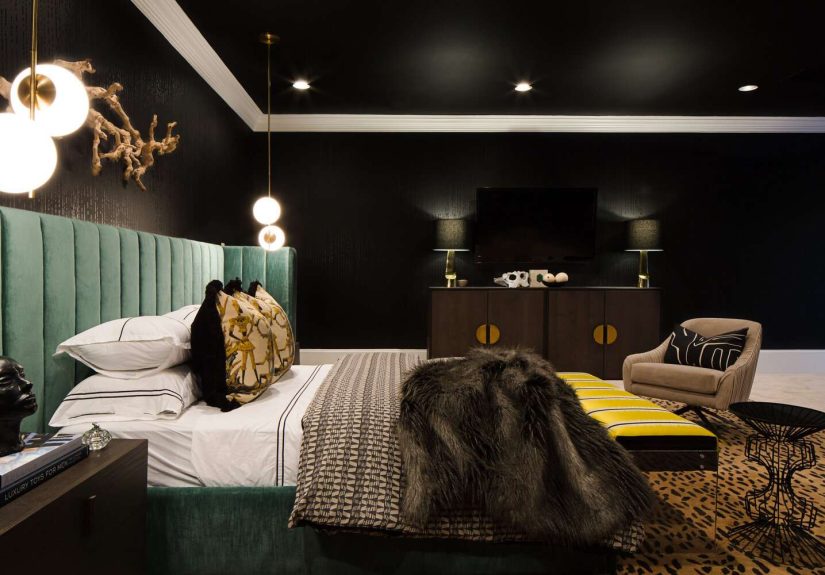
- 7. Pair dark walls with warm wood furniture
- 8. Add wallpaper when paint feels one-note
- 9. Paint the ceiling, not just the walls
- 10. Let crisp white bedding do the balancing act
- 11. Use linen to keep things relaxed
- 12. Bring in velvet for instant luxury
- 13. Choose a statement headboard
- 14. Layer your lighting like a grown-up
- 15. Add brass or bronze for warmth
- 16. Let artwork pop against the darkness
- 17. Ground the room with a substantial rug
- 18. Mix in plaster, limewash, or textured finishes
- 19. Try a dark academia twist
- 20. Hang curtains high and go a little heavier
- 21. Use low-profile furniture for a modern edge
- 22. Add mirrors, but do it strategically
- 23. Embrace moody maximalism
- 24. Build a tonal bedscape
- 25. Pair black with cream for timeless contrast
- 26. Use paneling or molding to add depth
- 27. Bring in natural elements so it still feels alive
- 28. Make a small bedroom feel intentional, not apologetic
- The Final Word on Going Dark
- What It Feels Like to Live With a Dark Bedroom
- SEO Tags
Note: Body-only HTML. Original content, ready for publishing.
If your idea of a dream bedroom looks less like a cloud and more like a moody boutique hotel with excellent taste, welcome. Dark bedrooms have officially moved beyond “bold choice” territory and into “why didn’t I do this sooner?” territory. Rich charcoal, inky navy, forest green, espresso brown, and even true black can make a bedroom feel cocooning, sophisticated, restful, and unapologetically stylish. In other words, dramatic without being exhausting. That is the magic trick.
The secret is that a dark bedroom is not just about paint. It is about atmosphere. The best spaces layer color, texture, lighting, fabric, and contrast so the room feels intentional rather than gloomy. Think soft linen against matte walls, brass sconces glowing at dusk, a walnut nightstand warming up a black backdrop, or a floral wallpaper that feels a little old-world and a little cinematic. It is less “haunted manor” and more “main character energy with good bedding.”
Why Dark Bedrooms Work So Well
Dark colors can blur hard edges, soften visual clutter, and make a bedroom feel more enveloping. That matters in a room designed for winding down. While light bedrooms often feel airy and open, dark bedrooms feel grounded and intimate. When done right, they do not shrink a room so much as make it feel deliberate. The eye stops wandering and starts relaxing.
That said, there is a difference between dramatic and dreary. The winning formula usually includes some combination of warm woods, layered lighting, tonal textiles, metallic accents, natural materials, and strategic contrast. So before you declare allegiance to black paint and start whispering “I was born for this,” here are 28 ideas that will help you pull it off beautifully.
28 Dark Bedroom Ideas Worth Stealing
1. Color-drench the whole room
Instead of stopping at the walls, take the same deep shade across the trim, doors, and even the ceiling. This color-drenched approach makes a room feel immersive, polished, and expensive in that suspiciously effortless way. It also removes visual breaks, which helps the entire space feel calmer and more cohesive.
2. Choose charcoal when black feels too intense
Black gets all the headlines, but charcoal often does the job with slightly less drama and slightly more forgiveness. It reads rich, moody, and modern while still playing nicely with cream, taupe, brass, oak, and gray-blue textiles. Consider it the cool older sibling of stark black.
3. Try midnight navy for a softer kind of drama
Navy gives you depth without the severity some people fear from black. It looks especially sharp with white bedding, cognac leather, and warm brass or bronze lighting. If you want a bedroom that feels sophisticated but not brooding, midnight blue is a very safe way to flirt with darkness.
4. Use forest green for a grounded, cocooning feel
Deep green is one of the easiest dark colors to live with because it feels natural and calming at the same time. Pair it with walnut furniture, ivory sheets, woven shades, or botanical artwork for a room that feels dramatic but still connected to nature. It is moody without trying too hard.
5. Give chocolate brown a comeback tour
Brown is back, and frankly, it deserves better PR. A rich cocoa or espresso shade can make a bedroom feel warm, plush, and quietly luxurious. It works beautifully with off-white upholstery, caramel leather, vintage rugs, and bronze accents. Think less 1970s basement, more tailored European retreat.
6. Go aubergine or plum for unexpected glamour
If charcoal and navy feel a little predictable, deep plum or aubergine can add a moody, jewel-toned richness. These colors flatter warm metals, velvet fabrics, and antique wood finishes. The result is romantic, layered, and just a little theatrical, which is excellent news for your bedroom and terrible news for boring design.
7. Pair dark walls with warm wood furniture
One of the easiest ways to keep a dark bedroom from feeling flat is to bring in natural wood. Walnut, oak, and even rustic reclaimed finishes add warmth and texture that deepen the room instead of lightening it. This contrast keeps the space grounded and livable rather than overly styled.
8. Add wallpaper when paint feels one-note
Dark wallpaper can deliver maximum mood with more movement than solid paint. Floral patterns, moody botanicals, subtle stripes, and textured grasscloth all add depth and personality. It is especially effective behind the bed, where it creates a natural focal point and makes the room feel layered from day one.
9. Paint the ceiling, not just the walls
A dark ceiling can make a bedroom feel intentionally enveloping, like the room is wrapping around you instead of floating above you. This works especially well in bedrooms with crown molding, paneling, or architectural detail. The ceiling stops being an afterthought and starts doing real design work.
10. Let crisp white bedding do the balancing act
If you love deep walls but do not want the room to feel visually heavy, white bedding is your best friend. It adds brightness exactly where you want it and creates that classic hotel-like contrast. The room still feels moody, but it also feels fresh, clean, and ready for actual sleep.
11. Use linen to keep things relaxed
Dark bedrooms can tip into “trying very hard” if every surface is shiny or dramatic. Linen bedding, relaxed curtains, and softly rumpled shams bring the mood down in the best possible way. The contrast between a dark envelope and casual textiles makes the room feel welcoming instead of precious.
12. Bring in velvet for instant luxury
Velvet and dark paint are a classic duo because both absorb light beautifully. A velvet headboard, bench, or throw pillow instantly makes the room feel more glamorous. Go tonal for a cocoon effect or choose a contrasting jewel tone for a look that says, “Yes, I do know what ambiance is.”
13. Choose a statement headboard
In a dark bedroom, the bed should not disappear into the walls like it is hiding from responsibilities. A tall upholstered headboard, cane silhouette, channel-tufted design, or wood frame adds shape and helps anchor the room. It gives the eye a destination and makes the whole setup feel finished.
14. Layer your lighting like a grown-up
Dark paint without good lighting is just bad planning. Use a mix of overhead lighting, bedside sconces or lamps, and soft accent light so the room works morning, night, and every weird 2 a.m. water break in between. Warm bulbs are especially important because they make deep colors look richer and friendlier.
15. Add brass or bronze for warmth
Metal finishes matter more in a dark room because they catch the eye so quickly. Brass and bronze are especially good choices because they add warmth and softness instead of cold contrast. A pair of sconces, drawer pulls, or a mirror frame can make the room feel elevated without adding clutter.
16. Let artwork pop against the darkness
Dark walls make art look museum-worthy. Large-scale black-and-white photography, vintage portraits, modern abstracts, or even a quirky gallery wall can stand out beautifully against inky paint. The trick is not to overcrowd the walls. Give each piece room to breathe so it feels curated, not chaotic.
17. Ground the room with a substantial rug
A rug is not just a soft landing for your feet. In a dark bedroom, it helps break up heavy tones and add another layer of texture. A faded Persian, a wool flatweave, or a patterned neutral rug can warm the space and keep it from looking like the floor forgot to get dressed.
18. Mix in plaster, limewash, or textured finishes
Flat dark paint can be beautiful, but textured walls add a level of depth that feels especially luxurious. Limewash, plaster effects, or a softly brushed finish create movement that changes throughout the day. The room feels moody and tactile instead of static, which is exactly what dramatic design should do.
19. Try a dark academia twist
If you love spaces that feel literary, layered, and a little mysterious, dark academia is a natural fit. Think plaid, florals, vintage wood furniture, books, dramatic drapery, and deep colors like green, oxblood, brown, and black. It is moody, nostalgic, and charmingly overeducated.
20. Hang curtains high and go a little heavier
Window treatments can make or break a dark bedroom. Mount curtains high to add height, and choose fabrics with real presence, such as linen blends, velvet, or blackout panels. They help frame the room, soften hard lines, and support that cozy, cocoon-like feeling dark bedrooms do so well.
21. Use low-profile furniture for a modern edge
Dark walls already add visual weight, so low-slung furniture keeps the room from feeling crowded. Midcentury-inspired beds, streamlined nightstands, and simple dressers let the wall color shine while keeping the overall silhouette clean. The result feels modern, calm, and undeniably cool.
22. Add mirrors, but do it strategically
A mirror can bounce light around a dark bedroom and keep the space from feeling too closed in. The key is restraint. One oversized mirror or a mirrored nightstand can be enough to add sparkle and openness without disrupting the moody tone you worked so hard to create.
23. Embrace moody maximalism
Minimalism is not the only path to elegance. Dark bedrooms can also support a fuller, richer look with layered patterns, collected art, saturated textiles, and sculptural lighting. The trick is to stay within a tight palette so the room feels intentional. More is more, but only when it knows what it is doing.
24. Build a tonal bedscape
One of the easiest ways to make a dark bedroom feel luxurious is to layer bedding in close shades of the same color family. Think charcoal, graphite, slate, and black, or olive, moss, and forest. Tonal layering looks refined, adds depth, and avoids the choppy feeling that too many random colors can create.
25. Pair black with cream for timeless contrast
If you want maximum drama with minimum confusion, black and cream is the formula. It is classic, high-contrast, and adaptable to almost any style, from modern farmhouse to art deco to minimalist. Add a little wood and a little metal, and you have a room that feels bold without feeling trendy.
26. Use paneling or molding to add depth
Dark paint looks even better when it has something interesting to cling to. Wall paneling, board and batten, picture-frame molding, or slatted wood details create shadows and dimension that make the room feel custom. Even a simple wall treatment can turn a plain bedroom into something far more architectural.
27. Bring in natural elements so it still feels alive
Dark does not have to mean cold. Woven baskets, branches in a vase, stone lamps, linen curtains, and leafy plants help soften the mood and keep the room from feeling too polished. These organic touches make the space feel human, which is ideal unless your design goal is glamorous vampire lair.
28. Make a small bedroom feel intentional, not apologetic
Small bedrooms do not need to pretend they are larger than they are. Dark paint can make a compact room feel like a jewel box instead of a compromise. Lean into the coziness with layered lighting, a strong bed, minimal clutter, and rich textures. Sometimes the smartest design move is to stop apologizing and start committing.
The Final Word on Going Dark
A dramatic bedroom works because it makes you feel something the second you walk in. Dark paint, rich materials, and intentional contrast can transform even a plain room into a retreat that feels stylish, restful, and memorable. The best part is that there is no single formula. Some dark bedrooms feel modern and clean, others feel romantic, rustic, glam, or academic. The common thread is confidence. Once you stop treating dark color like a risk and start treating it like a design tool, the room gets much better very quickly.
So no, your bedroom does not need to be pale to be peaceful. Sometimes the most relaxing room in the house is the one that leans fully into mood, depth, and a little well-earned drama.
What It Feels Like to Live With a Dark Bedroom
Living with a dark bedroom is a different experience from simply admiring one in photos. Pictures can show you the color, the styling, and the dramatic contrast, but they do not really capture the mood shift that happens once you start using the room every day. A well-designed dark bedroom changes how the room feels in the morning, at night, and even during those in-between hours when you just want to shut the door and breathe for a minute.
In the morning, a dark bedroom often feels surprisingly calm. The light comes in softer, the edges of the room feel gentler, and the space does not hit you with that bright, instant-alert energy some pale rooms create. If your schedule is hectic, this can be a gift. The room encourages a slower start. It feels less like a launch pad and more like a buffer between you and the noise of the day.
At night, this effect gets even better. Lamps glow more warmly against dark walls. White sheets look crisper. Wood furniture looks richer. Metallic details pick up just enough light to sparkle without shouting. The room starts to feel layered and cinematic, which sounds dramatic until you realize that yes, that is exactly the point. Dark bedrooms know how to work an evening shift.
There is also something emotionally reassuring about a dark room that is done well. It feels protective. Cozy is the obvious word, but that undersells it. A dark bedroom can feel focused. It removes visual noise. It makes everyday objects look more intentional. Even a stack of books, a sweater tossed over a bench, or a sleepy dog at the end of the bed somehow looks better framed by deep color. Very rude to every other room, honestly.
Another thing people notice is that dark bedrooms often make them edit more thoughtfully. Because the room already has presence, you do not need endless decor to make it interesting. One good lamp matters. One beautiful headboard matters. Better bedding matters. You become more selective, and that usually leads to a room that feels more personal and less cluttered. It is not about having less for the sake of minimalism. It is about choosing things that earn their spot.
Of course, the experience depends on balance. A dark bedroom with bad lighting, flat textures, and no contrast can feel heavy. A dark bedroom with warm bulbs, layered fabric, and a few pieces that catch the light feels rich and restorative. That is the difference between a room that looks good for five minutes and one that feels good for five years.
For many people, that is the real appeal. A dark bedroom feels like permission to make the most private room in the house more expressive. It does not have to be all beige, all safe, or all barely-there. It can have personality. It can feel intimate. It can be elegant, masculine, feminine, classic, modern, or a mix of all of the above. Done right, it becomes the kind of room you look forward to returning to at the end of the day, which is probably the best review a bedroom can get.