Table of Contents >> Show >> Hide
- Why a 3 Porcelain Mixing Bowls Set Makes Sense
- What Porcelain Brings to the Table
- What to Look for Before You Buy
- Porcelain vs. Other Mixing Bowl Materials
- Best Uses for a 3 Porcelain Mixing Bowls Set
- Things Buyers Sometimes Overlook
- Who Should Buy a 3 Porcelain Mixing Bowls Set?
- Final Thoughts
- Experiences With a 3 Porcelain Mixing Bowls Set
- SEO Tags
If your kitchen cabinets are a chaotic blend of lonely salad bowls, one suspicious plastic tub, and that single stainless-steel bowl you guard like treasure, it may be time for an upgrade. A 3 porcelain mixing bowls set is one of those deceptively simple kitchen buys that ends up doing a lot more work than expected. These bowls can handle batter, chopped vegetables, dough prep, marinating, serving, and even that dramatic moment when you place something on the table and silently wait for compliments.
Porcelain mixing bowls hit a sweet spot between function and style. They look polished enough for the table, yet they are practical enough for daily cooking. Many modern sets are designed to nest neatly, clean up easily, and move from prep to serving without making your kitchen feel like a dish warehouse. In other words, they are not just pretty faces. They are the multitaskers of the cookware world.
This guide breaks down what makes a porcelain mixing bowl set worth buying, how a three-piece set can simplify meal prep, which features matter most, and what kind of experience you can actually expect once the bowls are living in your cabinet instead of posing beautifully on a product page.
Why a 3 Porcelain Mixing Bowls Set Makes Sense
Three-piece bowl sets are popular for a reason: they match the way most home cooks actually work. One bowl is almost never enough, and five can be overkill unless you run your kitchen like a competitive baking show. Three is the just-right number for everyday life.
A small bowl for prep
The smallest bowl usually becomes your prep assistant. It holds chopped herbs, measured sugar, shredded cheese, beaten eggs, or a quick sauce. It is the bowl you reach for when you want to stay organized but do not want to dirty half the kitchen.
A medium bowl for mixing and tossing
The medium bowl is the workhorse. It is great for pancake batter, brownie mix, pasta salad, slaw, marinades, and cookie dough that does not require industrial-strength arm power. For many households, this is the bowl that sees the most action.
A large bowl for big jobs
The large bowl is where things get serious. Think cake batter, bread dough, popcorn for movie night, salad for a group, or potatoes waiting to become mashed. A good large porcelain bowl feels substantial without being clunky, and it should still be comfortable enough to hold while stirring.
Together, the three sizes cover most daily prep and serving needs. That means fewer mismatched bowls, better cabinet organization, and a much lower chance of balancing ingredients in containers that were never meant for the job in the first place.
What Porcelain Brings to the Table
Porcelain belongs to the broader ceramic family, but it usually carries a cleaner, more refined look than rustic stoneware. A good porcelain mixing bowl set often feels smooth, dense, and polished. It is the kind of kitchenware that can sit on open shelving without making your kitchen look like a college apartment in recovery.
It looks more expensive than it usually is
One of the biggest selling points of porcelain is visual appeal. White porcelain bowls are classic, minimal, and easy to pair with almost any dinnerware. Patterned or colored porcelain sets can also add personality without going full “my kitchen is now a theme park.” Whether your style is modern, farmhouse, coastal, or somewhere between “neat enough” and “help,” porcelain usually blends in beautifully.
It works for prep and presentation
Porcelain mixing bowls are not trapped in the prep zone. That matters. You can whisk vinaigrette in one, toss a salad in another, and serve roasted vegetables in the largest bowl without swapping dishes. This prep-to-table flexibility saves time, reduces cleanup, and makes dinner feel a little more put together.
It is usually easy to clean
Many porcelain and other high-fired ceramic bowls have glazed, nonporous surfaces, which helps them resist odors, stains, and residue better than some lower-quality materials. That glossy finish is not just for looks. It makes cleanup easier after messy jobs like tomato sauce, cake batter, garlic-heavy marinades, or yogurt-based dressings.
It feels stable on the counter
Unlike lightweight plastic bowls that can scoot around when you stir with enthusiasm, porcelain bowls tend to stay put because of their weight. That extra stability can make mixing more comfortable, especially when whisking, folding, or tossing heavier ingredients.
What to Look for Before You Buy
Not every porcelain bowl set is equally useful. Some are beautiful but too shallow. Some are practical but uninspiring. The best sets balance size, shape, comfort, and durability.
1. True size variety
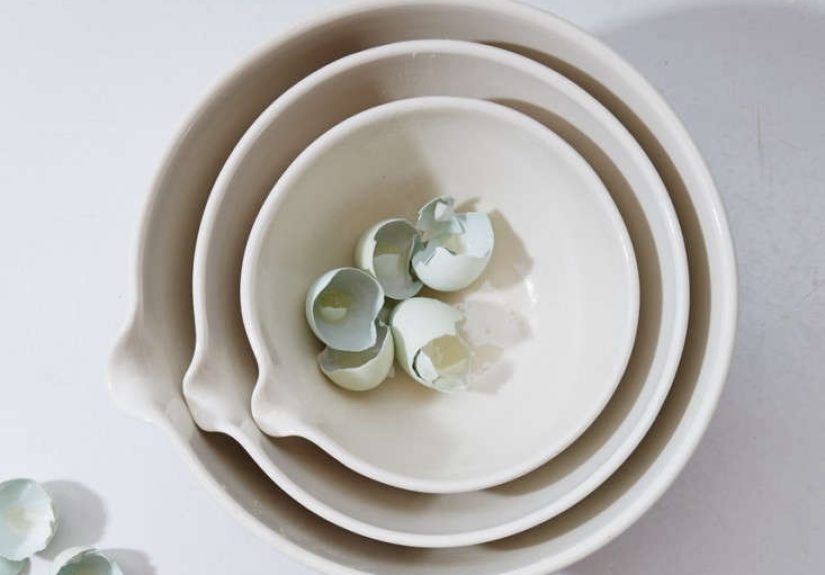
A good 3 porcelain mixing bowls set should include clearly different capacities. If the bowls are all basically the same size with minor differences, you will end up using one and ignoring the others. Look for a small, medium, and large capacity that genuinely support different tasks. Many three-piece sets on the market cluster around a small bowl for prep, a mid-size bowl for general mixing, and a large bowl around the two- to three-quart range for bigger kitchen jobs.
2. Nesting design
Nesting matters more than people admit. Bowls that stack neatly save cabinet space and reduce clutter. This is especially helpful in small kitchens where every shelf is already fighting for its life. A well-designed nesting set should fit together securely without scraping excessively or wobbling like a bad Jenga tower.
3. Depth and shape
Shape affects usability. A bowl that is too wide and shallow may look nice but can cause splatter while mixing. A bowl with enough depth gives you room to whisk, toss, and fold without repainting your countertop in batter. Rounded interiors also help when scraping with a spatula because ingredients do not hide in awkward corners.
4. Comfortable rim or grip
Some bowl sets include a slightly flared rim, side handles, or sculpted sides that make lifting easier. This can be a small detail with a big impact, especially when the large bowl is full of salad, dough, or potatoes. Beautiful is nice; beautiful and easy to hold is better.
5. Care compatibility
Dishwasher-safe and microwave-safe are the features most buyers want. Oven-safe or freezer-safe can be a bonus, but these vary by brand and glaze. Always check the specific product instructions. Porcelain may be versatile, but it is not a mind reader, and assuming every bowl can survive every temperature jump is a risky hobby.
Porcelain vs. Other Mixing Bowl Materials
Every material has fans, and honestly, they all make some good points. The best bowl material depends on how you cook, how much storage you have, and whether you value durability, appearance, or convenience most.
Porcelain vs. stainless steel
Stainless steel is lightweight, hard to break, and ideal for vigorous mixing. It is a favorite in professional kitchens for a reason. But it is not always the prettiest option for serving, and it cannot go in the microwave. Porcelain wins on presentation and often feels more elevated for casual entertaining.
Porcelain vs. glass
Glass bowls are great for seeing what is happening in the bowl, which bakers love. They also tend to be microwave-safe and simple to clean. But glass can feel slippery, and some sets are heavier than expected. Porcelain offers similar visual appeal with a softer, warmer look on the table.
Porcelain vs. plastic
Plastic bowls are light, affordable, and family-friendly, especially when kids are helping in the kitchen. But they can stain, scratch, and hang on to odors over time. Porcelain generally feels more durable, more polished, and more suitable for both prep and serving.
Porcelain vs. stoneware
Stoneware has a cozy, handmade charm and usually shares many practical benefits with porcelain. The difference often comes down to appearance, thickness, and style. Porcelain tends to look sleeker and more refined, while stoneware often leans rustic and heavier. Neither is automatically better; it depends on your kitchen personality.
Best Uses for a 3 Porcelain Mixing Bowls Set
The magic of a three-piece set is not just that you own three bowls. It is that the sizes naturally support a smarter cooking flow.
- Baking: one bowl for dry ingredients, one for wet ingredients, one for finished batter.
- Meal prep: chopped onions in the small bowl, seasoned protein in the medium bowl, greens or vegetables in the large bowl.
- Serving: fruit, salad, pasta, popcorn, side dishes, or snacks for guests.
- Marinating: porcelain bowls are handy for short marinating sessions before cooking or grilling.
- Leftover staging: surprisingly useful when you are cleaning out the fridge and turning random ingredients into a real dinner.
For many home cooks, a porcelain bowl set quietly becomes part of the daily rhythm. It is the kind of purchase that does not seem dramatic until you notice you are using it every single day.
Things Buyers Sometimes Overlook
Let us save future-you from mild kitchen disappointment.
Weight
Porcelain bowls are sturdier than plastic, but that also means they are heavier. This is often a good thing on the counter, but it may matter if you prefer ultra-light bowls or have limited hand strength.
Chipping risk
Even durable porcelain is still breakable. If a bowl slips onto tile or bangs into a hard sink edge, it can chip. That is not a flaw unique to porcelain; it is simply the reality of ceramic materials. If your kitchen is high-traffic and high-chaos, consider how often your dishes survive accidental drops.
Storage height
Nesting is helpful, but larger bowls can still be tall enough to compete with shelf clearance. Measure your cabinet before buying if space is tight. Your future cabinet doors will thank you.
Who Should Buy a 3 Porcelain Mixing Bowls Set?
This kind of set makes a lot of sense for apartment dwellers, casual bakers, wedding registries, first kitchens, and anyone trying to replace a drawerful of random bowls with something more intentional. It is also a smart gift because it is practical, attractive, and useful across many cooking styles.
If you love cookware that earns its keep and still looks good on the table, porcelain is a strong choice. If you prioritize extreme ruggedness above all else, stainless steel may be a better fit. But for people who want bowls that can prep, serve, stack, and clean up without drama, porcelain is hard to argue with.
Final Thoughts
A 3 porcelain mixing bowls set is one of those kitchen upgrades that feels modest but delivers daily value. It helps organize prep, reduces clutter, moves easily from counter to table, and adds a polished look without demanding high-maintenance treatment. The best sets combine smart sizing, comfortable handling, easy-clean glazed surfaces, and a nesting design that respects your storage space.
In plain English: these bowls are useful, attractive, and far more versatile than they first appear. They can help your kitchen look tidier, your prep feel smoother, and your dinner table look like you tried a little harder than you actually did. That is a pretty solid return for three bowls.
Experiences With a 3 Porcelain Mixing Bowls Set
Using a three-piece porcelain mixing bowl set over time feels less like owning a fancy kitchen accessory and more like finally hiring competent assistants. At first, you buy the set because it looks clean and classic. Then, about a week later, you realize you have reached for the medium bowl four times in one day and the large bowl is suddenly your default salad bowl. That is usually how the relationship begins.
One of the most noticeable experiences is how organized meal prep feels. Instead of piling chopped peppers beside onions on one cutting board and pretending that counts as a system, the bowls create actual order. The small bowl becomes the landing place for garlic, herbs, lemon wedges, or measured spices. The medium bowl handles whisked eggs, pancake batter, or pasta ingredients. The large bowl takes on bigger jobs like tossing a chopped salad or mixing meatballs without ingredients flying over the sides like confetti.
Baking is where many people really start to appreciate porcelain bowls. The weight makes the bowl feel stable on the counter, which is helpful when whisking aggressively or folding thick batter. A porcelain bowl does not usually slide around the way lighter plastic can. It also feels satisfying in a way that is hard to explain unless you cook often: the spoon taps the side with a solid little sound, the batter gathers cleanly on the glazed surface, and the bowl looks nice enough that you do not mind leaving it out for a minute while the oven preheats.
Then there is the serving experience. This is where porcelain quietly shows off. You can mix cookie dough in the bowl, wash it, and use the same set later that day for salad, pasta, fruit, or popcorn when friends come over. Suddenly your prep bowls are also your serving bowls, and your table looks more coordinated without you making a huge effort. That is the beauty of porcelain: it can do practical kitchen work and still look dinner-party appropriate.
Of course, the experience is not magical in every single way. Porcelain bowls are heavier than plastic, and you definitely notice that when unloading the dishwasher or pulling the large bowl from a high cabinet shelf. They also require a little common sense. If you knock one hard against the sink or drop it on tile, the bowl may chip, and that will ruin your mood faster than burned garlic. But if you treat them like real kitchenware instead of juggling props, they usually hold up well for everyday use.
Another surprisingly pleasant part of the experience is cleanup. Glazed porcelain tends to rinse nicely, and sticky things like cake batter, yogurt sauce, or shredded cheese residue do not cling as stubbornly as they can in scratched plastic bowls. That makes the bowls feel fresher over time, which matters when you are using them constantly. And because the bowls nest, putting them away does not feel like playing cabinet Tetris.
In real life, a 3 porcelain mixing bowls set earns its keep through repetition. It becomes the set you trust for weekday prep, weekend baking, quick serving, and last-minute entertaining. It does not scream for attention, but it keeps showing up at the right moment, which is honestly what most great kitchen tools do.