Table of Contents >> Show >> Hide
- Why Braces Sometimes Seem More Obvious Than They Really Are
- 1. Choose a Braces Setup That Blends In Better
- 2. Keep Your Braces and Teeth Exceptionally Clean
- 3. Use Everyday Presentation Tricks That Reduce Visual Contrast
- What Usually Does Not Help
- The Best Mindset for Looking Better in Braces
- Experience Section: What It Actually Feels Like to Try to Make Braces Less Noticeable
- Conclusion
Getting braces is one of those life moments that can feel dramatically bigger in your own head than it looks to everyone else. To you, the brackets may seem like they arrived with a marching band and a spotlight. To most people, they register more like, “Oh, braces. Cool.” Still, it’s completely normal to want a more subtle look while your teeth are moving into place.
The good news is that making braces look less noticeable usually has less to do with hiding your smile and more to do with making smart choices. The right appliance, cleaner brackets, and a few practical styling habits can make a surprising difference. You do not need to spend two years smiling like you’re keeping a state secret.
This guide breaks down three realistic ways to make braces look less noticeable, plus the everyday experiences that go with them. Whether you’re about to get braces, already have them, or are trying to figure out why your “clear” bands stopped looking clear after one spaghetti dinner, this article will help you make sense of the options.
Why Braces Sometimes Seem More Obvious Than They Really Are
Before getting into the three strategies, it helps to know what makes braces stand out in the first place. Usually, it is not the treatment itself. It is contrast. Shiny metal against enamel creates contrast. Stained elastic ties create contrast. Food caught around brackets creates contrast. Dry lips, poor lighting in photos, and neglected oral hygiene can make the whole setup look busier than it really is.
That means the goal is not to “hide” your braces at all costs. The goal is to reduce visual contrast and keep everything looking neat, intentional, and clean. Once you understand that, the solutions become much more practical.
1. Choose a Braces Setup That Blends In Better
If you have not started treatment yet, or if you are early enough in the process to ask about options, the most effective way to make braces less noticeable is to start with a lower-visibility setup. This is the big move. Everything else is a supporting actor.
Ceramic Braces Are the Classic “Less Noticeable” Upgrade
Ceramic braces are similar to traditional braces, but the brackets are tooth-colored or clear instead of shiny metal. That means they blend in much more naturally with your enamel, especially from a conversational distance. Up close, people may still notice them, but they tend to look softer and less flashy.
This option is especially popular with teens and adults who want fixed braces without the full silver-screen sparkle of metal brackets. If your main concern is appearance, ceramic braces are often the most straightforward answer because they still function like braces while dialing down the visual volume.
There is one catch: the “clear” look is only impressive when it stays clean. Ceramic brackets and their elastic ties can discolor more easily than metal parts, so they reward people who brush well and keep staining foods in check. In other words, ceramic braces are a bit like white sneakers. They look fantastic, but they do appreciate a little maintenance.
Lingual Braces Are the Stealth Mode Option
If you want the most discreet fixed-braces look possible, ask whether lingual braces are appropriate for your case. These braces attach behind the teeth instead of in front, which makes them hard to see from the outside. For many people, they are the closest thing to “invisible braces” while still being true braces.
That said, lingual braces are not for everyone. They can be more expensive, may require a more customized setup, and can take an adjustment period because they sit near the tongue. Some people also notice temporary speech changes at first. But if your top priority is minimizing visibility and your orthodontist says you are a good candidate, lingual braces deserve a serious look.
Ask About the Small Details, Too
Sometimes the difference between “pretty subtle” and “surprisingly obvious” comes down to the little parts. Ask your orthodontist about the brackets, ties, and wires used in your treatment. Tooth-colored or less reflective components may help the overall look feel softer. Even if you stay with traditional braces, your orthodontist may be able to recommend a setup that feels less visually loud.
This is also where it pays to ask practical questions instead of just aesthetic ones. Which materials stain most easily? Which elastic ties tend to discolor faster? Which options are easiest to keep looking clean between appointments? The best cosmetic choice is the one you can realistically maintain in daily life.
2. Keep Your Braces and Teeth Exceptionally Clean
If the first strategy is about choosing the right hardware, the second is about not sabotaging it. Even subtle braces become more noticeable when plaque builds up, elastic ties stain, or teeth start looking dull around the brackets. Clean braces nearly always look better than neglected ones, regardless of the type.
Stains Make Braces Stand Out Fast
One of the biggest reasons braces become more obvious over time is staining. Clear or tooth-colored ties can pick up pigment from coffee, tea, curry, tomato sauce, berries, dark sodas, and other deeply colored foods and drinks. The result is not dramatic in the tragic Shakespearean sense, but it is annoying. What started as a nearly invisible detail can slowly turn into a slightly yellow or dull-looking frame around your teeth.
You do not need to live on plain yogurt and water until your braces come off. But it helps to be strategic. Rinse your mouth with water after highly pigmented foods. Brush when you can. Use a straw for certain drinks when appropriate. And if you know you are wearing clear or ceramic components, treat that first cup of coffee like a tiny style decision, not a random event.
Your Daily Routine Matters More Than Any Trick
The most effective everyday habit is a simple one: keep your teeth, brackets, and gumline clean enough that nothing extra draws attention. Brush thoroughly with fluoride toothpaste, especially around the brackets and near the gums. Clean between teeth once a day with floss, floss threaders, interdental brushes, or a water flosser if that makes the job easier. Orthodontic appliances create more places for plaque and food particles to hang out, so ordinary brushing can miss what braces love to collect.
A good routine does more than make braces look neater. It also helps prevent the chalky white marks that can sometimes appear around brackets when enamel loses minerals during treatment. Those spots can be more noticeable than the braces themselves, which is a cruel little twist no one asked for. Clean braces are not just prettier; they are protective.
- Brush after meals when possible, or at least rinse well with water.
- Use a soft-bristled brush and take your time around each bracket.
- Clean between teeth daily with floss, threaders, or a water flosser.
- Keep regular dental cleanings and orthodontic check-ins.
- Carry a small mirror or travel kit for quick post-lunch damage control.
Think “Bright and Healthy,” Not “Perfectly Hidden”
Many people chase the idea of making braces disappear, when the better approach is making their whole smile look healthy and fresh. Clean teeth, healthy gums, hydrated lips, and a tidy appliance create a polished look. That matters more than trying to erase every sign that you are in orthodontic treatment.
In fact, when braces are clean, they often read as deliberate and well-managed rather than awkward. That shift is powerful. You stop looking like someone who is “stuck with braces” and start looking like someone who is taking care of their smile on purpose.
3. Use Everyday Presentation Tricks That Reduce Visual Contrast
The third method is subtle but effective: manage the little everyday details that make braces pop in photos, conversations, and close-up moments. This is not about being fake. It is about understanding what draws the eye and making that work in your favor.
Keep Lips and Surrounding Skin Looking Fresh
Dry, flaky lips can make the mouth area look harsher and more textured, which in turn can make braces seem more prominent. A simple lip balm does a lot of work here. Healthy-looking lips create a smoother frame around the teeth, which softens the overall look.
If you wear makeup, you do not need a complicated braces strategy. The easiest rule is to choose whatever makes you feel polished and comfortable. Many people find that balanced, natural-looking makeup makes the smile look intentional rather than something they need to hide. The key is confidence, not camouflage.
Check for the Tiny Things Before Photos or Meetings
Braces become most noticeable when something is stuck in them, when the elastic ties are visibly stained, or when you are speaking with your mouth half-covered because you feel self-conscious. Before a photo, video call, date, school presentation, or job interview, do a 20-second check. Look for food, rinse with water, smooth your lips, and smile normally.
That quick reset matters because what people notice most is usually not the braces. It is whether you seem comfortable. A relaxed smile almost always looks better than a tense one, even if the brackets are technically visible.
Ask for Band and Material Advice at Every Appointment
Your orthodontist sees braces all day, every day. Use that expertise. If something looked especially noticeable between visits, say so. If your ties stained quickly, mention it. If you liked a previous setup better than your current one, bring that up. Orthodontic treatment is medical, but the visual side of it is still part of your experience, and it is perfectly reasonable to discuss it.
In many cases, the best improvements come from these little check-ins. You are not being vain. You are being practical. The more your treatment fits your daily life, the easier it is to stay consistent with it.
What Usually Does Not Help
Some people go looking for shortcuts and end up with advice that sounds clever but is mostly nonsense. Trying to whiten around brackets on your own, scrubbing too hard, skipping meals before social events, or constantly hiding your smile does not actually make braces less noticeable in a useful way. It just makes treatment more frustrating.
There is also no magical color, hack, or viral trend that makes every braces setup disappear. The most reliable results come from choosing lower-visibility materials when possible, keeping everything very clean, and making small presentation choices that reduce contrast.
The Best Mindset for Looking Better in Braces
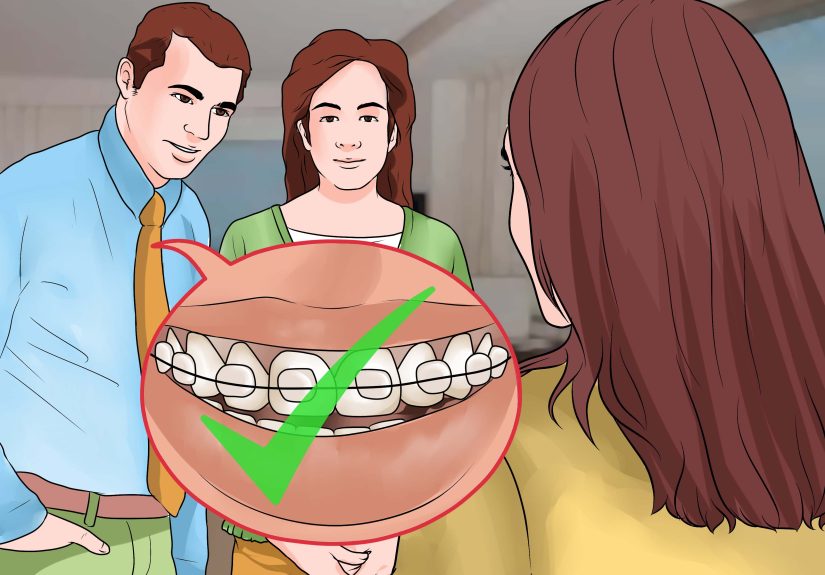
Here is the truth most people learn halfway through treatment: braces become less noticeable when you stop acting like they are the headline. That does not mean your concerns are silly. It means comfort changes perception. Once you stop smiling like you are apologizing for existing, most of the awkwardness disappears.
People are generally much less focused on your braces than you think. They notice your expressions, your confidence, your laughter, and whether there is spinach wedged in your brackets after lunch. The first three are manageable, and the spinach problem is exactly why travel flossers were invented.
Experience Section: What It Actually Feels Like to Try to Make Braces Less Noticeable
The real experience of wearing braces is usually a mix of practical problem-solving and realizing your fears were slightly overdramatic. The first few days can feel huge. You may become hyperaware of every bracket, every reflection, and every time you open your mouth to talk. Many people instinctively smile smaller at first, cover their mouth when laughing, or practice “normal smiling” in a mirror like they are preparing for a toothpaste commercial. That stage is common, and it usually fades faster than expected.
One of the biggest shifts happens when people find the setup that works for their lifestyle. Someone with ceramic braces often says they felt relieved immediately because the brackets blended in more than they imagined. Another person may discover that clean metal braces actually look better than stained “clear” ties and decide simplicity wins. Someone else may realize that the appearance issue mattered most at the beginning, then became background noise once school, work, sports, and social life took over again.
Daily life teaches you what really matters. Coffee drinkers learn fast that “just one cup” can turn into mysterious discoloration. Pasta lovers discover that tomato sauce has opinions. People who keep a toothbrush, proxy brush, or floss pick in a bag or locker often feel more in control because they can handle food debris quickly instead of worrying for hours. That little bit of preparation can make braces feel far less noticeable because you are not spending the whole day wondering whether lunch is still hanging on for dear life.
Photos are another interesting part of the experience. At first, many people think braces will ruin every picture. Then they see a few photos where they are genuinely laughing, and the braces barely register. What stands out more is expression. A relaxed face, good posture, and a natural smile usually do more for appearance than any tiny trick. The same goes for video calls. Most people find that once they stop staring at their own mouth on-screen, braces become one of the least interesting things in the frame.
Socially, the fear is often worse than the reality. Friends tend to ask a couple of questions, maybe make one harmless joke, and move on. Coworkers notice for about five seconds. Family members often become more invested in whether you are eating enough soft foods after adjustments than in how noticeable your braces are. The people who care about you usually care far more about whether treatment is going well than whether your smile looks perfectly subtle every minute of the day.
Over time, many braces wearers end up with a surprisingly healthy perspective: making braces less noticeable is nice, but making them feel normal is even better. That is where confidence sneaks in. You keep your appointments, clean your teeth well, learn what foods stain your ties, and figure out your own little routine. Eventually, braces stop feeling like a spotlight and start feeling like a temporary tool. And once that happens, they often look less noticeable too.
Conclusion
If you want braces to look less noticeable, start with the things that create the biggest visual difference. Choose a lower-visibility setup when possible, keep your braces and teeth very clean, and use simple everyday habits that reduce contrast instead of trying to hide your smile. Those three strategies work because they are realistic. They fit real life, not fantasy life.
The best part is that none of this requires you to be embarrassed about orthodontic treatment. Braces are not a fashion emergency. They are a temporary step toward a healthier, straighter smile. When they are clean, thoughtfully chosen, and worn with confidence, they stop looking like the main event. They just look like part of the process.