Table of Contents >> Show >> Hide
- So, Which Dungeons & Dragons Race Are You?
- D&D Race vs. Baldur’s Gate 3 Race: What’s the Difference?
- The D&D Race Personality Guide
- Human: The Adaptable Main Character
- Elf: The Elegant Overthinker
- Drow: The Stylish Rebel With Complicated Lore
- Dwarf: The Loyal Survivor
- Halfling: The Lucky Chaos Manager
- Gnome: The Tiny Genius With Dangerous Ideas
- Tiefling: The Charismatic Outsider
- Dragonborn: The Big Speech Before the Big Fight
- Half-Orc: The Fierce Heart
- Githyanki: The Space Warrior With Main-Quest Energy
- Half-Elf: The Social Bridge
- Quick D&D Race Quiz: Pick Your Fantasy Vibe
- Best Baldur’s Gate 3 Race Choices by Playstyle
- How to Choose the Right D&D Race for Your Character
- Personal Experiences: What “Which Dungeons & Dragons Race Are You?” Really Means
- Conclusion: Your D&D Race Is Your Story Spark
Choosing your Dungeons & Dragons race is a little like choosing your coffee order, your Hogwarts house, and your emergency snack all at once. It says something about how you like to move through a fantasy world. Do you want to stroll into a tavern with noble confidence, mysterious glowing eyes, and a suspiciously dramatic cloak? Elf energy. Do you want to solve every problem with grit, loyalty, and possibly a hammer? Hello, dwarf. Do you prefer chaos, cleverness, and the ability to make a Dungeon Master sigh lovingly into their notes? That sounds like halfling, gnome, or tiefling territory.
In modern Dungeons & Dragons, especially with the 2024 Player’s Handbook, the official term has shifted from “race” to “species.” That change better reflects the fantasy idea that elves, dwarves, humans, dragonborn, tieflings, and others are distinct peoples rather than real-world racial categories. Still, many players search for “D&D race quiz,” “what DnD race am I,” or “which Dungeons & Dragons race are you,” so this guide uses both terms naturally while keeping the meaning focused on fantasy character creation.
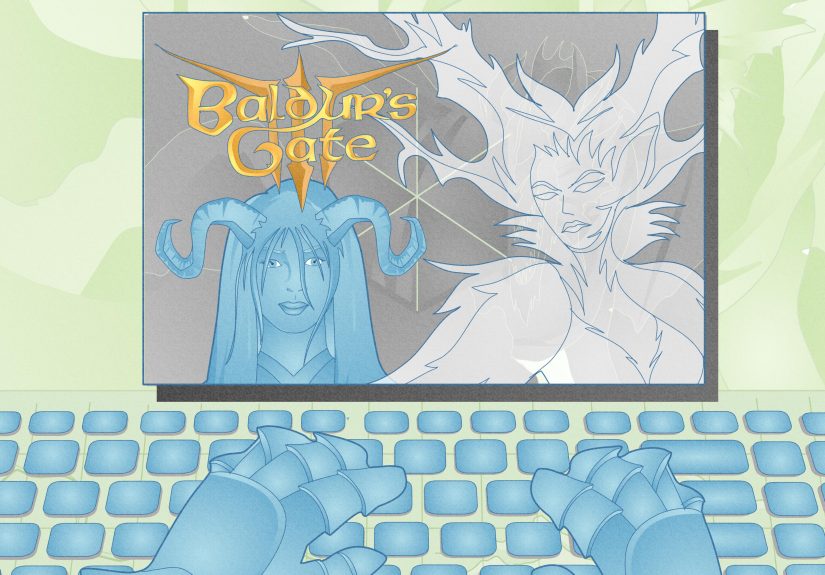
And yes, we are absolutely bringing Baldur’s Gate 3 into the party. Larian Studios’ hit RPG made millions of players ask the same question before even reaching the beach: “Do I want to be beautiful, intimidating, tiny, horned, green, scaly, or all of the above?” Your race in BG3 influences not only appearance, but also racial features, dialogue options, proficiencies, movement, roleplay flavor, and how certain NPCs react to you. In other words, your choice is not just cosmetic. It is your fantasy personality wearing boots.
So, Which Dungeons & Dragons Race Are You?
The best D&D race for you is not always the one with the strongest build. Optimization is fun, but personality matters. A player who wants to investigate ancient ruins, speak politely to suspicious ghosts, and collect lore like a dragon collects shiny tax documents may feel at home as an elf or gnome. A player who loves bold entrances, big speeches, and heroic choices may lean toward dragonborn, human, aasimar, or half-elf. Someone who prefers surviving disaster through stubbornness, snacks, and sarcasm might be a dwarf or halfling before the dice even hit the table.
This article works like a personality-based DnD race guide, with a Baldur’s Gate 3 twist. Instead of giving you a stiff quiz that asks whether you prefer forests or mountains and then locks you into “wood elf” like a fantasy career counselor, we will explore the major race archetypes, their strengths, their roleplay style, and the kind of player who usually loves them.
D&D Race vs. Baldur’s Gate 3 Race: What’s the Difference?
Tabletop D&D and Baldur’s Gate 3 are close cousins, but they are not identical twins. In D&D 5e, your species choice gives you fantasy traits such as darkvision, movement speed, special resistances, innate magic, or unusual physical features. In the 2024 rules, ability score increases are tied more strongly to background than species, giving players more freedom to make unusual builds without feeling punished.
Baldur’s Gate 3, based heavily on 5e, uses its own adapted system. The game includes 11 playable races: human, elf, drow, half-elf, half-orc, halfling, dwarf, gnome, tiefling, githyanki, and dragonborn. Many include subraces, such as high elf, wood elf, Lolth-sworn drow, Seldarine drow, gold dwarf, shield dwarf, duergar, forest gnome, deep gnome, rock gnome, and several dragonborn ancestries. BG3 also lets player characters assign +2 to one ability score and +1 to another, which helps reduce the old “only this race works with this class” problem.
The short version: tabletop D&D gives you more imagination space, while Baldur’s Gate 3 gives you cinematic consequences. Both reward choosing a race that fits how you want to play, not just what looks best in character creation lighting. Though, let’s be honest, character creation lighting has ruined many evenings.
The D&D Race Personality Guide
Human: The Adaptable Main Character
You might be human if you like flexibility, ambition, and being underestimated by people with horns. Humans in D&D are famously versatile. They fit almost any class, any campaign, and any personality type. In a world full of ancient elves and dragon-descended warriors, humans often shine because they are determined, unpredictable, and extremely good at getting involved in problems that were absolutely not their business.
In Baldur’s Gate 3, humans are practical and flexible, gaining useful proficiencies and extra carrying capacity. They are great for players who want a grounded hero, a clever survivor, a charming bard, or a fighter who looks ordinary until the initiative roll says otherwise.
You are probably human if: you like balanced builds, heroic stories, leadership roles, and characters who grow into greatness rather than starting with glowing celestial cheekbones.
Elf: The Elegant Overthinker
You might be an elf if you enjoy grace, perception, mystery, and acting calm while internally building a 47-step plan. Elves are long-lived, magically touched, and often associated with beauty, archery, forests, scholarship, and dramatic eye contact. High elves lean into arcane talent and intellect, while wood elves feel faster, wilder, and more connected to nature.
In Baldur’s Gate 3, elves are excellent for players who value perception, darkvision, charm resistance, and classic fantasy style. A high elf wizard or rogue feels sharp and refined, while a wood elf ranger, monk, or druid practically screams, “I know twelve ways through this forest and nine of them involve wolves.”
You are probably an elf if: you like strategy, beauty, lore, stealth, archery, magic, and pretending you are not emotionally attached to the party when you absolutely are.
Drow: The Stylish Rebel With Complicated Lore
Drow are for players who want intensity, edge, elegance, and social reactions that make the world feel alive. In D&D lore, drow are associated with the Underdark, political intrigue, magical darkness, and complex cultural history. Modern D&D has moved away from portraying any fantasy people as automatically evil, which makes drow far more interesting: your character can embrace, reject, question, or completely rewrite expectations.
In Baldur’s Gate 3, drow are especially flavorful because NPCs often react to them differently. A drow character can feel intimidating, mysterious, persuasive, or morally unpredictable. They also gain strong darkvision and innate magic, which makes them fun mechanically as well as narratively.
You are probably drow if: you like morally complex characters, dramatic entrances, shadowy magic, social tension, and looking like you have a tragic backstory even when you are just buying rope.
Dwarf: The Loyal Survivor
You might be a dwarf if your fantasy personality is “hard to knock down, harder to impress.” Dwarves are sturdy, loyal, tradition-minded, and excellent at surviving things that would flatten flimsier adventurers. They are often tied to mountains, crafting, clans, armor, stonework, and a deep respect for history. Also ale. Usually ale.
In Baldur’s Gate 3, dwarves are fantastic for players who like durability and grounded roleplay. Gold dwarves feel tough and enduring, shield dwarves carry martial flavor, and duergar bring Underdark grit and eerie powers. A dwarf cleric, fighter, barbarian, or paladin feels like someone who can stand in a doorway and say, “No,” with the force of a legal document.
You are probably a dwarf if: you value loyalty, resilience, craftsmanship, tradition, and characters who treat danger like an inconvenient weather condition.
Halfling: The Lucky Chaos Manager
Halflings are small, cheerful, brave, and statistically responsible for some of the funniest moments at any D&D table. They prove that heroism does not need height, intimidation, or the ability to reach the top shelf. Halflings often bring warmth, courage, curiosity, and surprising nerve. They are the friend who says, “We’ll be fine,” right before walking into the haunted basement.
In Baldur’s Gate 3, halflings are beloved for their Lucky trait, which helps reduce painful natural 1 moments. That makes them excellent for players who enjoy rogues, bards, rangers, or any character who rolls important checks and prefers not to faceplant socially in front of royalty.
You are probably a halfling if: you like optimism, comfort, clever escapes, cozy chaos, and winning through courage instead of brute force.
Gnome: The Tiny Genius With Dangerous Ideas
You might be a gnome if your first instinct in a fantasy crisis is to ask, “Can I build something irresponsible?” Gnomes are curious, clever, magical, inventive, and frequently underestimated. That is a mistake. A gnome with a plan is either going to save the party or create a new category of problem no one has named yet.
In Baldur’s Gate 3, gnomes bring excellent mental defenses and strong subrace flavor. Deep gnomes are stealthy and Underdark-ready. Forest gnomes feel whimsical and nature-touched. Rock gnomes lean into tinkering and knowledge. They are great for wizards, rogues, bards, artificer-inspired roleplay, and players who enjoy being the smartest person in the room while standing on a chair.
You are probably a gnome if: you love puzzles, inventions, illusions, clever dialogue, and solving problems in ways that make everyone ask, “Was that legal?”
Tiefling: The Charismatic Outsider
Tieflings are for players who enjoy style, resilience, and emotional complexity. With infernal heritage, horns, tails, and striking appearances, tieflings often face suspicion in many fantasy settings. That makes them perfect for stories about identity, defiance, charm, and proving people wrong with either kindness or fire. Sometimes both.
In Baldur’s Gate 3, tieflings are deeply connected to the early story, especially through the refugee conflict in Act 1. Playing a tiefling can make those moments feel more personal. Mechanically, tieflings often gain fire resistance and innate spells, making them appealing for warlocks, sorcerers, bards, paladins, and anyone who wants their character design to say, “Yes, I have a tragic playlist.”
You are probably a tiefling if: you like charisma, rebellion, misunderstood heroes, dramatic fashion, and solving problems with charm before switching to controlled magical arson.
Dragonborn: The Big Speech Before the Big Fight
You might be dragonborn if you want your character to look like they were designed by a thunderstorm with leadership training. Dragonborn carry draconic ancestry, elemental breath, bold presence, and a natural sense of mythic importance. They are great for players who want honor, power, intensity, and a face that says, “I did not come here to quietly negotiate with goblins.”
In D&D and Baldur’s Gate 3, dragonborn can feel especially satisfying as paladins, fighters, barbarians, sorcerers, and warlocks. Their breath weapon and elemental identity add strong flavor, even when not mathematically perfect for every build. Sometimes the best reason to play dragonborn is simple: you want to be a dragon person. That is valid. That is democracy.
You are probably dragonborn if: you like honor, bold choices, visible power, elemental themes, and characters who make every conversation feel one step away from a boss fight.
Half-Orc: The Fierce Heart
Half-orcs appeal to players who want strength, endurance, and emotional depth beneath an intimidating exterior. They are often associated with martial power, survival, and refusing to stay down. In older fantasy writing, orcs and half-orcs were sometimes handled with lazy stereotypes, but modern tables increasingly treat them as complex people with culture, choice, humor, tenderness, and individuality.
In Baldur’s Gate 3, half-orcs are excellent for melee characters because of their hard-hitting combat features. They feel great as barbarians, fighters, paladins, and aggressive clerics. But they can also be surprisingly compelling as bards, monks, or thoughtful protectors who know exactly how it feels to be judged too quickly.
You are probably half-orc if: you like resilience, direct action, protective instincts, and characters who are much more thoughtful than strangers assume.
Githyanki: The Space Warrior With Main-Quest Energy
Githyanki are one of the most distinctive choices in Baldur’s Gate 3. They come with astral-plane lore, martial training, psionic flavor, and a cultural connection to mind flayers that makes the main plot feel extremely personal. If you want your character to feel like they arrived from a larger cosmic conflict, githyanki deliver.
In BG3, githyanki are mechanically strong thanks to useful proficiencies, mobility options, and roleplay relevance. They are great for fighters, wizards, warlocks, monks, and hybrid builds. They also produce some of the game’s sharpest dialogue moments, especially when dealing with Lae’zel, creches, mind flayers, and anything remotely suspicious.
You are probably githyanki if: you like alien cultures, disciplined warriors, psionic flavor, blunt dialogue, and walking into Faerûn like everyone else missed the briefing.
Half-Elf: The Social Bridge
Half-elves are ideal for players who want charm, versatility, and a character who belongs to more than one world. They often make excellent diplomats, wanderers, bards, sorcerers, warlocks, and rogues. A half-elf can be elegant without being distant, human without being ordinary, and flexible without feeling generic.
In Baldur’s Gate 3, half-elves are popular for good reason. They offer strong customization, useful traits, and great visual variety. Whether you choose high half-elf, wood half-elf, or drow half-elf, you get a character who can fit many roles while still feeling connected to larger fantasy traditions.
You are probably half-elf if: you like charisma, adaptability, emotional nuance, and characters who can talk their way into trouble and then look gorgeous escaping it.
Quick D&D Race Quiz: Pick Your Fantasy Vibe
If you value courage and comfort: you may be a halfling.
If you love mystery, elegance, and lore: you may be an elf.
If you want edge, drama, and social tension: you may be a drow.
If you like toughness, loyalty, and tradition: you may be a dwarf.
If you prefer clever tricks and wild ideas: you may be a gnome.
If you feel misunderstood but magnetic: you may be a tiefling.
If you want honor, power, and elemental flair: you may be dragonborn.
If you want grit and big melee energy: you may be half-orc.
If you like cosmic lore and sharp discipline: you may be githyanki.
If you want flexibility and classic hero energy: you may be human or half-elf.
Best Baldur’s Gate 3 Race Choices by Playstyle
For Roleplay and Dialogue
Drow, githyanki, tieflings, and half-orcs tend to create memorable social moments because the world often reacts to them in specific ways. Drow can intimidate or unsettle NPCs. Githyanki bring direct ties to the mind flayer plot. Tieflings feel emotionally connected to the refugee storyline. Half-orcs can create powerful contrast between appearance and personality.
For Beginners
Humans, half-elves, elves, and dwarves are beginner-friendly because they fit many classes and fantasy concepts. They are easy to roleplay without needing to memorize deep lore. A human fighter, wood elf ranger, dwarf cleric, or half-elf bard gives new players a clear identity without overwhelming them.
For Maximum Style
Tieflings, drow, dragonborn, and githyanki win the “I want my character portrait to look like an album cover” category. They are visually distinct and instantly memorable. If you enjoy screenshots, dramatic lighting, and spending forty minutes adjusting eye color, these are dangerous choices for your free time.
For Tactical Builds
Githyanki, wood elves, deep gnomes, halflings, dwarves, and half-orcs all bring strong mechanical value depending on class. Movement speed, stealth, saving throw defenses, weapon or armor proficiencies, lucky rerolls, and combat durability can make a real difference. Still, BG3 is flexible enough that almost any race can work with almost any class if you build thoughtfully.
How to Choose the Right D&D Race for Your Character
Start with personality, not numbers. Ask yourself what kind of fantasy story you want to tell. Are you a noble protector? A charming disaster? A haunted scholar? A tiny menace with excellent manners? Once you know the emotional shape of your character, the race choice becomes easier.
Next, think about the campaign. In a political city adventure, a drow, tiefling, half-elf, or human may offer rich social roleplay. In a wilderness survival campaign, elves, halflings, dwarves, and gnomes can feel natural. In a cosmic horror story with mind flayers, githyanki jump to the front of the line wearing astral armor and an expression of judgment.
Finally, consider your class. You do not need a perfect match, but synergy can be satisfying. A dragonborn paladin feels mythic. A halfling rogue feels charmingly dangerous. A dwarf cleric feels classic. A gnome wizard feels inevitable. A tiefling warlock is so iconic it practically comes with its own theme music.
Personal Experiences: What “Which Dungeons & Dragons Race Are You?” Really Means
The funny thing about asking “Which Dungeons & Dragons race are you?” is that most players think they are choosing a character, but they are also revealing how they like to solve problems. At the table, I have seen the same dungeon turn into five completely different stories depending on the party’s ancestry mix. A dwarf fighter walks into a trap room and says, “I can take it.” A halfling rogue says, “I can disarm it.” A gnome wizard says, “I can improve it,” which is usually when everyone else starts backing toward the exit.
In tabletop D&D, race often becomes a roleplay anchor. One player may choose elf because they love the idea of old memories, graceful movement, and quiet wisdom. Another may choose tiefling because they connect with the story of being judged before being understood. Someone else may choose human because they want to explore ambition in a world where everyone else seems magically special. That choice can guide voice, posture, values, friendships, fears, and even bad decisions. Especially bad decisions. D&D runs on snacks, dice, and bad decisions wearing heroic hats.
Baldur’s Gate 3 makes this feeling more immediate because the game responds visually and narratively. When you play a drow, some NPCs do not treat you like a generic adventurer. When you play a githyanki, the main story carries a different weight. When you play a tiefling, the grove conflict can feel less like a quest marker and more like family business. That is where race choice becomes more than a menu option. It becomes a lens.
One of the best experiences is replaying the same section with a different race and realizing the tone has changed. A half-elf bard may enter a conversation like a charming diplomat. A half-orc barbarian may make the same scene feel tense before anyone speaks. A deep gnome rogue may make every shadow look like an invitation. A dragonborn paladin may turn even casual dialogue into a formal proclamation delivered by a walking stained-glass window with teeth.
The most memorable characters are rarely the most optimized. They are the ones whose race, class, background, and personality create friction. A shy dragonborn wizard is interesting because people expect boldness. A cheerful drow cleric challenges assumptions. A noble half-orc bard can be unforgettable. A reckless halfling barbarian is comedy with initiative. These combinations remind players that D&D is not about picking the “correct” fantasy identity. It is about choosing a starting point and then surprising everyone, including yourself.
For new players, my best advice is simple: pick the race that makes you want to speak in character. If reading “tiefling” instantly gives you an attitude, pick tiefling. If “dwarf” makes you imagine a stubborn protector with a secret soft spot, pick dwarf. If “githyanki” makes you want to ask every NPC why they are so inefficient, congratulations, you have found your lane. The right choice is the one that creates scenes in your head before the game even begins.
In the end, “Which Dungeons & Dragons race are you?” is less about personality boxes and more about fantasy instincts. Do you want to endure, charm, rebel, explore, protect, outsmart, intimidate, inspire, or cause carefully measured chaos? Your answer points toward your race. Your choices afterward create the legend.
Conclusion: Your D&D Race Is Your Story Spark
Whether you call them races, species, ancestries, or “the reason I spent three hours in character creation,” these fantasy identities are one of the most enjoyable parts of Dungeons & Dragons and Baldur’s Gate 3. They shape mechanics, but more importantly, they shape imagination. Your D&D race tells you where your character comes from, how the world might see them, and what kind of story they are ready to challenge.
Choose elf if you want elegance and perception. Choose dwarf if you want grit and loyalty. Choose tiefling if you want charisma with a complicated past. Choose dragonborn if you want mythic presence. Choose halfling if you want courage wrapped in cozy chaos. Choose githyanki if you want cosmic tension. Choose human or half-elf if you want flexibility and emotional range. Choose whatever makes you excited to roll the dice.
The best D&D race is not the one a guide tells you is strongest. It is the one that makes you lean forward and say, “Oh, I know exactly who this character is.” That is when the adventure really begins.
Note: This article is written for web publishing in standard American English and uses the common search term “race” while acknowledging modern D&D’s updated “species” terminology.