Table of Contents >> Show >> Hide
- Why “Outdated” Things Still Have Staying Power
- 30 “Outdated” Things People Refuse To Stop Using
- 1. Print Books
- 2. Cash
- 3. Paper Checks
- 4. Landline Phones
- 5. Alarm Clocks
- 6. Wristwatches
- 7. Wall Calendars
- 8. Paper To-Do Lists
- 9. Paper Maps
- 10. Printed Boarding Passes and Tickets
- 11. Wired Headphones
- 12. Physical Photo Albums
- 13. DVDs and Blu-rays
- 14. Vinyl Records
- 15. CDs
- 16. Film Cameras
- 17. Fax Machines
- 18. Desktop Computers
- 19. Physical Keyboards
- 20. Manual Can Openers
- 21. Handwritten Letters and Cards
- 22. Paper Newspapers
- 23. Recipe Cards and Cookbooks
- 24. Mechanical Tools
- 25. Manual Transmission Cars
- 26. Analog Clocks
- 27. Paper Planners
- 28. Physical Bookshelves
- 29. Standalone Radios
- 30. Simple Cell Phones and Flip Phones
- What These Holdouts Say About Modern Life
- Real-Life Experiences Behind the Love for “Outdated” Things
- Conclusion
Every few years, the internet holds a tiny funeral for something it swears is finished. Cash is dead. DVDs are dead. Alarm clocks are dead. Paper maps are dead. Landlines are dead. Print books are definitely dead this time, pinky promise. And yet, somehow, these allegedly outdated things keep hanging around like a retired rock band that still sells out arenas.
That is because “outdated” does not always mean “useless.” Sometimes it means familiar. Sometimes it means reliable. Sometimes it means you can use it without a software update, a subscription, a battery, a password reset, or a mysterious app that asks for access to your contacts, camera, and soul. In a world obsessed with the next big thing, older tools keep winning on simplicity, durability, privacy, and plain old emotional comfort.
This list is not a love letter to rejecting progress and yelling at clouds. It is a closer look at the stuff people still use because it works, feels better, or solves a problem modern replacements have not actually solved. Here are 30 “outdated” things people refuse to stop using, and honestly, some of them deserve the loyalty.
Why “Outdated” Things Still Have Staying Power
Old-school tools survive for a few big reasons. First, they are often easier to understand. A notebook does not crash. A wall calendar does not need syncing. A wired pair of headphones does not suddenly decide it is “connected” while sitting in the next room. Second, older formats often feel more tangible and satisfying. Turning a page, dropping a needle on a record, and clicking a mechanical keyboard all create a sense of control that digital life often flattens into taps and swipes.
Then there is trust. People trust cash in an emergency, printed instructions during a power outage, and a physical key when a smart lock starts acting like it has personal issues. Add nostalgia, habit, cost savings, and the very human desire to not relearn everything every six months, and you get a powerful recipe for keeping “old” things very much alive.
30 “Outdated” Things People Refuse To Stop Using
1. Print Books
E-books are convenient, but print books still feel like the main character. People love the weight of a real book, the ability to flip around, dog-ear pages, and read without a glowing rectangle inches from their face. A paperback also never runs out of battery at the beach, which remains a huge competitive advantage.
2. Cash
Cash may not dominate everyday spending the way it once did, but plenty of people still prefer it for budgeting, tipping, emergencies, and small purchases. Handing over actual bills makes spending feel real in a way a tap-to-pay transaction simply does not. Also, cash never gets declined because a machine had a dramatic episode.
3. Paper Checks
Checks are slower than digital payments, sure, but they are still part of daily life for rent, donations, school fees, contractors, and plenty of business transactions. They endure because many institutions still accept them, older users are comfortable with them, and some people like having a paper trail they can literally hold.
4. Landline Phones
Landlines have lost plenty of ground, but they still matter to some households, especially older adults, rural residents, and anyone who values a reliable backup. For many people, a landline is less about nostalgia and more about peace of mind. It is not glamorous, but neither is calling 911 from a dead cell phone.
5. Alarm Clocks
Yes, smartphones can wake you up. They can also tempt you into checking email, scrolling headlines, and somehow watching a video about medieval bread ovens at 1:13 a.m. A dedicated alarm clock does one job and does not seduce you into doomscrolling. That alone makes it look pretty modern, honestly.
6. Wristwatches
When everyone carries a phone, a watch should have disappeared. Instead, it stuck around because it is practical, stylish, and weirdly civilized. Glancing at your wrist during a meeting feels a lot less rude than yanking out your phone like you are about to ignore someone professionally.
7. Wall Calendars
Digital calendars are useful, but wall calendars still win for visibility. You can see the whole month at once, the entire household can check it, and no one has to wonder whether the event invitation synced correctly. Plus, a calendar on the kitchen wall is part schedule, part decor, part passive-aggressive reminder system.
8. Paper To-Do Lists
Apps can organize tasks with tags, dates, flags, and color coding. A paper list can give you the deep, primal satisfaction of physically crossing something off. That tiny line through a completed task is the office equivalent of slaying a dragon.
9. Paper Maps
GPS is incredible until you lose signal, your battery dies, or the app tells you to turn into a lake with absolute confidence. Paper maps remain useful for road trips, hiking, emergency kits, and people who like understanding where they actually are instead of blindly obeying a soothing robot voice.
10. Printed Boarding Passes and Tickets
Mobile passes are convenient until your screen cracks, brightness disappears in sunlight, or airport Wi-Fi turns into a social experiment. Plenty of travelers still print important documents because paper cannot freeze, fail to load, or vanish into the digital void five minutes before boarding.
11. Wired Headphones
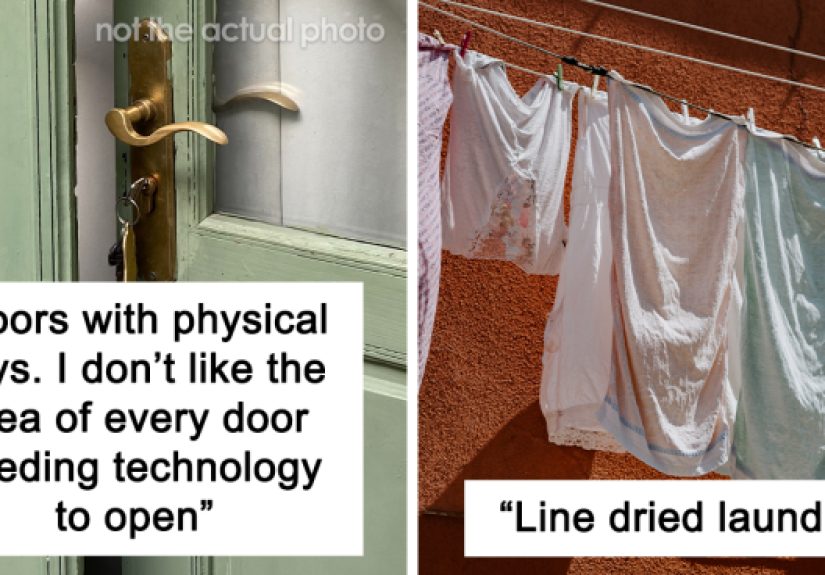
Wireless earbuds are great until one falls into a sewer grate or dies on a flight. Wired headphones keep working, sound good, cost less, and do not need pairing rituals. You plug them in, and that is the whole relationship. Healthy boundaries.
12. Physical Photo Albums
Cloud storage is useful, but scrolling through 8,000 camera roll images is not the same as opening an album. Printed photos feel deliberate. They invite conversation. They also make it much easier to find your childhood vacation pictures without first stumbling across 43 screenshots of recipes you never made.
13. DVDs and Blu-rays
Streaming made discs look ancient, but people still love owning movies and shows that cannot disappear because of licensing drama. Physical media is reliable, collectible, and refreshingly free of buffering. For some viewers, the best feature is simple: when you own the disc, nobody can quietly remove your favorite movie overnight.
14. Vinyl Records
Vinyl is the comeback kid that never got the memo to stop coming back. Fans love the artwork, the ritual, the warm sound, and the sense that listening is an event instead of background wallpaper. Records demand attention, which may be exactly why they still feel special.
15. CDs
CDs may not be cool in the same way vinyl is cool, but they are still hanging on. They sound solid, do not rely on internet access, and give people permanent access to music they actually paid for. Also, some of us still have that one giant binder of discs and refuse to be shamed for it.
16. Film Cameras
Digital photography is fast and forgiving. Film is slower, fussier, and more expensive, which is exactly why some people adore it. Every shot feels intentional. You cannot take 600 pictures of a sandwich and sort it out later. Film forces patience, and that restraint can be oddly thrilling.
17. Fax Machines
This one sounds like a joke until you remember that healthcare, legal offices, and government workflows can move at the speed of a sleepy turtle in loafers. Faxing persists where paper records, signatures, and established procedures still rule. It may not be sexy, but neither is arguing with a portal login for 40 minutes.
18. Desktop Computers
Laptops are portable, tablets are sleek, and phones are everywhere, but desktops remain beloved for work, gaming, storage, repairability, and comfort. A real monitor, a real keyboard, and enough ports to make life easy? Revolutionary, apparently.
19. Physical Keyboards
Touchscreens are fine for a quick message. They are much less charming when you are writing a report, editing a spreadsheet, or trying to keep your thumbs from filing a formal complaint. Physical keyboards still win on speed, precision, and that satisfying click that says, “Yes, words are happening.”
20. Manual Can Openers
Electric gadgets promise convenience, but a manual can opener is cheaper, smaller, and less likely to break in a dramatic, smoky fashion. It is not flashy, but it gets the job done without needing counter space or an owner’s manual the length of a novella.
21. Handwritten Letters and Cards
Texts are instant, but handwritten notes feel meaningful because they take effort. A card in the mail feels personal in a way a thumbs-up emoji never will. People keep writing them because some messages deserve more than “Sent from my phone” energy.
22. Paper Newspapers
Print newspapers have shrunk, but they still appeal to readers who enjoy a curated reading experience without pop-ups, autoplay videos, and 17 newsletter prompts. Sitting down with a physical paper feels slower and calmer. It lets news be read instead of attacked.
23. Recipe Cards and Cookbooks
Online recipes are handy, but printed cookbooks and stained recipe cards still rule many kitchens. They are easier to scan, easier to share, and easier to trust when your hands are covered in flour. They also do not lock halfway through the lasagna because your phone decided to nap.
24. Mechanical Tools
From hand mixers to manual screwdrivers to non-smart thermostats, plenty of people prefer simple tools because they are durable and fixable. Not everything needs Bluetooth. Some items just need to exist quietly and perform a task without sending push notifications.
25. Manual Transmission Cars
Stick shifts are increasingly rare, but the people who love them really love them. Driving a manual feels more involved, more skill-based, and more fun to enthusiasts. It is not the easiest option, but ease is not always the point. Sometimes the point is feeling like you are actually driving the car.
26. Analog Clocks
Digital clocks tell time plainly. Analog clocks show time spatially, which helps people grasp how much of it has passed and how much remains. They are also elegant, decorative, and weirdly reassuring. A round face with hands still has range.
27. Paper Planners
Some people cannot think clearly until their week is spread out across cream-colored pages with tabs and tidy boxes. Paper planners offer focus and flexibility without app fatigue. They also scratch that deep human itch to buy a new notebook and imagine becoming a dramatically more organized person.
28. Physical Bookshelves
Technically, shelves are furniture, not technology, but they absolutely count in the world of “outdated” habits. People still love displaying books, records, and collections because ownership feels real when it is visible. A bookshelf says, “These stories matter to me.” A download folder says, “Good luck finding that later.”
29. Standalone Radios
From kitchen radios to garage stereos, old-school radios are still around because they are easy, local, and oddly comforting. There is something delightful about turning a knob and hearing whatever is on, rather than choosing from a buffet of infinite content until your brain turns into mashed potatoes.
30. Simple Cell Phones and Flip Phones
Not everyone wants a pocket-sized command center. Some people are moving back to simpler phones because they want fewer distractions, longer battery life, and a cleaner boundary between real life and the internet circus. It turns out “less phone” can sometimes mean “more peace.”
What These Holdouts Say About Modern Life
The staying power of these items says something important: convenience is not the only thing people value. Modern tech is fast, connected, and clever, but older tools often feel calmer, sturdier, and more trustworthy. They offer friction, yes, but sometimes a little friction is exactly what keeps life from becoming one long blur of swipes, subscriptions, and software patches.
In many cases, the older version is not even better in an objective sense. It is better in a human sense. It feels nicer. It is easier to understand. It creates a ritual. It helps people slow down. That is not backward. That is design doing emotional work, and modern systems do not always deliver it.
Real-Life Experiences Behind the Love for “Outdated” Things
Ask people why they keep using old-school stuff, and the answers are rarely technical. They are personal. Someone still keeps a wall calendar because that is how their family stayed organized growing up, and writing birthdays by hand still feels more real than dropping them into an app. Someone else insists on print books because they associate them with calm: the couch, the lamp, the dog asleep nearby, and no pop-ups asking whether they would also like to sample a thriller set on a train.
Plenty of these preferences are tied to memory. A vinyl record is not just a music format; it is Saturday afternoons, liner notes, and the small ceremony of lowering the needle. A handwritten recipe card is not just a cooking tool; it is grandma’s handwriting, butter smudges, and the unspoken rule that you do not “update” a dish that has been winning holidays since the Reagan administration. A manual car is not just transportation; it is the memory of learning to drive with a parent who said “easy on the clutch” at least 600 times.
There is also a deeper feeling at work: relief. Old tools often feel easier on the brain. A paper notebook does not buzz. A flip phone does not tempt you into checking six apps when all you meant to do was text your brother back. A printed map cannot reroute you five times in ten minutes and then act like the bad decision was yours. For many people, these “outdated” objects are little islands of quiet in a very loud digital world.
Then there is trust, which may be the biggest reason of all. People trust a house key they can hold. They trust cash in a power outage. They trust a DVD of a favorite film more than a streaming platform that may decide next month that the title is leaving at 12:01 a.m. sharp. Older tools often feel honest because their limits are visible. A notebook can run out of pages, but it does not secretly update its privacy policy overnight.
Even workplaces and institutions reveal this same emotional logic. Some offices still love paper files, printed agendas, and handwritten notes not because nobody has heard of the cloud, but because physical systems can feel clearer, more accountable, and less fragile. When everything is digital, nothing feels fully anchored. A piece of paper on a desk still has a way of saying, “This is real. Do not forget it.”
Of course, not every old thing deserves sainthood. Some outdated tools are inconvenient, expensive, or wildly inefficient. Nostalgia can romanticize plenty of nonsense. But that is exactly what makes this topic so interesting. The people who keep using these objects are not always rejecting the future. Often, they are editing it. They are choosing which modern conveniences improve life and which ones just make everything feel busier, thinner, and more disposable.
That may be the most relatable experience of all. In a culture constantly pushing upgrades, people are quietly building lives that include both innovation and intention. They stream music and still buy records. They text all day and still mail birthday cards. They use GPS and keep a road atlas in the trunk. They live in the present without throwing away every tool that made the past feel grounded. And maybe that is not outdated at all. Maybe it is just smart.
Conclusion
For all the hype around newer, faster, and smarter, plenty of “outdated” things remain useful because they solve ordinary problems beautifully. They are dependable, tactile, and often more human-centered than the flashy replacements meant to retire them. Whether it is a print book, a paper planner, a wired headset, or a humble checkbook, these holdovers prove that progress is not always about replacing the past. Sometimes it is about keeping the parts that still make life better.