Table of Contents >> Show >> Hide
- What Fiber Actually Does (Without the Science-Fair Poster)
- How Much Fiber Do You Need?
- 31 High-Fiber Foods to Put on Repeat
- How to Eat More Fiber Without the “Why Am I So Bloated?” Moment
- Simple High-Fiber Meal Ideas (No Culinary Degree Required)
- Final Thoughts
- Real-Life Experiences: What It’s Like to Actually Eat More Fiber (About )
Fiber is the quiet hero of your plate. It doesn’t trend on TikTok the way “protein” does, it doesn’t have the glamour of “antioxidants,” and it definitely doesn’t come with a dramatic before-and-after photo. But fiber does a lot behind the scenes: it supports regular digestion, helps keep blood sugar steadier after meals, and can help lower cholesterol when you consistently get enough. In other words, fiber is the friend who shows up on time, brings snacks, and never asks you to Venmo them.
The problem? Most people don’t eat enough of it. And when you try to “fix it” by dumping a mountain of bran into breakfast overnight, your stomach may file a complaint. The good news: you don’t need a food overhaul. You need a smarter, slower ramp-upand a go-to list of foods that naturally do the heavy lifting.
What Fiber Actually Does (Without the Science-Fair Poster)
Dietary fiber is the part of plant foods your body can’t fully digest. Instead of being broken down like other carbs, fiber travels through your digestive tract doing helpful things along the way. Most foods contain a mix of two main types:
- Soluble fiber mixes with water and forms a gel-like texture. This can slow digestion, support steadier blood sugar, and help lower LDL (“bad”) cholesterol.
- Insoluble fiber adds bulk and helps move food through your gut, supporting regularity.
Many fiber-rich foods also act as prebioticsthey feed beneficial gut microbes. That’s one reason diets rich in fruits, vegetables, legumes, whole grains, nuts, and seeds are consistently linked with better long-term health.
How Much Fiber Do You Need?
A common benchmark is about 14 grams of fiber per 1,000 calories. For a 2,000-calorie pattern, that’s roughly 28 grams per day. Another widely used guideline is about 25 grams/day for many women and 38 grams/day for many men (with slightly lower needs in older adulthood). Your exact needs vary by age, body size, medical history, and overall diet.
If you have a digestive condition (like IBS, IBD, Crohn’s, ulcerative colitis, or a history of bowel strictures), or you’re recovering from GI surgery, check with a clinician or registered dietitian before dramatically increasing fiber. For everyone else: increase gradually and drink enough fluidsyour gut will thank you.
31 High-Fiber Foods to Put on Repeat
Below are 31 fiber-forward foods, grouped by category, with practical “how to eat it” ideas. Fiber counts vary by brand, ripeness, and cooking methodso think of this list as your high-fiber GPS, not a strict scoreboard.
Legumes (aka: the Fiber Powerhouse Aisle)
- Lentils One of the easiest ways to add serious fiber (and protein) without trying too hard. Try it: Toss into soups, curry, salads, or mix with ground meat for tacos.
- Black beans Hearty, versatile, and a top-tier chili upgrade. Try it: Blend into dip, add to burrito bowls, or stir into scrambled eggs.
- Kidney beans Classic in chili and great in cold salads. Try it: Combine with chopped veggies, olive oil, and a squeeze of lemon.
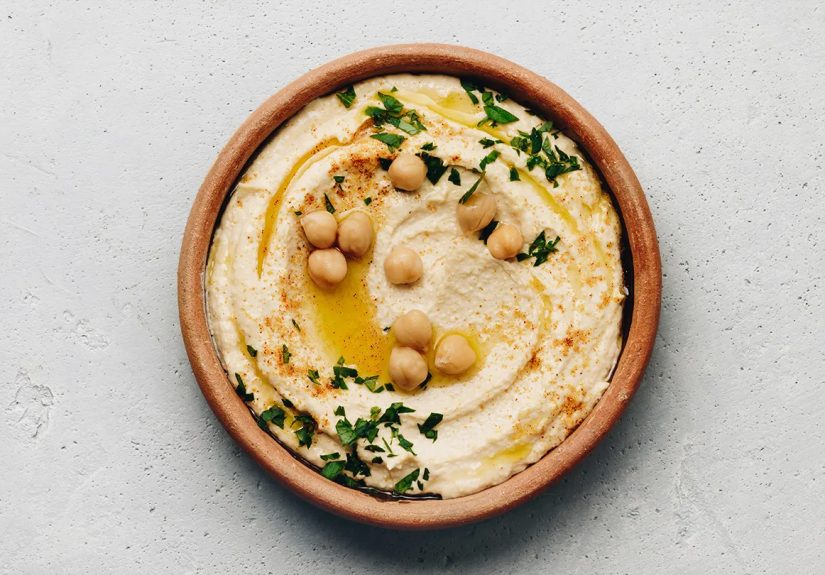
- Chickpeas (garbanzo beans) Fiber plus crunch potential. Try it: Roast with spices, mash into sandwich filling, or go hummus-mode.
- Split peas Underrated, budget-friendly, and cozy in soup form. Try it: Make split pea soup with carrots, celery, and herbs.
- Edamame A snack that actually brings something to the table. Try it: Steam and sprinkle with salt, or add shelled edamame to stir-fries.
- Navy beans Mild flavor, big fiber energy. Try it: Use in bean soups or blend into creamy sauces.
- Lima beans Creamy texture, great in stews. Try it: Add to vegetable soups or toss with garlic and olive oil.
Whole Grains (The “Carb” That’s Actually Doing Its Job)
- Oats (rolled or steel-cut) Famous for soluble fiber. Try it: Oatmeal with berries and chia, or savory oats with egg and spinach.
- Barley Chewy, satisfying, and great in soups. Try it: Swap barley for rice in stews or grain bowls.
- Bulgur Quick-cooking and perfect for meal prep. Try it: Make tabbouleh with parsley, tomato, and lemon.
- Quinoa Technically a seed, eaten like a grain. Try it: Use as a base for bowls with beans, avocado, and salsa.
- Whole-wheat pasta A simple swap that boosts daily fiber fast. Try it: Pair with lentil-based sauce and veggies.
- Brown rice More fiber than white rice, plus a nutty bite. Try it: Add to burrito bowls or veggie stir-fries.
- Air-popped popcorn Yes, popcorn counts (when it’s not drowned in butter). Try it: Season with chili powder, garlic, or nutritional yeast.
- High-fiber cereal (look for 5g+ per serving) A fast breakfast win. Try it: Add fruit and a handful of nuts for extra fiber.
- 100% whole-wheat bread A daily staple that can either help or… do nothing. Try it: Use for avocado toast, turkey sandwiches, or nut butter + banana.
Fruits (Sweet, Practical, and Surprisingly Fiber-Rich)
- Raspberries One of the highest-fiber fruits. Try it: Add to yogurt, oatmeal, or blend into smoothies.
- Blackberries High fiber plus deep color (hello, antioxidants). Try it: Toss into salads or eat with cottage cheese.
- Pears (with skin) The skin is where a lot of the fiber lives. Try it: Slice into oatmeal or pair with cheese.
- Apples (with skin) Classic and portable. Try it: Dip in peanut butter or chop into salads.
- Avocado Fiber + healthy fats = staying power. Try it: Spread on toast, add to tacos, or blend into a creamy dressing.
- Pomegranate arils Crunchy, bright, and fiber-friendly. Try it: Sprinkle on yogurt or salads.
- Prunes Famous for regularity support (for good reason). Try it: Chop into oatmeal or eat a few as a snack.
- Figs (fresh or dried) Sweet with a chewy texture and fiber boost. Try it: Add to oatmeal or pair with nuts.
- Bananas (especially slightly green) Provide fiber and can be easy on the stomach for many people. Try it: Slice into cereal or blend into smoothies.
Vegetables (Where Fiber Meets Volume and Flavor)
- Artichokes One of the highest-fiber veggies. Try it: Steam and dip leaves, or use artichoke hearts in salads and pasta.
- Brussels sprouts Roasted sprouts are basically candy… if candy were a vegetable. Try it: Roast with olive oil, salt, and balsamic.
- Broccoli Fiber plus crunch. Try it: Roast, steam, or toss into stir-fries.
- Sweet potato (with skin) Skin-on is the move for more fiber. Try it: Bake, cube and roast, or mash with cinnamon.
- Green peas Small, sweet, and surprisingly fiber-rich. Try it: Stir into pasta, soups, or rice bowls.
Nuts and Seeds (Tiny Foods, Huge Fiber Upside)
- Chia seeds A small serving can add a big fiber boost. Try it: Make chia pudding, stir into yogurt, or add to oatmeal.
- Ground flaxseed Ground is easier for your body to use than whole. Try it: Mix into smoothies, oatmeal, or pancake batter.
- Almonds Fiber plus crunch. Try it: Snack on a handful or add sliced almonds to salads.
- Pistachios Snackable and satisfying. Try it: Add to yogurt bowls or sprinkle on roasted veggies.
- Pumpkin seeds (pepitas) Crunchy and easy to add anywhere. Try it: Top soups, salads, or oatmeal.
- Sunflower seeds Great for salads and snacks. Try it: Add to trail mix or sprinkle on grain bowls.
Quick math that actually helps: If you choose one legume, one berry, one whole grain, and one nut/seed daily, you’re quietly building a high-fiber diet without needing to “try hard.” Fiber success is more about repetition than perfection.
How to Eat More Fiber Without the “Why Am I So Bloated?” Moment
- Increase gradually. If you’re currently low-fiber, jumping straight to 30+ grams overnight can cause gas, bloating, or cramps. Add a few grams every few days.
- Drink enough fluids. Fiber works best when it has water to bind withespecially if constipation is a concern.
- Mix your fiber sources. Relying on one “superfood” can be rough on digestion. Spread fiber across meals (beans at lunch, berries at breakfast, veggies at dinner).
- Watch the label game. “Multigrain” doesn’t always mean whole grain. Look for “100% whole wheat/whole grain” and a meaningful fiber number per serving.
- Be realistic with gut-sensitive foods. Some high-fiber foods (like certain beans or artichokes) can be high-FODMAP and may bother people with IBS. You can still get fiber from alternatives like oats, berries, chia, and certain vegetables.
Simple High-Fiber Meal Ideas (No Culinary Degree Required)
- Breakfast: Oatmeal + raspberries + chia + a spoonful of nut butter.
- Lunch: Chickpea salad sandwich on 100% whole-wheat bread + side of fruit.
- Dinner: Lentil chili with roasted Brussels sprouts.
- Snack: Pear + handful of almonds, or air-popped popcorn + pumpkin seeds.
Final Thoughts
A high-fiber diet isn’t about eating “perfect” or turning every meal into a wellness seminar. It’s about choosing more plants, more oftenespecially legumes, berries, whole grains, nuts, seeds, and vegetables. Start small, build consistency, and let your gut adjust at a sane pace. Over time, fiber stops being a “nutrient goal” and becomes the default way you eat: fuller meals, steadier energy, and digestion that isn’t constantly sending you passive-aggressive notifications.
Real-Life Experiences: What It’s Like to Actually Eat More Fiber (About )
If you’ve ever tried to “eat healthier” and immediately felt like your stomach turned into a marching band, you’re not alone. A common real-life experience when increasing fiber is that the first few days feel… noticeable. Not in a dramatic “something is wrong” way for most peoplemore like your body is adjusting to a different workload. Fiber is partly fermented in the gut, and that fermentation can temporarily increase gas. That’s why the best experience usually comes from easing in rather than launching a surprise fiber festival.
Many people report that the easiest, most comfortable way to start is by changing one meal first. For example, swapping a low-fiber breakfast (like a pastry) for oatmeal with berries and chia can add a meaningful fiber bump without making lunch and dinner feel restrictive. In practice, this often leads to an unexpected win: you may feel satisfied longer after breakfast, which can make mid-morning snack cravings feel less intense. Not because you’re “being good,” but because your meal actually had staying power.
Another common experience is learning what fiber feels like in the real worldespecially when it comes from different foods. Beans and lentils can be incredibly filling, but some people notice more gas at first. That doesn’t mean beans are “bad”; it often means your gut needs time to adapt. A helpful strategy many people use is to start with smaller portions (like a half-cup of beans in a bowl) and increase slowly. Rinsing canned beans and pairing them with cooked vegetables (instead of a huge raw salad) can also feel gentler for some stomachs.
People also tend to notice that fiber works best as a “team sport.” When fiber intake goes up but fluids don’t, things can feel sluggishlike your digestive system is trying to push a couch through a hallway. In everyday terms: drinking water consistently tends to make the whole fiber upgrade feel smoother. Many people find it easiest to attach hydration to a habitwater with breakfast, water mid-afternoon, water with dinnerrather than trying to chug a gallon out of guilt.
One of the most relatable experiences is realizing that high-fiber eating doesn’t have to be complicated. It often looks like simple repeats: popcorn as a snack instead of chips, whole-wheat bread instead of white, berries tossed into yogurt, chia stirred into oatmeal, lentils added to soup, or an avocado on toast. Over a few weeks, many people describe a “normalization” phasewhere the foods feel routine, the gut feels more settled, and the benefits (like more regular digestion and steadier post-meal energy) feel less like a “plan” and more like everyday life.
The most important experience-based takeaway: you’re not failing if your gut needs time. Fiber is powerful. Treat it like a gradual training program, not a one-day challenge, and you’ll get the benefits without the unnecessary drama.