Table of Contents >> Show >> Hide
- Start Here: How to Prep Frozen Tuna Steak the Smart Way
- Way #1: Pan-Sear Frozen Tuna Steak for the Best Crust
- Way #2: Bake Frozen Tuna Steak for Easy, Even Cooking
- Way #3: Air-Fry Frozen Tuna Steak for Speed and Crispy Edges
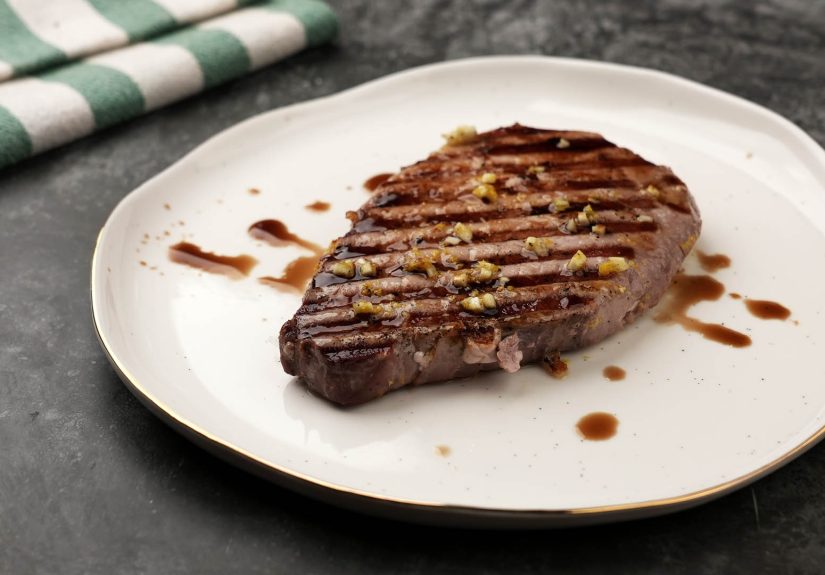
- Way #4: Grill Frozen Tuna Steak for Smoky, Steakhouse Flavor
- Best Tips for Cooking Frozen Tuna Steak Without Ruining It
- What to Serve with Tuna Steak
- Real-Life Kitchen Experiences with Frozen Tuna Steak
- Conclusion
Frozen tuna steak is one of those “future you will be grateful” foods. It sits quietly in the freezer, minds its business, and then suddenly becomes dinner when your schedule falls apart and takeout starts looking a little too smug. The good news? You can absolutely cook frozen tuna steak at home and make it taste like a meal you planned on purpose.
The better news is that you have options. You can pan-sear it for a bold crust, bake it for a low-drama dinner, air-fry it when you want speed without babysitting a skillet, or grill it when the weather says, “Go outside and play with fire.” The trick is understanding that tuna is not like every other fish. It cooks fast, dries out if you bully it, and often tastes best when treated with a little restraint instead of culinary aggression.
Before we jump into the four methods, here is the big frozen tuna truth: for the most even texture, thawing first is usually the smartest move. If you forgot, panic is not required. You can cook tuna from frozen, especially in the oven or air fryer, but it may need a few more minutes and the crust will not be quite as dramatic. Think of thawing as the VIP lane, not the only lane.
Start Here: How to Prep Frozen Tuna Steak the Smart Way
1. Decide whether to thaw or cook from frozen
If you have time, thaw the tuna steak in the refrigerator overnight. That gives you the best texture and the most even cooking. If time is not on your side, place the sealed tuna steak in cold water for a quicker thaw. Change the water every 30 minutes. Avoid thawing fish on the counter unless your dinner plan includes unnecessary suspense.
2. Pat it dry like you mean it
Moisture is the enemy of a good crust. Whether your tuna is thawed or only partially thawed, blot off any surface moisture with paper towels. This small move makes a big difference, especially for pan-seared tuna steak and grilled tuna steak.
3. Keep the seasoning simple
Tuna has a meaty flavor, so it does not need a ten-page spice manifesto. Olive oil, kosher salt, black pepper, garlic powder, lemon zest, sesame seeds, Cajun seasoning, or a soy-ginger glaze all work beautifully. If you use an acidic marinade, do not leave the fish soaking forever. Tuna is a steak, not a science experiment.
4. Know your doneness goal
Many home cooks and chefs love tuna steak with a pink or red center because it stays tender and rich. That is why quick searing is so popular. If you want fully cooked fish, continue cooking until the center is opaque and flaky. Keep in mind that seafood safety guidance for consumers points to 145°F as the fully cooked benchmark, so choose the doneness that fits your preferences and situation.
Way #1: Pan-Sear Frozen Tuna Steak for the Best Crust
If your dream dinner is a tuna steak with a browned outside and a tender center, this is your move. Pan-searing is fast, elegant, and just dramatic enough to make you feel like you should be wearing a chef jacket even if you are actually in socks and yesterday’s hoodie.
Best for
Ahi tuna, yellowfin tuna, or any tuna steak that is at least about 1 inch thick.
How to do it
For the best results, thaw the tuna first or at least partially thaw it. Heat a heavy skillet over medium-high to high heat. Cast iron works especially well because it gets ripping hot and does not apologize for it. Brush the tuna lightly with oil, season both sides, and place it in the skillet once the pan is hot.
For a rare-to-medium-rare center, sear the tuna steak for about 1 to 2 minutes per side. If your steak is still very cold in the center, lower the heat after searing and cook it another minute or two per side until it reaches your preferred doneness. If you want fully cooked tuna, continue cooking gently rather than blasting it with high heat the whole time. High heat gives you color; moderate heat gives you control.
Flavor ideas
- Black pepper crust with lemon
- Sesame seed crust with soy sauce and lime
- Cajun seasoning with a quick garlic butter finish
- Italian herbs with olive oil and capers
Why this method works
Pan-searing gives tuna the contrast it loves: browned outside, tender inside. It is also the best method for people who want restaurant-style tuna steak without paying restaurant-style prices and then pretending not to notice the bill.
Watch out for this
Overcooking is the main villain here. Tuna goes from silky to dry faster than most people expect. The moment you think, “Maybe just another minute,” your tuna may already be writing a complaint letter.
Way #2: Bake Frozen Tuna Steak for Easy, Even Cooking
Baking is the least fussy method and one of the most practical ways to cook frozen tuna steak. If you are feeding more than one person or want a method that does not require constant flipping, the oven is your reliable friend. It may not have the swagger of a skillet, but it gets the job done with very little drama.
How to do it
Preheat your oven to 425°F to 450°F. If the tuna is thawed, brush it with olive oil or melted butter and season it on both sides. Place it on a lightly greased sheet pan or baking dish. Tuna steak generally cooks quickly in the oven, often around 8 to 10 minutes for average steaks, though thickness matters a lot.
If you are baking from frozen, add a few extra minutes and check the center before serving. A useful rule is to pay attention to thickness rather than blindly trusting the clock. Thin steaks cook fast; thick steaks like to keep you humble. If the outside is browning too quickly before the center is ready, loosely tent the pan with foil for part of the cooking time.
Best seasoning combinations for baked tuna steak
- Lemon, olive oil, garlic, and parsley
- Soy sauce, honey, ginger, and a little sesame oil
- Dijon mustard, black pepper, and breadcrumbs for a light crust
- Paprika, onion powder, and a squeeze of orange
Why baking works so well for frozen fish
The oven surrounds the tuna with steady heat, which helps it cook more evenly than a blazing-hot skillet when the fish is still partially frozen. This makes it one of the easiest ways to cook tuna steak straight from the freezer when life has gone delightfully off-script.
Serving tip
Baked tuna steak pairs beautifully with rice bowls, roasted vegetables, simple salads, couscous, or even a baked potato if you want dinner to feel a little old-school in the best way.
Way #3: Air-Fry Frozen Tuna Steak for Speed and Crispy Edges
If the air fryer lives on your counter and judges every other appliance, this method is for you. Air frying is fast, tidy, and surprisingly effective for frozen tuna steak, especially when you want a weeknight dinner that feels intentional but not exhausting.
How to do it
Preheat the air fryer if your model recommends it. Set it to about 380°F to 400°F. Brush the tuna steak lightly with oil and season both sides. Place it in the basket in a single layer. For thawed tuna, cook for a short time and flip halfway through. For frozen tuna steak, expect a slightly longer cook and begin checking after the first several minutes.
If you want the center pink, pull the tuna earlier. If you want fully cooked fish, continue until the center is opaque and flakes more easily. The air fryer’s circulating heat can dry out lean fish if you let it go too long, so this is not the moment to wander off and reorganize your spice cabinet alphabetically.
Why people love this method
- Minimal cleanup
- Fast cooking time
- Nicely browned edges
- Great for small kitchens and weeknight cooking
Best toppings after air frying
Try a spoonful of mango salsa, a drizzle of spicy mayo, a squeeze of lemon, chimichurri, or a soy-lime dressing. Air-fried tuna also works well sliced over noodles or tucked into tacos with slaw.
Way #4: Grill Frozen Tuna Steak for Smoky, Steakhouse Flavor
Grilling tuna steak is one of the best ways to lean into its naturally meaty texture. Done well, it tastes bold, smoky, and a little bit fancy. Done badly, it sticks to the grates and tests your emotional resilience. Let us aim for the first version.
How to do it
For grilling, thawing is strongly recommended. A thawed tuna steak cooks more evenly and is less likely to cling to the grates like it is trying to become part of the patio furniture. Preheat the grill to medium-high or high heat and oil the grates well. Brush the tuna with oil, season it, and place it over direct heat.
For a pink center, grill the tuna for about 2 to 4 minutes per side, depending on thickness. For more well-done tuna, cook it longer over slightly lower heat so the outside does not char before the inside catches up. Let the fish rest for a few minutes after grilling so the juices settle instead of running away at first cut like they owe somebody money.
Great grill-friendly marinades
- Garlic, herbs, olive oil, and lemon
- Soy sauce, brown sugar, ginger, and scallions
- Lime juice, chili powder, cumin, and honey
- Sesame oil, rice vinegar, soy sauce, and black pepper
Why grilling is worth it
The grill adds smoke and char that bring out tuna’s savory side. It is especially good for thick steaks served with grilled vegetables, corn, or a cold salad. In other words, it tastes like summer knows what it is doing.
Best Tips for Cooking Frozen Tuna Steak Without Ruining It
Use thickness as your guide
Cooking time varies wildly depending on whether your tuna steak is thin, thick, fully thawed, or still frosty in the middle. A thick steak can handle a quick high-heat sear better than a thin one. When in doubt, check early.
Do not drown it in marinade forever
A short marinating time is plenty. Too much acid can affect the texture and make the tuna mushier than you wanted. That is not “tender.” That is a kitchen plot twist.
Pat the surface dry before high-heat cooking
This matters for both pan-seared tuna and grilled tuna. Moisture prevents browning, and browning is where a lot of the flavor lives.
Pick the right method for your goal
If you want a crust, pan-sear. If you want easy cleanup, air-fry. If you want steady, forgiving heat, bake. If you want smoky flavor and grill marks that make dinner look extra confident, grill.
Remember the food-safety audience
If you are cooking for someone who is pregnant, older, immunocompromised, or simply prefers fully cooked seafood, skip the rare center and cook the tuna all the way through. Tuna steak can still be delicious when fully cooked if you use moderate heat and stop the moment it is done.
What to Serve with Tuna Steak
The beauty of tuna steak recipes is that they can go in several directions. Want something light? Serve it over greens with cucumbers, radishes, and a citrus vinaigrette. Want comfort food? Pair it with roasted potatoes and green beans. Want a fast bowl situation? Slice the tuna over rice with avocado, edamame, shredded carrots, and a drizzle of spicy sauce.
It also plays well with noodles, grilled asparagus, couscous, stir-fried vegetables, quinoa, or even crusty bread and a tomato salad. Tuna is basically the guest at the dinner party who gets along with everyone and somehow still looks polished.
Real-Life Kitchen Experiences with Frozen Tuna Steak
Anyone who has cooked frozen tuna steak more than once learns a few things very quickly. First, every package of tuna looks calm and reasonable until it hits the pan. Then it becomes clear that tuna cooks faster than your brain updates its expectations. Chicken gives you time to reflect. Tuna gives you a short motivational speech and then demands action.
A common experience is starting with too much heat because the goal sounds simple: get a nice crust. That instinct is not wrong, but it often turns the outside gorgeous while the middle stays stubbornly cold. The fix is not giving up on tuna forever and writing dramatic online reviews. The fix is to sear first, then finish more gently, or just thaw the steak a little more next time. A small adjustment turns a frustrating dinner into a repeatable one.
Another relatable lesson is that frozen tuna steak rewards confidence more than fussing. If you poke it every 12 seconds, flip it repeatedly, and season it like you are trying to impress a spice rack, the result usually gets worse, not better. Tuna likes clear decisions. Hot pan. Short cook. Rest. Slice. Done. The fish is not complicated; our tendency to overmanage it is.
There is also the texture lesson. People who expect tuna to behave like salmon are often surprised. Tuna is firmer, meatier, and less forgiving when overcooked. That is why so many cooks fall in love with the pan-seared version first. It gives the outside color and the inside tenderness, which is a magical combination when it works. The first time you slice into a well-cooked tuna steak and see that contrast, it feels unfairly fancy for something that started in your freezer next to ice cream and mystery leftovers.
Then there is the weeknight reality check. Some nights you remember to thaw the fish overnight like an organized adult. Other nights you discover the frozen tuna steak at 6:17 p.m. and suddenly become an expert in “quick thawing methods” with the intensity of a cooking game show contestant. That is where baking and air frying become heroes. They are forgiving, less messy, and ideal when you want a solid result without standing over the stove performing fish-related calculations.
Grilling frozen tuna steak brings its own experience: optimism. It begins with visions of smoky perfection and ends with you realizing the grill grates must be clean, hot, and oiled or the tuna will cling like a bad ex in a romantic comedy. But when grilling works, it really works. The flavor is bold, the texture is satisfying, and dinner suddenly feels like it should be eaten outdoors, preferably with lemon wedges and absolutely no emails.
Perhaps the most useful experience of all is discovering that frozen tuna steak does not need to be intimidating. Once you learn the basic rhythm, it becomes one of the most practical proteins to keep around. It can be elegant, fast, healthy, hearty, or light. It can anchor a salad, star in a rice bowl, or sit next to roasted vegetables looking like it owns the place. And that may be the best part: frozen tuna steak starts as a backup plan, but cooked well, it never tastes like one.
Conclusion
If you are wondering how to cook frozen tuna steak, the answer is not one method but four excellent ones. Pan-searing is best for crust and drama. Baking is best for easy, even cooking. Air frying is best for speed and convenience. Grilling is best for smoky flavor and warm-weather bragging rights. The ideal method depends on whether your tuna is fully frozen or thawed, how thick the steak is, and whether you want a pink center or fully cooked fish.
No matter which path you choose, the fundamentals stay the same: thaw safely when possible, pat the fish dry, season it simply, and do not overcook it. Follow those rules and frozen tuna steak stops being a freezer emergency and starts becoming one of the smartest dinners in your kitchen rotation.