Table of Contents >> Show >> Hide
- How We Chose the Best Snow Tires for Trucks in 2025
- What to Look for in a Snow Tire for Your Truck
- The 5 Best Snow Tires for Trucks in 2025
- 1. Bridgestone Blizzak DM-V2 Best Overall Snow Tire for Most Truck Owners
- 2. Michelin X-Ice Snow SUV Best for Highway Comfort and Long Winter Service Life
- 3. Nokian Hakkapeliitta LT3 Best Heavy-Duty Snow Tire for Work Trucks
- 4. Yokohama iceGUARD G075 Best Value Studless Snow Tire for Light-Duty Trucks
- 5. Cooper Discoverer Snow Claw Best Budget Studdable Snow Tire
- Which Snow Tire Is Best for Your Type of Truck?
- Expert Buying Tips Before You Click “Add to Cart”
- Real-World Winter Tire Experiences: What Truck Owners Usually Notice After the Swap
- Final Verdict
- SEO Tags
If you drive a truck in winter and think four-wheel drive is your golden ticket, I have disappointing news from the Department of Cold Reality: 4×4 helps you go, but tires help you stop, turn, and avoid starring in your neighborhood’s next icy blooper reel. That is why dedicated snow tires still matter for pickups, even big, burly ones with tough-guy fender flares and a bed full of confidence.
After reviewing 2025 expert recommendations, truck-focused winter tire roundups, owner feedback, and manufacturer specs, five models stood out for different kinds of truck owners: the all-around favorite, the long-mileage option, the heavy-duty workhorse, the value pick, and the budget-friendly studdable claw machine. This guide breaks down what makes each one good, who should buy it, and how to choose the right winter tire without turning tire shopping into a three-hour existential crisis.
How We Chose the Best Snow Tires for Trucks in 2025
For this roundup, the goal was simple: find truck snow tires that kept showing up in credible U.S. expert sources and also made sense in the real world. That meant looking at dedicated 2025 truck winter tire lists, broader expert winter tire guides, owner feedback from major tire retailers, and manufacturer details about compounds, tread design, severe-snow ratings, warranties, and stud options.
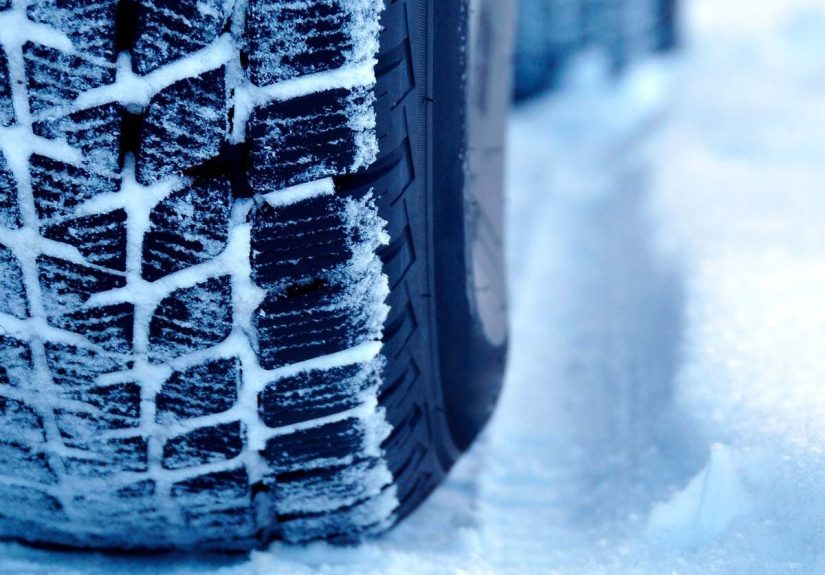
One thing became clear fast: not every “winter-capable” tire is a true snow tire. Some all-terrain tires carry the three-peak mountain snowflake symbol and do a respectable job in light winter weather. But if you deal with regular snow, ice, slush, steep grades, unplowed roads, or early-morning black ice, a dedicated winter tire is still the smarter move. A true snow tire uses a cold-weather compound that stays flexible when temperatures drop, plus tread blocks and sipes that bite into snow instead of skating across it like a shopping cart with ambition.
Another important note: the best truck snow tire is not always the flashiest or the most expensive. Some truck owners need deep-snow grip and optional studs. Others spend most of winter on cold highways and want quiet manners plus tread life. Some run half-ton pickups. Others tow with heavy-duty rigs and need a more rugged LT construction. That is why this list includes a mix of studless, studdable, SUV/light-truck, and heavy-duty winter options.
What to Look for in a Snow Tire for Your Truck
1. The Three-Peak Mountain Snowflake Symbol
If a tire has the 3PMSF symbol, it has met a recognized severe snow traction standard. That does not automatically make every tire with the symbol equally amazing, but it is the first filter worth using. If the sidewall does not show it, keep scrolling.
2. A Compound That Works Below 45°F
Winter tires are designed to stay flexible when the thermometer drops. All-season tires get stiffer as temperatures fall, which means less grip exactly when you need more of it. Snow is bad enough without your rubber acting like cold toast.
3. Studless vs. Studdable
Studless winter tires are ideal for many drivers because they are quieter, easier to live with, and excellent on snow, slush, and cold pavement. Studdable tires are worth a look if your truck regularly faces ice-packed back roads, mountain routes, or rural work sites. Just remember to check your state’s rules before going full porcupine.
4. LT Construction and Load Range
If you tow, plow, haul, or run a heavy-duty pickup, pay attention to Light Truck sizing, load range, and overall tire construction. A winter tire that is fantastic on a crossover may not be the right answer for a loaded three-quarter-ton truck in January.
5. Buy Four, Not Two
Experts consistently recommend installing winter tires as a full set of four. Mixing two winter tires with two all-seasons is a shortcut to weird, unpredictable handling. Save the experiments for science class.
The 5 Best Snow Tires for Trucks in 2025
1. Bridgestone Blizzak DM-V2 Best Overall Snow Tire for Most Truck Owners
If you want the safest no-drama answer for a huge number of trucks, SUVs, and winter commutes, the Bridgestone Blizzak DM-V2 earns the top spot. It kept showing up in expert 2025 coverage for good reason: it is still one of the most trusted names in winter traction, especially for drivers who want strong ice grip and dependable braking without stepping into niche or ultra-premium territory.
The DM-V2’s reputation is built around Bridgestone’s Multicell compound and a tread design aimed at clearing water from the tire’s contact patch for better grip on ice. In plain English, it is designed to fight that slick, polished winter surface that makes your truck feel like it is negotiating with physics. Expert roundups highlight its braking confidence, snow control, and hydroplaning resistance, while owner reviews consistently praise its traction in ugly weather.
Why it stands out: excellent all-around winter performance, strong ice manners, broad fitment coverage, and proven trust among truck and SUV drivers.
Best for: drivers of half-ton pickups, truck-based SUVs, and daily-driven trucks who want one of the safest, easiest recommendations on the board.
Trade-off: it is not the quietest winter tire on clear pavement, and it is more about winter confidence than sporty steering feel.
2. Michelin X-Ice Snow SUV Best for Highway Comfort and Long Winter Service Life
The Michelin X-Ice Snow SUV is the winter tire for truck owners who spend serious time on cold highways, cleared roads, and long winter commutes but still need excellent snow and slush traction when the weather turns nasty. It is the grown-up, polished, wear-conscious choice in this group.
Experts like it because it delivers reliable winter grip without feeling overly clumsy once the roads are plowed. Michelin also gives the X-Ice Snow lineup one of the rare mileage warranties in the winter tire world, which immediately gets attention from people who hear “dedicated snow tire” and see dollar signs floating out of their wallet. The tread design, full-depth sipes, and winter-focused compound are all meant to provide grip that lasts through the tire’s usable life, not just during the honeymoon phase.
Why it stands out: excellent snow, slush, and ice traction plus better comfort, refinement, and tread-life appeal than many hardcore winter tires.
Best for: truck owners who rack up miles, commute regularly, or want winter confidence without turning every dry-road drive into a rumbling soundtrack.
Trade-off: in truly deep, ugly, unplowed winter conditions, some drivers may still prefer a more aggressive or studdable option.
3. Nokian Hakkapeliitta LT3 Best Heavy-Duty Snow Tire for Work Trucks
If your truck works for a living, the Nokian Hakkapeliitta LT3 is the specialist’s pick. This is the tire on the list that feels most purpose-built for actual heavy-duty winter truck duty: towing, plowing, hauling, and dealing with roads that have not yet met a plow, a shovel, or basic human kindness.
Why LT3 over some more mainstream Nokian options? Because many expert lists aimed at “trucks and SUVs” lean heavily toward SUV fitments, while the LT3 is explicitly aimed at heavy 4x4s and pickup-type light trucks. It uses a stronger LT body structure, aggressive tread design, optional studs, and Nokian’s aramid sidewall technology for added cut and puncture resistance. In other words, it is less “ski trip chic” and more “snowstorm at the jobsite, be there anyway.”
Why it stands out: rugged winter construction, serious load capability, studdable design, strong traction in deep snow and slush, and added sidewall durability.
Best for: HD pickups, work trucks, plow rigs, trucks that tow in winter, and drivers who routinely face rough, icy, or unmaintained roads.
Trade-off: it is pricier and more specialized than the average winter tire, which can be overkill for a lightly used daily-driver pickup.
4. Yokohama iceGUARD G075 Best Value Studless Snow Tire for Light-Duty Trucks
The Yokohama iceGUARD G075 is the smart-value pick for drivers who want real winter traction without paying top-shelf premium money. It is not the loudest name in the room, but it quietly built a reputation as a dependable, sensible winter option for SUVs, crossovers, and certain light-truck applications.
Its strengths are the kind value shoppers actually care about: confident snow and ice grip, respectable on-road stability, fuel-conscious design, and pricing that often lands below the headliners. Yokohama’s three-dimensional sipes, micro-edges, and directional tread design are focused on winter bite and stable handling, while expert retailer coverage often calls it one of the most affordable ways to get into a proper studless winter setup.
Why it stands out: strong winter value, solid traction, and less sticker shock at checkout.
Best for: light-duty trucks and truck owners who want a true winter tire but also enjoy paying rent.
Trade-off: it is not the most aggressive choice for extreme deep-snow or heavy-duty commercial-style use.
5. Cooper Discoverer Snow Claw Best Budget Studdable Snow Tire
The Cooper Discoverer Snow Claw wins points for having the most honest name in the lineup. “Snow Claw” is not subtle, but then again, neither is winter in the upper Midwest. This tire is designed to dig in, and it is especially appealing for truck owners who want an affordable studdable option without moving into premium-price territory.
Cooper designed it with snow-on-snow traction in mind, a high sipe density, and stud capability for drivers who regularly encounter serious ice. Expert lists continue to recommend it as a budget-friendly truck winter tire, and it is particularly attractive for buyers who want better deep-snow confidence than a basic all-terrain can deliver.
Why it stands out: studdable design, strong winter bite, budget-friendly positioning, and good fit for harsh-climate drivers.
Best for: truck owners in snow-belt regions, drivers on rural or secondary roads, and shoppers who want the option to add studs.
Trade-off: it is more utilitarian than refined, so do not expect luxury-car serenity on dry interstate pavement.
Which Snow Tire Is Best for Your Type of Truck?
Best for everyday pickups and mixed winter driving
Choose the Bridgestone Blizzak DM-V2. It is the best all-around answer if you want winter grip first and do not want to overthink it.
Best for commuting, highway miles, and comfort
Choose the Michelin X-Ice Snow SUV. It blends winter capability with comfort and long-haul practicality better than most.
Best for heavy-duty trucks, towing, or work use
Choose the Nokian Hakkapeliitta LT3. This is the rugged choice for hard winter duty.
Best if you want value without going cheap-cheap
Choose the Yokohama iceGUARD G075. It offers real winter capability at a friendlier price point.
Best if you want a studdable budget option
Choose the Cooper Discoverer Snow Claw. It is the practical pick for deep-winter drivers who want traction with attitude.
Expert Buying Tips Before You Click “Add to Cart”
First, do not buy based on tread pattern alone. Aggressive-looking all-terrain tires can absolutely help in light snow, but a true winter tire usually delivers better braking and better ice control. Your truck is already heavy. You do not want that weight discovering momentum on a downhill curve.
Second, match the tire to your real winter, not your fantasy winter. If you mostly drive plowed suburban roads with occasional storms, a premium studless tire like the Blizzak or Michelin makes more sense than a hardcore studded setup. If you drive mountain passes, unplowed county roads, or construction routes before sunrise, a tougher studdable option starts looking very wise.
Third, pay attention to fitment, load range, and speed rating. This is especially important on full-size and heavy-duty trucks. The “best tire on the internet” is not the best tire for your truck if it cannot support your actual use case.
Finally, install winter tires before the first storm, not after. Once temperatures regularly dip below 45 degrees Fahrenheit, you are already in winter tire territory. Waiting until the roads are icy is like buying an umbrella after you are swimming to work.
Real-World Winter Tire Experiences: What Truck Owners Usually Notice After the Swap
One of the most common reactions truck owners have after installing real snow tires is this: “Wait, that is it? That is the big difference?” And yes, that is the big difference. The magic is not usually dramatic acceleration through a snowbank like a truck commercial directed by a caffeine-powered action filmmaker. The real payoff is more boring than that, which is exactly why it is so valuable.
Drivers tend to notice the first improvement at stop signs. A truck on all-season or all-terrain tires can feel fine right up until you need to brake on packed snow. Then suddenly your pickup becomes a large, expensive sled with a monthly payment. On proper winter tires, the truck usually settles down faster, stops shorter, and feels less panicked. There is still winter drama outside the windshield, but much less of it inside your hands and feet.
The second difference is steering confidence. With the right snow tires, your truck feels less vague on slick roads. It tracks better through slush, responds more naturally when you turn in, and recovers more predictably when a patch of ice tries to negotiate ownership of your lane. That matters a lot in pickups because an unloaded rear axle can make winter behavior especially weird. Snow tires do not break the laws of physics, but they absolutely help your truck behave like it has read them.
Owners who switch from all-terrains to dedicated winter tires also often mention how much calmer the truck feels on cold, dry pavement. That surprises people. A good winter tire is not only about deep snow. It is also about freezing temperatures, bridge decks, early-morning frost, and those damp, near-freezing days when the road looks harmless but absolutely is not. In many real-world winter situations, the benefit shows up before the first major snowstorm even arrives.
Another common experience is that premium winter tires feel worth the money by about the second bad storm. The first storm convinces you they work. The second one convinces you you are keeping them. By the third storm, you are the person telling friends, “No, seriously, tires matter more than four-wheel drive,” which is the winter-driving version of character development.
And for work-truck owners, the difference can be even bigger. A heavy pickup towing a trailer, carrying tools, or driving to a jobsite before sunrise needs stability more than swagger. Tires like the Nokian LT3 or Cooper Snow Claw can make a truck feel more planted, less twitchy, and more trustworthy when conditions are bad and deadlines still exist. That kind of confidence is hard to measure on a spec sheet, but easy to appreciate at 5:45 a.m. on an icy road nobody else seems excited to be on.
Final Verdict
If you want the best overall snow tire for most truck owners in 2025, buy the Bridgestone Blizzak DM-V2. It is the safest broad recommendation, and it earned that reputation honestly.
If you want a more refined tire for long winter driving, go with the Michelin X-Ice Snow SUV. If your truck works hard in hard weather, the Nokian Hakkapeliitta LT3 is the toughest specialist here. If value is your top priority, the Yokohama iceGUARD G075 is the smart studless buy. And if you want a budget-friendly studdable tire with serious winter bite, the Cooper Discoverer Snow Claw deserves your attention.
The best snow tire for your truck is the one that matches your real winter, your real driving, and your real truck. But whichever one you choose, one thing is certain: winter is much easier when your tires are doing more than just looking rugged in the driveway.