Table of Contents >> Show >> Hide
- What Ringworm Actually Is
- Home Remedy #1: Keep the Area Clean and Dry
- Home Remedy #2: Use an Over-the-Counter Antifungal Cream the Right Way
- Home Remedy #3: Use a Cool Compress to Calm the Itch
- Home Remedy #4: Try Aloe Vera for Temporary Comfort, Not a Cure
- Home Remedy #5: Wash Towels, Clothes, and Bedding Like the Fungus Owes You Money
- What Not to Put on Ringworm
- When Home Treatment Is Not Enough
- Experiences People Commonly Have With Ringworm
- Conclusion
- SEO Tags
Ringworm has one of the worst branding problems in medicine. First, it is not a worm. Second, it is not remotely glamorous. Third, once you notice that itchy, scaly ring on your skin, it suddenly becomes the only thing your brain wants to think about. Lovely.
The good news is that mild cases of ringworm on the skin can often be managed at home. The less-fun news is that many so-called “natural cures” floating around the internet are more hype than help. Some may soothe itching for a bit, but they do not reliably kill the fungus causing the rash. So this article takes a smarter route: practical, safe, at-home remedies that actually make sense.
If you are looking for the best ringworm home remedies, here is the honest answer: the most effective home treatment is usually a combination of keeping the area clean and dry, using an over-the-counter antifungal product correctly, calming the itch without irritating your skin, and preventing the fungus from spreading to towels, clothes, bedding, pets, or other people. In other words, this is less “mystical kitchen cure” and more “tiny anti-fungal battle plan.”
What Ringworm Actually Is
Ringworm, also called tinea, is a fungal skin infection. It often shows up as a round or oval patch with a slightly raised, scaly border and clearer skin in the center. It can itch, flake, spread, and generally act like it pays rent. Ringworm can show up on the body, scalp, feet, groin, beard area, and even nails, although those forms do not always look like a perfect ring.
The fungus tends to thrive in warm, moist environments, which is why sweaty skin, damp socks, tight clothes, locker rooms, shared towels, and humid weather give it an open invitation. You can catch it from another person, from contaminated items, and sometimes from pets. That is why home care is not just about treating the rash. It is also about making your environment less welcoming to fungus in general.
Before we jump into the five remedies, here is one important reality check: if your ringworm is on your scalp or nails, or if the rash is severe, widespread, painful, draining, or not improving, home care alone is usually not enough. Those cases often need prescription treatment.
Home Remedy #1: Keep the Area Clean and Dry
If ringworm had a dating profile, “likes warm, damp places” would absolutely be in the bio. So your first job is simple: make the infected area as unfriendly to fungus as possible.
Wash the area gently with mild soap and water, then pat it dry with a clean towel. Do not scrub like you are trying to remove a stain from a sidewalk. Skin that is irritated, raw, or over-washed does not heal faster. It just gets grumpier.
After bathing, dry the affected area carefully. If the rash is in a skin fold, on the feet, or in the groin, take a little extra time. Dampness is the fungus’s favorite roommate. Using one towel for the infected area and a different towel for the rest of your body is also a smart move. Wash those towels regularly in hot water.
This is one of the best at-home ringworm treatments because it works with the biology of the infection. Fungi love moisture. You are essentially evicting them from their comfort zone.
Helpful habits that go with this remedy
Wear breathable cotton or moisture-wicking fabrics. Change sweaty clothes quickly. Change socks and underwear daily, and more often if you work out or run hot. Your skin should feel like a cool, dry place to heal, not a tropical greenhouse.
Home Remedy #2: Use an Over-the-Counter Antifungal Cream the Right Way
Let us be blunt: this is the heavy hitter. If you are treating ringworm at home, an over-the-counter antifungal cream, lotion, spray, or powder is usually the most evidence-based choice for mild skin infections.
Common active ingredients include clotrimazole, miconazole, terbinafine, and tolnaftate. The exact product matters less than using it correctly and consistently. Read the package directions, apply it as directed, and do not stop the second the rash looks less dramatic. Fungus loves a comeback tour.
In practical terms, that means you usually apply the medication not only to the visible rash but also slightly beyond the edge of it. The border is where the fungus is often most active. Keep going for the full recommended length of treatment, even if the spot starts to look better sooner than expected.
This is why I am including antifungal cream in a list of home remedies. It is not a folk cure. It is a legit home treatment for ringworm that you can use without an office visit in many mild cases on the skin.
A common mistake to avoid
Do not use steroid creams like hydrocortisone on ringworm unless a clinician specifically tells you to. Steroids can make the rash look temporarily calmer while allowing the fungus to keep spreading in the background. That is the skin-care version of shoving clutter into a closet five minutes before guests arrive.
Home Remedy #3: Use a Cool Compress to Calm the Itch
Ringworm can itch enough to make you negotiate with yourself in public. Since scratching can irritate the skin, spread the fungus, and even increase the risk of secondary bacterial infection, you need a safer way to dial down the urge.
A cool, damp compress is a surprisingly underrated remedy. Wet a clean washcloth with cool water, wring it out, and place it over the itchy area for about 20 to 30 minutes. You can repeat this a few times a day as needed. It is simple, cheap, and refreshingly non-chaotic.
This remedy will not cure the fungal infection, but it can make life much more bearable while the actual treatment does its job. Think of it as your comfort sidekick. Not the hero of the movie, but definitely the character everyone likes.
Make sure the washcloth is freshly cleaned each time, especially if the infection is in the groin, on the feet, or in another area where moisture and skin contact can spread fungus. Reusing damp cloths is not a wellness ritual. It is just reinfection with extra steps.
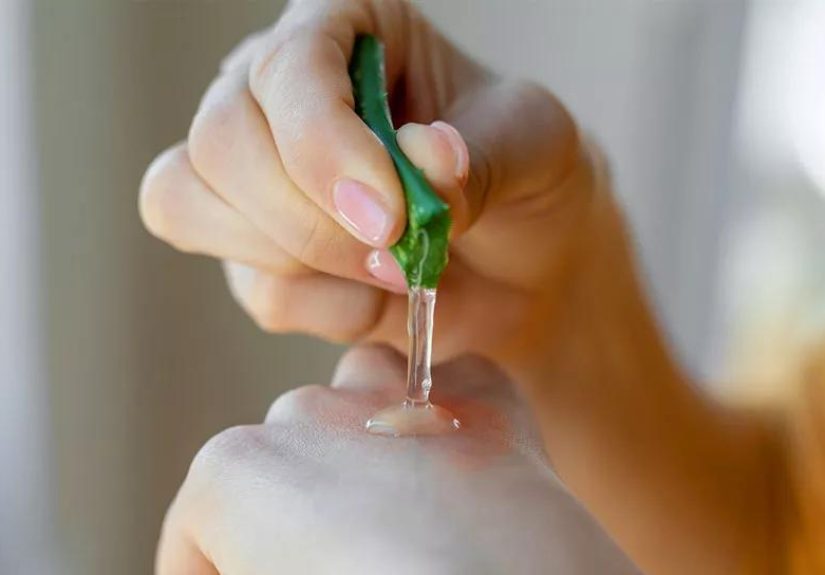
Home Remedy #4: Try Aloe Vera for Temporary Comfort, Not a Cure
Aloe vera gets invited into nearly every skin conversation, and to be fair, it has earned some of that fame. It can feel cooling and soothing on irritated skin, and some people find that it takes the edge off itch and inflammation.
If you want to use a simple, fragrance-free aloe vera gel on intact skin around a mild ringworm patch, that is usually a reasonable comfort step for many people. It may help the area feel less angry, especially if the skin is irritated from friction or dryness.
But here is the crucial part: aloe vera is not a reliable standalone cure for ringworm. It may be a soothing extra, but it should not replace antifungal treatment. If you slap on aloe and call it a day, the fungus may stay fully employed.
Also, skip heavily scented gels, alcohol-heavy formulas, or products with a long ingredient list that sounds like a chemistry pop quiz. When skin is already irritated, simpler is smarter.
What about tea tree oil, garlic, or apple cider vinegar?
These are internet celebrities, but they are not first-line ringworm treatments. Tea tree oil may have limited antifungal interest in some skin conditions, but it can irritate skin and is not considered a dependable cure for ringworm. Garlic and vinegar are even more likely to irritate or burn sensitive skin. Your goal is to treat the rash, not create a second problem that now also needs an apology.
Home Remedy #5: Wash Towels, Clothes, and Bedding Like the Fungus Owes You Money
One of the most frustrating things about ringworm is that treatment can fail not because the cream is wrong, but because the fungus keeps hanging around on fabrics and shared items. If you do not clean the environment, you may keep reintroducing the problem to your skin.
Wash towels, underwear, socks, workout clothes, and bedding regularly, especially items that touch the infected area. Do not share towels, hats, combs, razors, or clothing while you are treating the infection. If you have athlete’s foot and body ringworm at the same time, treat both areas so one does not keep re-seeding the other.
If you suspect a pet may be the source, such as a cat or dog with a patchy rash or hair loss, get the animal checked by a veterinarian. Otherwise, you may treat yourself beautifully and still end up in an endless fungal sequel nobody asked for.
This remedy is especially important for families, athletes, roommates, and parents dealing with school-age kids. Ringworm does not need much to spread. One damp towel and one “I’ll wash it later” attitude can be enough to keep the cycle going.
What Not to Put on Ringworm
When people search for natural remedies for ringworm, they often end up staring at a very confident corner of the internet. Confidence, however, is not the same as evidence.
Try to avoid these common mistakes:
Steroid creams without guidance: These can disguise and worsen the infection.
Harsh DIY treatments: Vinegar, bleach, garlic paste, or aggressive essential oils can irritate, sting, or damage skin.
Stopping treatment too early: Ringworm often looks better before it is fully gone.
Covering sweaty skin all day: Tight, damp clothing gives the fungus a lovely little spa day.
Ignoring other infected areas: Athlete’s foot and body ringworm often travel together.
When Home Treatment Is Not Enough
Even the best ringworm remedies at home have limits. You should contact a healthcare professional if the rash does not begin improving after about two weeks of using an over-the-counter antifungal, if it spreads quickly, or if it becomes very inflamed, painful, swollen, crusted, or oozy.
You should also seek medical care sooner if:
The infection is on the scalp. Scalp ringworm usually needs prescription medicine by mouth.
The infection is on the nails. Nail fungus is stubborn and often requires longer treatment.
You have diabetes or are immunocompromised. Skin infections deserve extra caution.
A child has a scaly scalp patch or hair loss. That should be evaluated promptly.
You are not sure it is ringworm. Eczema, psoriasis, Lyme rash, and other conditions can mimic it.
There is no prize for suffering through a fungal rash in silence. If home care is not working, upgrade the plan.
Experiences People Commonly Have With Ringworm
One reason ringworm is so annoying is that the experience rarely starts with a dramatic medical moment. It usually begins with confusion. Someone notices a dry patch on an arm and assumes it is eczema. A runner sees a red circle on the thigh and blames chafing. A parent spots a flaky patch near a child’s hairline and thinks it is dandruff having an especially bad week. Ringworm is sneaky like that. It often looks harmless before it starts expanding.
A very common experience is realizing the rash is itchy in a strangely specific way. People often describe it as more persistent than a random irritation, with a border that seems rougher or redder than the middle. That classic ring shape does not always show up perfectly, which is why many people delay treatment. Once they finally start using an antifungal cream consistently, they often notice that the itching settles down before the rash fully fades. That can create false confidence. The patch looks quieter, so they stop treatment too soon, and then, surprise, the rash reappears like an uninvited ex.
Another common story involves athletes, gym-goers, and anyone who sweats a lot. They may deal with athlete’s foot first, then later notice a suspicious patch elsewhere. That happens because fungal infections can spread from one body area to another, especially through hands, towels, socks, or tight clothing. People are often shocked to learn that home treatment is not just about the visible spot. It is also about changing socks, washing towels, drying skin carefully, and cleaning up the sweaty habits that helped the fungus settle in.
Parents often describe a different kind of frustration. A child may get ringworm from school, sports, close contact with other kids, or even a pet. Kids scratch, forget, wrestle, nap on shared pillows, and generally do not have the strongest commitment to infection control. Parents may feel like they are treating one child, washing everything in sight, checking the dog, and side-eyeing every circular rash in the house. Fair enough.
People with scalp ringworm often report the most stressful experience because it can involve flaking, tenderness, and temporary hair loss. That is the point where home remedies usually stop being enough. Once the scalp is involved, professional treatment matters because the fungus reaches deeper into the hair follicles, and creams alone usually do not get the job done.
There is also the emotional side, which does not get enough attention. Ringworm is common, but people still feel embarrassed by it. They worry it means poor hygiene, even though plenty of clean, careful people get it from ordinary everyday contact. The truth is that ringworm is contagious and opportunistic. It does not care whether you own expensive soap.
The most successful experiences usually have the same pattern: people stop chasing miracle cures, start a proper antifungal, keep the skin dry, avoid steroid creams, wash contaminated fabrics, and stick with treatment long enough to actually finish the job. Glamorous? No. Effective? Much more often, yes.
Conclusion
If you are dealing with ringworm, the best “home remedies” are the sensible ones. Keep the area clean and dry, use an over-the-counter antifungal product correctly, calm itching with a cool compress, use aloe vera only as a soothing bonus, and wash anything that may be carrying the fungus. That combination is far more useful than internet folklore and far less likely to turn your rash into a science experiment.
The bottom line is simple: home remedies for ringworm can support healing, but they work best when they are grounded in real treatment, not wishful thinking. If the rash is stubborn, widespread, on the scalp or nails, or not improving within a couple of weeks, get medical help. Fungus is persistent, but so is a good plan.