Table of Contents >> Show >> Hide
- All-Ages Nutrition Principles (a.k.a. The Stuff That Never Gets Old)
- Infants (0–6 Months): Milk Is the Headliner
- Infants (6–12 Months): The “Practice Foods” Era
- Toddlers (1–3 Years): Tiny Humans, Big Opinions
- Preschoolers (3–5 Years): Independence With Training Wheels
- School-Age Kids (6–12 Years): Growth, Sports, and Snack Attacks
- Teens (13–18 Years): Fueling Growth Spurts (and Big Feelings)
- Common Challenges (and How to Win More Often Than You Lose)
- Conclusion: Raise Eaters, Not Perfect Plates
- Kitchen-Trench Experiences: What This Looks Like in Real Life (Extra )
- SEO Tags
Feeding kids is basically a long-running reality show where the contestants (your kids) change the rules mid-season.
One day they inhale broccoli like a tiny dinosaur, the next day they declare it “leaf poison.” The good news: you don’t
need a perfect diet. You need a repeatable plan that flexes with growth spurts, school schedules, sports, and the
occasional “I only eat beige foods now” phase.
Below is an age-by-age guide to kids’ nutritionfrom milk-only babies to “I’m basically an adult” teensbuilt on
mainstream U.S. pediatric and public-health guidance, plus practical strategies that work in real kitchens with real
time constraints.
All-Ages Nutrition Principles (a.k.a. The Stuff That Never Gets Old)
1) Build meals from “real food anchors”
Kids’ calorie needs rise with age and activity, but the structure of a solid meal stays surprisingly consistent:
a produce base, a protein, a carbohydrate that isn’t trying to cosplay as candy, and a healthy fat when needed.
Think of these as anchors; everything else is “the accessories.”
- Produce: fruit or veggies at most meals and snacks (fresh, frozen, cannedlife happens).
- Protein: beans, eggs, yogurt, poultry, fish, lean meats, tofu, nut/seed butters (age-safe forms).
- Carbs: whole grains and starchy veggies more often than refined grains.
- Fats: nuts, seeds, olive/canola oil, avocado; for younger kids, fat isn’t the enemyit’s brain fuel.
2) Drinks count (sometimes more than we want them to)
Many nutrition battles are actually beverage battles. Water is the default thirst-quencher for most kids, and plain milk
can play a supporting role (especially for calcium and vitamin D). Sweet drinkssoda, sweet tea, sports drinks, flavored
milkscan quietly pile on added sugars and crowd out appetite for nutrient-dense foods.
Juice deserves a special callout: it’s easy calories without the fiber of whole fruit. If you use it, treat it like a
small serving, not a hydration strategy.
3) Let kids listen to their bodies (you set the menu; they set the amount)
A surprisingly effective division of labor is:
Parents choose what’s served, when it’s served, and where it’s served.
Kids choose whether to eat, and how much.
This lowers pressure, supports self-regulation, and reduces the odds you’ll spend dinner negotiating with a tiny attorney.
4) Zoom out: patterns beat perfection
A single day doesn’t make or break nutrition. A week (or month) tells the real story. If breakfast is a win, lunch is
chaos, and dinner is “two bites and a yogurt,” you’re not failingyou’re parenting.
5) Supplements are a tool, not a get-out-of-vegetables card
Supplements can be useful in specific situations (especially vitamin D in infancy, or iron when recommended), but they
don’t replace the benefits of whole foods: fiber, protein quality, healthy fats, and the experience of learning to eat a
varied diet. When in doubt, check with your pediatrician before starting anything beyond a standard recommendation.
Infants (0–6 Months): Milk Is the Headliner
What “nutrition” means here
For young infants, nutrition is straightforward: breast milk and/or iron-fortified infant formula
provides what they need. This is not the time to rush “first foods” for fun Instagram content. Your baby’s job is growth,
digestion practice, and perfecting the art of dramatic yawning.
Vitamin D: the common add-on
Many infants need vitamin D supplementation starting early, especially breastfed babies, because breast milk may not
consistently provide enough vitamin D on its own. This is one of the most routine pediatric nutrition conversations you’ll
have in the first year.
What to avoid
- Honey (risk of botulism in babies under 12 months).
- Water as a “drink” (small sips for meds are different; routine water replaces milk calories).
- Juice (no real role early on).
- Anything not designed for infants (cow’s milk as a main drink comes later).
Infants (6–12 Months): The “Practice Foods” Era
When to start solids (hint: not because Grandma said so)
Many babies are ready for solid foods around 6 months, and introducing solids before 4 months
is generally not recommended. Readiness looks like good head control, sitting with support, bringing objects to the mouth,
and showing interest in food. Solids at this stage are about learning textures and flavorsmilk still does the heavy lifting.
Start with iron-rich foods
By mid-infancy, iron becomes a key nutrient to prioritize. Common starter options include iron-fortified infant cereals,
pureed meats, beans/lentils, and egg. Pairing plant-based iron sources with vitamin C-rich foods (like strawberries, citrus,
or bell peppers in age-appropriate forms) can help absorption.
Allergens: earlier, safely, and steadily
Current mainstream guidance supports introducing common allergens (like peanut and egg) during infancy when babies are
developmentally ready for solidsoften as part of routine feedingbecause delayed exposure isn’t protective for most kids.
If your child has severe eczema or a known food allergy, get medical guidance on the safest approach.
- Offer allergens in age-safe forms (thin peanut butter mixed into oatmeal or yogurt; not whole nuts).
- Introduce one new allergen at a time, earlier in the day, so you can observe.
- Once tolerated, keep it in rotation (regular exposure beats “we tried it once in 2024”).
Skip juice; focus on water sips with meals
Whole fruit is better than juice because it offers fiber and supports chewing skills. If you offer water, keep it to small
sips with meals. Milk (breast/formula) remains the primary calorie source through 12 months.
Mini example menu (6–12 months)
- Breakfast: iron-fortified oatmeal + mashed banana
- Lunch: mashed beans + soft-cooked veggies
- Dinner: flaked salmon (soft) + avocado + soft fruit
- Between: breast milk or formula on your baby’s usual schedule
Toddlers (1–3 Years): Tiny Humans, Big Opinions
The big shift at one year
After 12 months, many toddlers transition from formula/breast milk as the primary calorie source to a mixed diet of family
foods. This is also when appetite can look like it “disappears.” Often, it’s not disappearanceit’s growth rate slowing.
Toddlers may eat very little at one meal and then surprise you by eating a respectable amount the next day.
Milk and nutrients (but keep it reasonable)
Milk can be helpful for calcium and vitamin D, but too much can crowd out iron-rich foods. Many toddlers do well with a
few servings of dairy (or fortified alternatives) and lots of water. If your child is still relying heavily on milk, talk
to your pediatrician about balancing iron and overall intake.
Added sugar: set the tone early
A practical rule that many pediatric groups emphasize:
avoid foods and drinks with added sugars for children under 2, and for kids 2 and up, aim to keep added sugar
modest (a commonly cited target is staying under about 25 grams/day for many children). This doesn’t mean your kid can never
see a cupcake. It means cupcakes shouldn’t be a food group.
Portions: smaller than you think (and that’s okay)
Toddlers are not “small adults.” Serve tiny starter portions and let them ask for more. A useful approach is:
start small, refill often. It reduces waste and lowers the intimidation factor. A toddler staring down an
adult-size plate can react the same way you would if someone served you a casserole the size of a car battery.
Picky eating: the survival kit
Picky eating is common in toddlerhood, but you can reduce the drama.
- Keep offering: kids often need many exposures before accepting a food.
- Don’t become a short-order cook: serve one family meal with at least one “safe” item.
- Pressure backfires: “Just one bite” can turn into a power struggle.
- Make it predictable: meals and snacks on a schedule helps appetite show up on time.
- Use dips and pairings: hummus, yogurt-based dips, nut/seed butters (age-safe) can help veggies go down.
If picky eating comes with weight loss, choking anxiety, severe restriction, or major stress at meals, it’s worth getting
professional help sooner rather than later.
Mini example menu (1–3 years)
- Breakfast: scrambled egg + berries + toast strips
- Snack: yogurt + soft fruit
- Lunch: bean-and-cheese quesadilla + sliced tomatoes
- Snack: peanut butter (thin) on banana slices
- Dinner: chicken or tofu + rice + roasted veggies (plus a “safe” side like fruit)
Preschoolers (3–5 Years): Independence With Training Wheels
Structure helps more than lectures
Preschoolers love autonomy, but they also thrive on routine. Plan for three meals and 1–2 scheduled snacks. Constant grazing
is a sneaky appetite thiefand then dinner turns into “I’m not hungry” followed by “Can I have crackers at bedtime?”
Build a balanced snack (so it actually works)
A snack that’s only refined carbs (crackers, pretzels) often leads to a blood-sugar roller coaster and more hunger later.
Make snacks “mini-meals” by pairing two food groups:
- Apple + cheese
- Carrots + hummus
- Whole-grain crackers + tuna or bean dip
- Greek yogurt + berries
Fiber: the unsung hero
Fiber supports digestion and steady energy. Boost it with oats, beans, berries, pears, whole-grain bread, and veggies.
If your child struggles with constipation, fiber plus water plus movement usually beats any single “miracle” food.
Food education that doesn’t feel like school
Let them rinse berries, tear lettuce, stir pancake batter, or pick a “new fruit of the week.” Kids are more likely to taste
foods they helped preparebecause pride is a surprisingly powerful seasoning.
School-Age Kids (6–12 Years): Growth, Sports, and Snack Attacks
Expect 4–5 eating moments a day
Many school-age kids do best with three meals and one or two snacks. Growth is steadier than toddlerhood, but activity increases,
and schedules get complicated. Your job is to make the healthy choice the easy choiceespecially when they sprint in the door
acting like they haven’t eaten since the Bronze Age.
Breakfast is a performance enhancer
You don’t need a Pinterest breakfast. You need protein + fiber so they don’t crash mid-morning.
- Fast win: peanut butter toast + banana
- Another win: Greek yogurt + granola + berries
- Warm option: oatmeal + milk + chopped nuts (if age-appropriate) or seeds
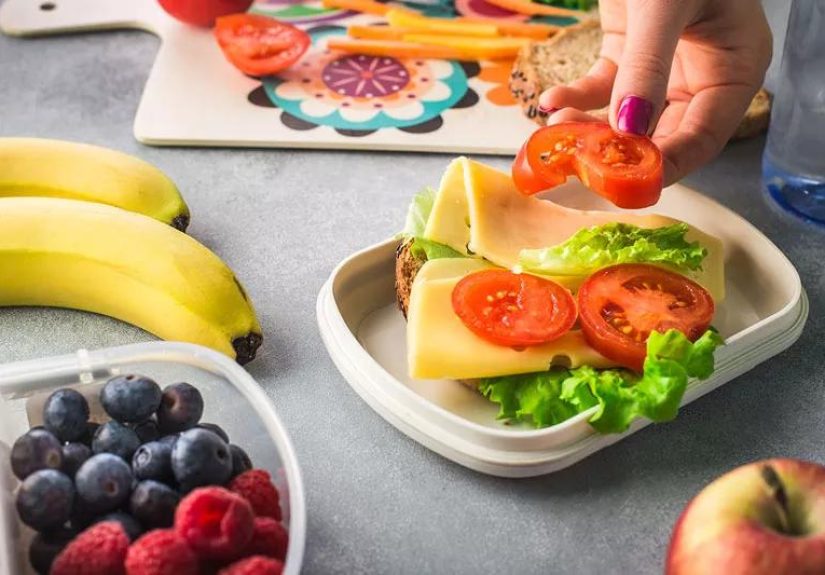
Lunchbox strategy: “one from each bucket”
To avoid random lunchbox chaos, pack:
- Protein: turkey, tuna, beans, eggs, tofu, yogurt
- Produce: fruit + a veggie (with dip if needed)
- Whole grain/starch: whole-grain bread, pita, brown rice, quinoa, sweet potato
- Fun item: something they actually like (yes, you’re allowed)
Sodium and ultra-processed foods: watch the “everyday” items
Packaged snacks and fast foods can push sodium and added sugars up quickly. You don’t have to ban them forever; just avoid
letting them become the default. A “sometimes” food is fine. A “daily because we’re tired” food deserves a backup plan.
Drinks: keep it boring (boring is beautiful)
Water and plain milk cover most needs. Sports drinks are rarely necessary for typical school-day activity and can become
a sugar habit in disguise. For long, intense sports sessions, hydration and a balanced snack usually do the trick.
Teens (13–18 Years): Fueling Growth Spurts (and Big Feelings)
Teen bodies are under construction
Adolescence brings rapid growth, shifting hormones, and (often) packed schedules. Nutritionally, teens need adequate energy
plus special attention to calcium, vitamin D, iron, protein, and fiber.
Calcium + vitamin D: bone-building season
Teens build a lot of bone mass during adolescence. Many need about 1,300 mg of calcium per day, which can come
from milk, yogurt, cheese, fortified soy milk, calcium-set tofu, leafy greens, and canned fish with bones (if they’ll eat it).
Vitamin D supports calcium absorption, so include vitamin D-rich foods (and follow medical guidance if supplementation is needed).
Iron: especially important for menstruating teens and athletes
Iron supports oxygen transport, growth, and muscle function. Teen boys and girls have different typical targets, and menstruating
teens often need more. Build iron into the routine with lean meats, beans/lentils, fortified cereals, spinach, and pumpkin seeds.
Pair plant-based iron with vitamin C (citrus, strawberries, bell peppers) to help absorption.
Sports nutrition: simple beats fancy
You don’t need a supplement store; you need timing and consistency.
- Before practice: carbs + a little protein (banana + yogurt, turkey sandwich, oatmeal).
- After practice: protein + carbs within a couple hours (milk + cereal, rice + chicken, beans + tortilla).
- Hydration: water first; add electrolytes only for prolonged, heavy-sweat training.
Energy drinks are a hard no for many teens: they can wreck sleep, spike anxiety, and add a lot of caffeine and stimulants.
If your teen is “tired all the time,” the first suspects are often sleep debt, irregular meals, and low ironnot a bigger can.
Autonomy: teach skills, not fear
Teens are moving toward independence, so involve them in planning and cooking. Teach “adult life” basics:
how to assemble a balanced meal, read labels, and build a grocery list that isn’t 70% snack aisle. Also, watch body-talk at home.
A focus on strength, energy, mood, and performance tends to land better than calorie talk.
Mini example menu (busy teen day)
- Breakfast: breakfast burrito (egg + beans + cheese) or yogurt parfait
- Snack: trail mix (nuts/seeds + dried fruit) or a smoothie
- Lunch: grain bowl (rice/quinoa + chicken/tofu + veggies)
- Snack (pre-activity): banana + peanut butter or granola bar + milk
- Dinner: salmon or beans + sweet potato + salad
Common Challenges (and How to Win More Often Than You Lose)
Picky eater vs. problem feeder
Many kids are picky at some point. What matters is whether growth and function are steady. Consider extra support if you see:
significant weight loss, frequent gagging/choking, extreme restriction (only a few foods), persistent distress at meals, or
nutrition gaps that aren’t improving over time. Pediatricians and pediatric dietitians can help with targeted strategies.
“My kid lives on snacks”
Snacks aren’t the villainunscheduled snacks are. Create a snack rhythm (mid-morning, after school) and keep choices
predictable: fruit + protein, whole grain + healthy fat, veggies + dip. When snacks are balanced, dinner stops being a hostage negotiation.
“Vegetables are illegal in this house”
Start with vegetables that behave nicely: roasted carrots, cucumbers, sweet bell peppers, corn, peas, veggie soups, and
sauces where veggies are blended in (marinara, chili, smoothies). Use dips, keep portions small, and keep re-offering without commentary.
Consistency is more persuasive than speeches.
Supplements: when they make sense
Common, medically discussed situations include vitamin D in infancy, iron guidance for some babies/teens, and targeted support
for restrictive diets or diagnosed deficiencies. If you’re considering supplements because your child eats five foods and two of them are crackers,
you’re not alonebut it’s still best to check with a clinician, especially for dosing.
One last “secret”: your environment is the strategy
Put nutrient-dense foods where they’re easy to grab, and treat sugary snacks like special guests instead of roommates.
Kids eat what’s available, what’s familiar, and what feels good. Build familiarity with repeated exposure and calm routines,
and you’ll see better results than any single “superfood.”
Conclusion: Raise Eaters, Not Perfect Plates
The best nutritional guideline for kids of every age is the one you can actually follow. Start with dependable structure:
regular meals and snacks, water as the default drink, and meals built from whole-food anchors. Then adjust by age: milk-first
infancy, iron-focused solids, toddler portions with low pressure, school-age routines that survive busy days, and teen fueling
that supports growth, bone health, and energy.
If you remember nothing else, remember this: kids don’t need a flawless diet. They need reliable opportunities
to eat well, plus a home environment that makes nutritious choices normaland treats treats like treats.
Kitchen-Trench Experiences: What This Looks Like in Real Life (Extra )
Let’s talk about the part nobody puts in the glossy nutrition pamphlet: the moment you proudly serve a balanced dinner and
your child looks at it like you’ve presented a science experiment. Families often tell me the hardest part isn’t knowing
what’s “healthy”it’s translating that knowledge into a Tuesday night when everyone is hungry, tired, and one person is
crying because their pasta touched a pea. (To be fair, some adults also dislike surprise peas.)
One of the most common patterns is what I call the “snack spiral.” A kid gets home from school starving.
A parent, trying to be kind and keep the peace, offers something quick. The snack is usually carb-heavy because carb-heavy
snacks are fast, cheap, and beloved. Ten minutes later, the kid is hungry again, because the snack was basically a sparkler:
impressive for a second, then gone. Dinner arrives and appetite is weirdeither nonexistent or feraland the evening turns
into a chaotic rotation of “Try this,” “No,” and “I’m hungry” at 8:47 p.m. The fix is rarely dramatic. It’s almost always
one balanced after-school snack (fruit + protein, whole grain + healthy fat) and a consistent dinner time.
Boring? Yes. Effective? Also yes.
Another frequent story is the picky-eating panic. A toddler eats three bites of chicken, licks a strawberry,
and survives on air for the rest of the day. Parents understandably worry they’re falling behind on protein, iron, and every
vitamin ever discovered. But when you zoom out, you often see the toddler is still growing well, has energy, and is simply
exercising their right to be unpredictable. What helps most is lowering the pressure and increasing the exposure. Families
who do best tend to serve one family meal, include one “safe” food, and move on. They don’t negotiate. They don’t bribe.
They don’t become a short-order diner. They just keep offering. And slowlysometimes annoyingly slowlykids expand their list.
With teens, the challenge shifts. It’s less “won’t eat vegetables” and more “won’t eat at all until 3 p.m., then
eats everything in the kitchen.” A lot of teens run on packed schedules, late bedtimes, and chaotic mornings. In practice,
the most workable strategy is a portable breakfast and a planned recovery snack after school
or sports. Something like yogurt and granola, a breakfast sandwich, or a smoothie can prevent that afternoon crash-and-binge
pattern that leaves everyone cranky. Families also report better results when teens are included in planning: ask them to
pick two breakfasts they’ll actually eat, two lunch options they can rotate, and a few easy dinners they can help assemble.
Independence is a powerful motivatorespecially when it involves controlling what goes in their own lunch bag.
The biggest “aha” I hear from parents is this: nutrition becomes dramatically easier when you stop trying to win every meal
and start building repeatable systems. A snack routine. A short grocery list of staples. A couple of fast
proteins (eggs, rotisserie chicken, beans). Pre-washed produce. Water bottles that live where backpacks live. It’s not glamorous,
but it’s the kind of structure that turns “nutritional guidelines for kids” into something you can actually dowithout needing
superpowers or a personal chef.