Table of Contents >> Show >> Hide
The Victorian and Edwardian eras have a funny reputation in modern culture. On one hand, they look gorgeous: lace collars, polished silver, velvet drapes, serious faces in sepia photographs, and parlors arranged as if nobody had ever tossed a sock on the floor. On the other hand, these periods were not some endless costume drama where everyone spent the afternoon sipping tea and discussing roses. They were ages of enormous change, social pressure, industrial growth, class divides, and invention. In other words, they were elegant, chaotic, inventive, exhausting, and a little dramatic. So, basically, still relatable.
The Victorian era is generally tied to Queen Victoria’s reign from 1837 to 1901, while the Edwardian era refers to the years around King Edward VII’s reign beginning in 1901 and stretching into the years just before World War I. Together, they capture a world balancing old manners and new machines, hand-sewn tradition and factory-made speed, strict etiquette and the first real hints of modern social freedom. If you want to understand the moment before modern life truly hit the accelerator, this is it.
Below are 50 vivid glimpses into these fascinating years. Some are beautiful, some are surprising, and some will make you very grateful for washing machines, central heating, and the ability to text instead of leaving a calling card.
50 Stunning Glimpses Into Victorian and Edwardian Life
- The parlor was the original social media feed. Homes often had formal parlors designed to receive visitors, display taste, and quietly announce, “Yes, we do own upholstered furniture, thank you for noticing.”
- Etiquette was practically a second language. Social rituals mattered deeply, especially among the middle and upper classes, and learning proper behavior could feel like taking a very long exam in posture, introductions, and tea-related diplomacy.
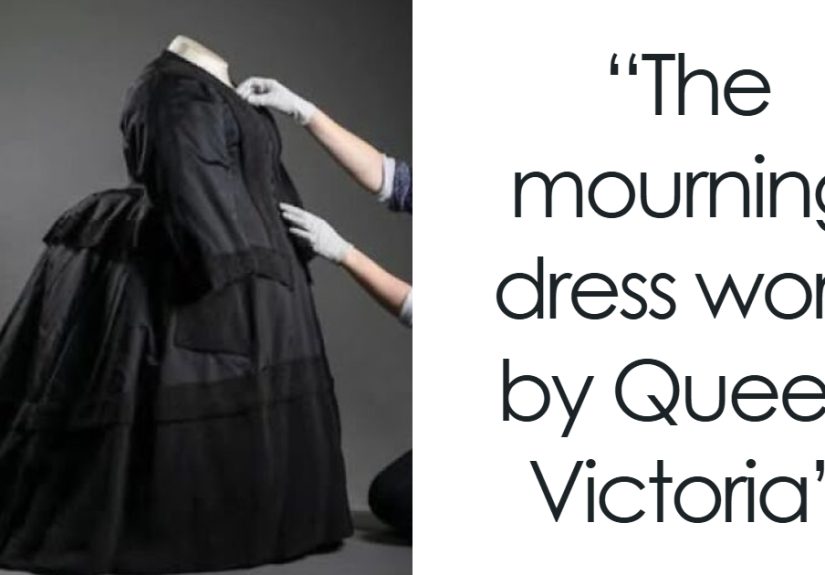
- Mourning had a dress code. During the Victorian era, black mourning dress became highly visible and socially expected, especially after Queen Victoria’s long public mourning helped shape customs around grief.
- Photographs turned memory into something portable. Early photography changed how people preserved identity, family history, and status, allowing portraits to move from rare luxuries to treasured personal keepsakes.
- Faces in old portraits look serious for a reason. Long exposure times and studio formality meant people often posed stiffly, giving Victorian photographs that unmistakable “I have seen things” expression.
- Laundry day was not a cute aesthetic. It was hard labor involving wringers, heavy wet fabric, heat, and time, the kind of household chore that could make modern people fall to their knees in apology before a washing machine.
- Servants kept many respectable homes running. Behind polished silver and carefully folded napkins were maids, cooks, nurses, valets, and footmen whose work made middle- and upper-class domestic order possible.
- Cleanliness was both moral and practical. As ideas about hygiene evolved, households paid increasing attention to ventilation, laundering, bathing routines, and the respectable appearance of both rooms and people.
- Industry changed everything. The Victorian world was full of railways, factories, urban growth, and mass production, which reshaped how people worked, shopped, traveled, and imagined progress.
- Childhood depended heavily on class. Wealthier children studied music, reading, manners, and languages, while poorer children often worked early and hard, sometimes in factories, mines, or domestic service.
- Education expanded, but unevenly. Literacy grew during the Victorian era, yet access to schooling varied sharply by gender, class, and geography.
- Girls were often educated for “accomplishment.” Upper-class girls might learn sewing, singing, drawing, and piano, not because society wanted them to run the world, but because society wanted them to marry elegantly.
- Books became a cultural obsession. As literacy broadened and publishing grew, novels, serialized fiction, essays, and magazines became central to both entertainment and public debate.
- The middle class was busy inventing itself. Respectability, thrift, discipline, and domestic order became part of a powerful social identity that shaped everything from furniture to child-rearing.
- Fashion was architecture with buttons. Victorian clothing often emphasized structure, layers, corsetry, and silhouette, turning the body into something styled, controlled, and sometimes alarmingly immobile.
- Corsets were not a myth made up by period dramas. They were real, widespread, and deeply tied to beauty standards, posture, and social expectations.
- Crinolines and bustles could take up serious square footage. Some garments made fashionable women look like walking interior design projects, equal parts elegance and engineering challenge.
- Lace, trims, and detail mattered. Clothing was a visual language of class, taste, gender, and occasion, with fabrics and embellishments doing an enormous amount of quiet social talking.
- Black was stylish, but not always cheerful. Mourning wear, jet jewelry, and somber accessories reflected a culture that often made grief visible through clothing and public ritual.
- Ready-to-wear changed fashion forever. As garment production expanded, more people could participate in trends that had once been far more exclusive.
- That convenience came with labor exploitation. The growth of ready-made clothing also fed sweatshop systems and underpaid home sewing, especially for women.
- Shopping became an experience. Department stores and urban retail culture helped transform buying clothes and household goods into a public, modern, aspirational activity.
- Homes displayed global influence. Textiles, decorative motifs, imported goods, and design trends reflected empire, trade, and an expanding appetite for objects that signaled refinement and worldliness.
- Cast iron helped cities dress up. Industrial materials were used not just for function but for ornament, giving urban buildings and interiors a kind of manufactured flourish.
- Seaside leisure became fashionable. Going to the coast for health, air, or recreation gained status, and special bathing costumes slowly turned water into a socially approved pastime.
- Sportswear began to emerge. Specialized clothing for bicycling, riding, swimming, and outdoor activity hinted that the body might do more than sit politely on upholstered furniture.
- The bicycle was revolutionary. The nineteenth-century bicycle craze affected mobility, courtship, and women’s dress reform, helping popularize more practical clothing.
- The “New Woman” arrived with confidence. By the late Victorian and Edwardian years, women were appearing more visibly in education, office work, reform movements, and public life.
- Edwardian fashion softened some Victorian severity. While still formal and elaborate, Edwardian style often leaned toward lighter lines, opulent elegance, and a more fluid sense of display.
- Tailored suits signaled modern ambition. Around the Edwardian period, shirtwaists, ties, and structured suits suggested that women were entering public and professional spaces with greater authority.
- Hats were an event. Large hats, feathers, trims, flowers, and sometimes startling decorative excess made headwear less an accessory and more a declaration.
- Men were formal too. Dark coats, waistcoats, gloves, hats, and careful grooming helped define male respectability in both business and social settings.
- Beards had a cultural moment. Victorian facial hair could signal seriousness, masculinity, intellect, or simply the fact that trends, like history, love to be dramatic.
- Calling cards handled introductions. Before messages buzzed into pockets, social visits often involved leaving a card to announce presence, intent, and a certain amount of strategic politeness.
- Tea was never just tea. It was ritual, hospitality, performance, and mild social choreography served in porcelain.
- Dinner involved rules. Table settings, courses, serving order, and behavior all reflected status and training, because apparently even soup once required a personal code of conduct.
- Music filled the home. Parlors often featured pianos, and amateur performance was a major source of family entertainment before recordings became common.
- Gaslight and electricity reshaped evenings. Artificial light extended work, leisure, and urban nightlife, gradually altering how people used time after dark.
- Rail travel shrank the world. Trains made movement faster and more accessible, connecting cities, reshaping schedules, and changing how people thought about distance.
- Time became stricter. Industrial life encouraged more regular timetables, punctuality, and coordination, nudging daily routines toward the clock-driven world we now take for granted.
- News traveled faster than ever. Expanding print culture and communications technologies helped create a public more connected to politics, scandal, science, and celebrity.
- Science unsettled certainty. Victorian society wrestled with major developments in biology, geology, medicine, and technology, and these ideas often collided with older religious assumptions.
- The home was a moral stage. Interior design was not only about comfort; it also signaled discipline, taste, femininity, family values, and class aspiration.
- Privacy was limited by labor. Large families, servants, boarders, and cramped urban housing meant many people had far less personal space than modern imagination likes to assume.
- Beauty and hardship coexisted. Lace curtains and silver tea sets lived in the same world as smoke, dangerous work, low wages, and physically demanding domestic labor.
- City life could be thrilling and rough. Urban centers offered jobs, shops, entertainment, and spectacle, but also crowding, pollution, noise, and deep inequality.
- Class was visible everywhere. It shaped speech, clothing, education, labor, marriage prospects, and even how freely one could move through public space.
- Respectability could be a form of pressure. Victorians and Edwardians cared intensely about appearances, and social reputation could be as carefully managed as a household budget.
- The Edwardian world looked confident but fragile. Beneath the glamour sat labor unrest, suffrage activism, imperial tension, and a growing sense that the old order was shifting.
- World War I would end the mood. The Edwardian age is often remembered as the last glittering chapter before war transformed fashion, class relations, politics, and everyday expectations.
- What survives still fascinates us. Photographs, garments, houses, paintings, diaries, and museum collections preserve a world that feels both impossibly distant and strangely familiar.
Why These Eras Still Feel So Magnetic
Part of the appeal is visual. Victorian and Edwardian life left behind an extraordinary material record: photographs with haunting clarity, portraits of social ambition, carefully preserved dresses, domestic objects, and homes that seem frozen between ritual and routine. It is easy to look at these artifacts and imagine a slower, more elegant world. Sometimes it really was beautiful. Rooms glowed in lamplight. Clothing carried astonishing craftsmanship. Public behavior often had a polished theatricality that modern casual life rarely attempts.
But the deeper reason these periods hold our attention is that they were not static at all. They were full of tension between old and new. Families clung to rules while technology sped up daily life. Fashion signaled restraint while reformers argued for mobility and comfort. Industrial progress created convenience for some and exploitation for others. Women faced intense expectations at home even as education, public work, cycling, and suffrage movements opened new possibilities. In short, the Victorian and Edwardian eras feel compelling because they look polished on the surface while crackling with change underneath.
That tension makes these years feel less like a museum case and more like a mirror. We also live in a world that praises innovation while arguing over what should change, who benefits, and what gets left behind. Their modernity was arriving; ours never stops arriving. That is why these eras continue to inspire films, fiction, design, and endless fascination online. They were standing at the edge of a new world without fully knowing what the next chapter would cost.
An Immersive Look Back: What It Might Have Felt Like
Imagine stepping into a Victorian or Edwardian street just after sunrise. The first thing you would probably notice is not romance. It would be sound. Hooves on stone. Wheels rattling. Vendors calling. Doors opening. A city waking up with a mechanical growl instead of a digital hum. The air might carry coal smoke, damp wool, horse sweat, starch, bread, and the faint perfume of somebody important passing by. It would feel alive in a way that was slower than modern life and somehow more physically demanding.
Now imagine entering a respectable house. The front room would likely be arranged with care, not casually but strategically. Chairs would be placed properly. Surfaces would display objects meant to communicate taste. Family photographs might sit in frames like small declarations of continuity and status. You would sense quickly that a home in this period was doing social work. It was shelter, yes, but it was also theater. It told visitors what sort of people lived there and how well they understood the rules.
If you stayed long enough, the illusion of effortless elegance would begin to crack, and that is where the era becomes most interesting. Beneath the polished setting was constant labor. Someone cleaned the grate, blacked the stove, beat the rugs, heated the water, scrubbed linen, brushed coats, aired rooms, mended cuffs, polished shoes, and prepared meals from scratch. Even comfort had a workload. A tidy Victorian or Edwardian interior did not happen because life was simpler. It happened because somebody was busy from dawn onward.
Outside the home, the sensation of change would be impossible to miss. Shop windows would tempt the growing middle class. Printed ads and illustrated magazines would whisper that modernity could be bought. A bicycle passing on the street might signal new freedom. A woman in a tailored shirtwaist might suggest the future had already arrived but was trying not to make a scene. In offices, schools, rail stations, and city centers, people were learning to move through a world increasingly organized by schedules, machines, and public visibility.
And yet, for all the transformation, people still worried about familiar things: money, appearances, marriage, reputation, children, work, health, and whether society was improving or quietly going off the rails. That may be the most startling glimpse of all. Strip away the corsets, calling cards, and whale-bone silhouettes, and the emotional landscape is surprisingly recognizable. People wanted beauty, security, mobility, belonging, and a little dignity in public. They feared judgment. They chased progress. They argued about morality. They tried to look composed while history kept rearranging the furniture.
That is why the Victorian and Edwardian eras continue to feel so vivid. They were not merely “before modern life.” They were the workshop where modern life was being assembled, one railway, one photograph, one department store, one reform movement, and one awkwardly formal dinner at a time.
Conclusion
The Victorian and Edwardian eras still captivate us because they sit at a dramatic threshold. They gave us grandeur and grime, elegance and industry, rigid custom and social reinvention. They were worlds where mourning clothes carried meaning, bicycles hinted at liberation, parlors performed class identity, and new technologies quietly rewired daily life. Looking back at these years is not just a way to admire old photographs or ornate dresses. It is a way to watch modern life being born in real time, often beautifully, sometimes painfully, and never as neatly as nostalgia suggests.
If these 50 glimpses reveal anything, it is this: the past was not a postcard. It was a living, changing, complicated world. That is exactly what makes it worth revisiting.