Table of Contents >> Show >> Hide
- Quick Picks at a Glance
- How These Electric Snowblowers Made the List
- 8 Best Electric Snowblowers of 2025
- 1) RYOBI 40V HP Brushless Whisper Series 24" Two-Stage Snow Blower
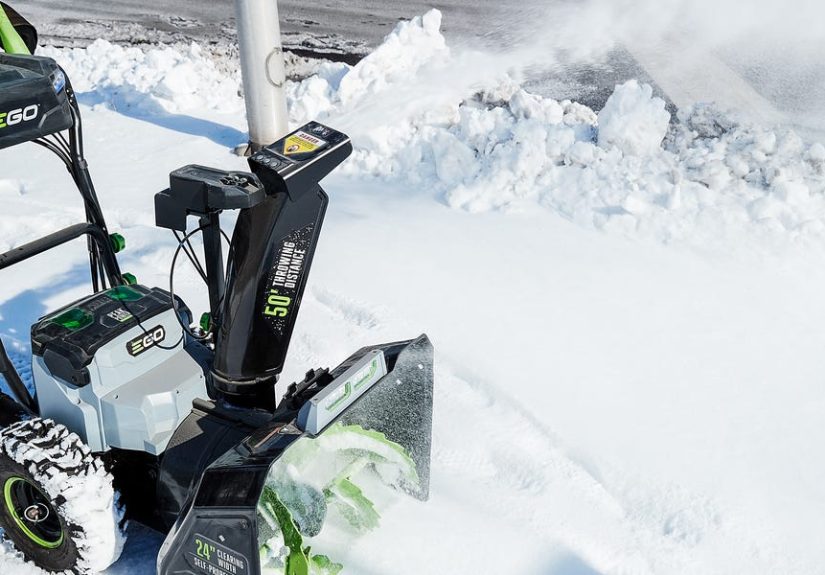
- 2) EGO POWER+ SNT2405 24" Self-Propelled 2-Stage Snow Blower
- 3) Toro Power Max e26 60V MAX* Two-Stage Snow Blower (26")
- 4) DEWALT 60V MAX* 21" Single-Stage Snow Blower
- 5) EGO POWER+ 21" Single-Stage (Steel Auger) Snow Blower
- 6) Milwaukee M18 FUEL 21" Dual-Battery Single-Stage Snow Blower
- 7) Toro Power Clear e21 60V MAX* (21")
- 8) Snow Joe 24V-X2-SB18 (18")
- Electric Snowblower Buying Guide (So You Don’t Buy the Wrong Beast)
- Safety Notes (Short, Serious, and Worth It)
- Final Thoughts: Which Electric Snowblower Should You Buy?
- Experience Notes: What Electric Snowblowers Feel Like After a Real Winter (Extra )
Winter doesn’t care about your schedule. It shows up at 6:12 a.m. on a workday, dumps a frosty
attitude on your driveway, and dares you to be late. If you’re done wrestling with pull-start cords,
gas cans, and that “why won’t you start” ritual, an electric snowblower is the modern peace treaty:
push-button power, less maintenance, and way fewer fumes in your face.
But “electric” can mean a lot of things in 2025: compact single-stage cordless units for regular
driveway cleanup, heavier two-stage battery beasts that act like gas’s quieter cousin, and corded
models that keep going as long as your extension cord behaves. Below are the eight electric
snowblowers that stand out this yearplus what to know before you buy so you don’t end up with
a machine that taps out halfway through a plow berm.
Quick Picks at a Glance
- Best Overall Two-Stage: RYOBI 40V HP Brushless Whisper Series 24″ Two-Stage
- Best Value Two-Stage: EGO POWER+ SNT2405 24″ Self-Propelled Two-Stage
- Most Durable Two-Stage: Toro Power Max e26 60V MAX* (26″)
- Best Overall Single-Stage: DEWALT 60V MAX* 21″ Single-Stage
- Best Value Single-Stage: EGO POWER+ 21″ Single-Stage (Steel Auger)
- Best “Battery Platform” Play: Milwaukee M18 FUEL 21″ Dual-Battery Single-Stage
- Best Driveway-and-Walkway Hybrid: Toro Power Clear e21 60V MAX* (21″)
- Best Lightweight Small-Space Pick: Snow Joe 24V-X2-SB18 (18″)
How These Electric Snowblowers Made the List
This roundup is built from a synthesis of hands-on testing notes, lab-style evaluations, and
long-term user feedback patterns across major U.S. home-and-tool publications and brand
specifications. In plain English: we focused on real-world performance, not just “spec-sheet
optimism.”
What we prioritized
- Match to snowfall reality: light powder vs. heavy wet snow vs. plow berm chunks
- Stage type: single-stage for smaller jobs; two-stage for deeper or denser snow
- Battery strategy: dual-battery systems, charger speed, and platform compatibility
- Usability: chute controls, visibility, turning, and “will I hate this after 12 minutes?”
- Build quality: metal where it matters (auger/housing), sturdy controls, stable traction
8 Best Electric Snowblowers of 2025
1) RYOBI 40V HP Brushless Whisper Series 24″ Two-Stage Snow Blower
If you want a battery snowblower that feels like it’s auditioning to replace gas, this is the vibe.
The two-stage design is the big deal here: the front auger gathers snow and feeds it into an
impeller that throws it outmeaning better throughput and longer throws than most single-stage
units. It’s also engineered with noise reduction in mind (your neighbors may still be awake, but
at least they won’t be awake angry).
- Best for: medium-to-large driveways, regular storms, and anyone wanting two-stage power without gas upkeep
- Why it stands out: two-stage performance + modern cordless convenience + “quiet for its class” design approach
- Watch-outs: it’s an investment; bigger machines also demand more storage space
The real win is confidence: with the right batteries, you’re not tiptoeing around the jobyou’re
actually clearing. If your winter includes compacted tire tracks and the occasional “snowplow
left me a frozen wall,” two-stage helps you keep your sanity.
2) EGO POWER+ SNT2405 24″ Self-Propelled 2-Stage Snow Blower
EGO’s two-stage lineup has become a headline act in the electric snowblower world, and the
SNT2405 is a sweet spot pick: wide clearing path, self-propelled drive, and the brand’s dual-battery
“Peak Power” approach. It’s designed to move serious snow while staying easier to maintain than
a traditional gas model (no oil changes, no stale fuel drama, no mysterious carburetor tantrums).
- Best for: larger driveways, heavier snowfalls, and people who want self-propelled help
- Why it stands out: strong two-stage output, respectable throwing distance, and a mature battery ecosystem
- Watch-outs: premium pricing; battery performance always varies with snow density and temperature
If you’ve got a long driveway and you’re tired of “battery anxiety,” this is the kind of machine
that makes electric feel less like a compromise and more like an upgrade.
3) Toro Power Max e26 60V MAX* Two-Stage Snow Blower (26″)
Toro’s e26 is the “built like a tank” option for electric shoppers who still want that classic
snowblower seriousnesssolid frame, two-stage architecture, and a wide 26-inch bite.
Toro has decades of snow equipment heritage, and the e26’s design language is basically:
“Yes, we know what plow berms are.”
- Best for: heavy storms, wide driveways, and homeowners who prioritize durability and traction
- Why it stands out: two-stage strength, big clearing width, and a more traditional heavy-duty build
- Watch-outs: heavier machines are harder to store and maneuver in tight spaces
This is the pick for people who don’t want to baby their equipment. If your winter includes wet
snow that clumps like mashed potatoes, the e26 is designed to keep moving.
4) DEWALT 60V MAX* 21″ Single-Stage Snow Blower
DEWALT’s cordless single-stage is an easy recommendation for homeowners who want a capable,
modern electric snowblowerespecially if they’re already invested in the DEWALT battery universe.
Single-stage means lighter weight and simpler handling, and for typical storms (a few inches at a
time), that’s often exactly what people need.
- Best for: standard driveways, sidewalks, and routine winter cleanup
- Why it stands out: strong brand ecosystem, practical features, and a “tool-company built it” sturdiness
- Watch-outs: single-stage units are less ideal for deep, heavy, end-of-driveway piles
This model is particularly appealing if you want push-button reliability and you’d rather swap
batteries than store gasoline. It’s the “grab-and-go” option that still feels substantial.
5) EGO POWER+ 21″ Single-Stage (Steel Auger) Snow Blower
EGO’s 21-inch single-stage is a fan favorite style of machine: nimble, quick to deploy, and strong
enough for most everyday snowfalls. The steel auger is a key difference versus softer materials:
it’s meant to bite and pull snow in more aggressively, which can help when conditions aren’t
fluffy-powder-perfect.
- Best for: small-to-medium driveways, decks, and daily “keep it clear” routines
- Why it stands out: strong single-stage performance, refined design, and a robust battery lineup
- Watch-outs: uneven surfaces can be annoying for single-stage machinesexpect more finesse on rough pavement
If your winter is frequent but not apocalyptic, this is the kind of electric snowblower that makes
you feel like you’re outsmarting the weather instead of battling it.
6) Milwaukee M18 FUEL 21″ Dual-Battery Single-Stage Snow Blower
Milwaukee’s entry is a smart pick for people who already live on the M18 platform (contractors,
serious DIYers, and anyone whose garage looks like a red-and-black showroom). The dual-battery
design is the headline because it helps deliver higher output than a single-pack setup, and it lets
you rotate batteries if you have spares on hand.
- Best for: M18 users, homeowners who want cordless convenience with a “work-tool” feel
- Why it stands out: platform advantage, strong build, and a power-forward approach for single-stage
- Watch-outs: weight can climb quickly in this category; budget for batteries if you want more runtime
In other words: if you already trust Milwaukee with your saws and drills, this snowblower makes
winter feel like just another jobsiteonly colder.
7) Toro Power Clear e21 60V MAX* (21″)
Toro’s Power Clear line has a reputation for practical, effective snow removal, and the e21 battery
version aims to keep that DNA while ditching gas. It’s a single-stage machine that’s especially
appealing for driveways and walkways where you want quick passes and clean resultswithout
wrestling a large two-stage unit out of storage.
- Best for: homeowners who want a quality single-stage with a more “traditional snowblower” build
- Why it stands out: Toro’s design experience, straightforward controls, and a strong single-stage identity
- Watch-outs: like all single-stage blowers, it’s not a miracle worker on deep berms and icy ridges
If you want something that feels familiar (in a good way) but still modern, the e21 is a solid
“no regrets” pick.
8) Snow Joe 24V-X2-SB18 (18″)
Sometimes you don’t need a driveway-eating monsteryou need something light, easy to handle,
and ready for stairs, patios, small driveways, and tight storage. That’s where the Snow Joe 24V-X2-SB18
shines. It’s compact, relatively lightweight, and powered by a dual 24V battery setup (48V total).
- Best for: small driveways, townhome spaces, decks, and quick cleanups
- Why it stands out: manageable size, approachable price tier, and good mobility
- Watch-outs: smaller width means more passes; it’s not built for frequent deep-snow events
Think of it as the “I refuse to shovel, but I also refuse to store a battleship” solution.
Electric Snowblower Buying Guide (So You Don’t Buy the Wrong Beast)
Single-stage vs. two-stage: the decision that matters most
Single-stage electric snowblowers are typically lighter, easier to maneuver, and great for
clearing a few inches at a time on smooth surfaces. They’re ideal for smaller properties and routine
storms where speed and simplicity matter more than brute force.
Two-stage snowblowers add an impeller to throw snow farther and move it fasterespecially
when snow is wet, dense, or deeper. If you regularly deal with end-of-driveway piles, heavy snowfall,
or a long driveway, two-stage battery models are often worth it.
Corded vs. cordless: freedom vs. infinite runtime
Corded electric snowblowers can be budget-friendly and dependable for small areas, but the cord
is a real-life obstacle course when snow is blowing sideways. Cordless models are dramatically more
convenient and keep getting stronger every yearbut runtime will always depend on battery capacity,
temperature, and how heavy the snow is.
Battery platform strategy (your future self will thank you)
If you already own batteries in a brand ecosystem (EGO, DEWALT, Milwaukee, Ryobi, Toro Flex-Force),
sticking with that platform can save money and reduce hassle. Extra batteries effectively turn
“one-charge runtime” into “finish the job” runtime. Just remember: cold weather can reduce battery
efficiency, and deep snow draws more power.
Clearing width, intake height, and your driveway math
- 16–21 inches: great for sidewalks and small driveways
- 24–26 inches: fewer passes for larger driveways; usually heavier but faster overall
Intake height matters when snow stacks up. If your area gets frequent storms that drift or pile,
two-stage designs typically handle “taller” snow better than compact single-stage machines.
Features that actually matter (and the ones that are just shiny)
- Chute control: easy adjustments help you avoid blasting snow back onto what you just cleared
- Headlights: genuinely useful when winter daylight is basically a rumor
- Self-propelled drive: huge comfort upgrade for heavier machines and sloped driveways
- Build materials: sturdier augers/housings tend to hold up better in rougher conditions
Safety Notes (Short, Serious, and Worth It)
Electric snowblowers are safer and cleaner than gas in many ways, but they’re still powerful machines.
Always follow the manufacturer’s safety guidance, keep hands away from moving parts, and keep kids and
pets at a safe distance while clearing. If conditions are extreme (ice layers, deep packed berms),
consider hiring help or using a more appropriate machine for the job.
Final Thoughts: Which Electric Snowblower Should You Buy?
If you want the most “gas-like” electric experience, lean toward two-stage machines like the
RYOBI Whisper Series 24″, EGO SNT2405, or Toro Power Max e26. If your winter is more “regular cleanup”
than “arctic survival,” a quality single-stage like DEWALT’s 60V MAX 21″, EGO’s 21″ steel auger model,
Milwaukee’s M18 FUEL, or Toro’s Power Clear e21 can feel faster, simpler, and easier to store.
The best electric snowblower is the one that matches your driveway size, your typical snowfall,
and your patience level. Choose wiselyand you’ll spend less time clearing snow and more time enjoying
the cozy part of winter (you know, the part that happens indoors).
Experience Notes: What Electric Snowblowers Feel Like After a Real Winter (Extra )
Here’s the part most “perfect world” reviews don’t tell you: electric snowblowers are less about raw
horsepower and more about momentum, routine, and timing. If you wait until the driveway looks like a
frosted wedding cake, any machineelectric or gaswill feel like it’s auditioning for a struggle montage.
But if you clear early and clear often, an electric snowblower can feel almost unfairly efficient.
The first thing you notice is the start-up experience. With electric, the “warm-up time” is basically
your walk from the garage. No pull cords, no fumes, no bargaining with an engine that only runs when it
feels emotionally supported. That convenience changes your behavior: you’re more likely to knock out a
quick pass before the snow gets packed down by tires or footsteps. And that’s where electric machines
quietly winbecause packed snow is the villain in every winter story.
The second thing you learn is that snow has personalities. Powder is the easygoing friend who helps you
move apartments. Wet snow is the chaotic friend who shows up late and breaks something. Electric single-stage
machines can be shockingly fast in powder, but heavy wet snow demands patience and a machine with enough
design advantageoften two-stageso you’re not forcing it. When wet snow piles up, you can feel the workload
increase: the motor note changes, the machine slows, and your batteries drain faster. That’s not a “bad
electric snowblower” problemit’s physics and moisture teaming up.
Battery strategy becomes your winter rhythm. People who love their electric snowblower usually have one of two
setups: (1) a machine sized correctly for their driveway, or (2) extra batteries ready to go. If you already
own a battery platform (say, DEWALT or Milwaukee), it’s oddly satisfying to rotate packs like you’re running
a tiny snow-removal pit crew. Also: storing batteries in a temperature-stable place tends to make performance
feel more consistent. Cold batteries can be dramaticlike phones in January that drop from 42% to 9% just
because you looked at them wrong.
Ergonomics matter more than you think. Headlights are not a gimmick when winter days are short and you’re clearing
at dawn or after dinner. Chute controls are also a big deal: if adjusting direction feels clunky, you’ll either
ignore it (and repaint your freshly cleared path with blown-back snow), or you’ll stop constantly and get annoyed.
Self-propelled drive on larger two-stage electric models is a comfort upgrade that sneaks up on youespecially on
slopes, or when the machine is heavy enough to feel like it has its own zip code.
Finally, electric snowblowers change the “noise mood” of a neighborhood. Gas machines announce themselves like a
small motorcycle parade. Electric units are still loud enough to be heard, but the sound is often less harsh and
less likely to wake the entire block. That’s not just a convenienceit can be the difference between clearing early
and waiting until later (and later is when the snow gets packed down and turns mean).
After a full winter, the takeaway is simple: electric snowblowers reward proactive clearing and smart sizing.
Match the stage type to your snow, pick a battery ecosystem you can live with, and you’ll spend less time
“doing battle” and more time doing what winter was always meant forcomplaining about the cold from inside
while holding something warm.