Table of Contents >> Show >> Hide
- Jump to an opportunity
- One-minute safety reality check
- 1) Habitat for Humanity: build and repair homes
- 2) Rebuilding Together: safety and accessibility fixes
- 3) Team Rubicon: disaster response and recovery
- 4) Parks & forests: trail and facility projects
- 5) Conservation groups: boardwalks and habitat work
- 6) Community gardens: build the infrastructure for food
- 7) Repair Cafés: fix-it clinics for everyday stuff
- 8) Youth makers & robotics: mentor the next builders
- How to pick the best fit
- DIY Volunteer Experiences: What It Actually Feels Like
- Wrap-up
If you’re the kind of person who can’t walk past a loose cabinet hinge without fixing it, your DIY habit can do more than upgrade your own home. It can upgrade your whole community. The United States has no shortage of hands-on volunteer opportunities that need practical skillscarpentry, painting, tool know-how, troubleshooting, and the rare gift of reading instructions without starting a feud. This is skilled volunteering in the most satisfying sense: you show up, you build, and you leave something better than you found it.
Below are eight places to volunteer where “I’m handy” turns into real impact. You’ll see what you’ll actually do, which skills matter most, and how to get started without accidentally becoming the person everyone watches during the safety briefing.
One-minute safety reality check
Volunteer job sites are different from your garage. Expect an orientation, a team lead, and rules that prioritize safety over speed. Be coachable, ask questions, and stay in your laneespecially around electrical, plumbing, and ladders (gravity is undefeated).
What to bring (most of the time)
- Closed-toe shoes you don’t mind scuffing, plus comfortable clothes you can move in
- Work gloves you can actually grip with (not the “cute gardening” kind)
- Water, snacks, sunscreen, and any personal PPE you prefer (knee pads are elite)
- A learning mindsetbecause every site has its own standards and shortcuts are banned
1) Habitat for Humanity: build and repair homes
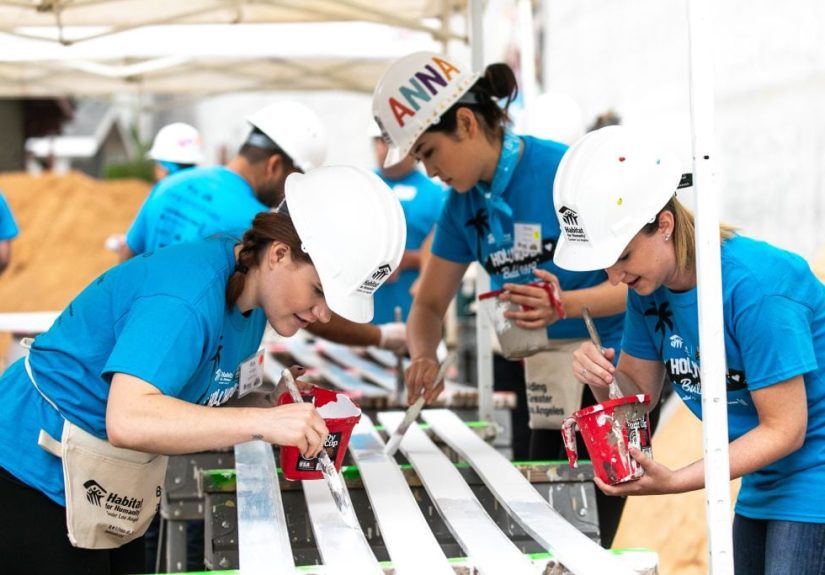
Habitat for Humanity is one of the most accessible ways to do hands-on volunteering. Local affiliates often run both new-home construction and home preservation/repair projects, which can include painting, landscaping, weatherization, and minor exterior repairs.
What you’ll do
- Paint, caulk, prep surfaces, and handle basic finish work
- Basic carpentry and site support (cutting, measuring, fasteningtask-dependent)
- Cleanup and organization that keeps the build moving (the unglamorous hero work)
How to get started
Look for a local Habitat affiliate, pick a build day that fits your schedule, and complete any quick training they require. Many sites welcome beginners because team leads assign tasks by comfort level. If you have a specific trade skill, mention itpolitely and without flexing like you’re on a reality show.
DIY pro tip
If you’re new, aim to be “reliably careful.” Clean cuts, straight lines, and tidy workspaces are more valuable than speed.
2) Rebuilding Together: safety and accessibility fixes
Rebuilding Together focuses on safe and healthy housingoften for homeowners who need critical repairs or accessibility improvements. Projects can be small-but-mighty (fix the hazard) or bigger, coordinated volunteer days where a team knocks out multiple upgrades.
What you’ll do
- Minor repairs (steps, railings, doors, patching, basic maintenance)
- Accessibility upgrades like handrails, grab bars, and ramps (planned and supervised)
- Painting and “make it safer and sturdier” improvements
How to get started
Find a local affiliate, sign up for a volunteer day, and be honest about your experience level. Skilled trades volunteers often lead, while others assistso you can learn without being asked to invent a new structural engineering theory on the spot.
DIY pro tip
Bring knee pads if you have them. You’ll use them. Your future self will send you a thank-you note.
3) Team Rubicon: disaster response and recovery
After hurricanes, floods, wildfires, and severe storms, recovery takes muscle, coordination, and safe tool use. Team Rubicon trains and mobilizes volunteers to help communities with response and cleanup work in the wake of disastersoften when locals are overwhelmed and time matters.
What you’ll do
- Debris removal, muck-outs, and site cleanup
- Basic recovery tasks assigned by the operation lead (often repetitive, always important)
- Work as part of a structured team with clear safety protocols
How to get started
Register as a volunteer, complete required onboarding, and keep your availability updated. Disaster response isn’t always “this Saturday at 10”it can be rapid and location-dependent. If you can’t deploy, watch for local training days or community operations you can join closer to home.
DIY pro tip
Pack like you’re going on a sweaty field trip: water, snacks, gloves you can grip with, and clothes you’re willing to sacrifice to the mud gods.
4) Parks & forests: trail and facility projects
National parks, state parks, and national forests rely on volunteers for everything from trail maintenance to light construction and facility upkeep. Opportunities vary widely by sitesome are one-day events; others are seasonal or ongoing. Either way, it’s one of the best “I want to help and be outside” options.
What you’ll do
- Trail work: clearing brush, removing hazards, improving drainage
- Small builds and repairs: signs, fences, simple structures (project-dependent)
- Stewardship programs (like adopting a trail) where you return regularly
How to get started
Search for volunteer listings through the park or forest you care about and choose a task that matches your fitness level. Trail days often provide tools and instruction, but you should bring water and be ready for a workout that feels like “gym, but with purpose.”
DIY pro tip
Technique beats toughness. Learn how the crew lifts, cuts, and clearsthen copy it. Your back will stay friends with you.
5) Conservation groups: boardwalks and habitat work
Land trusts and conservation nonprofits maintain preserves and wetlands that need real infrastructure: boardwalks over muddy terrain, small bridges, fencing, and trail improvements that protect sensitive ecosystems. The work can be surprisingly “shop-class,” except the shop is a forest and the floor is occasionally… soup.
What you’ll do
- Carry and assemble lumber for boardwalks or trail structures (under guidance)
- Build or repair erosion-control features and trail edges
- Support habitat projects like fencing or simple access improvements
How to get started
Look for stewardship days run by local land trusts, conservancies, or conservation nonprofits. Start with an organized volunteer build (where tools and plans are provided) before you commit to ongoing trail stewardship.
DIY pro tip
Wear gloves that can handle wet wood, and boots that don’t panic when the ground turns into pudding.
6) Community gardens: build the infrastructure for food
Community gardens and food-access programs don’t just need green thumbsthey need builders. Raised beds, compost systems, tool sheds, gates, and accessible pathways are what make gardens usable and sustainable. When you build the “boring” parts, people can focus on growing the good parts.
What you’ll do
- Build raised beds, benches, trellises, and storage
- Repair fences and gates (because squirrels are basically tiny burglars)
- Improve pathways, signage, and work areas for better accessibility
How to get started
Reach out to a community garden, food pantry garden, or refugee/immigrant gardening program in your area and ask about build days. Many groups love volunteers who can safely run a drill, set posts straight, and explain things kindly to first-timers.
DIY pro tip
Build for maintenance. A sturdy, easy-to-repair bed beats a fancy design that collapses the first time someone leans on it to admire a tomato.
7) Repair Cafés: fix-it clinics for everyday stuff
Repair Cafés are free community events where volunteer “repair coaches” help neighbors troubleshoot and fix broken itemslamps, small appliances, bikes, electronics, clothing, and more. The goal isn’t just repair; it’s skill-sharing and waste reduction. Many communities host these through libraries or neighborhood groups, and some nonprofits go further by refurbishing bikes or computers for people who need affordable transportation or tech. It’s also the only party where someone can say “pass me the multimeter” and everyone nods respectfully.
What you’ll do
- Diagnose issues and guide owners through safe fixes
- Do small mechanical adjustments, sharpening, and basic device repair (as allowed)
- Teach: explain what’s happening so people learn and feel empowered
How to get started
Find a local Repair Café or fix-it clinic (libraries and community centers often host them), then volunteer as a coach in your comfort area: sewing, small appliances, electronics, bikes, furniture, or “general tinkering.” If you have specialty tools, ask whether bringing them is helpfulsome events have shared tool kits already.
DIY pro tip
Keep a little tray for screws and springs. Tiny parts love freedom, and you are here to end their reign.
8) Youth makers & robotics: mentor the next builders
Mentoring is “DIY skills with compound interest.” Youth robotics teams (including programs like FIRST Robotics) and makerspace programs depend on adults who can teach safe tool use, prototyping, basic mechanics/electronics, and the art of calm troubleshooting. It’s less about being a genius and more about helping students build confidence and good habits.
What you’ll do
- Coach safe tool habits: measuring, cutting, drilling, fastening, and finishing
- Support prototyping, iteration, and “let’s test that” problem-solving
- Model teamwork, planning, and respectful shop culture
How to get started
Volunteer through a local team, school program, or makerspace. Many programs require basic background checks and an ongoing commitment (even a few hours a week). If your schedule is tight, consider short-term roles like event volunteering or helping with a single build session.
DIY pro tip
Teach documentation earlyphotos, labels, notes. When something breaks, good notes turn panic into a quick fix.
How to pick the best fit
- Want immediate results? Home repairs, gardens, and Repair Cafés are incredibly satisfying.
- Want outdoor projects? Trails and conservation builds give you purpose and fresh air.
- Want the deepest human impact? Disaster recovery and home safety work hit hardin a good way.
- Want to multiply your skills? Mentoring spreads your know-how to the next generation.
DIY Volunteer Experiences: What It Actually Feels Like
Volunteering with DIY skills is a full-body reset. You spend a few hours doing real work with real tools, and your brain stops spinning like a browser with 47 tabs open. You go home tired in the satisfying waylike you earned your couch time.
Your first shift will humble you. Even if you’ve renovated a room or built a deck, volunteer sites have a rhythm: a safety talk, a team lead, and a plan. You’ll learn the “site way” to carry lumber, set up ladders, label hardware, and keep tools from wandering off. It’s not about perfection; it’s about consistency and safety. Somebody will gently correct your stance or your grip, and you’ll realize you just got a free lesson from a person who could probably build a shed from vibes alone.
You’ll find your niche fast. Some volunteers become painting machinesclean edges, steady roller work, zero drips. Others are the calm troubleshooters who can diagnose why the drill isn’t working (hint: it’s always the battery or the forward/reverse switch). At Repair Cafés, your superpower might be translating panic into a plan: “Let’s start with the simplest possible issue and work outward.” That calm helps people learn instead of just watching you do magic.
Small fixes feel huge. A solid handrail, a safe step, a tightened gate, a leveled garden bednone of that is glamorous, but it changes daily life. Trails stay passable. Homes stay safer. People keep their favorite lamp out of the landfill. These wins are quiet, which makes them easy to underestimate until you see someone’s face when the thing works again.
Expect curveballs (and handle them like a pro). Volunteer leaders plan carefully, but real-world projects love surprises: warped boards, missing parts, a door frame that is “vintage” (read: not square). Your DIY brain will want to improvise. Do itbut do it responsibly. Ask before changing the plan, offer options, and prioritize fixes that won’t create maintenance headaches later. Being the person who solves problems without creating new ones is the fastest way to earn trust on a site.
Teamwork is the secret sauce. You’ll meet retirees with encyclopedic tool knowledge, teenagers who fear nothing (except maybe drywall dust), and neighbors who just want to help. You’ll share snacks, stories, and the oddly universal joy of a stubborn bolt finally giving up. After a few projects, you’ll notice you don’t just remember what you builtyou remember who you built it with. That’s why people come back.
And yes, it changes your “DIY brain” at home. You’ll start labeling fasteners, organizing tools, and choosing repairs that are safer and more durablebecause you’ve seen what happens when shortcuts fail. Volunteering is basically continuing education, except the tuition is sweat and the diploma is a fence that actually stands up.
The after-project glow is real. You’ll catch yourself scanning your neighborhood for other little fixes and thinking, “I could help with that.” That’s the point. When your DIY skills leave your house and become community skills, you stop feeling like a lone tinkerer and start feeling like part of a team that makes places livable.
Wrap-up
If you want volunteer opportunities where your skills matter, start with one shift and treat it like a project: show up, learn, and improve. You’ll leave with tangible results, new friends, and the rare satisfaction of work you can literally point to.