Table of Contents >> Show >> Hide
- What Is Constipation?
- 9 Home Remedies To Get Rid of Constipation
- 1. Drink More Water and Fluids
- 2. Increase Fiber Slowly
- 3. Eat Prunes, Pears, and Other Naturally Helpful Fruits
- 4. Try a Warm Morning Drink
- 5. Move Your Body Daily
- 6. Build a Bathroom Routine
- 7. Improve Your Toilet Posture
- 8. Add Fermented Foods or Probiotic-Rich Options
- 9. Use Over-the-Counter Help Carefully When Lifestyle Steps Are Not Enough
- Foods That May Help Constipation
- Foods That Can Make Constipation Worse
- When To See a Doctor for Constipation
- Common Mistakes To Avoid
- A Simple One-Day Constipation Relief Routine
- Personal Experience and Practical Lessons From Constipation Remedies
- Conclusion
- SEO Tags
Constipation is one of those health problems nobody wants to discuss at brunch, yet almost everyone has met it at some point. One day your digestive system is running like a polite commuter train; the next day, it has apparently gone on strike, taken the keys, and left no forwarding address.
The good news: occasional constipation often improves with simple home remedies. The not-so-glamorous but very effective basics include drinking enough fluids, eating more fiber, moving your body, building a bathroom routine, and choosing foods that naturally support bowel movements. No dramatic detox tea required. Your colon is not asking for a celebrity cleanse; it is usually asking for water, plants, patience, and a little schedule consistency.
This guide breaks down nine practical home remedies to get rid of constipation, explains why they may help, and shows how to use them safely. These tips are meant for mild, occasional constipation. If constipation is severe, lasts for weeks, comes with rectal bleeding, black stools, vomiting, unexplained weight loss, fever, or strong abdominal pain, contact a healthcare professional promptly.
What Is Constipation?
Constipation generally means having bowel movements less often than usual, passing hard or dry stools, straining, or feeling like you did not fully empty your bowels. “Normal” is not the same for everyone. Some people go daily; others go every other day and feel completely fine. The real issue is a change from your normal pattern plus discomfort.
Common triggers include a low-fiber diet, not drinking enough fluids, sitting too much, ignoring the urge to go, travel, stress, changes in routine, certain medications, and some medical conditions. The remedies below focus on the lifestyle factors you can often improve at home.
9 Home Remedies To Get Rid of Constipation
1. Drink More Water and Fluids
Water is not the most exciting remedy, but it is one of the most important. Stool needs fluid to stay soft enough to move comfortably through the colon. When you do not drink enough, your body may pull more water from stool, leaving it dry, hard, and stubborn.
Start by sipping water throughout the day instead of trying to chug a heroic amount at night. Clear soups, herbal teas, and water-rich foods like oranges, berries, cucumbers, lettuce, and melon can also contribute to hydration. If you increase fiber but forget fluids, you may feel more bloated and backed up, which is the digestive equivalent of adding traffic cones to an already jammed road.
A simple example: add one glass of water when you wake up, one with each meal, and one between meals. Adjust for heat, exercise, sweating, and personal medical needs. People with kidney, heart, or fluid-restriction conditions should follow their clinician’s advice.
2. Increase Fiber Slowly
Fiber helps prevent and relieve constipation by adding bulk and softness to stool. There are two major types: soluble fiber, which forms a gel-like texture in the gut, and insoluble fiber, which helps move stool along. A healthy constipation-friendly diet usually includes both.
Good fiber-rich foods include oatmeal, beans, lentils, peas, chia seeds, ground flaxseed, berries, apples with the skin, pears, broccoli, carrots, leafy greens, sweet potatoes, brown rice, and whole-grain bread. Instead of jumping from “barely any fiber” to “I am now a human compost bin,” increase gradually over several days or weeks.
Try this easy upgrade plan: add oatmeal or whole-grain toast at breakfast, include a fruit snack, and add beans or vegetables to lunch or dinner. If your body is not used to fiber, too much too fast can cause gas, bloating, and cramps. Slow and steady wins the bathroom race.
3. Eat Prunes, Pears, and Other Naturally Helpful Fruits
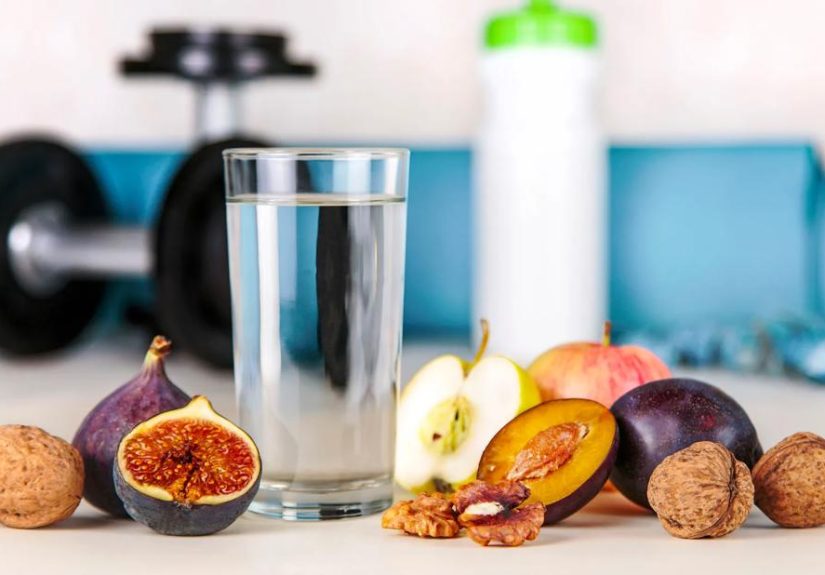
Prunes have a well-earned reputation for constipation relief. They contain fiber and sorbitol, a naturally occurring sugar alcohol that draws water into the intestines and can help soften stool. Prune juice may also help some people, especially when paired with enough water during the day.
Pears, apples, peaches, apricots, berries, and kiwi can also support regularity. Pears and apples contain fiber and naturally occurring sugars that may encourage bowel movement. Kiwi is popular because it provides fiber, fluid, and a refreshing “I am doing something healthy” feeling without tasting like homework.
Start small. A few prunes or a small glass of prune juice may be enough for some people. Eating a huge bowl of dried fruit can lead to bloating, gas, or urgent bathroom drama. Constipation relief is the goal; launching a digestive emergency broadcast is not.
4. Try a Warm Morning Drink
A warm drink in the morning can help stimulate the gastrocolic reflex, the natural response that tells your colon to move after eating or drinking. Warm water, herbal tea, or warm water with lemon may help some people feel ready to go.
Coffee can also stimulate bowel activity for some adults, but it is not a magic cure and may not be suitable for everyone. Too much caffeine can contribute to jitteriness, sleep problems, or stomach discomfort. If coffee helps, keep it reasonable and continue drinking water too.
A practical routine might look like this: wake up, drink warm water or tea, eat a fiber-containing breakfast, then give yourself unhurried bathroom time. Your colon loves routines more than it loves surprises. Treat it like a tiny office worker with a calendar invite.
5. Move Your Body Daily
Physical activity helps encourage normal intestinal movement. You do not need to train for a marathon or start wearing neon running gear unless that is your dream. A brisk walk, light cycling, swimming, dancing, or a gentle home workout can help wake up digestion.
Walking after meals is especially useful for many people. Even 10 to 20 minutes may help reduce that heavy, stuck feeling. If you sit for long periods, stand up regularly, stretch, and move around. Your digestive system was not designed for “chair mode” all day.
For people who are new to exercise, start gently. A short daily walk is more sustainable than one intense workout followed by five days of pretending stairs are a personal enemy.
6. Build a Bathroom Routine
Constipation often gets worse when people ignore the urge to go. The body sends a signal, the person says, “Not now, I am busy,” and the colon quietly takes that personally. Over time, delaying bowel movements can make stool harder and the urge less noticeable.
Try to use the bathroom at the same time each day, especially after breakfast. Do not rush. Sit for a few minutes, breathe normally, and avoid forcing. Straining can worsen hemorrhoids and make the whole experience more unpleasant.
Also, leave your phone outside or limit scrolling. A quick scroll can become a 25-minute expedition through social media, and your legs may go numb before your bowels cooperate. Bathroom time should be calm, not a full entertainment event.
7. Improve Your Toilet Posture
Toilet posture can make a surprising difference. Sitting with your knees slightly higher than your hips may help align the rectum in a way that makes bowel movements easier. You can place your feet on a small stool, box, or sturdy step while sitting on the toilet.
Lean forward slightly, rest your elbows on your thighs, relax your belly, and breathe. Avoid holding your breath and pushing hard. Gentle breathing helps the pelvic floor relax, while aggressive straining turns the bathroom into a weightlifting competition nobody signed up for.
This remedy is simple, cheap, and easy to try. It will not solve every case of constipation, but for many people, better positioning can reduce effort and discomfort.
8. Add Fermented Foods or Probiotic-Rich Options
Your gut contains a large community of bacteria that help with digestion. Some people find that probiotic-rich foods support more regular bowel habits, although results vary from person to person.
Common options include yogurt with live and active cultures, kefir, sauerkraut, kimchi, miso, and other fermented foods. Choose versions that fit your diet and tolerance. If dairy bothers your stomach, try non-dairy probiotic options or focus on fiber-rich plant foods that feed helpful gut bacteria.
Do not expect overnight miracles. Fermented foods are more like a long-term neighborhood improvement project for your gut, not a one-button elevator to instant relief. Add them gradually and pay attention to how your body responds.
9. Use Over-the-Counter Help Carefully When Lifestyle Steps Are Not Enough
Although this article focuses on home remedies, occasional constipation sometimes needs gentle over-the-counter support. Fiber supplements, stool softeners, or osmotic laxatives may help some people, but they should be used according to label directions and with enough fluids.
Do not use laxatives constantly without medical guidance. Overusing certain laxatives can cause problems, and some products may not be right for people with kidney disease, heart conditions, pregnancy, medication interactions, or chronic digestive symptoms. If you feel like you need a laxative regularly just to function, it is time to talk with a healthcare professional.
A good rule: use lifestyle habits as the foundation and occasional OTC options as backup, not as the entire plan. Your digestive system deserves a routine, not a weekly emergency meeting.
Foods That May Help Constipation
When building meals for constipation relief, think “fiber plus fluid.” A bowl of oatmeal with berries and chia seeds is a strong breakfast choice. Lentil soup gives you fiber and hydration together. A salad with beans, vegetables, avocado, and whole grains can support bowel regularity while still tasting like actual food.
Other helpful choices include bran cereal, whole-wheat pasta, brown rice, popcorn, oranges, apples, pears, peas, spinach, carrots, sweet potatoes, almonds, and walnuts. If you are sensitive to gas, start with smaller portions of beans and cruciferous vegetables, then increase slowly.
Foods That Can Make Constipation Worse
Some foods may contribute to constipation when eaten too often, especially if they replace fiber-rich foods. These include large amounts of cheese, highly processed snacks, fried foods, refined grains, pastries, fast food, and meals with very little produce. You do not have to ban every slice of pizza from your life. Just do not make your digestive system survive on cheese, white bread, and hope.
A balanced approach works better: keep favorite foods, but pair them with fiber and fluids. For example, if dinner is pasta, choose whole-grain pasta when possible and add vegetables or beans. If lunch is a sandwich, use whole-grain bread and add fruit on the side.
When To See a Doctor for Constipation
Home remedies are helpful for mild constipation, but some symptoms need medical attention. Contact a healthcare professional if constipation lasts more than a few weeks, keeps returning, or does not improve despite changes in diet, fluids, and activity.
Seek care promptly if you notice blood in your stool, black stools, severe or constant abdominal pain, vomiting, fever, unexplained weight loss, anemia, new constipation after age 50, or a sudden major change in bowel habits. Also speak with a clinician if constipation starts after beginning a new medication or if you have a medical condition that affects digestion.
There is no prize for suffering in silence. If your body is waving red flags, do not treat them like decorative bunting.
Common Mistakes To Avoid
Adding Too Much Fiber Too Fast
Fiber is useful, but a sudden fiber explosion can cause bloating and gas. Increase gradually and drink enough water.
Depending Only on Coffee
Coffee may help some people go, but it should not replace fluids, fiber, meals, sleep, or medical care when symptoms are persistent.
Ignoring the Urge To Go
When your body gives you the signal, respond when you can. Repeatedly delaying bathroom time can make constipation harder to manage.
Straining Too Hard
Forceful straining can worsen discomfort. Use better posture, relaxed breathing, and patience instead.
A Simple One-Day Constipation Relief Routine
Here is a realistic routine you can try for occasional constipation. In the morning, drink a glass of water or warm tea. Eat oatmeal with berries, ground flaxseed, or chia seeds. Take a short walk after breakfast. When you feel the urge to go, use the bathroom without rushing and place your feet on a small stool.
At lunch, choose a fiber-rich meal such as lentil soup, a bean burrito with vegetables, or a whole-grain sandwich with fruit. Keep sipping water during the day. In the afternoon, move again, even if it is just a short walk. At dinner, include vegetables, whole grains, and a healthy protein. If prunes work for you, try a small serving later in the day.
The goal is not perfection. The goal is to make your digestive system feel supported instead of abandoned in a desert with a sleeve of crackers.
Personal Experience and Practical Lessons From Constipation Remedies
One of the biggest lessons people learn about constipation is that the “best” remedy is rarely one dramatic trick. It is usually a combination of small habits. Someone may drink prune juice and feel better, but the real reason it worked might be that they also drank more water, ate breakfast, walked after meals, and stopped delaying bathroom time.
In real life, constipation often shows up during schedule chaos. Travel is a classic example. You wake up earlier than usual, eat airport food, drink less water because you do not want to hunt for bathrooms, sit for hours, and then wonder why your digestive system filed a complaint. A travel-friendly plan helps: carry a water bottle, pack fruit or whole-grain snacks, walk during layovers, and give yourself bathroom time at the hotel instead of rushing into the day.
Another common experience is the “healthy diet mistake.” A person decides to eat better and suddenly adds giant salads, beans, bran cereal, chia seeds, and raw vegetables all at once. Their fiber intake triples overnight, and then their stomach feels like a balloon animal. The better approach is gradual: add one fiber-rich food at a time, drink more fluids, and let the gut adjust.
Many people also underestimate routine. The bowel likes rhythm. A consistent breakfast, a warm drink, and quiet bathroom time can be surprisingly effective. This does not mean sitting forever or forcing anything. It means giving the body a predictable chance to do its job. Think of it as opening the office at the same time every day so the colon knows when business hours begin.
Toilet posture is another small change that can feel oddly powerful. Raising the feet on a small stool may reduce straining and make the process feel more natural. It is not fancy. It will not appear in luxury wellness ads with someone standing on a cliff at sunrise. But it is practical, inexpensive, and easy to try.
Food tracking can help too. Not obsessive trackingjust a simple note of what you ate, how much water you drank, activity level, stress, and bowel pattern. After a week, patterns often appear. Maybe constipation follows low-water days. Maybe it happens after lots of cheese and refined carbs. Maybe weekends are fine because you walk more and mornings are slower. These clues can guide smarter changes.
Finally, the most important experience-based lesson is this: do not let embarrassment delay care. Constipation is common, and healthcare professionals discuss it all the time. If symptoms are severe, unusual, painful, or persistent, getting help is not overreacting. It is being responsible. Your digestive system may have a sense of humor, but red flags are not jokes.
Conclusion
Constipation can be uncomfortable, annoying, and weirdly capable of ruining your mood, but occasional constipation often improves with simple home remedies. Drink enough fluids, increase fiber slowly, eat helpful fruits like prunes and pears, try warm morning drinks, move daily, build a bathroom routine, improve toilet posture, support gut health with probiotic-rich foods, and use over-the-counter help carefully when needed.
The best plan is usually boring in the most beautiful way: water, plants, movement, routine, and patience. Your colon does not need a motivational speech. It needs support, consistency, and maybe a few prunes that know exactly what they came here to do.
Note: This article is for general educational purposes only and does not replace medical advice. Seek professional care for severe, ongoing, or unusual constipation, especially if warning symptoms appear.