Table of Contents >> Show >> Hide
- Table of Contents
- 1) There are way more spider species than you think
- 2) Most spiders have eight eyes, but “good vision” is optional
- 3) Spiders “taste” with their feet
- 4) Spider legs are partly hydraulic
- 5) They can “hear” without ears
- 6) Spider silk is a high-performance super material
- 7) Some spiders recycle their webs by eating them
- 8) Some spiders basically fly using “ballooning” silk
- 9) Spider parenting can include “milk”
- 10) A few spider species live in cooperative colonies
- Real-life spider experiences (extra 500+ words)
- Conclusion
Spiders have a branding problem. They’re basically tiny, eight-legged pest-control superheroes with engineering degrees… yet many of us react to a spider like it just announced it’s moving into our pillow. The truth is, spiders are wildly diverse, surprisingly clever (in “biology did WHAT?” ways), and way more interesting than their spooky-season reputation suggests.
Below are 10 genuinely fascinating spider factsbuilt for curious readers, nervous readers, and anyone who’s ever stared at a web and thought, “Okay, that’s… kind of incredible.” Stick around to the end for a longer “real-life spider experiences” section that makes these facts feel even more relatable.
1) There are way more spider species than you think
Spiders aren’t a “one kind of creepy crawler” situation. Scientists have documented tens of thousands of species, and new ones are still being described. That means the spider you see in your bathroom is just one tiny dot in a massive family reunion you were never invited to (and honestly, that’s probably for the best).
A quick way to picture it
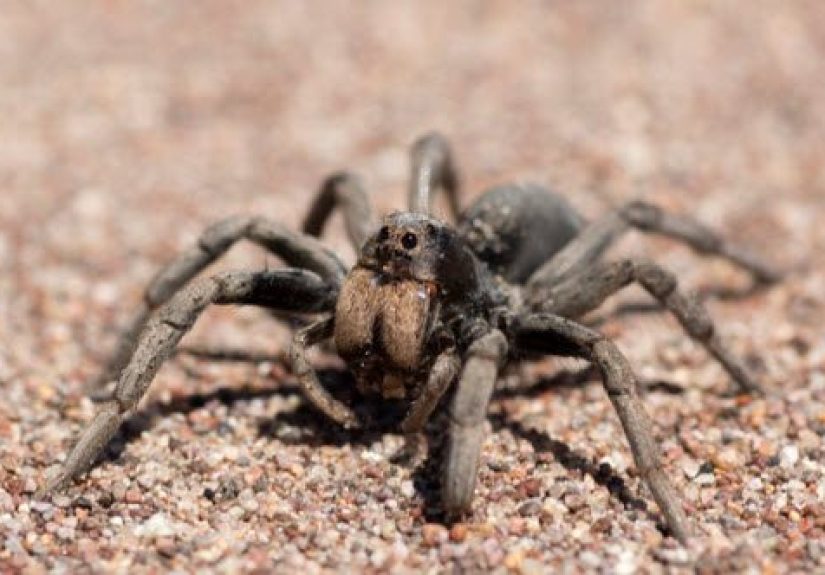
Think of “spider” like “bird.” A hummingbird and a bald eagle are both birds, but they live totally different lives. Same deal here: orb-weavers build geometric webs, wolf spiders sprint and hunt, jumping spiders stalk like miniature cats, and some species barely use webs at all.
2) Most spiders have eight eyes, but “good vision” is optional
Many spiders have eight eyes, but that doesn’t mean they’re all rocking superhero eyesight. For lots of species, those eyes are more like “motion detectors” than high-definition cameras. They rely heavily on vibration, touch, and chemical cues to understand what’s happening around them.
The exception that steals the show: jumping spiders
Jumping spiders are the vision champions of spiderkind. Their big front-facing eyes help them judge distance, track movement, and pounce with impressive accuracy. If you’ve ever felt like a spider was “watching you,” there’s a decent chance it was a jumping spider doing exactly thatcuriously, not menacingly.
3) Spiders “taste” with their feet
Here’s a fact that turns your floor into a flavor map: spiders can detect chemicals through sensors on their legs. In other words, when a spider taps around, it’s not just checking the terrainit’s “reading” information about what (or who) has been there. That’s how many spiders help identify prey, potential mates, and whether something is worth investigating.
Why this matters in real life
It explains why a spider might pause, pivot, and then leave like it suddenly remembered an appointment. It probably picked up chemical clues that said, “Nopewrong place, wrong time,” and politely declined the situation.
4) Spider legs are partly hydraulic
Spiders do use musclesjust not for everything. To extend certain leg joints, many spiders rely on internal fluid pressure (their version of blood pressure). It’s a built-in hydraulic assist, which is one reason spider movement can look so smooth, quick, and a little… unreal.
The “curled legs” clue
You may have noticed that dead spiders often have legs curled inward. One explanation is that without normal internal pressure, the legs naturally fold. It’s not a horror-movie detailit’s biomechanics doing what biomechanics does.
5) They can “hear” without ears
Spiders don’t have ears like mammals do, but that doesn’t mean they’re unaware of sound. Many species sense vibrations and airflow using fine hairs on their bodies and legs. Those hairs can pick up tiny movements in the airbasically turning the spider into a living vibration sensor.
Yes, some spiders respond to sound from surprisingly far away
Research has shown that certain jumping spiders can detect airborne sound cues at a distance, which helps them react to potential threats (or opportunities) without needing to “see” them first. So if a spider bolts when you clap, it might not be psychic. It might just be exquisitely sensitive to the world’s smallest signals.
6) Spider silk is a high-performance super material
Spider silk isn’t “string.” It’s a protein-based fiber with impressive mechanical propertiesoften described as extremely strong for its weight and notably tough (meaning it can absorb energy before breaking). Some silks can stretch a lot, others are sturdier, and spiders can mix and match silk types like an engineer with a full tool chest.
One spider, multiple silks
Depending on the species, silk can be used for lifelines, web frames, sticky capture spirals, egg sacs, “baby-proofing” shelters, or even wrapping prey. If humans had this many specialty materials coming from one source, we’d put it on a logo and charge extra for it.
7) Some spiders recycle their webs by eating them
Building a web takes resourcesespecially protein. Many web-building spiders solve this with a strategy that’s equal parts practical and weirdly relatable: they eat old webs and reuse the material. That lets them conserve protein and rebuild without starting from scratch every time.
Why your backyard web “disappears”
If you’ve ever seen a web one day and not the next, it might not have been destroyed by weather or lawn equipment. The spider may have taken it down on purpose, recycled it, and quietly rebuilt somewhere that had better “bug traffic.”
8) Some spiders basically fly using “ballooning” silk
Ballooning is one of the most astonishing spider behaviors: a spider releases silk that catches airflow and lifts it into the air, allowing it to travel far from where it hatched. This is common for tiny spiderlings, but some larger spiders can do it too under the right conditions.
It’s not just windphysics gets involved
Scientists have explored how environmental forceslike airflow and even electric fields in the atmospherecan influence ballooning. The result is a travel method that’s part kite, part parachute, and part “how is this real?”
9) Spider parenting can include “milk”
Not all spiders are hands-off parents. In fact, one especially surprising example comes from a jumping spider species where mothers provide a milk-like nutritious secretion to their young. The spiderlings drink it for an extended periodlong after hatchingmaking spider parenting suddenly sound a lot more… mammal-adjacent than anyone expected.
What this tells us
Spider behavior isn’t just “make web, eat bug, repeat.” Across different species, you can find intense maternal care, guarding egg sacs, and complex strategies that improve the survival of spiderlings in a tough world.
10) A few spider species live in cooperative colonies
Most spiders are solitary and not exactly thrilled about roommates. But a small number of species are genuinely socialliving in groups, maintaining communal webs, and cooperating to capture prey. Some colonies build enormous web structures and work together to handle prey that would be challenging for a single spider.
Teamwork makes the (web) dream work
Cooperative living can offer advantages like shared maintenance, better prey capture, and increased protection for young. It’s a reminder that “spider” is a broad categoryand nature rarely sticks to just one lifestyle option.
Real-life spider experiences (extra 500+ words)
Facts are fun, but spiders become a lot less mysterious when you connect them to everyday moments. Here are common spider-related experiences people haveand how the science you just read explains what’s going on.
1) The “morning web reveal” moment
You walk outside early, and suddenly there’s a perfect web you swear wasn’t there yesterday. In reality, it may have been built overnight (many orb-weavers do their construction when it’s quiet), and morning dew makes the silk visible like nature’s glitter. If the web is gone later, it might not be “destroyed”the spider may take it down and recycle it for protein before rebuilding, especially if the location isn’t catching enough insects.
2) The “why is the spider just sitting there?” encounter
A spider in a corner can look like it’s doing nothing, but it might be monitoring vibrations through silk lines or the surface it’s standing on. Many spiders experience the world through touch and movement signals: footsteps, tiny air shifts, and the faint tremble of an unlucky insect. What looks like laziness is often a very efficient waiting strategylike fishing, except the rod is a web and the bait is basically “existing near flying bugs.”
3) The jumping spider “stare down”
Jumping spiders often face you, tilt their bodies, and seem oddly curious. That’s the vision advantage at work. They’re visual hunters that track movement and distance, so their behavior feels more “interactive” than web-builders that rely mostly on vibration. Many people describe the experience as less creepy and more like being observed by a tiny, cautious robot with eyelashes. (That last part is optional, but the vibe is real.)
4) The “spider vanished while I blinked” phenomenon
Few household mysteries rival this one: you look away for half a second and the spider is gone. Often, the spider didn’t teleportit took advantage of speed, camouflage, and your eyes doing human-eye things. Spiders are built for quick starts and sudden stops, and many can slip into tiny cracks. Also, if you’re moving around a lot, vibrations and air movement may signal “big animal incoming,” which can trigger a fast retreat.
5) The “tiny floating spider” surprise
If you’ve ever noticed a tiny spider drifting on a thread outdoors (or found one on your car windshield like it hitched a ride from the clouds), you may have witnessed ballooning behavior. Spiderlings use silk to catch air currents and disperse, which helps them avoid competing with siblings and allows spiders to colonize new habitats quickly. It’s also why spiders can show up in brand-new gardens, freshly built neighborhoods, and places that feel far from “spider country.”
6) The fear factor, reframed
Arachnophobia is common, and it doesn’t mean you’re irrationalit means your brain is excellent at prioritizing caution around unfamiliar-looking animals. But learning a few reality checks can take the edge off. Most spiders are harmless to people and would rather avoid conflict. Many “spider bite” stories are actually misidentifications of other skin irritations. If you ever do worry about venomous spiders, it helps to remember that in the U.S., only a few groups are considered medically significant, and even then, serious outcomes are uncommonespecially with prompt medical attention if symptoms are concerning.
If you want a simple “peace treaty” approach: appreciate spiders outdoors where they help control pests, and indoors, relocate them when possible (a cup-and-card move is gentle and effective). You don’t have to become a spider superfan. You just have to admit they’re doing a lot of impressive work for a creature that can fit behind a picture frame.
Conclusion
Spiders are engineers, recyclers, aerial travelers, vibration experts, and (in at least one case) surprisingly devoted “milk” providers. Whether you love them, fear them, or politely tolerate them from across the room, the facts stay the same: spiders are one of nature’s most versatile problem-solving machines.
Next time you see a web, try this tiny mindset shift: instead of “ugh, spider,” think “wow, living material science project.” You can still walk away afterward. But now you’ll walk away with better trivia.