Table of Contents >> Show >> Hide
- What Is an Adult Coloring Book Plate?
- Why This DIY Plate Craft Is So Popular
- Supplies You Will Need
- Step-by-Step: How to Turn a Coloring Page Into a Beautiful Plate
- Important Safety Note: Decorative vs. Food-Safe
- Design Ideas for Different Styles
- Troubleshooting Common Problems
- Creative Ways to Use Your Finished Plate
- Why This Project Makes a Great Gift
- Extra Experience: What I Learned From Turning Coloring Pages Into Plates
- Conclusion
Some crafts politely knock on the door. This one barges in wearing a floral kimono, carrying a stack of colored pencils, and saying, “Why is this gorgeous coloring page still trapped in a book?” If you have ever finished an adult coloring page and felt strangely attached to itlike it deserved a tiny award ceremonythis project is for you. Turning an adult coloring book page into a beautiful plate is a clever DIY home decor idea that transforms relaxing paper art into something display-worthy, gift-worthy, and delightfully unexpected.
The best part? You do not need to be a ceramic artist, a kiln owner, or the kind of person who casually says “I threw this bowl on the wheel” at brunch. With a clear glass plate, a finished coloring page, decoupage medium, patience, and a little attention to safety, you can create a decorative plate that looks boutique-made without the boutique price tag. It is part adult coloring craft, part upcycled home decor, and part “look what I made while avoiding laundry.”
What Is an Adult Coloring Book Plate?
An adult coloring book plate is a decorative plate made by applying a colored designusually from a completed coloring book pageto the underside or surface of a plate. The most beginner-friendly method uses a clear glass plate. You attach the artwork to the back of the plate so the design shows through the glass, then seal it with a dishwasher-safe or durable decoupage formula according to the product directions.
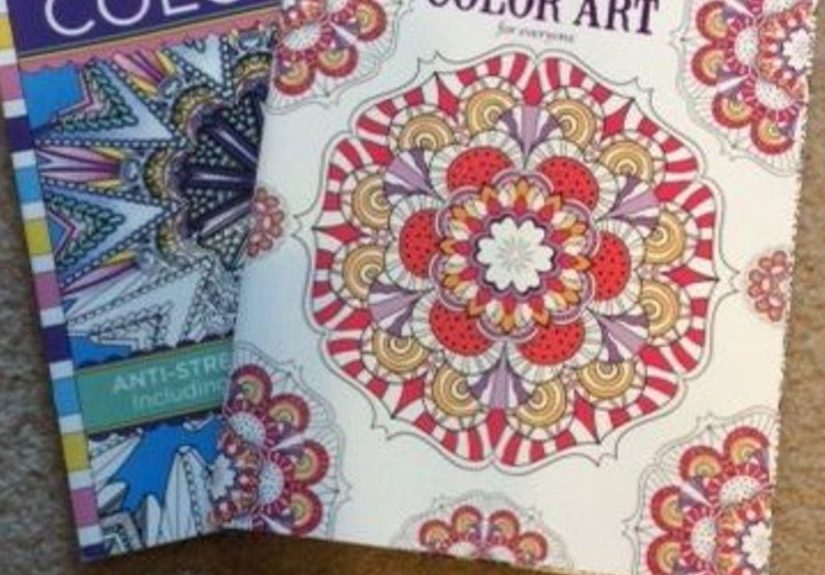
This technique works especially well with mandalas, botanical pages, geometric patterns, butterflies, birds, ocean designs, folk-art florals, and those wildly detailed pages that make you question your life choices halfway through shading the 87th petal. Once sealed and cured, the plate can become wall art, a jewelry tray, a coffee-table accent, a holiday centerpiece, or a handmade gift. Unless every product used is clearly rated for food-contact surfaces, it is safest to treat the finished piece as decorative rather than everyday dinnerware.
Why This DIY Plate Craft Is So Popular
Adult coloring books became beloved because they are approachable. You can sit down with colored pencils and enter a tiny world where the hardest decision is whether the peacock feather should be teal, gold, or “I panicked and used all the colors.” Health and wellness experts often describe coloring as a calming, present-moment activity because it focuses attention on simple repetitive movement and visual choice. That makes the finished page feel personal, not just pretty.
Decoupage, meanwhile, is one of the friendliest craft techniques on earth. It lets you attach paper to surfaces with adhesive and seal it into a finished look. Home and craft sources regularly use decoupage to refresh glass, vases, trays, ornaments, furniture, and paper-based decor. When you combine mindful coloring with decoupage, you get a project that begins as stress relief and ends as a custom piece of home decor. That is called efficiency. Or therapy with a glue brush.
Supplies You Will Need
Basic Materials
- One clear glass plate, charger, saucer, or shallow glass dish
- A completed adult coloring book page or printable coloring design
- Scissors or craft knife
- Pencil for tracing
- Dishwasher-safe decoupage medium or a sealer suitable for glass
- Soft bristle brush
- Rubbing alcohol and lint-free cloth
- Wax paper, parchment paper, or a covered work surface
- Old gift card, brayer, or clean fingers for smoothing bubbles
- Optional: white acrylic paint, felt pads, gold paint pen, ribbon, plate hanger, or display stand
Choosing the Right Plate
A clear glass plate is the easiest choice because the artwork can be attached to the underside, keeping the design visible through the glass while protecting the top surface from direct handling. Flat-bottomed plates are simpler than deeply curved plates, especially for beginners. Dollar-store plates, thrifted glass dishes, and plain chargers all work, but inspect them for cracks, chips, cloudy patches, or raised logos that may interfere with the design.
If you want a plate for wall display, choose a size that fits standard plate hangers. If you want a jewelry dish, a small saucer is perfect. If you want a dramatic centerpiece, use a large charger and prepare emotionally for people to ask where you bought it.
Step-by-Step: How to Turn a Coloring Page Into a Beautiful Plate
Step 1: Pick the Right Coloring Page
Choose a page with strong lines and balanced color. Intricate mandalas look stunning on round plates because the design naturally follows the plate shape. Floral pages work beautifully for cottagecore, farmhouse, spring, and vintage-inspired decor. Abstract pages are excellent for modern spaces because they look intentional even when your coloring decisions were made during a snack break.
Before cutting the original page, consider scanning or photocopying it. This protects your finished coloring book and lets you resize the design. It also helps if your plate is larger or smaller than the page. For personal projects, using your own completed page is usually the simplest route. If you plan to sell finished plates, use original artwork, public-domain designs, or coloring pages with commercial-use permission.
Step 2: Clean the Plate Thoroughly
Wash the plate with warm water and mild dish soap, then dry it completely. Wipe the back of the plate with rubbing alcohol to remove fingerprints, dust, and invisible mystery grease. This step is boring but important. Glue does not enjoy clinging to oil, and fingerprints can become trapped like tiny ghosts beneath your masterpiece.
Step 3: Trace and Cut the Design
Place the plate over the artwork and trace around the area you want to show. If the plate has a raised center or rim, trace carefully so the image fits the flat underside. Cut just inside the pencil line. Test the fit before adding glue. Trim slowly rather than aggressively; paper cannot grow back, no matter how nicely you ask.
Step 4: Apply Decoupage Medium
Turn the plate upside down. Brush a thin, even layer of decoupage medium onto the back of the glass where the artwork will sit. Then apply a thin layer to the front side of the paper imagethe side you want visible through the plate. Press the paper face-down onto the back of the plate so the colored side touches the glass.
Work from the center outward to smooth bubbles and wrinkles. A brayer, old gift card, or your fingertips can help push air pockets toward the edges. Use gentle pressure. The goal is “smooth handmade charm,” not “paper wrestling championship.”
Step 5: Seal the Back
Once the first layer is dry, brush decoupage medium over the back of the paper. Let it dry according to the product instructions. Add several thin topcoats rather than one thick coat. Manufacturer guidance for dishwasher-safe decoupage products commonly recommends multiple coats and a full curing period before washing. Thin coats dry more evenly, reduce cloudiness, and help prevent tackiness.
Step 6: Add a Clean Backing
For a more finished look, paint the back of the plate with white acrylic paint after the decoupage layers are dry. White backing makes colors pop, especially if the paper is thin. You can also paint the outer rim gold, add felt pads to protect furniture, or glue a ribbon loop for hanging if the plate is lightweight and decorative.
Step 7: Cure Before Using or Displaying
Do not rush the curing stage. Many dishwasher-safe decoupage formulas require a long cure time, often several weeks, before the surface reaches its intended durability. During curing, leave the plate in a clean, dry place where it will not collect dust, pet hair, or suspicious crumbs. After curing, hand washing is still the gentlest option, especially for handmade pieces.
Important Safety Note: Decorative vs. Food-Safe
This project is best treated as decorative unless every supply you use is specifically labeled safe for food-contact surfaces and you follow all curing directions. Decorative ceramicware and glassware can create food-safety concerns when coatings, pigments, or materials are not intended for eating surfaces. U.S. safety guidance also warns that decorative ceramic pieces should be clearly labeled when they are not for food use.
A smart approach is to attach artwork to the underside of a clear glass plate and keep food away from the decorated surface. Use the finished piece as a wall plate, trinket tray, candle base, wrapped-cookie presentation plate, keys-and-coins dish, or seasonal display. For serving meals, stick with plain dinnerware that was manufactured and labeled for food use. Your craft can be gorgeous without holding spaghetti. In fact, spaghetti sauce is rude to most crafts.
Design Ideas for Different Styles
Boho Mandala Plate
Use a circular mandala coloring page with jewel tones: emerald, sapphire, coral, mustard, and plum. Add a metallic gold rim for a boutique look. Display it on a plate stand beside a stack of books, a candle, or a tiny plant that you promise you will remember to water.
Vintage Floral Plate
Choose a coloring page filled with roses, peonies, vines, or wildflowers. Soft pink, sage, cream, and dusty blue create a romantic vintage mood. This type of plate looks beautiful in a gallery wall with thrifted frames, old postcards, and botanical prints.
Modern Black-and-White Plate
You do not have to color every page before using it. A black-and-white design can look striking under glass, especially if the pattern is geometric or architectural. Pair it with matte black accents, white shelves, or minimalist decor.
Holiday Plate
Use seasonal coloring pages: pumpkins for fall, snowflakes for winter, lemons for summer, or hearts for Valentine’s Day. A handmade decorative plate is easy to swap with the seasons and takes up less storage space than a giant bin of decorations labeled “miscellaneous joy.”
Troubleshooting Common Problems
Bubbles Under the Paper
Bubbles usually happen when too much adhesive is applied or when the paper is not smoothed from the center outward. Use thin layers and press gently. If a bubble appears while the adhesive is wet, push it toward the edge. If it dries that way, call it texture and move on with confidence.
Wrinkles in the Design
Thin coloring book paper wrinkles more easily than heavier paper. A photocopy on slightly thicker paper can help. You can also let the first adhesive layer become tacky for a short moment before placing the image, which may reduce sliding.
Cloudy Finish
Many decoupage products appear milky when wet and dry clearer. Heavy coats, trapped moisture, or inadequate drying time can create cloudiness. Apply thin coats, allow proper drying between layers, and avoid sealing in a humid room if possible.
Colors Look Dull
Glass and adhesive can soften the look of colored pencil. A white backing often brightens the design. For future projects, use bolder coloring tools such as alcohol markers, gel pens, or layered colored pencils. Test first, because some inks can bleed when brushed with wet adhesive.
Creative Ways to Use Your Finished Plate
A finished adult coloring book plate can become more than a plate. Hang several together for a handmade plate wall. Place one on an entry table as a key dish. Use a small version as a ring tray on a dresser. Set a large plate under a pillar candle for a colorful centerpiece. Pair it with homemade cookies wrapped in parchment for a gift, making sure the food does not directly touch decorated surfaces unless the materials are food-safe.
You can also create themed sets. Make three botanical plates for a kitchen shelf. Create a rainbow mandala set for a craft room. Make a family craft night version where each person colors one page and turns it into a plate. Suddenly everyone has art on display, and nobody has to pretend the fridge magnet system is still working.
Why This Project Makes a Great Gift
A handmade plate feels personal because it captures time. The recipient sees not only a design but also the quiet hours you spent choosing colors, shading details, trimming paper, sealing layers, and trying very hard not to glue your sleeve to the table. It is ideal for birthdays, Mother’s Day, housewarmings, teacher gifts, book club exchanges, and “I made this because buying another candle felt predictable” moments.
For a polished gift, add a small card explaining that the plate is decorative and should be gently wiped clean. Include a plate stand or adhesive felt pads. If the artwork has a storymaybe it uses the recipient’s favorite flowers or colorsmention that too. Handmade gifts are better when they come with a little heart and a little instruction.
Extra Experience: What I Learned From Turning Coloring Pages Into Plates
The first time you turn an adult coloring page into a plate, you may feel wildly overconfident for about eight minutes. The materials look simple. The plate is round. The paper is flat. What could possibly happen? Then you discover that round glass plates have curves, paper has opinions, and bubbles are sneaky little villains. The good news is that the learning curve is gentle, and even imperfect plates look charming when displayed with intention.
One of the biggest lessons is that design choice matters more than perfection. A page with a strong central image usually works better than a scattered all-over pattern, especially on a round plate. Mandalas are forgiving because the symmetry distracts from tiny trimming mistakes. Florals are also friendly because leaves and petals look natural even if the edge is slightly uneven. Highly detailed pages can be stunning, but they require patience during cutting and smoothing.
Another lesson is that color behaves differently under glass. Pale pencil shading may look dreamy on paper but too quiet once sealed behind a plate. Richer colors tend to survive the transformation better. Deep blues, warm reds, leafy greens, and golden yellows show up beautifully. Metallic gel pen accents can look magical, but they should be tested first because some inks smear when they meet wet adhesive. A practice scrap is not wasted time; it is a tiny insurance policy with paper edges.
The smoothing stage is where patience earns its crown. It is tempting to press harder when bubbles appear, but gentle, repeated smoothing works better. Starting from the center and moving outward keeps the paper from shifting too much. If the design slips, lift it carefully while it is still wet and reset it. Once it begins to dry, leave it alone. Overworking decoupage is like overexplaining a joke: everyone suffers.
Drying and curing also teach humility. A plate may feel dry to the touch long before it is fully cured. Moving it too soon can cause tacky spots, fingerprints, or dents in the finish. Giving the plate plenty of time produces a stronger, cleaner result. This is not the craft to finish at midnight for a party at 9 a.m. unless your personal brand includes chaos.
Displaying the finished plate is half the fun. One plate on a stand looks sweet. Three plates grouped by color look designer. A mixed wall of handmade coloring plates, thrifted dishes, and small framed prints can turn a blank corner into a cheerful mini gallery. The plate does not have to match everything in your home. Sometimes the best handmade pieces are the ones that add a little surprise.
Most importantly, this project gives your coloring pages a second life. Adult coloring books often get tucked away once a page is finished, but a plate turns that quiet creative work into something visible. It reminds you that relaxing hobbies can produce real beauty. It also gives you an excellent answer when someone says, “Where did you get that?” You get to smile and say, “Oh, I made it,” which is one of the finest sentences in the English language.
Conclusion
Turning an adult coloring book page into a beautiful plate is a satisfying DIY project that blends relaxation, creativity, and budget-friendly home decor. It gives your finished coloring pages a purpose beyond the book and transforms ordinary glass plates into custom art pieces. With the right plate, careful trimming, thin coats of decoupage medium, proper curing, and a clear understanding of decorative safety, you can create a handmade plate that looks polished, personal, and full of charm.
Whether you make one plate as a weekend craft or build an entire gallery wall of colorful designs, this project proves that art does not need to stay flat, hidden, or overly serious. Sometimes it just needs a plate, a brush, and someone brave enough to believe that a coloring page deserves a promotion.