Table of Contents >> Show >> Hide
- What Is Amebiasis?
- How Common Is Amebiasis?
- What Causes Amebiasis?
- Amebiasis Symptoms: What Does It Feel Like?
- Why Some Infections Stay Silent and Others Become Serious
- How Amebiasis Is Diagnosed
- How Amebiasis Is Treated
- How To Prevent Amebiasis
- When To Seek Medical Care
- Common Experiences Related to Amebiasis: What People Often Go Through
- Conclusion
- SEO Tags
Some illnesses sound like they were named by a committee that wanted to scare everyone before lunch. Amebiasis is one of them. The name is a mouthful, but the basic idea is straightforward: it is a parasitic infection, usually of the intestines, caused by Entamoeba histolytica. In many people, it stays quiet and causes no symptoms at all. In others, it can trigger diarrhea, cramping, bloody stools, fever, and, in more serious cases, complications outside the intestines.
That contrast is what makes amebiasis tricky. A person can carry the parasite and feel totally fine, while someone else develops symptoms that look a lot like other digestive illnesses. It can also show up after travel, contaminated food or water exposure, or close contact with infected stool through poor hygiene or certain sexual practices. In short, it is not the most glamorous guest your digestive system could host.
This article breaks down what amebiasis is, what causes it, the symptoms to watch for, who is most at risk, how doctors confirm the diagnosis, and why prompt treatment matters. If you want the overview without the medical fog machine, you are in the right place.
What Is Amebiasis?
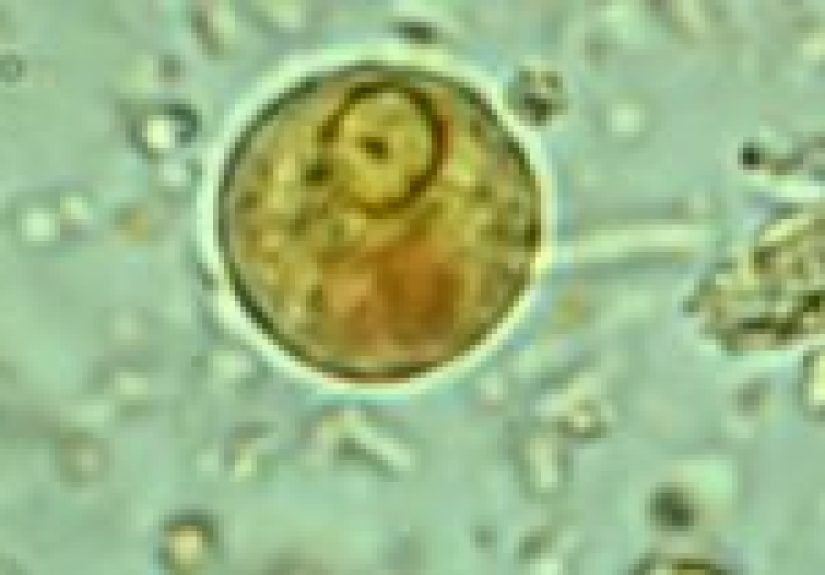
Amebiasis is an infection caused by the microscopic parasite Entamoeba histolytica. The parasite mainly affects the large intestine, but it can sometimes move beyond the gut and spread to other organs, especially the liver. When people say “amebic dysentery,” they are usually talking about the more severe intestinal form of amebiasis, where diarrhea may become bloody and painful.
One detail that matters: not every Entamoeba species is dangerous. Some look very similar under the microscope but do not usually cause disease. That is one reason proper testing matters. It is also why amebiasis can be annoying from a diagnostic standpoint. The parasite is small, the symptoms overlap with other gut problems, and the villain is not always the one wearing the obvious mustache.
Most infections do not cause symptoms. That is important for two reasons. First, people may unknowingly spread the parasite. Second, by the time symptoms appear, the illness may feel like “just a bad stomach bug,” even though the cause is a parasite that sometimes needs specific treatment.
How Common Is Amebiasis?
Amebiasis occurs worldwide, but it is more common in areas where sanitation and clean water access are limited. It is seen more often in parts of Latin America, Africa, India, and Southeast Asia. In the United States, it is relatively uncommon overall, but it still appears in travelers, immigrants from endemic regions, people living in crowded settings with poor sanitation, and some people exposed through oral-anal contact.
Many health sources note that only a minority of infected people develop symptoms. That means the infection is more common than the number of sick patients might suggest. Think of it as a stealthy parasite with a talent for lingering in the background until the timing gets rude.
What Causes Amebiasis?
The Parasite Behind the Infection
The direct cause of amebiasis is infection with Entamoeba histolytica. The parasite has forms that help it survive outside the body and forms that become active once inside the intestines. People typically become infected after swallowing the parasite in contaminated food, water, or on contaminated hands or surfaces.
How It Spreads
Amebiasis spreads through the fecal-oral route. That means the parasite gets from stool into someone’s mouth, usually through contaminated food, water, fingers, or surfaces. Yes, it is exactly as unpleasant as it sounds, and yes, this is why handwashing gets so much praise from public health experts.
- Drinking water contaminated with infected stool
- Eating food handled with poor hygiene
- Touching contaminated surfaces and then touching the mouth
- Changing diapers or caring for an infected person without proper handwashing
- Certain sexual contact involving oral exposure to stool
Travelers may be exposed through untreated water, raw produce washed in unsafe water, food sold in settings with poor sanitation, or ice made from contaminated water. At home, the same basic rule applies: if the parasite gets from infected stool to the mouth, transmission is possible.
Risk Factors
Some people are more likely to get amebiasis or have complications. Risk factors include:
- Traveling to or living in places with poor sanitation
- Drinking untreated water
- Eating food prepared in unsanitary conditions
- Living in crowded conditions
- Close household exposure to an infected person
- Certain sexual practices involving fecal-oral exposure
- Weakened immunity, malnutrition, pregnancy, or steroid use in some severe cases
None of this means every exposure leads to disease. It simply means the odds get less friendly.
Amebiasis Symptoms: What Does It Feel Like?
Amebiasis symptoms can range from mild to severe. Some people never feel sick. Others develop symptoms gradually over a period of about two to four weeks after exposure, though the timing can vary. In some cases, symptoms can appear later than expected, which is one reason people do not always connect their illness with an earlier trip or exposure.
Common Intestinal Symptoms
When amebiasis affects the intestines, the most common symptoms include:
- Diarrhea or loose stools
- Abdominal pain
- Stomach cramping
- Gas and bloating
- Fatigue
- Nausea
- Unintentional weight loss
Some people also experience mucus in the stool, rectal discomfort, or tenesmus, which is the feeling that you still need to have a bowel movement even when the rectum is empty. That symptom alone is a strong signal that your digestive tract is having a truly terrible day.
Symptoms of Severe Amebiasis
In more serious intestinal disease, symptoms may include:
- Bloody stools
- More frequent diarrhea
- Fever
- Vomiting
- Marked abdominal tenderness
- Stronger cramping or pain
This more severe form is often called amebic dysentery. It can resemble bacterial dysentery, inflammatory bowel disease, or other causes of colitis. That overlap is one reason self-diagnosis is a bad hobby here.
When the Infection Spreads Beyond the Intestines
Although intestinal disease gets most of the attention, amebiasis can sometimes spread outside the digestive tract. The liver is the most common extraintestinal site. This can lead to an amebic liver abscess, which is a collection of infected material in the liver. Symptoms may include:
- Pain in the upper right side of the abdomen
- Fever and chills
- Malaise or a general ill feeling
- Nausea
- Weight loss
- Sometimes cough or pain that seems to radiate upward
Rarely, the parasite can spread further to the lungs or brain. These cases are uncommon but can be life-threatening. That is why amebiasis is not something to shrug off as “probably something I ate” if the symptoms are significant or persistent.
Why Some Infections Stay Silent and Others Become Serious
Researchers still study why some people remain asymptomatic while others develop intestinal inflammation or complications. Part of the answer likely involves the parasite itself, the immune response of the person infected, nutritional status, gut environment, and whether the infection is recognized and treated quickly.
In practical terms, this means two people can be exposed in similar ways and have very different outcomes. One may feel nothing. Another may develop bloody diarrhea and need medical care. Biology loves variety, even when nobody asked for it.
How Amebiasis Is Diagnosed
Amebiasis can be difficult to diagnose based on symptoms alone because it can look like many other digestive illnesses. Doctors usually combine history, travel or exposure details, symptoms, and lab testing.
Tests that may be used include:
- Stool testing under a microscope
- Stool antigen tests
- Molecular tests such as PCR to identify E. histolytica
- Blood tests in some cases
- Imaging such as ultrasound or CT if a liver abscess is suspected
- Occasionally colonoscopy or sigmoidoscopy in complicated cases
One stool sample may not always be enough. In some situations, multiple stool samples improve the chance of detection. More advanced testing also helps distinguish E. histolytica from look-alike organisms that are less harmful. In other words, the lab often has to do more than simply say, “Yep, something tiny is in there.”
How Amebiasis Is Treated
Treatment depends on whether the infection is asymptomatic, intestinal, or extraintestinal. Healthcare providers commonly use antiparasitic or antibiotic medications such as metronidazole, tinidazole, or paromomycin, depending on the situation. In some cases, more than one medication is used because one drug treats active tissue infection while another helps clear parasites remaining in the intestine.
If complications such as a liver abscess occur, additional treatment may be needed, including imaging-guided drainage or hospital care. The important point is simple: effective treatment exists, and early medical evaluation can reduce the chance of serious complications.
This article is informational only and is not a substitute for personal medical advice. Anyone with severe diarrhea, blood in the stool, dehydration, fever, or symptoms after travel should contact a healthcare professional promptly.
How To Prevent Amebiasis
Prevention centers on sanitation, safer food and water habits, and hand hygiene. There is no vaccine for amebiasis, so prevention is mostly about not giving the parasite an easy entry point.
- Wash hands thoroughly with soap and water after using the bathroom and before eating or preparing food
- Drink bottled, boiled, or properly treated water in high-risk areas
- Avoid ice if you are unsure how the water was sourced
- Peel fruits yourself when possible
- Avoid raw vegetables washed in unsafe water
- Be cautious with street food in areas with poor sanitation
- Use safer-sex practices that reduce fecal-oral exposure
These steps are not dramatic, but they are effective. Public health is often less about heroics and more about soap, clean water, and not taking reckless chances with salad.
When To Seek Medical Care
Reach out to a healthcare professional if you have:
- Bloody diarrhea
- Persistent diarrhea lasting several days
- Fever with digestive symptoms
- Significant abdominal pain
- Signs of dehydration
- Recent travel followed by digestive illness
- Upper right abdominal pain with fever or chills
Fast evaluation matters because amebiasis can mimic other conditions, and the right treatment depends on the correct diagnosis.
Common Experiences Related to Amebiasis: What People Often Go Through
One of the most common experiences around amebiasis is confusion at the beginning. Many people do not suspect a parasitic infection at all. They may assume they picked up “a stomach bug,” reacted to unfamiliar food while traveling, or simply have food poisoning. The symptoms can start mildly, which makes the problem easy to downplay. A few loose stools, some cramping, maybe a bit of fatigue, and life keeps moving. Then the symptoms linger longer than expected, or they begin to intensify, and that is usually when concern sets in.
Another common experience is the mismatch between symptoms and expectations. Some people expect a parasite infection to be dramatic from the first hour, like a villain entering the scene with thunder and suspicious background music. Amebiasis often does not behave that way. It can creep in quietly. People may notice on-and-off abdominal discomfort, bloating, urgency, or irregular bowel movements before realizing something is truly wrong. That slow build is part of why some cases are diagnosed later than they should be.
Travel-related cases often come with hindsight. Someone returns from a trip, resumes ordinary life, and only later develops diarrhea or cramping. Because symptoms can appear weeks after exposure, the connection to the trip is not always obvious. Patients frequently say some version of, “I didn’t think it could still be from that vacation.” But digestive infections do not always work on a convenient schedule.
People with more severe symptoms often describe a frustrating mix of exhaustion and uncertainty. Repeated trips to the bathroom, poor appetite, nausea, and abdominal pain can make work, school, travel, and sleep harder. If blood or mucus appears in the stool, anxiety understandably rises fast. Even before a diagnosis is confirmed, the day-to-day experience can become draining because the symptoms interfere with normal routines in a very unglamorous, very persistent way.
There is also the emotional side of the diagnosis. Some people feel embarrassed when they learn the infection spreads through contaminated stool or poor hygiene pathways, even though infection does not mean a person was careless. Exposure can happen during travel, through household contact, through unsafe water, or in other everyday situations. What matters most is getting evaluated, treated properly, and taking steps to prevent spread to others.
For people diagnosed after prolonged symptoms, treatment often brings relief not just physically but mentally. Having a name for the problem matters. Patients frequently feel better knowing the cause is identifiable and treatable. If a liver abscess or other complication is involved, the experience is usually more intense and more medically urgent, but the same principle applies: early recognition makes a major difference.
Caregivers and family members may also have their own experience with amebiasis, especially when hygiene precautions become part of daily life. More careful handwashing, bathroom cleaning, food preparation habits, and follow-up appointments can temporarily turn a household into a small public health department. It is not glamorous, but it is useful. And in the long run, those practical steps help protect everyone else in the home.
Perhaps the biggest shared experience is surprise. Many people have heard of food poisoning, stomach flu, or traveler’s diarrhea, but fewer know much about amebiasis until it enters the conversation personally. Once it does, they usually come away with the same lesson: persistent digestive symptoms, especially after travel or high-risk exposure, deserve real medical attention. Sometimes the gut is merely being dramatic. Sometimes it is sending a memo worth reading immediately.
Conclusion
Amebiasis is a parasitic infection caused by Entamoeba histolytica that can range from silent infection to severe intestinal disease and, in some cases, extraintestinal complications like liver abscess. The most common symptoms include diarrhea, abdominal pain, and cramping, while more severe cases may involve bloody stools, fever, weight loss, or significant tenderness. It spreads mainly through contaminated food, water, hands, and fecal-oral exposure, which makes hygiene and sanitation the heart of prevention.
The good news is that amebiasis is treatable, and the better news is that prevention is often simple: cleaner water, safer food habits, and consistent handwashing. The key is knowing when symptoms are mild and annoying versus when they are waving a red flag. If digestive symptoms persist, worsen, or follow travel, getting tested is the smart move. Parasites are not known for leaving politely when ignored.