Table of Contents >> Show >> Hide
- What Is “Black Swan Growth” Really About?
- Index Funds: Simple, Cheap, and Not Completely Magic
- Hedge Fund Fees and the End of Automatic Prestige Pricing
- Private Equity, Consumer Lending, and the Incentive Problem
- Why Public Pension Funds Struggle to Attract Top Talent
- Financial Fraud: The Oldest Trick in a New Suit
- The 10,000 Baby Boomers Retirement Statistic
- The Half-Life of Wealth
- Esports: The Growth Story Many Adults Missed
- Defensive Stocks, Tech Concentration, and Market Identity
- Mutual Funds, ETFs, and the Business of Investor Habits
- Advertising, Attention, and the Strange Power of Culture
- Why This Episode Still Matters
- Practical Lessons for Investors
- Experiences Related to Animal Spirits Episode 36: Black Swan Growth
- Conclusion
Animal Spirits Episode 36: Black Swan Growth is one of those finance podcast episodes that sounds casual on the surface but quietly opens a trapdoor into the machinery of modern markets. Hosted by Michael Batnick and Ben Carlson, the episode originally aired in July 2018 and touched on a wide buffet of investing topics: index funds, hedge fund fees, private equity, financial fraud, retirement demographics, wealth decay, esports, ETFs, advertising, and the odd comfort of Liam Neeson movies. In other words, a perfectly normal conversation for people who can discuss portfolio construction and pop culture without spilling coffee on their factor models.
The phrase “Black Swan Growth” works because the episode is really about surprise. Not only catastrophic surprise, the classic Black Swan idea, but also unexpected growth hiding in plain sight. The rise of index funds, the decline of hedge fund pricing power, the explosion of esports, the persistence of mutual fund revenues, and the strange ways incentives travel through finance all share one lesson: markets rarely evolve in a straight line. They lurch, compound, overreact, adjust, and occasionally show up wearing medieval advertising costumes.
What Is “Black Swan Growth” Really About?
A black swan event is usually described as rare, difficult to predict, highly consequential, and obvious only after the fact. In investing, people often use the term for market crashes, banking panics, pandemics, or geopolitical shocks. But Episode 36 gives the idea a more flexible interpretation. Sometimes the surprise is not a collapse. Sometimes the surprise is growth: a boring fund structure becomes a trillion-dollar force, a video game turns into a stadium business, or a low-cost investment trend reshapes Wall Street compensation.
The episode’s brilliance is that it does not treat finance as a spreadsheet sealed in a glass case. Instead, it treats finance as a living system. Human incentives, consumer behavior, regulation, media, technology, and psychology all bump into one another. The result is a market environment where the obvious story is usually incomplete. Index funds are cheap and useful, but they still have structural quirks. Hedge funds charge less on average, but the highest-status managers may still command premium fees. Retirement statistics may sound simple, until you ask what “retire” actually means. Wealth may look permanent from the outside, until lifestyle inflation quietly eats it like a termite with a country club membership.
Index Funds: Simple, Cheap, and Not Completely Magic
One of the key topics in Animal Spirits Episode 36 is the rise of index funds. For everyday investors, index investing has been one of the most powerful financial innovations of the modern era. Low fees, broad diversification, tax efficiency, and transparency turned investing from a high-cost guessing game into something far more accessible.
But the episode also points to a more nuanced argument: index funds are not magic beans. Market-cap-weighted indexes tend to buy more of companies after they have risen in price and less of companies after they have fallen. That does not make index funds bad. It simply means investors should understand what they own. An S&P 500 index fund is not a neutral basket handed down from Mount Portfolio. It is a rules-based portfolio shaped by size, profitability requirements, committee decisions, market prices, and investor flows.
The practical takeaway is not “avoid index funds.” That would be like refusing to use a washing machine because laundry still requires detergent. The smarter lesson is to use index funds with awareness. They work best when investors combine low costs with patience, sensible asset allocation, and realistic expectations. The danger is not the fund itself; the danger is believing any investment structure eliminates uncertainty.
Hedge Fund Fees and the End of Automatic Prestige Pricing
Another major theme in the episode is hedge fund fee compression. For decades, the classic hedge fund fee model was known as “2 and 20”: a 2% annual management fee plus 20% of profits. That model made sense when investors believed hedge funds could consistently deliver rare skill, downside protection, and returns unavailable elsewhere. But as performance disappointed and cheap alternatives improved, investors began asking an awkward question: Why pay luxury-hotel prices for motel ice-machine results?
Average hedge fund management fees had already fallen by 2018, and the pressure has only reinforced a broader point: in asset management, value must eventually justify cost. The old prestige model still exists for elite managers with scarce capacity and impressive records, but the average fund no longer gets a blank check just for using Greek letters in a pitch deck.
This connects directly to Black Swan Growth. Fee compression is a quiet revolution. It does not arrive with sirens. It arrives through client meetings, performance reports, consultant reviews, and the slow realization that paying more does not guarantee getting more. Over time, that small pressure changes an entire industry.
Private Equity, Consumer Lending, and the Incentive Problem
The episode also discusses hedge funds and private equity firms looking for ways to profit from financially vulnerable consumers. This is where the conversation moves from portfolio theory into ethics. Finance is powerful because it directs capital. But capital does not automatically become virtue simply because it wears a navy suit.
When investment firms back high-interest consumer lenders, litigation finance, or other forms of distressed-credit businesses, the returns may look attractive on paper. The question is what sits underneath those returns. Are profits coming from solving a genuine financing problem, or from customers who have few options, limited financial literacy, and urgent cash needs?
This is one of the episode’s most important lessons for investors: return streams are not morally identical. A spreadsheet can show yield, defaults, fees, and recoveries, but it may not show the human pressure behind the numbers. Good investing requires more than asking, “Can this make money?” It also asks, “How does this make money?” That question is annoyingly simple, which is probably why it makes so many pitch decks sweat.
Why Public Pension Funds Struggle to Attract Top Talent
Episode 36 also explores why pension funds often fail to attract or retain the best investment talent. Public pension systems manage enormous pools of capital, yet their compensation structures are often constrained by politics, public scrutiny, and bureaucracy. A skilled investment professional may be responsible for billions of dollars but still face pay limits that look modest compared with private-sector asset management.
This creates a strange mismatch. Society wants pension funds to earn strong returns, manage risk carefully, and make sophisticated allocation decisions. At the same time, many stakeholders become uncomfortable when public employees earn high salaries, even when better investment decisions could save or generate far more money than the compensation difference.
The issue is not that every pension fund needs to pay Wall Street bonuses. The issue is that talent has a market price. If a public institution refuses to acknowledge that, it may end up outsourcing more work to expensive external managers. Ironically, trying to save money on internal salaries can sometimes increase total costs. In finance, cheap can be expensive, and expensive can be cheap. Yes, the industry enjoys making everything sound like a fortune cookie with a Bloomberg terminal.
Financial Fraud: The Oldest Trick in a New Suit
The episode’s discussion of financial fraud remains evergreen. Fraud does not need new technology to work, although new technology certainly gives it shinier shoes. The basic ingredients are always familiar: trust, urgency, exclusivity, complexity, and promises that sound too smooth to be real.
Investors should watch for common red flags: guaranteed high returns, pressure to act quickly, vague explanations, unlicensed sellers, secret strategies, and social proof that relies on “everyone is getting rich.” If an opportunity cannot survive basic questions, independent verification, and a cooling-off period, it is not an investment opportunity. It is a trap wearing cologne.
The best fraud prevention strategy is boring, which is why it works. Verify credentials. Understand the investment. Avoid pressure. Be skeptical of guaranteed returns. Keep records. Do not confuse confidence with competence. A fraudster’s job is to make skepticism feel rude. A smart investor’s job is to be politely difficult.
The 10,000 Baby Boomers Retirement Statistic
One topic from the episode is the famous claim that roughly 10,000 baby boomers reach retirement age every day. The statistic is broadly useful, but it can be misunderstood. Reaching age 65 is not the same as fully retiring, claiming Social Security, leaving the workforce, or needing the same financial services as every other 65-year-old.
The bigger point is demographic pressure. As baby boomers age, the United States must adjust to higher demand for retirement income planning, health care, caregiving, housing flexibility, and public programs. For investors, this demographic shift influences everything from bond demand to health care stocks to annuity products to family financial planning.
Still, investors should be careful with demographic stories. A true statement can become a lazy investment thesis when stretched too far. “More older people” does not automatically mean every retirement-related company is a great stock. Valuation, competition, regulation, margins, and execution still matter. Demographics may provide a tailwind, but even a tailwind does not help if the plane has no engine.
The Half-Life of Wealth
One of the most memorable ideas connected to this episode is the half-life of wealth. Getting rich and staying rich are different skills. The first may require risk-taking, concentration, entrepreneurship, career leverage, or being early to a trend. The second requires discipline, diversification, humility, tax awareness, estate planning, and the ability to say no to lifestyle creep.
Many fortunes fade not because the original wealth was fake, but because spending habits, poor decisions, family conflict, leverage, taxes, and overconfidence gradually erode it. Wealth is not a trophy you place on a shelf. It is a garden. Ignore it long enough and eventually something weird starts growing near the fence.
This idea is especially useful for investors during boom periods. When markets rise quickly, people often mistake net worth for permanent identity. They upgrade homes, cars, vacations, and expectations. Then a downturn arrives and reveals which gains were durable and which were just numbers wearing party hats. The lesson is not to live in fear. The lesson is to build a margin of safety before life asks for one.
Esports: The Growth Story Many Adults Missed
Episode 36 also discussed the enormous growth of esports, which in 2018 still sounded strange to many traditional sports fans. Competitive gaming had already developed large audiences, sponsorship deals, professional teams, live events, streaming stars, and dedicated venues. For younger audiences, the idea of watching elite gamers compete was not weird at all. It was normal entertainment.
Esports is a perfect example of Black Swan Growth because it looked obvious to insiders and ridiculous to outsiders. That gap creates opportunity. Many major trends begin as something older or more traditional observers dismiss. Then the audience compounds, the money follows, infrastructure forms, and suddenly the thing that “wasn’t real” has sponsors, stadiums, media rights, and merchandise.
The investment lesson is broader than gaming. Investors should pay attention to behavior before consensus. When millions of people spend time, money, and emotional energy on something, that activity deserves analysis. It may still be overhyped. It may still be hard to monetize. But dismissing it because it looks unfamiliar is not analysis. It is nostalgia doing a poor impression of wisdom.
Defensive Stocks, Tech Concentration, and Market Identity
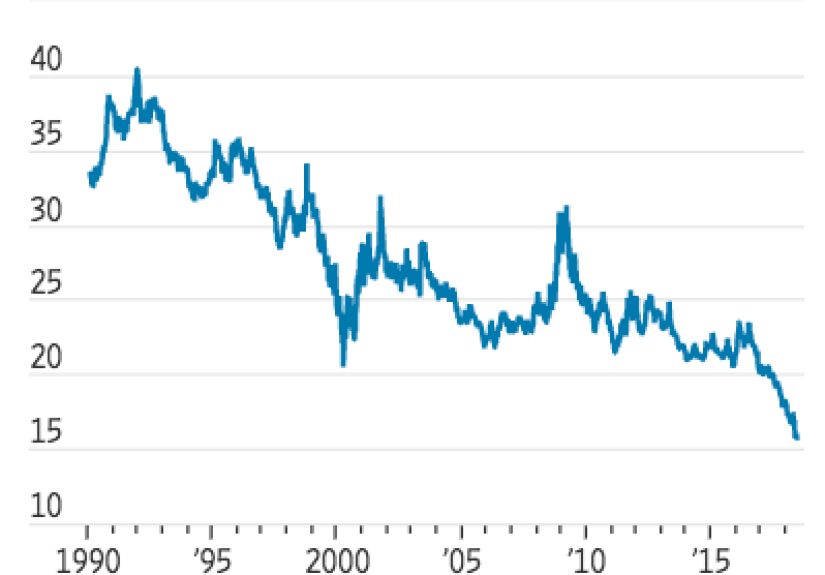
The episode also touched on why there were fewer “defensive” stocks in the S&P 500 and why technology had become such a dominant driver of market returns. This issue has only become more important. When a handful of large companies account for a major share of index performance, investors may own a diversified fund that behaves less diversified than expected.
This does not mean concentration is automatically bad. Great companies can become large because they are highly profitable, innovative, and globally dominant. But concentration changes risk. If the largest companies stumble, the index feels it. If they continue winning, underweighting them hurts. Either way, investors should understand that broad-market investing is not frozen in time. The composition of the market evolves with the economy.
Mutual Funds, ETFs, and the Business of Investor Habits
Another interesting point from Episode 36 is that mutual fund revenues still dwarfed ETF revenues at the time, despite the rapid growth of ETFs. This highlights a crucial truth: better product structures do not instantly replace older ones. Distribution, retirement plans, tax considerations, advisor platforms, investor inertia, and legacy assets all matter.
ETFs offer advantages such as intraday trading, tax efficiency, transparency, and often lower costs. Mutual funds still dominate many retirement accounts and workplace plans. The result is not a clean victory parade for one structure over another. It is an ongoing migration shaped by incentives and convenience.
For individual investors, the product wrapper matters less than the total plan. A low-cost, diversified mutual fund can be excellent. A poorly used ETF can be a disaster if it encourages overtrading. The best vehicle is the one that helps the investor behave well. In personal finance, behavior is the engine; the fund wrapper is the cup holder.
Advertising, Attention, and the Strange Power of Culture
The episode’s discussion of a famous beer advertising campaign may seem far removed from hedge funds and index construction, but it belongs in the same conversation. Markets are driven by attention. Brands compete for memory. Investors compete for narratives. Media companies compete for time. A silly phrase, a catchy campaign, or a meme can influence consumer behavior because humans are not spreadsheets. We are emotional creatures who occasionally buy things because a commercial made us laugh during a football game.
For investors, the lesson is not to chase every viral trend. The lesson is to respect cultural momentum. Some brands become valuable because they occupy mental real estate. Others spend heavily and get only temporary buzz. The difference between durable brand equity and expensive noise is one of the hardest things to measure.
Why This Episode Still Matters
Animal Spirits Episode 36 remains useful because it captures a moment when several major trends were already visible but still developing. Index funds were powerful, but debates about market structure were intensifying. Hedge fund fees were falling, but alternative investments still attracted huge interest. Esports looked massive to fans but confusing to skeptics. Retirement demographics were obvious, but their effects were complex. Wealth looked abundant, but permanence was not guaranteed.
The common thread is humility. Markets punish certainty. They also punish cynicism. The best investors stay curious without becoming gullible. They ask why fees exist, where returns come from, how incentives work, whether growth is durable, and what risks are hiding behind popularity.
Practical Lessons for Investors
1. Low Cost Is Powerful, but Not a Full Plan
Index funds are excellent tools, but tools still require judgment. Investors need an allocation plan, a rebalancing process, and realistic expectations. Buying the whole market is not the same as avoiding risk.
2. Incentives Explain More Than Opinions
When analyzing a fund, company, lender, or advisor, ask who gets paid, when they get paid, and what behavior the payment structure encourages. Incentives are the financial world’s fingerprints.
3. Growth Often Looks Silly Before It Looks Inevitable
Esports, ETFs, streaming, online communities, and creator-led brands all looked strange to many people at first. Investors do not need to chase every trend, but they should avoid dismissing new behavior too quickly.
4. Wealth Needs Defense
Making money gets the applause. Keeping money pays the bills. Diversification, liquidity, insurance, tax planning, and spending discipline are not glamorous, but neither is explaining to your future self why you confused a bull market with genius.
Experiences Related to Animal Spirits Episode 36: Black Swan Growth
The most relatable experience connected to Animal Spirits Episode 36: Black Swan Growth is the moment an investor realizes that “simple” and “easy” are not the same thing. Many people discover index funds and feel like they have found the cheat code. In one sense, they have. Low-cost diversified investing is a beautiful invention. But the first real market decline teaches the second half of the lesson: owning a good strategy does not prevent emotional discomfort. A portfolio can be perfectly designed and still feel terrible during a sell-off.
Another common experience is watching a trend move from joke to juggernaut. Esports is a great example. Years ago, plenty of adults laughed at the idea that people would watch other people play video games. Then streaming platforms grew, tournaments filled arenas, sponsorship money arrived, and professional gamers became celebrities. The lesson is not that every youth trend becomes a gold mine. The lesson is that cultural change usually looks unserious before it looks investable. By the time everyone agrees, the easy opportunity may already be gone.
Investors also experience the fee lesson in real life. A person may start with expensive funds because a salesperson sounded confident, the brochure looked elegant, or the strategy seemed sophisticated. Later, after comparing performance and costs, they realize that complexity was not adding value. This is a humbling but useful moment. It teaches that the financial industry often sells confidence, while investors actually need clarity.
The fraud discussion also feels personal for many families. Almost everyone knows someone who has been pitched an investment that sounded a little too perfect. The promise may involve guaranteed income, exclusive access, private deals, or a friend-of-a-friend who supposedly has a special system. The emotional hook is powerful because people want security and opportunity at the same time. That is why the boring habit of verification matters. A few uncomfortable questions can save years of regret.
The half-life of wealth is another lesson people often learn through observation. A neighbor, celebrity, business owner, or relative may appear financially unstoppable, only to run into trouble later. The cause is not always dramatic. Sometimes it is simply spending too much, borrowing too aggressively, failing to plan, or assuming high income will last forever. This experience changes how smart investors think. They stop asking only, “How do I grow?” and start asking, “How do I survive my own success?”
Finally, the episode reminds listeners that investing is not separate from life. Retirement trends, advertising, entertainment, lending practices, public institutions, and household behavior all connect to markets. A good investor does not need to predict every black swan. That is impossible. But a good investor can build systems that are flexible, low-cost, ethical, diversified, and humble enough to handle surprise. That is the quiet message of Black Swan Growth: the future will be weird, but preparation does not have to be.
Conclusion
Animal Spirits Episode 36: Black Swan Growth is more than a podcast recap. It is a snapshot of how modern finance evolves through surprises, incentives, and human behavior. Index funds changed investing, but they did not remove risk. Hedge fund fees declined, but prestige still has pricing power. Esports grew from niche entertainment into a serious business. Retirement demographics reshaped planning conversations. Wealth proved easier to earn than preserve. Fraud stayed old-fashioned, even when delivered through modern channels.
The episode’s lasting value is its curiosity. It encourages investors to look beneath headlines, question incentives, respect unexpected growth, and stay humble in the face of uncertainty. That may not sound flashy, but in investing, boring wisdom has an excellent long-term record. It compounds quietly, avoids unnecessary drama, and rarely asks you to pay 2 and 20 for the privilege.