Table of Contents >> Show >> Hide
- The 20-second anatomy refresher (because your aorta deserves an intro)
- What is an ascending aortic aneurysm?
- Symptoms: Why it’s called a “silent” problem (until it isn’t)
- Causes and risk factors: Why the aorta weakens
- 1) High blood pressure (hypertension): constant mechanical stress
- 2) Atherosclerosis and age-related degeneration
- 3) Bicuspid aortic valve (BAV): a valve issue that can come with “aorta issues”
- 4) Genetic and connective tissue conditions
- 5) Inflammation, infection, and trauma (less common, still important)
- 6) Lifestyle factors that add fuel
- Types of ascending aortic aneurysm: Not all bulges are built the same
- How it’s diagnosed (and how it’s monitored)
- When is it “big enough” to treat with surgery?
- Treatment: from “watchful waiting” to “let’s fix this”
- Complications: What everyone is trying to prevent
- So… what should you do with this information?
- Conclusion
- Experience Corner: What people often go through (the human side, ~)
Friendly heads-up: This is educational content, not personal medical advice. If you have sudden severe chest/back pain, fainting, or trouble breathing, treat it as an emergency.
The 20-second anatomy refresher (because your aorta deserves an intro)
Your aorta is the body’s main “superhighway” artery. The ascending aorta is the first stretch that rises up from your heart before curving into the aortic arch. It sits in your chest, close to the heart, the aortic valve, and a whole neighborhood of structures that would prefer not to be squished.
What is an ascending aortic aneurysm?
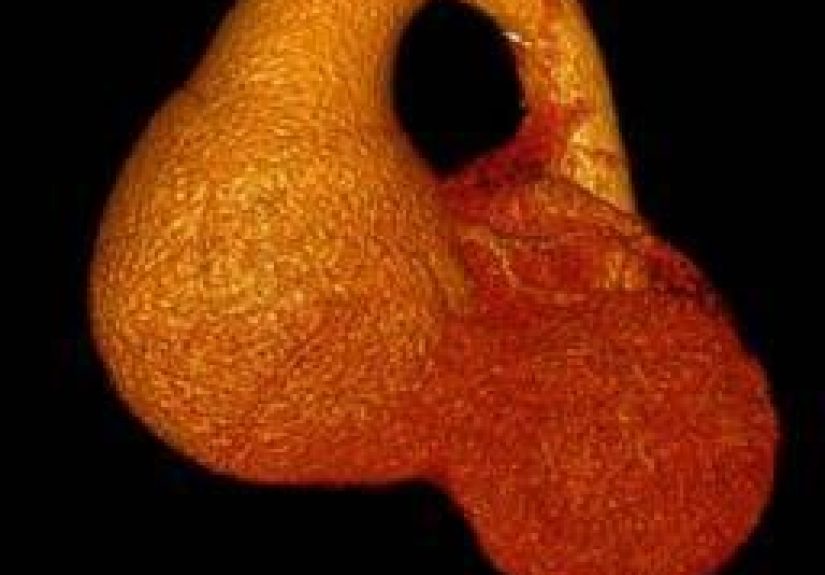
An ascending aortic aneurysm is an abnormal bulge or widening in the ascending aorta caused by weakening of the vessel wall. Think of it less like a “bubble” and more like a garden hose spot that’s gradually stretching under pressure.
Doctors often describe an aneurysm as a segment of artery that’s become significantly wider than normal for that location and that person’s body size. The big concern isn’t just sizeit’s what size can lead to: a tear in the aortic wall (an aortic dissection) or a full rupture (a life-threatening bleed).
Symptoms: Why it’s called a “silent” problem (until it isn’t)
Most ascending aortic aneurysms are sneaky. Many people feel nothing at all until the aneurysm is found on an echo or CT done for another reasonlike a cardiac workup, a murmur evaluation, or imaging after an unrelated chest complaint.
When symptoms do happen (non-emergency)
If an aneurysm grows large enough, it can irritate or press on nearby structures. Symptoms may include:
- Chest discomfort that feels deep, aching, or pressure-like
- Back pain (upper back, between the shoulder blades)
- Shortness of breath or cough
- Hoarseness (yes, your aorta can be that rude)
- Trouble swallowing in some cases
Emergency warning signs (drop-everything-and-get-help)
An aneurysm can become an emergency if it dissects or ruptures. Symptoms often come on suddenly and may include:
- Severe chest pain, back pain, or pain that feels “ripping” or “tearing”
- Clammy, sweaty skin; nausea/vomiting
- Fast heart rate, feeling faint, or collapse
- Stroke-like symptoms (weakness, numbness, trouble speaking) if blood flow is affected
If you’re ever in the “this pain is not normal” zoneespecially with collapse, sweating, or neurologic symptomsdon’t debate it. Call emergency services.
Causes and risk factors: Why the aorta weakens
Ascending aortic aneurysms don’t have a single cause. They’re usually the result of wall weakening over time, shaped by genetics, blood pressure, and wear-and-tear. Here are the major players.
1) High blood pressure (hypertension): constant mechanical stress
Blood pressure is literally force on the artery wall. Over years, higher pressure can accelerate stretching and degeneration, especially if the wall already has vulnerabilities.
2) Atherosclerosis and age-related degeneration
As we age, the aorta’s elastic fibers can degrade. Plaque and inflammation related to atherosclerosis can also contribute to weakening. This is one reason thoracic aneurysms show up more often later in life.
3) Bicuspid aortic valve (BAV): a valve issue that can come with “aorta issues”
A normal aortic valve has three leaflets. A bicuspid aortic valve has two. Besides causing valve stenosis or regurgitation, BAV can be associated with an underlying aortopathya tendency for the ascending aorta to dilate and form aneurysms. It’s not just plumbing; it’s the whole system.
4) Genetic and connective tissue conditions
Some people inherit a tendency for the aortic wall to be less resilient. Conditions linked to thoracic aortic aneurysm and dissection include:
- Marfan syndrome
- Loeys–Dietz syndrome
- Vascular Ehlers–Danlos syndrome
- Familial thoracic aortic aneurysm and dissection (inherited patterns without a classic syndrome “label”)
In these cases, aneurysms can occur at smaller diameters and may require earlier intervention depending on the gene, family history, and growth rate.
5) Inflammation, infection, and trauma (less common, still important)
Some aneurysms are linked to inflammatory conditions or rare infections. Significant trauma can also injure the aorta. These aren’t the everyday causes, but they matter because they can change how quickly the problem evolves and how it’s treated.
6) Lifestyle factors that add fuel
Smoking and long-term cardiovascular risk factors don’t do the aorta any favors. They’re associated with aneurysm risk and with the overall vascular “environment” that affects growth and complications.
Types of ascending aortic aneurysm: Not all bulges are built the same
“Type” can mean a few different things in medicine. For ascending aortic aneurysms, clinicians usually classify them by location, shape, and underlying cause. Translation: where it is, what it looks like, and why it happened.
Type by location (the most practical classification)
- Aortic root aneurysm: the portion right at the heart, near the aortic valve and coronary artery origins.
- Ascending aorta aneurysm (tubular ascending): the segment rising upward before the arch.
- Ascending + arch involvement: sometimes the dilation extends into the arch, which can affect surgical planning.
Why location matters: A root aneurysm may be tied to valve leakage (aortic regurgitation) and can influence the choice of operation (for example, whether the valve can be preserved).
Type by shape (what imaging shows)
- Fusiform: a smooth, symmetric widening around the whole circumferencelike the artery is wearing a slightly-too-tight sweater.
- Saccular: a more localized “outpouching” on one sideoften taken seriously because shape can reflect different wall stresses and causes.
Type by wall involvement
- True aneurysm: involves all layers of the vessel wall, just stretched and weakened.
- Pseudoaneurysm: a contained rupture or injury where blood is held by surrounding tissue rather than the full, intact vessel wall layers (often related to trauma or prior surgery/procedures).
Type by cause (the “why” category)
- Degenerative/atherosclerotic: more common with aging and cardiovascular risk factors.
- Genetic/heritable: connective tissue disorders, familial thoracic aortic disease.
- Valve-associated: commonly bicuspid aortic valve with associated aortopathy.
- Inflammatory/infectious/traumatic: less common but clinically significant.
How it’s diagnosed (and how it’s monitored)
Because symptoms are often absent, diagnosis frequently happens through imaging:
- Echocardiogram (echo): often the first testgood for the aortic root/ascending aorta and valve function.
- CT angiography: highly detailed “map” of the aorta; useful for sizing and surgical planning.
- MRI/MRA: excellent imaging without radiation; helpful for long-term surveillance in many patients.
- Transesophageal echo (TEE): specialized ultrasound via the esophagus; often used in certain evaluations and surgical settings.
Monitoring: the long game
If the aneurysm is below an intervention threshold, the goal becomes: track growth, control risk factors, and prevent complications. Surveillance intervals vary depending on size, growth rate, and cause. Your clinician is essentially watching for two things: a diameter that crosses a risk threshold and a growth rate that suggests the wall is destabilizing.
When is it “big enough” to treat with surgery?
This is where the conversation gets specificand a little personalbecause the right timing depends on more than a single number.
Size thresholds (general idea)
Guidelines commonly cite around 5.5 cm as a key size where surgery is recommended for many asymptomatic aortic root/ascending aneurysms, assuming average risk and typical circumstances.
However, in selected patients and at experienced centers with specialized aortic teams, surgery may be considered at around 5.0 cmespecially when other risk factors are present.
Growth rate: speed matters
Even if the aneurysm isn’t huge, faster growth can trigger intervention. A commonly used definition of “rapid growth” is:
- ≥ 0.5 cm in 1 year, or
- ≥ 0.3 cm per year across repeated measurements (particularly relevant in certain contexts)
Why doctors may recommend earlier surgery in some people
Earlier repair may be recommended when there’s higher risk of dissection at smaller sizes, such as:
- Heritable aortic syndromes (e.g., Marfan, Loeys–Dietz)
- Strong family history of dissection at smaller diameters
- Bicuspid aortic valve with additional risk features
- Body size considerations (indexing the aortic size to height or body surface area)
- Need for other cardiac surgery (like valve surgery) where repairing the aorta at the same time makes sense
Bottom line: the best threshold is the one that matches your risk profile, not your neighbor’s.
Treatment: from “watchful waiting” to “let’s fix this”
Medical management (when surgery isn’t needed yet)
The goal is to reduce wall stress and slow progression:
- Blood pressure control (often the #1 priority)
- Medications commonly used in thoracic aortic disease (for example, beta blockers and/or ARBs in appropriate patients)
- Smoking cessation and heart-healthy risk reduction
- Cholesterol management when indicated
- Imaging surveillance to catch changes early
Activity guidance (the “please don’t deadlift your aorta” portion)
Many clinicians advise avoiding extreme straining or heavy isometric lifting that spikes blood pressure, while encouraging safe aerobic activity (tailored to the individual). The goal isn’t to turn you into a couch ornamentit’s to keep pressure surges from bullying a vulnerable artery wall.
Surgery (when benefits outweigh risks)
Repair of the ascending aorta is most often an open surgical procedure (endovascular stents are commonly used for other aortic segments, but the ascending aorta is a more complex neighborhood). Surgical approaches vary, but may include:
- Ascending aorta replacement with a synthetic graft
- Valve-sparing root replacement (in selected root aneurysms)
- Composite graft + valve replacement (often discussed when the valve is diseased or cannot be preserved)
Good centers will talk you through your anatomy, your valve function, your imaging measurements, and your personal risk factorsthen recommend timing that aims to prevent dissection or rupture.
Complications: What everyone is trying to prevent
- Aortic dissection: a tear in the inner layer of the aorta that can be catastrophic.
- Rupture: full-thickness break with internal bleeding.
- Aortic regurgitation: especially with root involvement, the valve may leak.
- Reduced blood flow to organs: if dissection affects branch vessels.
So… what should you do with this information?
If you already know you have an ascending aortic aneurysm, the most powerful moves are often the least dramatic:
- Keep follow-up imaging on schedule.
- Get blood pressure controlled (seriouslyfuture you will high-five present you).
- Know the emergency symptoms of dissection/rupture.
- Ask whether family screening or genetic evaluation is appropriate.
- Make sure your care is coordinatedespecially if you have BAV or a suspected heritable condition.
Conclusion
An ascending aortic aneurysm is often quiet, but it’s not harmless. Understanding the symptoms (including emergency red flags), the most common causes (hypertension, degeneration, bicuspid valve disease, genetics), and the major types (by location, shape, and cause) helps you and your care team make smart, timed decisions. The goal is simple: catch it early, track it carefully, control risk factors aggressively, and intervene at the right momentbefore the aorta forces the issue.
Experience Corner: What people often go through (the human side, ~)
Even though the words “ascending aortic aneurysm” sound like a plot twist in a medical drama, a lot of real-life experiences are surprisingly… ordinary. Not boringjust practical, routine, and filled with calendar reminders.
1) “Wait, I have what?” the incidental discovery
Many people first learn about an aneurysm the way you learn your car needs new brake pads: during a check for something else. Maybe an echocardiogram for a murmur. Maybe a CT scan after chest discomfort that turned out to be reflux (rude, but also… lucky). The first emotional wave is often disbelief, followed by a frantic internet search at 1:00 a.m. where every headline screams “life-threatening.” In clinic, it’s common to hear relief after the first clear explanation: “So it’s serious, but it’s not an emergency todayand we have a plan.” That plan alone can feel like a life preserver.
2) Life becomes a little more… measured
Once surveillance begins, people often talk about learning a new rhythm: blood pressure checks, medication adjustments, imaging appointments, and the oddly specific joy of seeing “no change” on a report. Some describe it as living with a quiet roommate: not always in your face, but always there. Exercise habits sometimes shift, too. Folks who loved heavy lifting may pivot toward walking, cycling, swimming, or lighter resistance workless “PR day” and more “let’s keep my arteries chill.”
3) Family conversations get real, fast
When a clinician mentions bicuspid aortic valve or inherited thoracic aortic disease, the experience can ripple outward. Suddenly, it’s not just your appointment; it’s a conversation with siblings, parents, or adult kids: “Hey, I know this is weird, but can you ask your doctor if you should get screened?” Those talks can feel awkward, but many people later describe gratitude that the diagnosis became a doorway to prevention for someone else.
4) The “timed surgery” mindset
For people who approach a surgical threshold, the emotional tone often changes. Instead of “watch and wait,” it becomes “choose the right time.” Some describe a strange comfort in planned repair: it’s not a surprise emergency; it’s a scheduled, deliberate fix designed to prevent one. The decision can still be heavy. People weigh surgeon experience, hospital volume, the type of operation, time off work, and how much support they’ll have during recovery. Many say it helps to bring a trusted person to visitsnot because you can’t understand the information, but because two brains catch more details (and one can take notes while the other tries not to imagine their aorta as a balloon animal).
5) Afterward: confidence returns, one normal day at a time
Recovery stories vary, but a common theme is regaining trust in your body. At first, it’s small wins: walking farther, sleeping better, feeling less anxious when a twinge shows up. Over time, many people describe a shift from fear to maintenance: keep follow-ups, take the meds, live your life. The aneurysm becomes a chapternot the whole book.