Table of Contents >> Show >> Hide
- Gout 101: What’s actually happening in your body
- Why baking soda keeps coming up for gout
- Does baking soda work for gout?
- Safety: why “it’s just baking soda” can still be risky
- What actually works for gout flares (the “make it stop” plan)
- Long-term control: how people actually reduce gout attacks
- If you’re tempted to try baking soda anyway, ask these safer questions first
- Conclusion: Baking soda is a “maybe” for narrow situations, not a gout fix
- Experiences: what people commonly report about baking soda for gout (and what it often means)
- SEO tags
Gout has a special talent for showing up at the worst possible timeoften at 2 a.m.and making your
big toe feel like it’s auditioning for a role as a tiny volcano. When pain hits that hard, it’s
completely understandable that people start Googling home remedies. One of the most common:
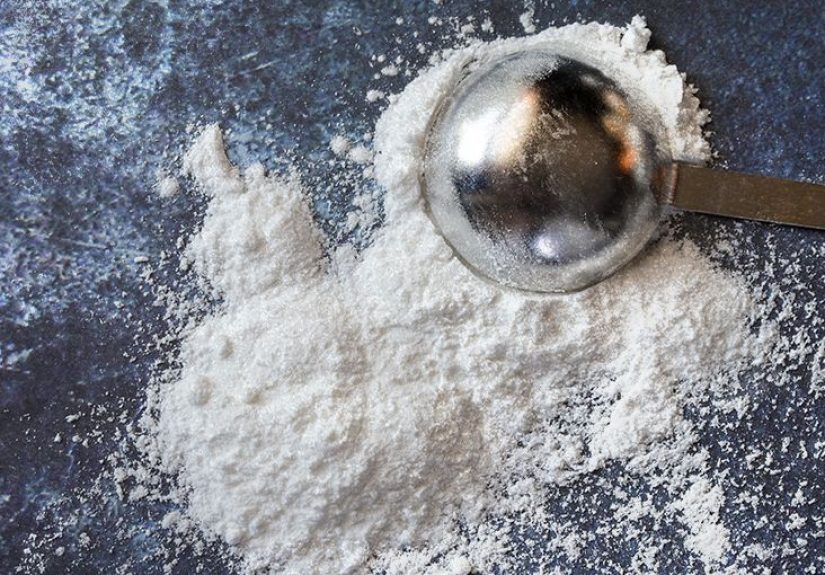
baking soda (aka sodium bicarbonate).
The idea sounds almost charmingly simple: “If uric acid is the problem, maybe something alkaline
can fix it.” Unfortunately, your joints are not a middle-school science fair. Before you turn your
kitchen into a chemistry lab, let’s talk about what baking soda can (and can’t) do for gout, how
safe it really is, and what works betterboth for sudden flares and long-term control.
Gout 101: What’s actually happening in your body
Gout is a type of inflammatory arthritis caused by too much urate (uric acid) in the body
over time. When urate levels stay high, needle-like crystals can form and settle in and around
joints. Your immune system reacts to those crystals like they’re unwanted party guestsswelling,
redness, heat, and serious pain follow.
Important detail: gout is less about a single “bad meal” and more about a long-term balance issue.
Many people have gout because their kidneys don’t clear urate efficiently, sometimes alongside
genetics, certain medications, kidney disease, metabolic issues, or dietary patterns.
Why baking soda keeps coming up for gout
Baking soda is alkaline. In medicine, sodium bicarbonate has real useslike treating certain
acid-related conditions under medical supervision. It’s also a familiar over-the-counter antacid.
So people connect the dots: “Uric acid… baking soda is anti-acid… therefore…”
But here’s the catch: in gout, the main goal isn’t to “neutralize uric acid” in your stomach.
The goal is to reduce urate in your blood and prevent crystals from forming (or help them
gradually dissolve over time by keeping urate low enough).
Does baking soda work for gout?
Urine alkalinization is realbut that’s not the same as treating gout
Baking soda can raise pH (make things more alkaline) in certain contextsespecially in the urine.
That matters most for uric acid kidney stones or for people using certain uricosuric gout
medications where clinicians may aim to reduce stone risk. In other words, urine alkalinization
can be relevant to kidneys.
But a gout flare happens in a joint because crystals are triggering inflammation. Changing urine pH
does not directly remove crystals from your toe overnight (sadly). It’s like mopping the kitchen
floor when the fire alarm is going off in the garageuseful in some situations, just not the
emergency you’re currently dealing with.
What the evidence suggests (and what it doesn’t)
Research around sodium bicarbonate in gout tends to focus on urine pH and urinary effects,
not on baking soda as a reliable way to lower serum urate or stop acute gout pain.
Evidence supporting baking soda as a primary gout treatment is limited, and major gout treatment
guidelines emphasize other approaches for flares and long-term control.
Translation: baking soda is not a guideline-backed, first-line gout treatment. If it’s being used,
it’s typically in narrow, medically guided scenariosnot as a DIY “cure.”
Safety: why “it’s just baking soda” can still be risky
Baking soda is common. That doesn’t automatically make it harmless. Sodium bicarbonate contains
a lot of sodium, can affect your body’s acid-base balance, and can interact with medications.
The biggest problems usually show up when people take too much, take it too often, or take it with
underlying health issues.
1) High sodium load (your body notices)
Sodium bicarbonate can add a meaningful sodium burden. For people with high blood pressure,
heart failure, kidney disease, or anyone on a sodium-restricted diet, that’s a big deal.
Extra sodium can contribute to fluid retention and may worsen blood pressure control.
2) Acid-base imbalance (a.k.a. your body is not a swimming pool)
Taking too much sodium bicarbonate can push the body toward metabolic alkalosisan abnormal
shift in blood chemistry that can become serious. This isn’t meant to scare you; it’s meant to
prevent the “I’ll just keep taking more because it’s not working yet” spiral.
3) Stomach and gas pressure effects
When swallowed, sodium bicarbonate can rapidly create carbon dioxide gas in the stomach. In large
amounts, that pressure can be dangerous. This is one reason poison control organizations caution
against excessive ingestion.
4) Medication interactions and timing issues
Sodium bicarbonate can change stomach pH and may interfere with how certain medications are absorbed.
It can also complicate care if you’re taking medicines for blood pressure, kidney disease, or gout.
If you’re already on gout medications, “adding baking soda” isn’t automatically a neutral move.
5) Who should avoid it unless a clinician specifically recommends it
- People with kidney disease or reduced kidney function
- People with heart failure, fluid retention, or uncontrolled high blood pressure
- Anyone on a sodium-restricted diet
- People taking multiple prescriptions where absorption/timing matters
- Anyone with frequent heartburn who is using it repeatedly instead of getting evaluated
Bottom line: even if baking soda looks “natural” (it’s literally in your pantry), it’s still a
chemical with real physiological effects. Treat it with the same respect you’d give any OTC drug.
What actually works for gout flares (the “make it stop” plan)
During an acute flare, the goal is to calm inflammation quickly. Clinical guidelines and
mainstream medical resources consistently point to these options:
Medication options commonly used for flares
- NSAIDs (nonsteroidal anti-inflammatory drugs)
- Colchicine
- Corticosteroids (oral, injected into the joint, or given in other forms depending on the situation)
Which one is safest depends on your age, kidney function, stomach/ulcer risk, blood pressure,
other medications, and how severe the flare is. This is exactly why a clinician’s guidance matters
especially if flares are recurring.
Supportive at-home steps (helpful, not magical)
- Rest the joint; avoid “pushing through” pain.
- Ice can help reduce pain and swelling for many people.
- Hydration supports overall kidney function and recovery habits.
- Avoid alcohol during flares, especially beer and spirits.
- Skip high-fructose drinks (soda, sweetened juices) while you’re flaring.
These steps won’t erase a flare on their own, but they can make the flare less miserable while the
real anti-inflammatory plan does its job.
Long-term control: how people actually reduce gout attacks
The most effective long-term approach is lowering and maintaining serum urate (blood uric acid)
so crystals stop forming and old deposits can gradually shrink. Many experts aim for a urate target
that reduces flare risk (commonly cited as under a specific threshold, individualized for the person).
Urate-lowering therapy (ULT)
Common urate-lowering medications include:
- Allopurinol (often first-line for many patients)
- Febuxostat (another urate-lowering option)
- Probenecid (helps the kidneys remove urate in some people)
These aren’t “flare medicines.” They’re the foundation for preventing future attacksespecially for
people who have frequent flares, tophi, kidney involvement, or persistently high urate.
Food and lifestyle changes that have real evidence behind them
Lifestyle changes won’t replace medication for everyone, but they can meaningfully reduce risk and
help medication work better.
-
Eat more like a DASH or Mediterranean pattern: fruits, vegetables, whole grains, legumes,
nuts, and healthier fats. These patterns are associated with better cardiometabolic health and can
support lower urate levels over time. -
Limit high-purine animal foods: organ meats, some shellfish, and large portions of red meat.
You don’t need a joyless dietjust fewer “purine fireworks.” - Cut back on alcohol: especially beer and spirits, which are common flare triggers.
- Avoid sugary drinks and high-fructose corn syrup: fructose can increase urate production.
- Choose low-fat dairy more often; it’s frequently associated with lower gout risk.
-
Weight management (without crash dieting): gradual weight loss can help, but extreme fasting
or dehydration can trigger flares. -
Cherries (yes, really): tart cherries/cherry products have some evidence for reducing flare risk
for certain people. It’s not a superhero cape, but it may be a helpful sidekick.
If you’re tempted to try baking soda anyway, ask these safer questions first
If baking soda is on your radar, it’s worth turning the impulse into a smarter conversation:
- “What is my current serum urate level, and what target should I aim for?”
- “Do I have kidney disease or blood pressure issues that make sodium bicarbonate risky?”
- “Am I at risk for uric acid kidney stones, and is urine alkalinization relevant for me?”
- “Which flare medication is safest with my health history?”
- “Should I be on urate-lowering therapy to prevent repeat flares?”
That’s not just being cautiousit’s being strategic. Gout is very treatable, but it responds best
to a plan, not pantry experiments.
Conclusion: Baking soda is a “maybe” for narrow situations, not a gout fix
Baking soda has a medical identity as sodium bicarbonate, and under clinician supervision it can play
a role in certain acid-related conditions or urinary pH strategies. But as a DIY gout remedy, it’s
not reliably effective for controlling flares or lowering blood urateand it can carry meaningful
risks, especially for people with blood pressure, heart, or kidney concerns.
If you want fewer gout attacks, the winning combo is usually:
evidence-based flare treatment + urate-lowering strategy + practical lifestyle upgrades.
It’s less exciting than “one weird trick,” but it actually worksand it won’t accidentally turn your
sodium intake into a surprise hobby.
Experiences: what people commonly report about baking soda for gout (and what it often means)
You’ll find plenty of personal stories online about baking soda and gout, and they tend to fall into a
few familiar patterns. These aren’t clinical proofbut they’re useful for understanding why the idea
sticks around.
1) “It helped… for a minute?”
Some people report feeling “lighter” or “less acidic” after using baking soda, especially if they also
struggle with indigestion. In those cases, it may be helping heartburn symptoms, not the crystal-driven
inflammation in a joint. When the toe pain returns right on schedule, the person is left confused:
“But it’s alkalinewhy didn’t it fix my gout?” Because gout pain isn’t a stomach acid problem. It’s an
immune system response to crystals.
2) “Nothing happened, so I took more.”
This is the riskiest storyline. A gout flare is intense, and when something doesn’t work quickly,
it’s tempting to increase the amount. People describe more bloating, nausea, swelling, or feeling “off,”
and then they stopor end up calling a nurse line or poison control. This is one reason medical resources
warn against casual “more is better” experimenting with sodium bicarbonate.
3) “My doctor said urine pH matters, so I thought baking soda was the answer.”
This one has a kernel of truth. Some patients with gout also deal with uric acid kidney stones or take
uricosuric medications that can increase urinary uric acid. In those situations, clinicians may talk
about hydration, urine alkalinization, or stone prevention strategies. But patients sometimes translate
“urine pH strategy” into “this treats my gout.” The better takeaway is: urine chemistry can matter for
kidney stone risk, while gout control still depends heavily on serum urate and inflammation management.
4) “I wanted something ‘natural’ because gout meds felt intimidating.”
This is extremely common. People worry about side effects, have had a friend say “NSAIDs wrecked my stomach,”
or feel uneasy about taking long-term medication. What many patients say helped most was getting a clear,
plain-English explanation of options: which medicines are for flares versus prevention, what lab targets
mean, and how clinicians choose the safest medication based on kidney function, blood pressure, and other
conditions. For many, the fear drops once the plan feels personalized.
5) “Diet changes helped more than any home remedy.”
Lots of people report the biggest lifestyle wins were surprisingly practical: drinking fewer sugary beverages,
cutting back on beer, losing weight slowly (not crash dieting), and building meals around vegetables, whole
grains, and leaner proteins. Some add cherries and feel it helps; others don’t notice much. The consistent
theme is that lifestyle changes feel subtle day-to-day, but add up over monthsespecially when paired with
the right medical therapy.
If you recognize yourself in any of these experiences, you’re not alone. The most helpful next step is usually
not “finding the perfect home remedy,” but getting two numbers and one plan: your serum urate level, your
flare frequency, and a strategy that fits your body and your life.