Table of Contents >> Show >> Hide
- What Is a Bamboo Lamp Base?
- Natural Bamboo vs. Stained Oak Finish: What Is the Difference?
- Why Bamboo Works So Well for Lamp Bases
- How to Style a Natural Bamboo Lamp Base
- How to Style a Stained Oak Bamboo Lamp Base
- Size Matters: Choosing the Right Lamp Proportions
- Lighting Quality: The Bulb Is Part of the Design
- Safety Checklist Before Buying
- Care and Maintenance for Bamboo Lamp Bases
- Is Bamboo a Sustainable Choice?
- Natural or Stained Oak: Which One Should You Buy?
- Common Mistakes to Avoid
- Experience Notes: Living With a Bamboo Lamp Base
- Conclusion
A bamboo lamp base may look like a small detail, but anyone who has ever tried to make a room feel warm, calm, stylish, and not like a furniture showroom knows the truth: lighting is the secret sauce. The wrong lamp can make a cozy reading corner feel like an interrogation room. The right one? Suddenly your side table looks intentional, your bedroom feels softer, and your living room starts giving “I have my life together” energyeven if there is laundry hiding behind the chair.
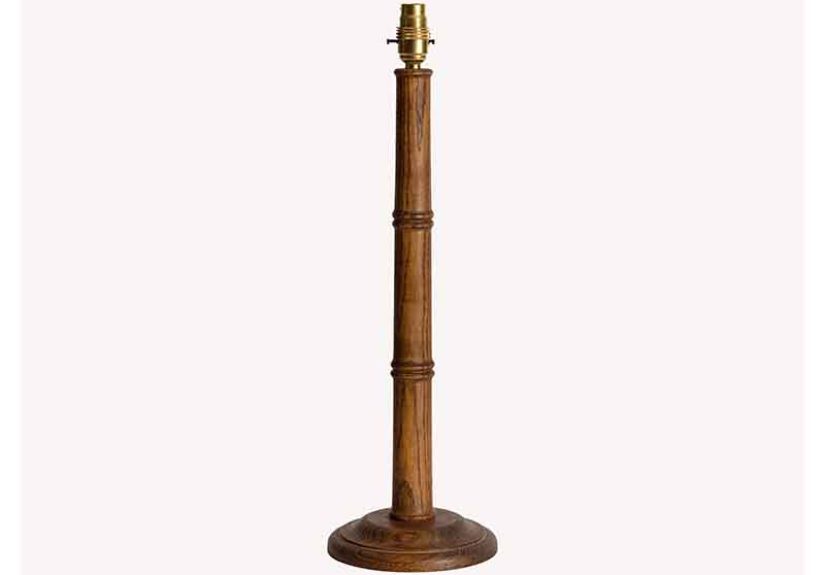
The phrase bamboo lamp base – natural or stained oak usually refers to a lamp base made from bamboo or bamboo-inspired material and finished in either a light natural tone or a darker oak-like stain. The natural version celebrates bamboo’s pale, organic grain. The stained oak version adds depth, warmth, and a slightly more traditional furniture look. Both can be beautiful. The better choice depends on your room, your shade, your furniture, and how much visual drama you want from a lamp that is, technically, still just trying to hold a bulb upright.
This guide explains how bamboo lamp bases work in real homes, how natural and stained oak finishes compare, what to look for before buying, and how to style one without accidentally turning your room into a tropical-themed hotel lobby from 1997.
What Is a Bamboo Lamp Base?
A bamboo lamp base is the lower structural portion of a table lamp, desk lamp, or accent lamp made from bamboo, bamboo strips, bamboo veneer, or bamboo-style framing. Bamboo is often grouped with wood in home decor, but botanically it is a woody grass. That little fact matters because bamboo has a different texture, density, and growth pattern than hardwoods such as oak, walnut, or maple.
In lighting design, bamboo is loved for three reasons: it is lightweight, visually textured, and naturally warm. A bamboo base can be carved, wrapped, laminated, woven, or shaped into sculptural forms. Some designs show visible nodes and cane-like segments. Others use smooth bamboo panels that look more like modern wood. A few mix bamboo with ceramic, linen, rattan, brass, or black metal for contrast.
The best bamboo lamp base does not scream for attention. It whispers, “Yes, I read design magazines, but I also own snacks.” It adds natural texture without overwhelming the room.
Natural Bamboo vs. Stained Oak Finish: What Is the Difference?
The biggest decision is usually finish. Should you choose a natural bamboo lamp base or a stained oak version? Both finishes can work beautifully, but they create very different moods.
Natural Bamboo Finish
A natural bamboo lamp base typically has a light honey, beige, straw, or pale golden tone. It highlights the organic character of the material and works especially well in bright, relaxed interiors. Think coastal bedrooms, Japandi living rooms, Scandinavian apartments, boho reading corners, and modern farmhouse spaces that do not want to lean too rustic.
Natural bamboo reflects light visually, so it can make a room feel airier. Pair it with white linen shades, cream walls, pale oak furniture, woven baskets, cotton bedding, and soft green plants. The result is gentle and uncluttered. It is a strong choice for small rooms because the base does not visually weigh down the space.
Stained Oak Finish
A stained oak bamboo lamp base is bamboo finished to resemble oak or to coordinate with oak furniture. It may be medium brown, warm caramel, smoky tan, or deeper walnut-like brown, depending on the stain. This finish feels richer and more grounded than natural bamboo.
Choose stained oak if your room already has darker wood furniture, leather seating, traditional side tables, vintage decor, or warm neutral walls. It also works well in offices, libraries, dens, and bedrooms where you want the lamp to feel substantial rather than breezy. A stained finish can make bamboo appear more polished and less casual.
The Quick Choice
Choose natural bamboo if you want lightness, freshness, and an organic look. Choose stained oak if you want warmth, contrast, and a more furniture-like presence. If your room has white, beige, light gray, or sage tones, natural bamboo usually wins. If your room has espresso wood, camel leather, navy, olive, terracotta, or antique brass, stained oak may feel more balanced.
Why Bamboo Works So Well for Lamp Bases
Bamboo has become popular in home decor because it brings texture without heaviness. Traditional hardwood lamp bases can look elegant, but they may also feel bulky. Metal lamps can be sleek, but sometimes cold. Ceramic lamps are classic, but they can be fragile and visually dense. Bamboo sits nicely in the middle: warm, light, tactile, and adaptable.
Another advantage is pattern. Bamboo has subtle lines and nodes that create visual rhythm. Even a simple cylindrical bamboo base can look more interesting than a plain painted base because the material gives the eye something to follow. That texture is especially useful in neutral rooms where too many smooth surfaces can make the space feel flat.
Bamboo also blends across design styles. In a coastal room, it feels breezy. In a mid-century room, it adds organic contrast. In a minimalist room, it prevents the space from feeling sterile. In a farmhouse room, it softens rougher woods and black hardware. In a modern apartment, it adds warmth without requiring you to buy an enormous reclaimed wood coffee table that weighs as much as a small boat.
How to Style a Natural Bamboo Lamp Base
A natural bamboo lamp base looks best when it has room to breathe. Avoid surrounding it with too many competing wood tones or busy patterns. Instead, let the base add quiet texture.
Best Shade Pairings
White, ivory, oatmeal, and light linen shades are excellent partners for natural bamboo. They keep the lamp feeling fresh and casual. A woven shade can also work, but use caution: bamboo base plus woven shade plus rattan table plus jute rug can quickly become “basket convention.” Balance is the trick.
For a cleaner look, choose a drum shade with simple lines. For a softer traditional look, try a tapered shade. In bedrooms, fabric shades diffuse light gently and help create a relaxed mood. In workspaces, a more structured shade can direct light downward.
Best Room Examples
In a bedroom, place a natural bamboo lamp on a white, pale oak, or painted nightstand. Add crisp bedding, a linen throw, and one leafy plant. In a living room, use a pair of natural bamboo lamps on matching side tables to frame a sofa. In an entryway, a natural bamboo lamp on a console table makes the first impression warm without shouting.
Natural bamboo is especially effective in rooms with sunlight. During the day, the lamp base looks relaxed and organic. At night, the warm bulb brings out golden undertones and makes the space feel softer.
How to Style a Stained Oak Bamboo Lamp Base
A stained oak bamboo lamp base brings more weight and contrast. This is useful when your space needs grounding. If a natural bamboo lamp feels too beachy or pale, stained oak gives the same organic texture with a more refined tone.
Best Shade Pairings
Try warm white, beige, taupe, burlap-textured, or off-white linen shades. A black shade can look dramatic, but only if the room has enough light and contrast elsewhere. For a classic look, pair stained oak with an empire shade. For a modern look, choose a crisp drum shade.
If the stained finish has golden undertones, antique brass hardware can look beautiful. If the finish is cooler or darker, matte black accents may work better. The goal is not to match every finish perfectly. The goal is to make the lamp look invited to the party, not like it wandered in from another house.
Best Room Examples
In a home office, a stained oak bamboo lamp can sit on a dark wood desk and add warmth without looking fussy. In a living room, it pairs well with leather chairs, navy pillows, olive walls, or a patterned rug. In a guest bedroom, it can make a simple nightstand look more expensive.
Stained oak is also a smart choice when your room already has medium or dark wood floors. A natural bamboo lamp may look too pale against those tones, while stained oak creates a stronger connection to the existing furniture.
Size Matters: Choosing the Right Lamp Proportions
A beautiful bamboo lamp base can still look awkward if the proportions are wrong. Table lamps need to relate to the surface they sit on, the furniture around them, and the shade above them.
For bedside tables, the bottom of the lampshade should generally land around eye level when you are sitting in bed. This helps prevent glare. For living room side tables, the lamp should feel tall enough to cast useful light but not so tall that it looms over the sofa like a bamboo lighthouse.
Shade width is important too. A common design rule is that the shade should be wider than the base, often roughly twice the width of the base depending on the lamp style. The shade height should also feel balanced with the total lamp height. If the shade is too small, the lamp looks like it borrowed a hat from a toddler. If it is too large, the base disappears.
Lighting Quality: The Bulb Is Part of the Design
The base may be beautiful, but the bulb determines how the room actually feels. For most bamboo lamps, warm white LED bulbs are the safest and most practical choice. Look for a color temperature around 2700K to 3000K if you want cozy, home-friendly light. Cooler bulbs can make natural materials look washed out or oddly clinical.
LED bulbs are also more efficient and produce less heat than old incandescent bulbs. That matters with natural materials and fabric shades. Always follow the manufacturer’s maximum wattage recommendation. If the lamp label says 40 watts maximum, do not treat that as a friendly suggestion. Lamps are not impressed by bravery.
If you use the lamp for reading, choose a bulb with enough lumens for the task. If it is mostly decorative, a softer bulb may be better. Dimmable bulbs are ideal in bedrooms and living rooms, but make sure the dimmer and bulb are compatible.
Safety Checklist Before Buying
Because a lamp combines electricity, heat, and materials, safety should matter as much as style. Before buying a bamboo lamp base, check the product details carefully.
- Look for safety certification: Choose lamps with recognized electrical safety testing where available.
- Check cord quality: The cord should feel sturdy, not thin, cracked, or loose.
- Review bulb limits: Use only bulbs within the stated wattage and base type.
- Inspect stability: The base should sit flat and not tip easily.
- Keep distance from fabric: Do not place lamps where shades touch curtains, bedding, or papers.
- Avoid damp locations: Unless rated for moisture, keep bamboo lamps away from bathrooms, covered patios, or humid corners.
A lamp is home decor, yes, but it is also a small electrical appliance. Treat it with the same respect you give your coffee maker. Actually, maybe more respect, because the lamp will not forgive you with caffeine.
Care and Maintenance for Bamboo Lamp Bases
Bamboo is durable, but it still appreciates basic care. Dust the base with a soft dry cloth. For deeper cleaning, use a slightly damp cloth and dry the surface immediately. Avoid soaking the material. Bamboo can react to excess moisture, especially if the finish is thin or damaged.
Do not use harsh cleaners, bleach, abrasive pads, or oil-heavy furniture polishes unless the manufacturer recommends them. These can dull the finish, create sticky residue, or change the color. If the base has a stained oak finish, protect it from direct sun to reduce fading. Rotate the lamp occasionally if it sits near a window.
For small scratches, a matching furniture marker may help on stained finishes. Natural bamboo is less forgiving because color matching can be tricky. When in doubt, test any repair product on an unseen area first. The underside of the base is your friend here.
Is Bamboo a Sustainable Choice?
Bamboo is often praised as a sustainable material because many species grow quickly and regenerate after harvesting. It can be used in furniture, flooring, textiles, paper, and decorative objects. However, sustainability depends on responsible sourcing, manufacturing, transportation, adhesives, finishes, and labor practices.
In other words, bamboo is not automatically perfect just because it sounds natural. A well-made bamboo lamp from a responsible supplier is a better choice than a cheaply made product that fails quickly. Longevity is part of sustainability. A lamp you keep for ten years is usually more eco-friendly than a trendy one you replace after one season because the base wobbles like a nervous flamingo.
When shopping, look for details about materials, finish, packaging, and certifications. Low-VOC finishes are a plus, especially for bedrooms and nurseries. A replaceable shade, standard bulb socket, and sturdy cord also extend the useful life of the lamp.
Natural or Stained Oak: Which One Should You Buy?
If you are still deciding, start with the furniture you already own. A natural bamboo lamp base works best with light woods, white furniture, soft neutrals, and casual interiors. A stained oak bamboo lamp base works best with medium woods, darker furniture, warmer palettes, and rooms that need contrast.
Next, look at the wall color. Natural bamboo shines against white, cream, pale gray, soft sage, and muted blue. Stained oak looks excellent against warm beige, olive, navy, clay, taupe, and creamy off-white. Then consider the shade. If you already own a white linen shade, natural bamboo will feel effortless. If you have a taupe or warm beige shade, stained oak may look more intentional.
Finally, think about mood. Natural bamboo says relaxed, fresh, airy, and organic. Stained oak says warm, grounded, mature, and classic. Neither is better. They simply tell different stories.
Common Mistakes to Avoid
The first mistake is matching too aggressively. Your bamboo lamp does not need to be the exact same color as your coffee table, floors, picture frames, and dog’s favorite chew toy. A room looks richer when wood tones coordinate rather than match perfectly.
The second mistake is choosing the wrong scale. A tiny bamboo lamp on a large console table will look lost. A huge lamp on a narrow nightstand will look like it is planning a takeover. Measure before buying.
The third mistake is ignoring the shade. A bamboo base with the wrong shade can go from elegant to odd very quickly. If the base has strong texture, keep the shade simple. If the base is smooth and minimal, you can choose a shade with more weave or fabric character.
The fourth mistake is using a bulb that is too cool or too bright. Bamboo looks best in warm light. A harsh daylight bulb can flatten the grain and make the room feel less inviting.
Experience Notes: Living With a Bamboo Lamp Base
After using and styling bamboo lamp bases in different rooms, one lesson becomes clear: bamboo changes personality depending on what surrounds it. A natural bamboo lamp on a white nightstand feels calm and spa-like. The same lamp on a dark cherry table may look slightly disconnected unless you add a bridge element, such as a cream shade, woven tray, or pale artwork nearby. Bamboo is friendly, but it still likes a little backup.
In a bedroom, the natural finish is often the easiest to love. It works well with cotton sheets, linen curtains, warm white bulbs, and simple bedside styling. One natural bamboo lamp can make a plain nightstand feel softer. Two matching lamps can make the whole room feel pulled together. The effect is not flashy. It is more like the room finally exhaled.
In a living room, stained oak has practical advantages. It holds its own beside heavier furniture and does not disappear next to a sofa, wood side table, or patterned rug. If the room has leather, brass, books, darker frames, or textured pillows, a stained oak bamboo base often feels more grown-up. It still brings the organic bamboo character, but with less beach-house energy.
One of the best styling experiences is pairing bamboo with linen. A linen shade softens the light and makes the base feel intentional. A pure white shade creates a cleaner look, while oatmeal or flax linen adds warmth. For reading corners, a bamboo lamp with a warm LED bulb can create that golden pool of light that makes books, tea, and pretending not to check your phone feel equally appealing.
There are a few lessons learned the hard way. First, check the base weight. Some bamboo lamps are very light, which is great for moving them but not ideal in a busy household with pets, kids, or enthusiastic blanket-flingers. A weighted bottom makes a big difference. Second, watch the cord color. A black cord can look too harsh with natural bamboo unless it is hidden. A clear, white, or fabric-wrapped cord often blends better. Third, dust shows up differently. Natural bamboo hides dust fairly well, while darker stained finishes may need more frequent wiping.
Another real-world detail is finish consistency. Natural bamboo can vary in tone, and that variation is part of its charm. If you want two lamps for matching nightstands, buy them as a pair when possible. Stained oak finishes are usually more consistent, but they can still vary by batch. Good product photos help, but customer photos are often more realistic because they show the lamp in normal home lighting rather than studio perfection.
The final experience-based tip is to style the area around the lamp simply. A bamboo lamp base already brings texture, so it does not need five decorative objects competing beside it. Try one book stack, one small ceramic bowl, or one plant. Let the lamp do its job. Good lighting is like good background music: when it is right, the whole room feels better, even if nobody can immediately explain why.
Conclusion
A bamboo lamp base – natural or stained oak is a small design choice with a surprisingly big effect. Natural bamboo is light, airy, casual, and perfect for relaxed interiors. Stained oak is warmer, richer, and better suited for rooms with deeper colors or heavier furniture. Both finishes offer the texture and organic charm that make bamboo so appealing in modern home decor.
The best choice depends on your room’s palette, furniture, shade style, and lighting needs. Focus on proportion, safety, finish quality, and bulb warmth. Choose a lamp that looks good during the day and feels even better at night. When styled well, a bamboo lamp base does more than hold a bulb. It adds atmosphere, softness, and a natural note that makes a room feel finished without trying too hard.