Table of Contents >> Show >> Hide
- Type 1: The Soft, Pinchable Belly Bulge
- Type 2: The Firmer “Apple-Shaped” Midsection
- Type 3: The “Flat in the Morning, Puffy by Evening” Belly
- Type 4: The Lower-Belly Bulge From Constipation or IBS
- Type 5: The Postpartum Pooch With a Midline Dome
- Type 6: The Fixed Bulge Near the Belly Button, Groin, or a Scar
- Type 7: The Lower-Belly Fullness With Pelvic Pressure
- What Actually Works Across Most Belly Bulge Types
- When You Should Not Try to Self-Diagnose
- Experience-Based Section: What People Commonly Notice in Real Life
- Conclusion
- SEO Tags
Not every belly bulge is the same. Some are soft and squishy. Some are tight and gassy. Some show up after pregnancy like an uninvited houseguest who refuses to leave. Others are less about body fat and more about digestion, muscle separation, or even a hernia. In other words, your midsection is not being “difficult” just for sport. It is often responding to something specific.
That matters, because treatment depends on what kind of bulge you are dealing with. Crunches are not the universal answer. Neither is cutting carbs, chugging detox tea, or declaring war on bread by Tuesday. The smartest approach is to identify the likely cause, look at the pattern, and choose a treatment plan that fits the problem instead of punishing your body for sending signals.
One quick note before we begin: “belly bulge types” is not a formal medical diagnosis. It is a practical way to describe common patterns people notice in the abdomen. If your belly swelling is sudden, painful, very firm, tied to vomiting, fever, heavy bleeding, or a bulge that will not go back in, skip the guesswork and get medical care.
Type 1: The Soft, Pinchable Belly Bulge
What it usually is
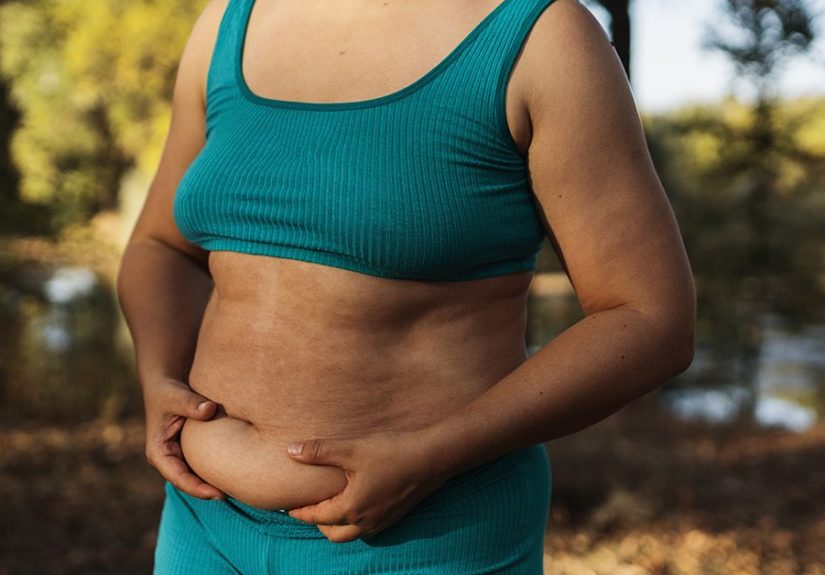
This is the classic layer of subcutaneous fat, meaning fat that sits under the skin. It tends to feel soft, can often be pinched, and may be spread across the lower belly, upper belly, or “love handle” area. It is often more of a body-composition issue than a digestive one.
Common clues
The size does not change dramatically from morning to night. It usually builds gradually over time. You may notice it more after periods of less activity, more snacking, disrupted sleep, stress eating, or weight gain in general.
What helps treat it
The fix here is not “100 sit-ups before breakfast.” Spot reduction is stubbornly unimpressed by your ab routine. What works better is a steady, boring-in-a-good-way formula: a modest calorie deficit, more daily movement, regular strength training, enough protein, and patience. Strength training helps preserve or build muscle, which makes weight loss more sustainable. A walking habit helps more than people give it credit for. Fancy misery is optional.
If your goal is to reduce this type of belly fat, think in months, not weekends. Rapid, extreme approaches are usually the ones that boomerang back with interest.
Type 2: The Firmer “Apple-Shaped” Midsection
What it usually is
This pattern often reflects more visceral fat, the deeper fat stored around abdominal organs. It may make the waist feel thicker or more solid than soft. You might still have pinchable fat on top, but the overall shape can look rounder, firmer, and more centralized.
Why this one matters more
Visceral fat is the belly bulge with the bigger health résumé. It is more strongly linked with metabolic and cardiovascular risk than fat stored mostly in the hips or thighs. If your waistline is increasing, that is not just a jeans problem. It can be a health signal.
A practical checkpoint: waist circumference can be useful. In general, risk rises when waist size is above 35 inches for women and 40 inches for men. That is not a moral judgment, a personality test, or a reason to panic. It is simply a clue that deeper abdominal fat may be part of the picture.
What helps treat it
This is where the “grown-up basics” matter most:
- Regular aerobic activity, such as brisk walking, cycling, or swimming
- At least two days per week of muscle-strengthening exercise
- Less ultra-processed snacking and fewer sugar-heavy drinks
- More fiber-rich meals built around vegetables, beans, fruit, and whole grains
- Consistent sleep and stress management
Yes, sleep counts. Yes, stress counts. Annoying, but true. Poor sleep and chronic stress can nudge the body toward more abdominal fat storage, especially in midlife. Menopause can also shift fat distribution toward the waist, which is one reason some women feel like their body suddenly changed its mailing address for stored fat.
Type 3: The “Flat in the Morning, Puffy by Evening” Belly
What it usually is
This is the classic bloating and gas pattern. Your stomach may feel full, tight, stretched, or swollen, especially after meals. The difference between your 8 a.m. stomach and your 8 p.m. stomach can be dramatic enough to make your pants feel like they have turned against you.
Common causes
Bloating can be triggered by swallowed air, carbonated drinks, constipation, food intolerances, IBS, gut sensitivity, or fermentation of certain carbohydrates in the gut. Sometimes it is from eating too quickly. Sometimes it is from a digestive issue that deserves attention. Sometimes it is because your lunch and your gut bacteria had very different plans for the afternoon.
What helps treat it
- Eat more slowly and avoid gulping air with rushed meals
- Cut back on carbonated drinks if they clearly trigger symptoms
- Notice whether dairy, sugar alcohols, onions, beans, or certain fruits make things worse
- Treat constipation if it is part of the problem
- Try smaller meals if very large meals leave you feeling inflated
- Consider talking with a clinician about IBS, reflux, SIBO, or food intolerance if the bloating is frequent
Important nuance: more fiber is not always better in the short term if you are already very bloated. For some people, dumping a mountain of bran into the situation is like putting a marching band into a studio apartment. Slow, strategic changes tend to work better.
Type 4: The Lower-Belly Bulge From Constipation or IBS
What it usually is
If your lower abdomen feels heavy, backed up, or uncomfortably full, constipation may be part of the story. IBS can also cause a mix of bloating, abdominal pain, diarrhea, constipation, or an unglamorous rotating cast of all of the above.
Common clues
You feel better after a bowel movement. Your abdomen may feel tight but not necessarily “fat.” Symptoms may come and go. You may have hard stools, infrequent stools, straining, or that maddening feeling that your body is somehow both trying and refusing at the same time.
What helps treat it
Start with the obvious but effective basics: more fluids, more regular movement, and a fiber strategy that your gut actually tolerates. Some people do well with food-based fiber. Others do better with a soluble fiber supplement such as psyllium. A bathroom routine can help too; ignoring the urge to go is a classic way to make tomorrow worse.
If constipation hangs around for weeks, is paired with blood in the stool, weight loss, severe pain, or a major change in bowel habits, get checked. Chronic constipation can also be caused or worsened by medications, pelvic floor issues, thyroid problems, or other medical conditions.
Type 5: The Postpartum Pooch With a Midline Dome
What it usually is
This pattern may be diastasis recti, a separation of the abdominal muscles that often happens during and after pregnancy. It can create a visible pooch, especially around the belly button, and may come with “coning” or “doming” when you sit up, lift, or strain.
Common clues
The bulge may be most obvious when getting out of bed, leaning back, or trying an ab exercise. The area can feel soft or weak. Some people also notice back pain, poor core strength, or that their abdomen still looks several months pregnant even after other postpartum swelling has settled.
What helps treat it
This is one of those times when random internet ab workouts can absolutely make things worse. Deep-core rehab, breathing work, and guided strengthening are far more useful than aggressive crunches, sit-ups, or exercises that cause the abdomen to bulge outward.
A pelvic floor physical therapist or postpartum rehab specialist can be a game changer. Belly binders may provide support and comfort, but they do not actually heal the separation. If the gap is significant, painful, or tied to a hernia, professional evaluation matters.
Type 6: The Fixed Bulge Near the Belly Button, Groin, or a Scar
What it usually is
This may be a hernia, which happens when tissue pushes through a weak area in the abdominal wall. Hernias can show up near the navel, groin, or an old surgical incision. Unlike everyday bloating, a hernia is a structural issue.
Common clues
You notice a specific lump or pop-out that becomes more obvious when you cough, lift, strain, or stand for a long time. It may ache, burn, feel heavy, or be tender. Sometimes it slides back in when you lie down. Sometimes it does not.
What helps treat it
Here is the short version: exercise does not repair a hernia. Neither does “tightening your core” your way out of it. Hernias often need surgical repair, especially if they are enlarging, painful, or at risk of trapping tissue.
If a hernia becomes suddenly more painful, red, hard, larger, or is associated with nausea, vomiting, bloating, or fever, treat it like the medical issue it is and get urgent care. This is not the moment for a detox smoothie.
Type 7: The Lower-Belly Fullness With Pelvic Pressure
What it usually is
Sometimes a belly bulge is not fat or gas at all. In women, uterine fibroids and other gynecologic issues can create lower-abdominal fullness, pressure, bloating, constipation, or a visibly enlarged belly. Large fibroids, in particular, can make the abdomen look swollen.
Common clues
You have heavy or prolonged periods, pelvic pressure, frequent urination, constipation, low back discomfort, or a feeling of heaviness low in the abdomen. The bulge may not fluctuate the way bloating does.
What helps treat it
This is an OB-GYN conversation, not a “let me just cut sodium for two days” situation. Treatment depends on the cause and may include monitoring, medication, minimally invasive procedures, or surgery. If the lower belly fullness is persistent, especially with menstrual or pelvic symptoms, it deserves a proper evaluation.
What Actually Works Across Most Belly Bulge Types
Even though the causes differ, a few habits help in a lot of cases:
- Move regularly. Adults do well with at least 150 minutes of moderate-intensity activity per week plus strength training twice weekly.
- Build smarter meals. Aim for protein, fiber you tolerate well, produce, and fewer liquid calories.
- Sleep like it matters. Because it does.
- Manage stress. Not because stress is “all in your head,” but because it can show up in appetite, digestion, and fat distribution.
- Track patterns. Does your belly change after certain foods, around your cycle, after constipation, or after certain workouts? Patterns are clues.
When You Should Not Try to Self-Diagnose
Call a clinician if you have:
- Persistent or worsening bloating
- Severe belly pain
- Vomiting, fever, or inability to pass gas or stool
- Blood in the stool or black stools
- Unexplained weight loss
- A painful or suddenly enlarged hernia-like bulge
- Heavy bleeding, pelvic pressure, or new lower-belly swelling
In plain English: if your body seems to be waving a bright red flag, do not answer with herbal tea and denial.
Experience-Based Section: What People Commonly Notice in Real Life
One of the most frustrating parts of a belly bulge is that it often feels personal, as if your body woke up one morning and chose chaos. But many people describe remarkably similar experiences. Someone with visceral fat gain may say, “I did not gain that much weight overall, but suddenly all of it seems to live in my waist.” Their clothes fit differently even if the scale has not changed dramatically. They often notice that stress, poor sleep, and less exercise quietly built momentum over time.
People dealing with bloating often tell a different story. They may feel almost normal in the morning and then progressively tighter by afternoon or evening. They talk about jeans that fit at breakfast and become a personal enemy by dinner. Some notice specific triggers like carbonated drinks, large pasta meals, onions, dairy, or eating too fast at work. Others say the bloating is worse when they are constipated or anxious. The emotional side is real too: bloating is uncomfortable physically, but it can also be embarrassing and make people feel like they have “done something wrong” when they have not.
Postpartum experiences are their own category entirely. A lot of women expect the belly to shrink on a neat schedule and are blindsided when a soft pooch or doming bulge hangs around. Many assume it is just stubborn fat, when in reality diastasis recti may be part of the picture. A common experience is feeling surprisingly weak through the core, having back discomfort, or realizing that certain ab exercises make the abdomen push outward instead of flatten. For many, the turning point is learning that recovery is not about punishing the body harder; it is about retraining it more intelligently.
Then there are the people who discover the bulge is not really a weight issue at all. Someone with a hernia may notice a distinct lump that pops out when lifting groceries or coughing. Someone with fibroids may say their lower abdomen feels full and heavy, and their periods have become longer, heavier, or more painful. Someone with constipation may describe a low, pressured, “backed up” belly that finally improves after a bowel movement. These experiences matter because they remind us that the abdomen is not one simple storage bin. It is a complicated neighborhood with muscles, organs, hormones, digestion, and connective tissue all trying to coexist.
The big lesson from all of these experiences is simple: the best treatment starts when you stop treating every belly bulge like the same problem. Once the pattern makes sense, the next step usually gets a lot clearer.
Conclusion
“Belly bulge” may sound like one issue, but it is really a category with several possible causes. A soft, pinchable belly often points to subcutaneous fat. A firmer waistline may suggest more visceral fat. A stomach that inflates as the day goes on usually acts more like bloating. A postpartum pooch may be diastasis recti. A fixed lump may be a hernia. Lower-belly fullness with pelvic symptoms can be a gynecologic issue such as fibroids.
That is why the best treatment is not a random cleanse or a punishment workout. It is matching the plan to the pattern. Sometimes that means better sleep, more walking, and regular strength training. Sometimes it means fixing constipation, adjusting trigger foods, or getting pelvic floor therapy. And sometimes it means seeing a doctor because the bulge is not something you can or should “work off.”
Your waistline does not need shame. It needs context. Once you understand what kind of belly bulge you are dealing with, you can stop guessing and start doing something that actually helps.