Table of Contents >> Show >> Hide
- What Exactly Is a Bevel Edge Bin Pull?
- Why People Love Them (Besides the Fact They’re Hard to Smudge)
- Materials and Finishes: What You’re Really Buying
- Sizing: The Part Where Most People Guess (and Then Regret It)
- Design Pairings: Where Bevel Edge Bin Pulls Shine
- Installation Basics: Clean Lines Start With Clean Layout
- Maintenance: How to Keep Them Looking Good Without Becoming a Hardware Curator
- Real-World Examples: Picking the Right Bevel Edge Bin Pull
- Buying Checklist: Don’t Click “Add to Cart” Yet
- Conclusion: Small Hardware, Big Impact
- Extra: of Real-Life Bevel Edge Bin Pull Experience
If cabinet hardware had personality types, the bevel edge bin pull would be the friend who’s always
put-together but still shows up to help you move. It’s practical, comfortable to grab, and looks like you actually
planned your kitchen instead of “panic-ordering pulls at 11:47 PM.”
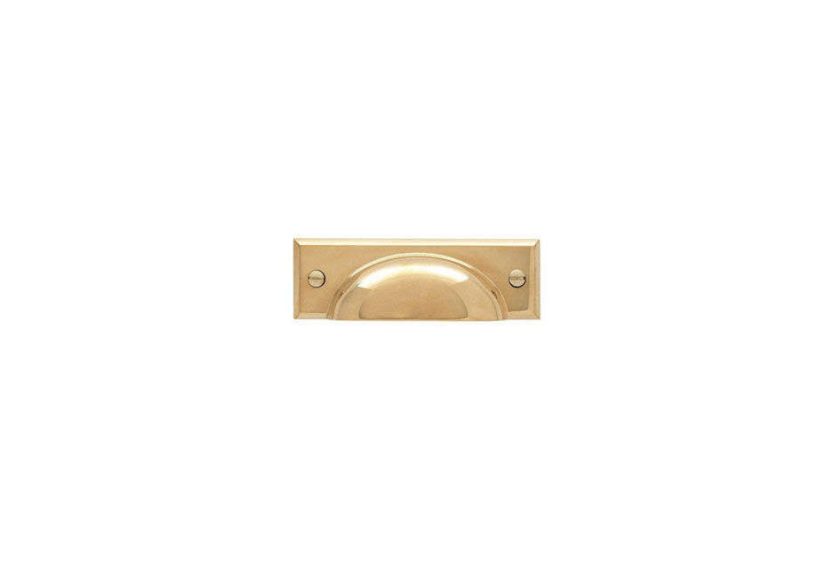
In plain English: a bin pull (often called a cup pull) is that half-moon, scooped
handle that lets your fingers hook underneath. The bevel edge part adds crisp, angled linesthink a
tailored collar instead of a floppy t-shirt. The result is a pull that feels classic and clean, with just enough
geometry to look intentional in modern spaces.
What Exactly Is a Bevel Edge Bin Pull?
A bevel edge bin pull is a cup-style drawer pull with a defined angled rim (the bevel) along the top or face. That
bevel does two big things:
-
Improves the look: It sharpens the silhouette, adds a subtle shadow line, and makes even simple
cabinetry feel more “designed.” -
Improves the feel: The edge gives your fingers a cleaner place to land, and the scoop naturally
guides your grip.
You’ll most often see these on drawers (kitchens, baths, mudrooms, built-ins), because cup/bin pulls
are easiest to grab when your hand approaches from above. They can work on cabinet doors tooespecially on lower
doorsthough many people prefer knobs or bar pulls for doors.
Why People Love Them (Besides the Fact They’re Hard to Smudge)
1) They’re ergonomically friendly
A bin pull is basically a little “pocket” for your fingers. That means you don’t need a tight pinch-grip like you do
with small knobs, and you’re less likely to slip compared with some sleek edge pulls. If your household includes kids,
grandparents, or anyone who simply opens drawers while holding coffee (brave), the bin pull’s shape is forgiving.
2) They look “finished” without being flashy
Bevel edge styling lands in that sweet spot: more refined than a plain stamped cup pull, but not so ornate that your
cabinets start looking like they’re attending a costume ball. This is why bevel edge bin pulls show up in
Shaker, farmhouse, transitional, and even lightly modern
kitchens.
3) They age well with trends
Cabinet hardware is one of the easiest updates in a roomyet it’s also something you don’t want to redo every time the
internet discovers a new finish. The bevel edge bin pull has been around for a long time because the form is classic.
Change the finish (polished nickel, satin brass, matte black) and you can steer the same shape toward different styles.
Materials and Finishes: What You’re Really Buying
Most bevel edge bin pulls in the U.S. market show up in a few common material categories. Here’s what to expect in
real-world use:
Solid brass
Solid brass is the “buy once, cry never” option. It’s sturdy, has satisfying weight, and typically holds up well over
years of daily grabbing. Many premium lines offer brass plus a wide menu of finishes. If you see “unlacquered brass,”
that means it will patina over timegreat if you like a living finish, less great if you want it to
stay showroom-perfect forever.
Stainless steel
Stainless is the low-drama choice: durable, clean-looking, and generally resistant to corrosion. It often fits modern
or industrial spaces and plays nicely with stainless appliances. If your kitchen is high-traffic (or you’re raising
tiny sticky-handed humans), stainless can be refreshingly practical.
Zinc alloy / die-cast metal
A lot of budget-friendly hardware uses zinc alloy. It can still look great and feel solid, especially from reputable
manufacturers. The main difference tends to be long-term wear and finish durability compared with higher-end brass.
For many homes, it’s an excellent valuejust don’t expect it to feel like a museum-grade heirloom.
Finish choices that actually make sense
- Polished nickel/chrome: bright, classic, easy to match with faucets and lighting.
- Satin/brushed nickel: softer shine, hides fingerprints better than polished finishes.
- Satin/brushed brass: warm, elevated, works with white, wood, and deep colors.
- Matte black: graphic contrast, modern farmhouse favorite, looks great on light cabinetry.
- Oil-rubbed bronze / antique copper tones: traditional warmth, pairs well with vintage-inspired spaces.
Pro tip: if your room has mixed metals (say, brass lighting and stainless appliances), bin pulls can be your “bridge.”
Pick a finish that relates to something else in the room (faucet, lighting, or appliances), and let it tie the look together.
Sizing: The Part Where Most People Guess (and Then Regret It)
Hardware sizing has three key measurements, and yesignoring any one of them can lead to that “why does this look weird?”
moment:
- Center-to-center (C-C): the distance between screw holes.
- Overall length: the full width of the pull.
- Projection: how far it sticks out from the drawer front.
Common center-to-center sizes you’ll see
For bin/cup pulls, 3 inches is a classic standard. You’ll also see variations like
3-1/2 inches and 4 inches on center, plus some “dual-mount” designs that fit more
than one hole spacing. In handle-land more broadly, you’ll also see metric spacings (like 96mm and 128mm), especially
as pulls get longer.
How to choose a size that looks right
- Small drawers (spice, utensil, vanity): 3″ C-C bin pulls often look proportional and feel great.
-
Medium drawers: you can stay consistent with 3″ C-C for a classic look, or scale up slightly for a more
current feel. -
Wide drawers: consider either larger bin pulls (if available) or switch to longer pulls/bar pulls on the
widest drawers to keep the hardware from looking undersized.
If you’re replacing existing hardware, the simplest move is matching the current center-to-center spacing so you don’t
have to fill and re-drill holes. If you’re starting fresh, consistency often looks clean: one size on most drawers,
and a larger size only where scale demands it.
Design Pairings: Where Bevel Edge Bin Pulls Shine
Shaker kitchens
Shaker doors are simple and squared-off. A bevel edge bin pull echoes that crisp geometry while still feeling traditional.
It’s a quiet upgrade that makes the whole room feel more intentional.
Modern farmhouse
Matte black bevel edge bin pulls on white or light wood cabinetry: that’s basically the “jeans and a great blazer”
outfit of kitchens. It reads casual but styled.
Vintage-inspired spaces
Bin pulls have strong heritage vibes (many are historically influenced), and the beveled edge keeps them from looking
overly ornate. Pair with antique brass or oil-rubbed bronze for a warm, lived-in feel.
Built-ins, mudrooms, and laundry rooms
These are the rooms that get used hard. Cup pulls are easy to grab quickly, and their curved profile is less likely to
snag pockets or sleeves compared with some bar pullsespecially in tight hallways.
Installation Basics: Clean Lines Start With Clean Layout
Installing a bevel edge bin pull is straightforward, but “straightforward” can still be ruined by a crooked tape
measure. Here’s the reliable approach:
Tools you’ll want
- Measuring tape or ruler
- Level or straightedge
- Pencil
- Drill + appropriate drill bit
- Painter’s tape (optional but helpful)
- Cabinet hardware template/jig (highly recommended if you value sanity)
Steps that prevent regret
- Decide placement (centered on drawer fronts is most common for bin pulls).
- Mark hole centers carefully, using a jig/template for repeatability.
- Support the back side with scrap wood when drilling to reduce tear-out.
-
Use the right screws: cabinet pulls commonly use machine screws (often standard threads like 8-32)
and come with included screws. If your drawer fronts are thicker (or you added panels), you may need longer screws. - Tighten gentlysnug is good; over-tightening can damage finishes or strip threads.
If you’re doing a full kitchen, a template/jig is worth it. Hardware that’s aligned by even a tiny amount reads “off”
across a whole wall of cabinets the way a slightly crooked picture frame haunts you from across the room.
Maintenance: How to Keep Them Looking Good Without Becoming a Hardware Curator
-
Routine cleaning: wipe with a soft cloth and mild soap/water. Skip abrasive cleaners that can dull
or scratch finishes. -
Living finishes: unlacquered brass will patinaembrace it. If you want it brighter, polish gently
(and know you’re restarting the patina clock). - Check screws annually: drawers get yanked a lot. A quick snug-up once a year prevents wobble.
Real-World Examples: Picking the Right Bevel Edge Bin Pull
Example 1: White Shaker kitchen with warm accents
You’ve got white Shaker cabinets, warm wood floors, and maybe a few brass details in lighting. A satin/brushed
brass bevel edge bin pull keeps the look clean but adds warmth. It’s subtle luxurylike upgrading from paper
towels to the good napkins.
Example 2: Moody navy island, light perimeter cabinets
Contrast is the point here. Try polished nickel for a crisp, tailored vibe or matte black
for bolder graphic lines. The bevel edge adds shadow and structure against darker paint, which helps the hardware read
as deliberate instead of disappearing.
Example 3: Vintage bathroom vanity makeover
A bevel edge bin pull in an antique-style finish (antique brass, oil-rubbed bronze, copper tones) feels period-friendly
without being fussy. It’s especially good if your vanity has inset panels or furniture-style details.
Buying Checklist: Don’t Click “Add to Cart” Yet
- Confirm center-to-center spacing (especially if replacing existing pulls).
- Choose a material that matches how hard the space is used (solid brass for longevity, stainless for practicality, zinc for value).
- Check projection so it’s comfortable to graband doesn’t stick out awkwardly in tight walkways.
- Order one sample first if possible. Lighting and finishes can look different in your home than online.
- Think about consistency: one style throughout is timeless; mixing can be great if it’s purposeful (e.g., bin pulls on drawers, knobs on doors).
Conclusion: Small Hardware, Big Impact
The bevel edge bin pull is one of those design choices that quietly improves daily life. It’s easy to
grab, easy to style, and flexible across kitchen, bath, and built-in cabinetry. Whether you lean traditional, modern,
or somewhere in the “I just want it to look expensive” middle, bevel edge bin pulls deliver a clean silhouette with
a practical gripno drama, no fuss, and no need to explain your choices at dinner parties.
Extra: of Real-Life Bevel Edge Bin Pull Experience
The first time I installed bevel edge bin pulls, I thought, “How different can a pull really feel?” That was adorable
optimismlike thinking one more throw pillow won’t matter. The difference showed up immediately, not in some dramatic,
choir-of-angels way, but in the tiny moments you repeat 30 times a day.
Step one was choosing the finish. Online, everything looks perfect because the lighting is basically a Hollywood
filter. In real life, my kitchen light is… enthusiastic. It revealed that what I thought was “warm brass” could read
as “yellow-ish” depending on the bulb. So I ordered a single pull first and held it up at breakfast, midday, and
late-night snack hours (the most honest lighting, frankly). That one-sample test saved me from buying a whole set of
hardware that would’ve looked like it belonged on a pirate ship.
Then came installation. A hardware jig felt like overkill until it wasn’t. The first drawer I measured by hand looked
fineuntil I installed the next one and realized “fine” is not a design strategy. A jig turned the process from
“carefully nervous” to “assembly line confident.” The pulls lined up, the spacing was consistent, and my blood pressure
stayed within normal human limits.
The biggest surprise was how the bevel edge changes the feel. With a standard cup pull, your fingers tuck underneath,
but the top can feel a little soft or rounded. The bevel adds a crisp landing zone; your fingertips find it naturally,
and you get that satisfying, secure grip without thinking. It’s especially noticeable when your hands are damp (dish
duty) or you’re multitasking (holding a plate, elbowing a drawer open, living your best chaotic life).
And let’s talk about smudges. Compared to long bar pulls, bin pulls are less “touchable surface area,” which means fewer
fingerprints screaming, “Someone made a sandwich here.” On matte finishes, this is basically a gift. On polished finishes,
you’ll still wipe them now and thenbut it’s less of a daily scavenger hunt for grime.
Over time, the pulls became one of those background upgrades you only notice when you use a drawer somewhere else and
think, “Why does this feel awkward?” That’s the real win: bevel edge bin pulls aren’t just decorativethey make the
cabinetry feel better to live with. And if a small piece of metal can do that? Honestly, it deserves a little applause.