Table of Contents >> Show >> Hide
- What Is a Reverb Tank, Anyway?
- Why a Folding Lamp Works Better Than You Might Think
- How the Folding Lamp Reverb Build Works
- Why This Is Not Just a Gimmick
- The Sound: Short, Metallic, and Deliciously Odd
- Key Design Choices That Shape the Tone
- How It Compares With Traditional Spring Reverb
- Creative Uses for a Lamp Reverb Tank
- Common Problems and How to Fix Them
- Why Makers Love Projects Like This
- Experiences and Lessons From Building a Folding Lamp Reverb Tank
- Conclusion
Some DIY audio projects begin with a soldering iron, a schematic, and a noble plan. Others begin when someone looks at a folding lamp and thinks, “You know what this needs? A career in music.” That is the charming idea behind Folding Lamp Becomes A Tasty Reverb Tank, a project that turns an ordinary metal task lamp into an experimental mechanical reverb device. It is weird, clever, and just practical enough to make audio nerds lean forward in their chairs.
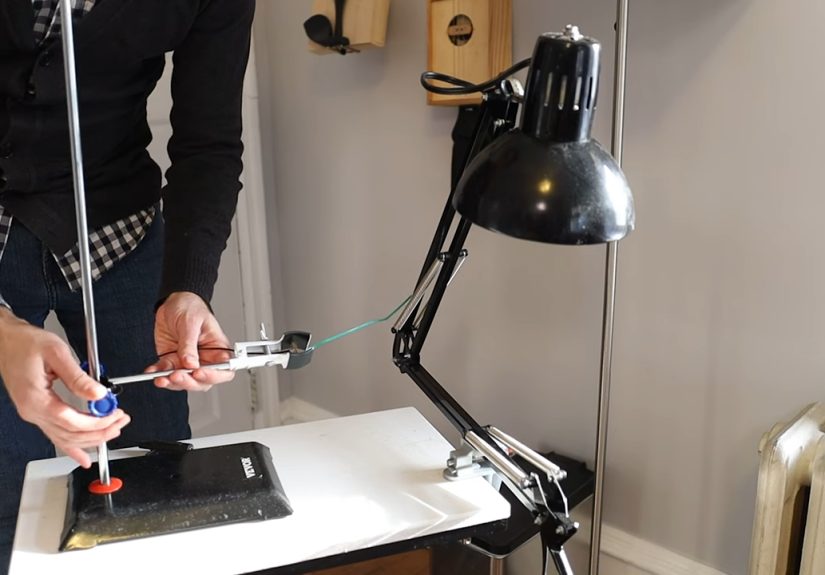
At its heart, the concept is simple: send sound vibrations into a resonant metal object, capture the vibrations that come back, and blend that signal into music. Traditional spring reverb tanks do this with carefully designed springs, transducers, and pickups. This project does it with a folding lamp, an audio transducer, and piezo contact microphones. The result is not a polished studio cathedral. It is more like a haunted desk accessory whispering from the corner of a workshopand that is exactly why it is interesting.
What Is a Reverb Tank, Anyway?
A reverb tank is a physical device that creates artificial ambience. In a classic spring reverb unit, an input transducer converts an electrical audio signal into mechanical movement. That movement travels through springs, bounces around, loses energy over time, and is captured at the other end by an output transducer. The recovered signal is then amplified and mixed with the dry sound.
This is why spring reverb has such a recognizable splash. It does not imitate a real room perfectly, and it is not trying to. Instead, it produces a metallic, lively, slightly unpredictable tail that has shaped surf rock, blues, dub, garage rock, and countless guitar recordings. It is the sound of physics refusing to behave politely.
The folding lamp version borrows the same core idea but swaps the purpose-built spring tank for a found object. The lamp’s metal arms, joints, tension springs, and frame become the resonant body. Instead of using a commercial tank with standard RCA connectors and known impedance values, this design treats the lamp itself as an instrument.
Why a Folding Lamp Works Better Than You Might Think
A folding lamp is not just a lamp. Mechanically, it is a network of metal pieces under tension. Many adjustable desk lamps use scissor-like arms, springs, hinges, screws, and thin metal parts that can vibrate sympathetically when excited. In other words, the lamp is already a little percussion ensemble pretending to be office equipment.
When a surface or structure vibrates, it has resonant frequencies. Some parts ring more than others. Some joints buzz. Some springs add shimmer. Some metal arms contribute short, bright reflections. A folding lamp may not deliver a long, smooth decay like a studio plate reverb or a professional spring tank, but it can create a distinctive texture that digital presets often struggle to fake convincingly.
That is the magic of this DIY reverb tank: imperfection becomes the feature. The uneven decay, strange resonances, and tiny mechanical rattles give the lamp a personality. A normal reverb plugin can simulate a concert hall, a plate, a room, or a spring. A lamp reverb can simulate exactly one thing: that particular lamp on that particular bench, with that particular amount of glorious nonsense.
How the Folding Lamp Reverb Build Works
1. An Audio Transducer Drives the Lamp
The build uses a surface audio transducer, similar in concept to a speaker motor without the usual cone. Instead of pushing air directly like a normal loudspeaker, the transducer transfers vibration into the object it is attached to. Mount it to a wall, panel, sheet of glass, or metal frame, and that surface becomes part of the sound-making system.
In the folding lamp reverb project, the transducer injects the audio signal into the lamp’s metal structure. The lamp responds by vibrating, flexing, ringing, and sending energy through its arms and springs. The sound is not coming from a speaker cone anymore. It is being filtered through the lamp’s physical body.
2. Piezo Contact Mics Capture the Vibrations
Once the lamp is moving, the next step is listening to it. Piezo contact microphones are excellent for this job because they sense vibration through direct contact with solid surfaces. Unlike a regular microphone, a contact mic does not mainly capture sound waves traveling through air. It captures structure-borne sound: the little shivers, taps, scrapes, and resonances moving through the object itself.
Piezo elements are cheap, sensitive, and easy to experiment with, but they are also picky. They usually prefer a high-impedance input, often around 1 megohm or higher, to avoid sounding thin and harsh. Plugging a piezo directly into the wrong line input can make the result brittle, noisy, or bass-starved. A buffer, DI box, instrument input, or suitable preamp can make a huge difference.
3. The Wet Signal Is Mixed Back In
The captured lamp vibration becomes the “wet” signal. That signal can be recorded, amplified, equalized, compressed, distorted, or blended with the original “dry” audio. With careful gain staging, the lamp becomes an effects processor. With careless gain staging, it becomes a small metal goblin screaming into your interface. Both outcomes are educational, but only one is mix-ready.
Why This Is Not Just a Gimmick
It would be easy to dismiss a lamp reverb as a novelty, but the underlying technique has serious roots. Mechanical reverb has always depended on using physical materials to create ambience. Plate reverbs use suspended metal plates. Spring reverbs use stretched metal springs. Echo chambers use actual rooms. The folding lamp is simply a smaller, stranger member of the same family.
Studio history is full of engineers turning architecture and machinery into sound. Before digital reverb became common, producers used stairwells, bathrooms, tiled rooms, metal plates, oil cans, springs, and purpose-built chambers to create space around recordings. The appeal was not just realism. It was character. A physical object imprints its own behavior onto audio.
The folding lamp reverb tank fits neatly into that tradition. It is a reminder that sound design is not limited to commercial equipment. If an object vibrates, it can potentially become part of an audio signal chain. The trick is learning how to excite it, capture it, and control it without accidentally inventing a new form of hum.
The Sound: Short, Metallic, and Deliciously Odd
A commercial spring reverb tank can produce a decay lasting several seconds, depending on the model. Short tanks may sound tight and focused, while long tanks can bloom dramatically. A folding lamp is usually much more compact and mechanically damped by its joints, hardware, and mass, so the reverb tail is likely shorter.
But short does not mean boring. The lamp’s tone can be percussive, metallic, and intimate. It may work beautifully on snare hits, fingerpicked guitar, synth plucks, spoken word, experimental percussion, or ambient textures. Rather than washing a track in lush space, it adds a physical signaturelike the sound passed through a tiny industrial sculpture before returning home.
Because the lamp contains multiple parts under different tension, it can also create complex little reflections. The springs may add a boingy shimmer. Hinges may introduce rattles. Thin metal sections may emphasize upper mids. Depending on where the transducer and contact mics are placed, the same lamp can produce several different tones.
Key Design Choices That Shape the Tone
Transducer Placement
Placement changes everything. Mounting the transducer near the base may excite the entire structure more evenly. Placing it near a spring or arm joint may create a brighter, more chaotic response. A centered position can sound direct and controlled, while an offset position can produce richer asymmetry. The best approach is not theoretical perfection; it is patient listening.
Contact Mic Position
Piezo placement is just as important. Put a contact mic near the transducer and the signal may be louder but less spacious. Move it farther away and the sound may become more reverberant, but also quieter and noisier. Placing two contact mics on different parts of the lamp can create a wide stereo image, especially if the two points vibrate differently.
Mechanical Tension
Changing the lamp’s angle can alter the tension in its springs and arms. That means the reverb tone may shift when the lamp is folded, stretched, tilted, or clamped. This gives the project a performance element. The lamp is not only an effects box; it is a movable acoustic machine.
Preamp and Gain Staging
The output from a piezo contact mic can be surprisingly strong in some frequencies and weak in others. A clean, high-impedance preamp helps preserve the low end and reduce harshness. After that, EQ is your friend. Rolling off deep rumble, taming sharp upper mids, and boosting useful body can turn a raw contact mic signal into a musical reverb return.
How It Compares With Traditional Spring Reverb
A traditional spring reverb tank is more predictable. Its springs, magnets, input impedance, output impedance, decay time, and mounting orientation are designed for a specific purpose. That makes it easier to install in a guitar amp or studio unit. It also means the sound lives in a recognizable category.
The folding lamp reverb is less controlled but more personal. It does not follow standard tank codes. It does not promise a known decay time. It may hum, buzz, rattle, or surprise you. For a guitarist who wants a classic surf drip, a proper spring tank is still the better tool. For a sound designer looking for a one-of-a-kind texture, the lamp wins points for personality.
Think of it this way: a commercial tank is a trained session musician. The lamp is your eccentric cousin who brought a wrench to band practice and somehow nailed the chorus.
Creative Uses for a Lamp Reverb Tank
Guitar and Bass
Run a clean guitar through the lamp reverb and blend it subtly under the dry signal. It can add a wiry, vintage-meets-laboratory texture. For bass, use the effect sparingly and high-pass the return so the low end remains solid.
Synths and Drum Machines
Short metallic reverbs are excellent on analog synth stabs, modular bleeps, and drum machine hits. A rimshot or clap through a folding lamp can sound like it was recorded in a tiny robot garage.
Vocals and Spoken Word
For vocals, the lamp reverb is best used as a special effect rather than a natural ambience. Blend a narrow, filtered version behind spoken phrases to create tension, intimacy, or a slightly surreal atmosphere.
Field Recording and Foley
Sound designers can use the lamp as a resonator for footsteps, keys, metal impacts, or environmental recordings. Re-amping field sounds through a physical object gives them a tactile quality that software alone may not provide.
Common Problems and How to Fix Them
Too Much Hum
Piezo contact mics and high-gain recovery stages can pick up electrical noise. Use shielded cable, keep the piezo wiring away from power supplies, and avoid running the weak pickup signal near AC mains wiring. If the lamp was once wired for electricity, remove or safely isolate old mains components before using it as an audio device.
Thin or Harsh Sound
A piezo plugged into a low-impedance input often sounds brittle. Use a high-impedance buffer or instrument input. Then apply EQ. A small cut around harsh resonances can make the effect far more musical.
Uncontrolled Rattling
Some rattle is charming. Too much rattle sounds like a drawer full of forks during an earthquake. Tighten loose screws, add small felt pads, or use tape strategically to tame problem areas while leaving the interesting resonances intact.
Feedback
If the wet signal is routed back into the transducer too loudly, the system can feed back. Lower the send level, move the contact mic, reduce resonant frequencies with EQ, or physically damp the lamp. Feedback can be musical, but it should be invited, not allowed to kick down the door.
Why Makers Love Projects Like This
The folding lamp reverb tank represents the best kind of DIY audio project: inexpensive, experimental, educational, and slightly absurd. It teaches real conceptstransduction, resonance, impedance, gain staging, damping, and mechanical feedbackwithout requiring a laboratory budget.
It also encourages a healthier relationship with sound. Instead of treating audio as something that only happens inside plugins, it reminds us that music is physical. Signals move cones, plates, springs, wires, tables, floors, and lamps. Every object has a voice if you know how to listen.
That is why this project is so appealing. It is not merely a hacked lamp. It is a playful demonstration of acoustic imagination. It asks a question every maker should ask more often: “What else could this become?”
Experiences and Lessons From Building a Folding Lamp Reverb Tank
The first experience most people have with a DIY lamp reverb is surprise. You attach the transducer, tape or clamp a contact mic to the frame, send in a drum loop, and suddenly the lamp is no longer furniture. It becomes a resonant creature. The first sound may be ugly. That is normal. In fact, if the first test sounds perfect, you should probably check whether you accidentally left a plugin on.
The most important lesson is that placement matters more than expensive parts. Moving the contact mic one inch can change the tone dramatically. A spot near a spring might sound bright and animated. A spot near the base might sound thicker and duller. A position on a thin arm may emphasize metallic harmonics, while a joint may create a clacky, percussive response. This makes the process feel less like assembling a device and more like discovering an instrument.
Another practical lesson is that the lamp’s physical position is part of the preset. Fold the arm inward and the sound may become tighter. Stretch it outward and the springs may ring more freely. Tilt the shade, loosen a hinge slightly, or clamp the base to a heavier table, and the whole response changes. A commercial reverb pedal gives you knobs. A folding lamp gives you posture, gravity, and the occasional screw that decides it wants a solo.
Noise control becomes a serious part of the experiment. Contact mics are sensitive, and piezos can exaggerate handling noise. Every cable tap, desk bump, and accidental elbow hit may become part of the recording. At first this feels annoying. Later, it becomes useful. You can tap the lamp for transitions, pluck the springs for eerie accents, or physically mute the arms with your hand to shorten the decay. The reverb tank becomes playable.
One of the best workflow tricks is to record several passes instead of trying to perfect the sound in real time. Send the same snare, guitar phrase, synth note, or vocal chop through the lamp multiple times while changing mic positions and lamp angles. Then listen back and choose the most interesting take. Often the “wrong” version has the best character. A buzz that seemed irritating alone may sit beautifully behind a drum groove. A thin metallic tail may become perfect once filtered and panned.
The final lesson is creative humility. A folding lamp reverb will not replace a high-end studio reverb, and it should not try. Its value is not luxury polish. Its value is originality. It gives recordings a fingerprint. In a world full of identical presets, that little mechanical fingerprint can be worth more than another flawless hall algorithm. The lamp may not know music theory, but it knows how to vibrate with conviction.
Conclusion
Folding Lamp Becomes A Tasty Reverb Tank is more than a funny headline. It is a compact lesson in how sound, metal, electricity, and curiosity can meet in one gloriously impractical object. By driving a folding lamp with an audio transducer and capturing its vibrations with piezo contact microphones, a maker can transform a household item into a character-rich mechanical reverb.
The project works because it respects a timeless audio principle: physical things color sound in interesting ways. Springs, plates, rooms, pipes, wires, and lamps all respond differently when energy moves through them. Some responses are smooth and elegant. Others are metallic, short, strange, and full of attitude. The folding lamp belongs proudly in the second group.
For musicians, producers, and DIY builders, this is a reminder that great sound design does not always require expensive gear. Sometimes it requires listening to the junk on your desk with unreasonable optimism. And maybe unplugging it first. Definitely unplugging it first.