Table of Contents >> Show >> Hide
- More Than a Tool Brand
- Why the Future Home Needs an Ecosystem
- The Kitchen Is No Longer Just a Kitchen
- The Yard Is Becoming Another Room
- The Utility Layer Is the New Luxury
- Ecosystem Does Not Have to Mean Everything Has Wi-Fi
- Affordability May Be the Brand’s Biggest Opening
- Services Turn a Product Catalog Into an Ecosystem
- What VEVOR Is Really Building
- Extra Perspective: What This Looks Like in Real Life
For a long time, home brands were neatly sorted into little boxes. One company sold tools. Another sold patio gear. Another handled kitchen storage. Another dealt with plumbing. If you wanted to upgrade your home, you didn’t go shopping so much as go on a scavenger hunt with fourteen browser tabs open and a very fragile sense of optimism.
That model is starting to feel old. The home of tomorrow is not being built one isolated purchase at a time. It is being shaped as a connected lifestyle: a garage that doubles as a workshop, a kitchen that works as command central, an outdoor space that functions like another room, and utility areas that quietly make daily life less chaotic. In that environment, the brands that win will not just sell products. They will sell continuity.
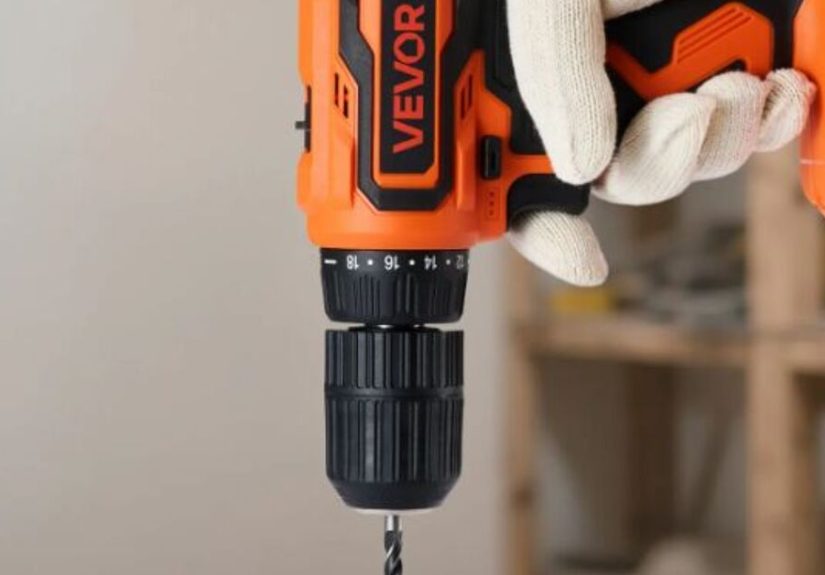
That is where VEVOR becomes interesting. Yes, it is widely known for tools and equipment. But the bigger story is that VEVOR is moving beyond the image of a tool seller and toward something more ambitious: a broad, practical home ecosystem built around making, fixing, organizing, cooking, cleaning, storing, growing, and maintaining modern life. That may not sound as glamorous as a robot butler named Sebastian, but for actual homeowners, it is a lot more useful.
More Than a Tool Brand
The easiest way to understand VEVOR’s direction is to look at breadth. This is not a catalog that stops at power equipment and calls it a day. The brand stretches across lawn and garden, watering and irrigation, outdoor décor, raised beds, greenhouses, pressure washers, kitchen and kitchenware, kitchen storage and organization, sinks, faucets, water dispensers, cabinets, decking, gates, and other home-adjacent categories. That matters because today’s home projects are rarely confined to one department.
A homeowner cleaning up a backyard may also need fencing, irrigation, storage, lighting, and prep surfaces. A kitchen refresh can lead to better faucet choices, smarter storage, more efficient sinks, and practical organization upgrades. A garage project often bleeds into shelving, utility carts, cleanup gear, and small-space planning. In other words, the modern home is cross-category by nature. VEVOR appears to understand that, and it is shaping its assortment around the way real people actually live: one project always turns into three.
That is the quiet genius of the ecosystem strategy. It is not built on abstract branding language. It is built on adjacency. If a brand can meet customers in the garage, garden, kitchen, utility room, patio, and entryway, it becomes part of the rhythm of the home rather than a one-time stop for a specific item.
Why the Future Home Needs an Ecosystem
The home itself is changing, and the trends are pointing in the same direction. People want spaces that do more, waste less, and flex with daily life. That means kitchens are becoming more multifunctional. Storage is becoming more valuable. Outdoor areas are being treated as extensions of the home. Buyers and builders are also paying more attention to efficiency, resilience, and infrastructure that feels ready for what comes next.
So when we talk about the “tomorrow home,” we are not just talking about gadgets that blink at us from across the room. We are talking about a practical system of products that supports cooking, hosting, gardening, cleaning, repairing, storing, and adapting. The future home is less about showing off and more about working smarter. It is not asking for a spaceship kitchen. It is asking for a kitchen that hides clutter, supports real routines, and still looks nice when guests show up unannounced.
That shift helps explain why a company like VEVOR can expand naturally. A broad product ecosystem is no longer a side quest. It is becoming the main event.
The Kitchen Is No Longer Just a Kitchen
If there is one room that reveals the future of the home, it is the kitchen. Today’s kitchen has to support cooking, storage, entertaining, conversation, remote work, charging, snacking, homework, and the occasional moment of staring into the fridge like it contains life advice. Design trends reflect that reality. Homeowners are looking for smarter storage, integrated appliances, better lighting, more personalized layouts, and materials that balance beauty with durability.
VEVOR’s expansion into kitchen storage, sinks, faucets, water dispensers, cabinets, cookware, and countertop organization fits neatly into that evolution. The brand is not trying to own the kitchen through one hero appliance. It is participating in the kitchen through workflow. That is an important distinction. Tomorrow’s home will reward brands that help daily systems run better, not just brands that sell the flashiest object in the room.
The practical power here is cumulative. A pull-out organizer may not sound dramatic on its own. Neither does a better sink setup or countertop water filter. But stack enough of those decisions together and the room changes. It feels calmer, faster, cleaner, and easier to maintain. That is what the next generation of home improvement looks like: less theatrical transformation, more sustained functionality.
The Yard Is Becoming Another Room
American homeowners are treating outdoor space as usable living space, not just decorative territory between the sidewalk and the back fence. Front yards are becoming more social. Backyards are being shaped for everyday comfort, not just occasional barbecues. Low-maintenance upgrades, efficient watering, planters, greenhouse tools, raised beds, and practical landscaping are all part of this change.
VEVOR’s lawn and garden ecosystem reflects that wider shift. It spans garden tools, irrigation, composters, raised beds, hydroponic gardening, greenhouses, outdoor décor, ponds, fencing, and power equipment. That is not random catalog sprawl. It matches a clear cultural move toward making outdoor areas more productive, more beautiful, and more connected to everyday routines.
The future home is increasingly porous. Inside and outside are blending. The patio becomes a dining room in warm weather. The front yard becomes social space. The greenhouse becomes hobby, food source, and stress reliever. A brand that can support that transition across multiple budgets and project sizes has a real opportunity. VEVOR seems to be betting that “home creator” does not end at the back door, and that feels exactly right.
The Utility Layer Is the New Luxury
One of the biggest misunderstandings in home marketing is the idea that the future home will be defined only by visible aesthetics. In reality, many of the most meaningful upgrades live in the utility layer: water management, storage, organization, cleaning power, mobility, and energy efficiency. These are not always glamorous categories, but they have a funny habit of improving life more than expensive statement pieces.
That is where VEVOR’s ecosystem strategy becomes especially strong. The brand has room to serve not only the “before and after” crowd but also the “please make my life easier by Tuesday” crowd. The family trying to organize a pantry, the homeowner building a better garden setup, the DIYer creating a more efficient garage, and the person finally tackling clutter in the utility room are all part of the same larger story. They are not just buying products. They are buying smoother routines.
And smoother routines are powerful. A good storage system saves time. Better irrigation saves effort. A more functional prep area reduces friction. A pressure washer gives tired surfaces a second act. These are the little wins that add up to a home that feels modern without becoming precious.
Ecosystem Does Not Have to Mean Everything Has Wi-Fi
There is another smart point in VEVOR’s positioning: an ecosystem does not need to be fully digital to be meaningful. The smart-home world is moving toward better interoperability, with standards like Matter expanding support for cameras, garage doors, shades, soil sensors, and energy management. That is important. It means the connected home is becoming broader and more practical.
But most homeowners do not live in a purely digital reality. They live in a hybrid one. They want a gate that works, an awning that makes sense, a garage that feels usable, a garden that is easier to maintain, and a kitchen that supports daily life. Some of those systems will become connected. Some will stay gloriously analog. The point is that they should still work together as part of one coherent household.
That makes VEVOR’s broader ecosystem feel timely. It can participate in the future home without pretending the future home is only an app. In fact, that may be its advantage. Tomorrow’s home is likely to be less about replacing reality with software and more about combining physical infrastructure with selective intelligence. Practical first. Connected where helpful. No toaster monologues required.
Affordability May Be the Brand’s Biggest Opening
The next home economy is not being built only for luxury homeowners with endless renovation budgets. Builders are responding to affordability pressure with flexible spaces, right-sized layouts, and practical infrastructure upgrades. Consumers are looking for value, durability, and upgrades that pull their weight. That environment creates room for brands that can cover many use cases without making every improvement feel like a financial event.
This is where VEVOR’s value-oriented, wide-catalog approach becomes more than a merchandising tactic. It becomes a market argument. If the home of tomorrow is expected to be flexible, efficient, and resilient, then the brands that help people accomplish more without requiring designer-level budgets are going to matter. A homeowner does not need every room to look like a magazine cover. They need the home to function like it respects their schedule, their wallet, and their sanity.
VEVOR’s ecosystem story fits that mood. It feels less like “aspirational fantasy” and more like “practical ambition.” That is a very smart lane to occupy right now.
Services Turn a Product Catalog Into an Ecosystem
A true ecosystem is not just about selling lots of products. It is also about reducing friction around them. That is why VEVOR’s broader structure matters. The company talks not only about product quality assurance but also about member programs, dealer opportunities, pickup service, assembly services, and DIY project content. Those details may seem small, yet they are exactly the kinds of support layers that make a brand stickier over time.
Think about it from the homeowner’s perspective. Buying an item is one thing. Getting it assembled, understanding how it fits into a larger project, and returning to the same brand for related needs is another. Ecosystems are built when a company supports the entire project cycle, not just the checkout button. Inspiration, selection, support, setup, follow-up, and expansion all matter.
That is especially important in home improvement, where confidence is often the difference between a completed project and a box sitting in the garage for six months like an unopened chapter of self-improvement.
What VEVOR Is Really Building
So what is VEVOR building? Not a closed luxury universe. Not a trendy concept home full of devices that require four apps and a minor engineering degree. It is building something more grounded: a practical ecosystem for people who make their homes with their own hands, their own ideas, and often a very real budget.
That ecosystem works because it mirrors how homes are evolving. Kitchens are becoming workhorses. Outdoor areas are becoming living space. Utility layers are becoming more important. Storage is becoming a design priority. Flex spaces are becoming normal. Efficiency is becoming table stakes. And the divide between “DIY,” “home décor,” “garden,” “organization,” and “maintenance” is collapsing into one bigger category: everyday living.
In that world, VEVOR’s broad reach looks less like diversification and more like alignment. The brand is meeting the house where the house is headed.
Extra Perspective: What This Looks Like in Real Life
To really understand the appeal of this kind of ecosystem, imagine a normal Saturday instead of a dramatic renovation montage. You start in the kitchen, where the counters are not buried under clutter because storage solutions actually do their job. The sink area is more functional, water access is easier, and the room feels less like a daily battle zone. You grab coffee, glance outside, and notice the raised bed garden is finally something more than a hopeful rectangle of dirt. The irrigation setup makes watering less random, the greenhouse tools are where they should be, and the backyard feels like part of the home rather than a responsibility lurking beyond the glass door.
Then the day shifts. The patio needs a quick cleanup, the driveway looks tired, and suddenly a pressure washer becomes the hero of the weekend. Later, you move to the garage, where better organization means you can actually find the drill, the extension cord, and the screws without performing an archaeological dig. What makes the experience satisfying is not just that each product works. It is that each product belongs to the same larger logic of the home: reduce friction, create order, save effort, and make space more useful.
That feeling matters. People do not experience a home as separate retail categories. They experience it as a chain of tasks, moods, habits, and little annoyances. The family dinner, the gardening hobby, the weekend repair, the guest visit, the rainy-day storage problem, and the “where on earth did I put that?” moment all live in the same universe. When a brand understands that, its role changes. It stops being a store and starts becoming a companion to the way a household functions.
There is also an emotional layer here that is easy to miss. A better-organized kitchen does not just look nicer. It lowers stress. A more usable yard does not just increase curb appeal. It expands the places where life can happen. A garage that works as a workshop, storage zone, and utility hub does not just hold stuff. It gives homeowners back a sense of capability. That is a big reason ecosystem thinking resonates. It is not merely about convenience. It is about momentum. Good systems make people more likely to tackle the next improvement.
And that is why the phrase “beyond tools” lands. Tools are important, of course. But what homeowners are really after is the life those tools make possible: cleaner mornings, easier dinners, smoother weekends, better hosting, healthier gardens, tidier spaces, and projects that feel achievable instead of exhausting. VEVOR’s opportunity is to keep translating that reality into categories that speak to the whole house. If it continues doing that well, it will not just sell products for tomorrow’s home. It will help define how tomorrow’s home actually works.