Table of Contents >> Show >> Hide
- Why Immigrant Communities Are Often Targeted
- What These Products Actually Look Like
- The Internet Made an Old Problem Faster
- Why the Danger Is Worse in the Fentanyl Era
- Language Barriers Turn Risk Into Harm
- Fear, Cost, and the Logic of Desperation
- Real Solutions Have to Be Bigger Than Seizures
- Experiences Behind the Statistics
- Conclusion
- SEO Tags
There is a brutal little trick at the center of the black-market medicine trade: it does not need everyone to trust it. It only needs enough people to be cornered by high prices, language barriers, fear, confusion, or a long workday that leaves no time for a doctor’s office. That is why immigrants are often in the crosshairs. Not because immigrant communities are careless, but because criminal sellers are good at spotting pressure points. They know exactly where the health care system is hardest to enter and easiest to give up on.
In the United States, black-market pharmaceuticals show up in more than one costume. Sometimes they are counterfeit pills made to look like real prescriptions. Sometimes they are foreign drugs that are familiar in another country but not approved for sale here. Sometimes they are expired antibiotics, injectable vitamins, pain pills, or sexual-health products sold by unlicensed vendors in parking lots, swap meets, beauty salons, or neighborhood stores. And sometimes they arrive with a sleeker disguise: a polished website, a fake pharmacy seal, and a checkout page that looks as reassuring as a hotel booking app. Same danger. Better graphics.
The headline issue is not simply “bad people selling bad pills.” It is the collision between public health, immigration, affordability, and trust. When legitimate care feels too expensive, too confusing, or too risky, illegitimate care starts to look less like a scam and more like a shortcut. That shortcut can lead straight to treatment failure, poisoning, overdose, and deep mistrust of the health system.
Why Immigrant Communities Are Often Targeted
Let’s start with the uncomfortable truth: black-market pharmaceuticals do not thrive in a vacuum. They thrive in gaps. Immigrants, especially recent arrivals, mixed-status families, workers in low-wage jobs, and people with limited English proficiency, often face multiple barriers at once. Health coverage can be difficult to obtain. Even when someone is eligible, enrollment rules can be confusing. Fear around immigration enforcement can discourage clinic visits. Add time pressure, transportation issues, and unfamiliarity with the U.S. system, and a street seller offering a “known” product for cash begins to look dangerously convenient.
That convenience is often cultural as much as financial. A seller may stock products with names, packaging, and uses that customers recognize from Mexico, Central America, South Asia, or elsewhere. The label feels familiar. The vendor speaks the right language. The advice sounds confident. That familiarity can override the warning signs that would otherwise flash red. It is easier to trust a box that looks like home than a health system that feels like paperwork with fluorescent lighting.
California Healthline documented this dynamic in Los Angeles, where black-market medicines were reportedly sold to mostly Latino immigrants in parks, swap meets, beauty salons, and outside neighborhood grocery stores. Some products were cheap, required no prescription, and carried brand names people recognized from their home countries. Authorities said many were counterfeit, expired, unapproved for U.S. sale, or sold by people with no medical license at all. That is not a gray market curiosity. That is a patient-safety crisis wearing a friendly face.
What These Products Actually Look Like
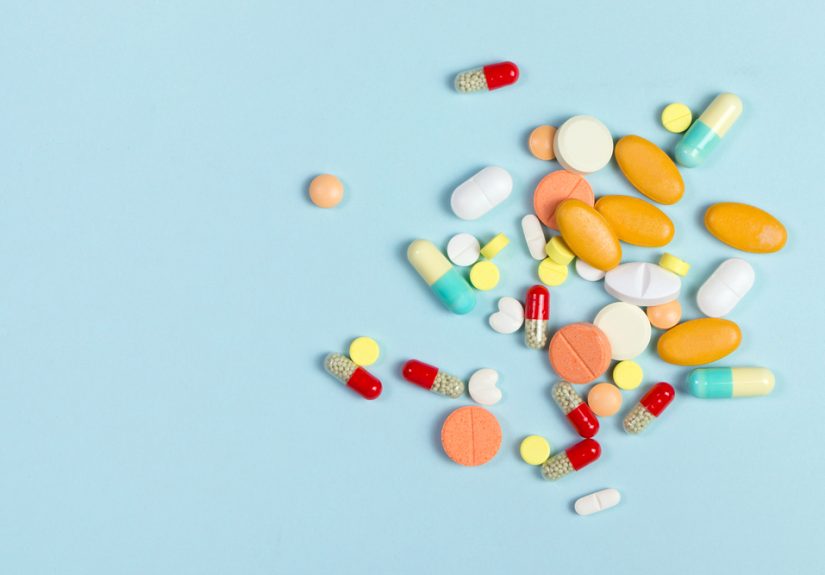
Black-market pharmaceuticals are not limited to one drug class or one sales channel. The menu is alarmingly broad. It can include antibiotics, blood pressure pills, pain medications, injectable vitamins, sexual-health products, weight-loss injections, herbal products secretly spiked with active drug ingredients, and pills stamped to look like oxycodone, Xanax, or Adderall. Some are fake from start to finish. Others may contain a real active ingredient, but at the wrong dose, in contaminated form, or in packaging that hides expiration and storage problems.
That matters because medicine is not just about the name on the box. A blood pressure pill that contains the wrong dose is not a bargain; it is roulette. An antibiotic that is fake, expired, or subtherapeutic does not merely “fail to help.” It can delay treatment, worsen infection, and contribute to antibiotic resistance. A counterfeit pain pill can now carry an even deadlier risk: illegally manufactured fentanyl.
The FDA warns that counterfeit medicines may contain the wrong ingredients, too much, too little, or none of the intended active ingredient at all. The FTC similarly warns that fake online pharmacies can deliver products that are counterfeit, mislabeled, expired, or never arrive after payment. In other words, the consumer is not just buying medicine. They are buying uncertainty, and sometimes uncertainty arrives in tablet form.
The Internet Made an Old Problem Faster
If street sales are the old storefront, fake online pharmacies are the upgraded franchise model. The design is often slick. The prices are seductive. The promises are ridiculous in the way only scams can be: no prescription needed, overnight shipping, doctor-approved, 100% guaranteed. FDA guidance says unsafe online pharmacies frequently sell unapproved, counterfeit, or otherwise unsafe medicines outside the safeguards followed by licensed pharmacies. The agency also notes that many use fake storefronts to appear legitimate.
And this is no tiny corner of the internet. NABP has identified more than 40,000 medication websites as “Not Recommended,” meaning they appear to operate outside legal and patient-safety standards. Recent enforcement shows the threat is not theoretical. In 2024, federal prosecutors charged defendants in a counterfeit-pharmaceutical scheme that allegedly sold deadly fake pills through online pharmacies to victims nationwide. According to the Justice Department, the pills were disguised as legitimate medicines, reached victims in all 50 states, and at least nine people later died of narcotics poisoning.
NIH and DEA warnings add another layer: fake pills bought online, through social media, or from friends may look exactly like pharmacy pills while containing fentanyl. This is what makes the modern black-market medicine trade so treacherous. It no longer looks like a back-alley deal from a crime movie. Sometimes it looks like a wellness website with a discount code.
Why the Danger Is Worse in the Fentanyl Era
Counterfeit prescription pills are not only fraudulent. They are increasingly lethal. NIH reported that law enforcement seized more than 115 million fentanyl-containing pills in 2023, up dramatically from 2017. Pills accounted for nearly half of illicit fentanyl seizures in 2023, compared with 10% in 2017. The message from public health agencies is blunt: any pill not obtained from a pharmacy could be potentially deadly.
DEA testing has been similarly grim. The agency reported that six out of ten fentanyl-laced fake prescription pills analyzed in 2022 contained a potentially lethal dose of fentanyl. CDC has also warned that counterfeit pill deaths rose over time and that decedents with evidence of counterfeit pill use were more often younger and Hispanic than those without such evidence. In western jurisdictions, the increase was especially sharp. That regional pattern matters because many immigrant communities live in areas where this counterfeit-pill market has spread aggressively.
Fentanyl raises the stakes for everyone, but it is especially dangerous in communities where people may already be navigating limited access to care, inconsistent medication counseling, and informal drug-buying networks. One wrong purchase can turn a cash-saving decision into a family catastrophe.
Language Barriers Turn Risk Into Harm
Limited English proficiency does not create the black market, but it can make its damage worse. KFF reports that 25.7 million people in the United States had limited English proficiency as of 2021. Research has long shown that language barriers can interfere with medical comprehension, medication use, and follow-up care. People with limited English proficiency are more likely to report trouble understanding a medical situation, trouble understanding labels, and even bad medication reactions. Language-concordant care helps, but it does not erase every barrier.
Medication safety is a good example. Studies of Hispanic parents have found high rates of liquid medication dosing errors, with the greatest risk among those who have both limited health literacy and limited English proficiency. That finding is easy to underestimate until you picture real life: a tired parent, a sick child, a measuring cup, and instructions that are technically translated but not truly understandable. Now add a counterfeit product bought outside the regulated system, and the margin for error shrinks to almost nothing.
This is why the black-market medicine problem cannot be solved by law enforcement alone. It is also a plain-language problem, an interpretation problem, and a trust problem.
Fear, Cost, and the Logic of Desperation
One of the most important points here is that people do not usually buy risky medicine because they enjoy risk. They do it because the alternatives feel out of reach. KFF notes that immigrants use less health care than U.S.-born citizens, in part because of language barriers, confusion, and immigration-related fears. Among people eligible for coverage, fear and difficulty navigating enrollment can still keep them uninsured. The Office of Minority Health also emphasizes how non-medical drivers such as income, housing, education, and access to reliable care shape health outcomes.
That is the real engine under this market. Sellers are exploiting structural vulnerability. Some target neighborhoods where people work long hours, lack paid time off, and cannot miss a shift to sit in a waiting room. Others rely on fear: fear of high bills, fear of bad news, fear of being asked for documents, fear of being misunderstood, fear of attracting attention. Desperation has excellent hearing. It can hear a whispered deal from three blocks away.
In documented reporting, clinicians serving immigrant patients have said some people avoided clinics because they worried about deportation and instead bought medicine on the street. That detail matters because it reframes the issue. These are not isolated “consumer choices.” They are predictable outcomes when people perceive formal care as inaccessible or unsafe.
Real Solutions Have to Be Bigger Than Seizures
Raids and prosecutions matter. Unsafe sellers should not get a free pass just because they operate in the shadows. But enforcement alone is a mop, not a plumbing fix. A serious response has to reduce the demand conditions that make black-market medicines attractive in the first place.
That means easier access to community clinics, especially federally qualified health centers and trusted neighborhood providers. It means multilingual outreach that clearly explains where care is available, what services are safe to use, and how personal information is handled. It means interpretation and translation that are accurate, culturally competent, and present from scheduling to prescription pickup. It means more affordable legitimate prescriptions, because people do not comparison-shop with criminals when the pharmacy counter is actually within reach.
It also means modern digital enforcement. Fake online pharmacies should be treated as a mainstream consumer-protection threat, not an obscure side quest for internet sleuths. Platform companies, payment processors, regulators, and pharmacy boards all have a role in making it harder for bad actors to buy ads, process payments, clone brand pages, or lure users through social media messages.
Most of all, public messaging needs to stop sounding like a lecture and start sounding like a lifeline. “Don’t buy fake pills” is true, but incomplete. People also need to hear: here is where you can go, here is who speaks your language, here is what low-cost care looks like, here is how to check a pharmacy, and here is why you will be treated as a patient, not a problem.
Experiences Behind the Statistics
Note: The experiences below are composite, nonidentifying portraits based on documented reporting patterns, public-health findings, and recurring situations described by clinicians, regulators, and community advocates.
Consider the warehouse worker with uncontrolled blood pressure who keeps delaying a clinic visit because every missed shift means less rent money. A vendor at a neighborhood market offers pills that look familiar from back home, explains their use in the worker’s first language, and charges cash. The packaging feels reassuring. The advice sounds confident. What the buyer cannot verify is whether the pills contain the right drug, the right dose, or anything useful at all. Days later, the headaches worsen, and by the time the person reaches urgent care, the real damage is not just medical. It is emotional. Trust has been broken twice: first by the seller, then by a system that felt impossible to enter.
Or picture a mother trying to help her child through a fever late at night. The medicine instructions from the clinic are difficult to follow, the pharmacy label is only partly translated, and a relative suggests a familiar imported product sold informally in the neighborhood. It is cheaper, easier, and available immediately. But the dosing is unclear, the measuring tool is wrong, and the product itself may not meet U.S. standards. The mistake is not stupidity. It is what happens when urgency meets weak communication. In many families, medication use is a chain of trust. If every link in that chain is shaky, the dose is only one part of the danger.
Then there is the young man looking for pain relief or anti-anxiety medication online because he has no regular doctor and does not want questions he cannot comfortably answer. A website promises privacy, low prices, and fast shipping. The pills that arrive look professional, right down to the markings. He assumes he found a bargain. In reality, he may have purchased a counterfeit product pressed with fentanyl. The tragedy of the fake-pill era is that many buyers are not trying to get high from an illicit substance. They think they are buying medicine. Criminal networks understand that confusion and design their products around it.
Community health workers hear another version of the story all the time: older adults using a mix of prescribed drugs, familiar products from abroad, and remedies bought through informal networks because every source solves a different problem. One is trusted. One is affordable. One is accessible without paperwork. But together they create a medication list that no clinician has fully reviewed. Interactions, duplicate ingredients, contamination, and dosing errors pile up quietly. The eventual hospital visit may be described as “sudden,” even though the risk built one small workaround at a time.
These experiences reveal the central lesson of this issue. Black-market pharmaceuticals do not succeed because immigrant communities lack judgment. They succeed because the legitimate system too often lacks clarity, affordability, speed, and trust. The underground seller steps into the space that formal care leaves open. If the United States wants fewer counterfeit pills in neighborhoods and fewer desperate clicks on fake pharmacy websites, it has to make safe care easier to reach than unsafe care. Anything less is just asking vulnerable families to win a rigged game with better instincts.
Conclusion
Black-market pharmaceuticals target immigrants by exploiting the same conditions that make health care hard to access in the first place: cost, confusion, limited English proficiency, long work hours, and fear. The danger is no longer limited to old-school street sales. It now includes professional-looking websites, social media pipelines, and counterfeit pills that can contain fentanyl. That means the response must be equally modern and equally human. Stronger enforcement matters, but safer systems matter more. When legitimate care becomes affordable, multilingual, local, and trusted, the black market loses its best sales pitch.