Table of Contents >> Show >> Hide
- Why Brick Is Having a Design Comeback
- The Melbourne Manse: Old Bones, New Rhythm
- Recycled Brick as the Bridge Between Past and Present
- Light, Sightlines, and the Garden Connection
- A Roofline With a Clever Twist
- Why the House Avoids the “Box-on-the-Back” Problem
- Interior Warmth: Brick Without the Dungeon Energy
- Design Lessons From the Revived Manse
- Why This Project Feels So Relevant Now
- Experience Notes: Living With a Brick Comeback
- Conclusion: Brick, Memory, and Modern Melbourne Living
Brick has a funny way of acting humble while quietly stealing the whole show. It does not sparkle like marble, shout like colored terrazzo, or demand a velvet rope like rare timber. Yet in the right hands, brick can make a home feel grounded, warm, historic, modern, and just dramatic enough to make guests pause before asking, “Wait, is this old or new?”
That question sits at the heart of Brick Comeback: A Revived Manse in Melbourne, a story inspired by the St Kilda East House, a thoughtful renovation by Clare Cousins Architects. The project takes a double-fronted Victorian home in Melbourne and gives it a new life without bulldozing its soul. Instead of performing the usual renovation magic trickmake old walls disappear, attach a shiny box at the back, call it contemporarythe architects used a more sensitive approach. They worked with the home’s existing character, introduced recycled brick, brought in light, and connected the house to its garden in a way that feels both respectful and refreshingly livable.
The result is not a museum piece. It is a family home with history in its bones and breakfast crumbs on the table. That is exactly why it matters.
Why Brick Is Having a Design Comeback
For years, many homeowners were told that “modern” meant flat white walls, oversized glass doors, polished concrete, and an interior so minimal it looked as if the family had been politely asked to move out. But design tastes have shifted. People want warmth again. They want texture. They want rooms that feel collected rather than copy-pasted from a showroom. Brick fits perfectly into this mood.
Exposed brick, recycled brick, white-painted brick, red brick, and mottled brick all bring a sense of depth that drywall has to work very hard to imitate. A brick wall carries shadows, imperfections, and color variation. It can feel industrial in a loft, romantic in a courtyard, rustic in a kitchen, or quietly elegant in a Victorian renovation. In Melbourne, where historic homes often feature ornate masonry, iron lacework, decorative ceilings, and stained glass, brick is not just a material. It is part of the city’s architectural accent.
The St Kilda East House proves that brick does not need to be frozen in time. It can be reused, reinterpreted, and allowed to speak in a new voice. That is the real comeback: not brick as nostalgia, but brick as continuity.
The Melbourne Manse: Old Bones, New Rhythm
The revived Melbourne manse began as a double-fronted Victorian house with generous space but poor connection to the garden. Like many older homes, it had accumulated rear additions over time. These brick lean-tos were practical in their day, but they blocked views, limited light, and created a separation between family life and the backyard. In other words, the home had good bones but a slightly grumpy rear end.
Clare Cousins Architects approached the renovation with restraint. Rather than demolishing large portions of the original home, the design retained much of the existing structure and introduced a series of carefully placed insertions. This strategy respected the “cellular” logic of Victorian planning: rooms remain rooms, thresholds matter, and the house does not become one endless open-plan echo chamber where the dishwasher can emotionally participate in every conversation.
This is an important lesson for anyone considering a heritage home renovation. Open plan living can be wonderful, but it is not always the answer. Older houses often work because they have sequence: entry, hallway, parlor, bedroom, kitchen, garden. The trick is not to erase that rhythm, but to tune it for contemporary living.
Recycled Brick as the Bridge Between Past and Present
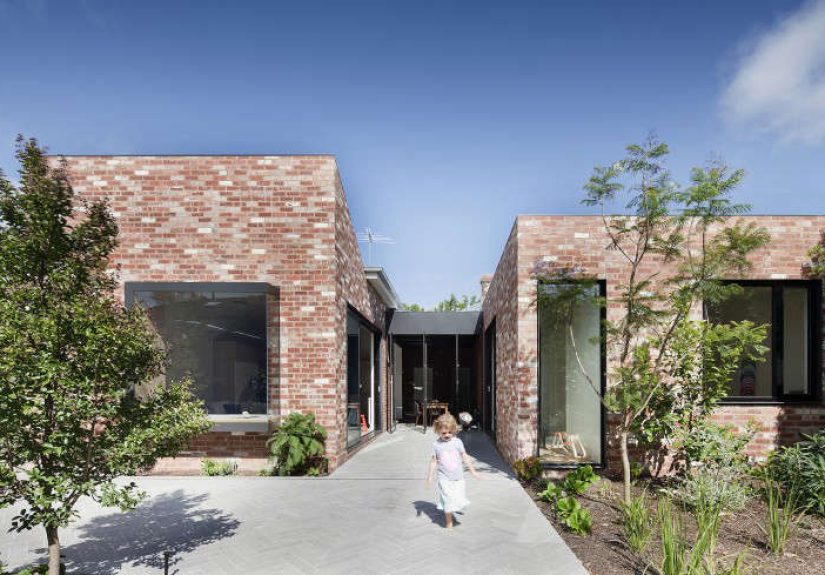
One of the most compelling features of the project is its use of recycled brick. Bricks from the old rear additions were not treated as rubble. They became part of the new work. Red bricks, painted white bricks, and existing masonry surfaces were woven together to create a subtle conversation between old and new.
This matters visually and environmentally. Visually, recycled brick avoids the awkward “new extension glued to old house” effect. The material already has age, variation, and personality. Environmentally, reusing building fabric reduces waste and makes better use of embodied energythe resources already spent extracting, manufacturing, transporting, and installing materials. In a time when sustainable renovation is no longer a luxury topic but a practical design responsibility, brick reuse feels smart rather than merely stylish.
The recycled brick extension does not mimic the Victorian facade in a fake-historical way. It does something better: it acknowledges the original material language while allowing the new spaces to be clearly contemporary. The house is not pretending nothing happened. It is saying, “Yes, I have changedand I look excellent, thank you.”
Light, Sightlines, and the Garden Connection
One of the renovation’s strongest moves is the way it opens sightlines through the house and toward the garden. The architects reorganized the plan into two extended wings: one supporting living areas, the other supporting sleeping spaces. Between them, a dining space and courtyard bring the outdoors into the center of the home.
This is where the design becomes more than pretty brickwork. The courtyard introduces northern light deep into the plan, helping rooms feel brighter and more connected. Full-height glazing and pivoting doors allow the dining zone to blur the line between inside and outside. A herringbone floor pattern continues the sense of movement, giving the transition a crafted, tactile quality.
In many family homes, the dining room is either too formal to use or too squeezed to enjoy. Here, it becomes a threshold space: part room, part courtyard, part daily gathering zone. It is easy to imagine breakfast there on a mild morning, homework in the afternoon, and a long dinner that begins indoors and somehow ends with everyone standing outside discussing plants they absolutely promise to water this time.
A Roofline With a Clever Twist
The living space uses the memory of the original lean-to but reworks it with a more uplifting gesture. By reversing the pitch of the former roof form, the new volume rises dramatically, creating height and allowing carefully placed windows to pull morning light into the kitchen and living area.
This is a strong example of how renovation can reinterpret rather than replicate. The new roof does not ignore what came before. It plays with it. That playful but disciplined move gives the house architectural energy without turning it into a look-at-me sculpture.
Height is especially valuable in older homes because many Victorian rooms can feel deep and enclosed. Adding vertical space and high-level light changes the emotional temperature of a room. It helps the home breathe. It also makes the brick feel less heavy, balancing masonry with air, shadow, and glass.
Why the House Avoids the “Box-on-the-Back” Problem
The phrase “box-on-the-back” has become a shorthand for a certain kind of renovation: keep the historic front, then attach a large contemporary rectangle behind it. Sometimes this works beautifully. Other times, it creates a split personality. The front of the house whispers heritage charm; the rear yells, “I discovered minimalism in 2012.”
The Melbourne manse avoids this problem by making the new work feel embedded in the old fabric. Instead of one big addition, the project uses a series of insertions. Instead of removing all internal divisions, it preserves intimacy. Instead of selecting materials that deliberately clash, it borrows from the original palette: brick, timber, patterned surfaces, and warm textures.
This does not mean the house is timid. The courtyard dining room, tall living volume, glazed openings, and exposed masonry are bold decisions. But they are bold in a way that serves the house rather than humiliating it. That distinction is everything.
Interior Warmth: Brick Without the Dungeon Energy
Exposed brick can be wonderful, but let us be honest: done badly, it can make a room feel like a basement where a detective is about to question someone under one swinging lightbulb. The St Kilda East renovation avoids that problem through balance.
Brick is paired with timber flooring, soft furnishings, natural light, garden views, and clean modern detailing. White-painted brick sits near red brick, creating a layered effect rather than a single heavy surface. The interior does not feel rough for the sake of being rough. It feels lived-in, tactile, and edited.
For homeowners, this is a useful takeaway. If you want to bring brick into a modern interior, do not let it do all the talking. Pair it with materials that soften and lift it. Timber adds warmth. Linen adds ease. Good lighting prevents gloom. Plants make brick feel alive. Art gives it personality. A well-placed chair says, “This is a room,” not “This is a very stylish storage cellar.”
Design Lessons From the Revived Manse
1. Preserve What Gives the Home Its Voice
The best renovations begin with listening. In this case, the original Victorian home already had a strong identity: brickwork, period proportions, decorative details, and a clear room-by-room structure. The design did not flatten those features. It allowed them to guide the new work.
2. Use Recycled Materials With Intention
Recycled brick works best when it feels deliberate. In this project, the reused bricks connect the extension to the existing house and give the new spaces instant texture. The material choice is not just sustainable; it is emotionally intelligent.
3. Let Light Do the Heavy Lifting
Many older homes struggle with dark central rooms. Courtyards, skylights, high windows, and glazed thresholds can solve this without destroying the original plan. Good light makes heritage details easier to appreciate and modern spaces easier to enjoy.
4. Avoid Over-Opening the Floor Plan
Open plan living is not the only path to modern comfort. A series of connected rooms can offer flexibility, privacy, and a stronger sense of atmosphere. Families need places to gather, but they also need places to escape the person practicing recorder in the next room.
5. Make the Garden Part of Daily Life
The revived Melbourne manse succeeds because the garden is not treated as background scenery. It becomes part of the plan, part of the light strategy, and part of the emotional experience of the home.
Why This Project Feels So Relevant Now
Home design has entered a more thoughtful era. People are less impressed by renovations that simply maximize square footage and more interested in homes that feel personal, efficient, and connected to place. The St Kilda East House offers exactly that kind of model.
It is also relevant because many cities are full of older homes that need adaptation, not replacement. Demolishing and rebuilding can erase neighborhood character while consuming huge amounts of material and energy. Sensitive renovation offers a different path. It allows families to live comfortably in old buildings while preserving the qualities that made those buildings worth saving in the first place.
Brick is central to that idea because it ages well, carries memory, and can be reused in meaningful ways. In this Melbourne house, brick is not a decorative afterthought. It is the project’s connective tissue.
Experience Notes: Living With a Brick Comeback
Spending time in a renovated brick home changes the way you understand texture. Smooth walls are easy to decorate, but brick walls are easy to remember. They catch the light differently at breakfast than they do in the evening. They make shadows look intentional. They give even a simple chair, shelf, or pendant lamp a stronger presence. A room with good brick rarely feels empty, even before the furniture arrives.
One practical experience homeowners often discover is that brick asks for restraint. The temptation is to style every corner with industrial lighting, black steel, leather chairs, and enough vintage signage to open a themed cafe. But brick is already expressive. It does not need a costume party. In a heritage home, the most successful approach is usually quieter: warm timber, soft rugs, simple window treatments, and a few pieces with genuine character. The brick becomes the background music, not the lead singer who refuses to leave the stage.
Another lesson is that brick and light must be planned together. A dark brick wall in a poorly lit room can feel heavy. The same wall beside a skylight, garden door, or pale floor can feel rich and beautiful. This is why the Melbourne manse works so well. The renovation does not simply expose or reuse brick; it gives the brick air, daylight, and visual release. Courtyards, high windows, and garden views prevent the masonry from feeling enclosed.
Maintenance is also part of the experience. Brick is durable, but it is not invisible armor. Older brick may need repointing, cleaning, sealing in specific interior conditions, or moisture management. Painting brick should be considered carefully because reversing it can be difficult. Exposing brick indoors also requires attention to dust, mortar condition, and insulation. The romance is real, but so is the responsibility. Luckily, a well-cared-for brick wall rewards the effort by aging with grace instead of looking tired after one trend cycle.
For families, the best part of a brick comeback is emotional. Brick creates a sense of shelter. It feels solid in a world where many interiors are becoming thinner, faster, and more disposable. Children grow up noticing the same wall beside the dining table, the same courtyard edge, the same warm surface near the window seat. These details become part of household memory. A revived brick manse is not just an architectural success; it is a stage for everyday life, from rushed weekday breakfasts to lazy weekend dinners where someone inevitably says, “We should do this more often,” and for once, everyone agrees.
Conclusion: Brick, Memory, and Modern Melbourne Living
Brick Comeback: A Revived Manse in Melbourne is more than a beautiful renovation story. It is a reminder that old homes do not need to be stripped of their identity to become modern. The St Kilda East House shows how recycled brick, careful planning, natural light, and respect for Victorian character can create a home that feels contemporary without becoming cold.
The project’s charm lies in its balance. It keeps the intimacy of rooms while improving connection. It celebrates brick without turning the house into a masonry showroom. It brings the garden into daily life without erasing the structure that made the home special. Most importantly, it proves that revival can be more powerful than replacement.
In an age of fast renovations and trend-chasing interiors, this Melbourne manse offers a quieter, smarter kind of luxury: a home that remembers where it came from and still knows how to host a very good dinner.