Table of Contents >> Show >> Hide
- Why Eduardo Salles’ Illustrations Hit So Hard
- The Modern Life Themes Running Through His Work
- How Eduardo Salles Uses Simplicity as a Weapon
- Why His Illustrations Still Matter Now
- Specific Examples of Why His Work Feels So Relatable
- The Big Takeaway From Eduardo Salles’ Brutally Honest Illustrations
- Experiences Related to “Brutally Honest Illustrations About Modern Life By Eduardo Salles”
- Conclusion
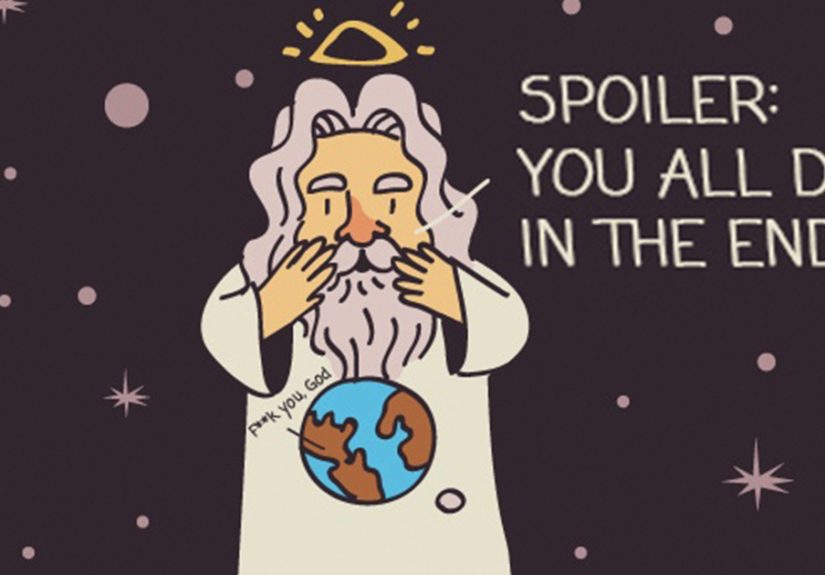
Some art hangs politely on a wall and waits for applause. Eduardo Salles’ illustrations do not. They walk into the room, look directly at your phone-addled soul, and say, “So… how’s that endless scrolling going?” That is the magic of his work. It is funny, sharp, colorful, and just rude enough to be memorable. More importantly, it understands something many people would rather avoid: modern life is absurd, and most of us are participating in that absurdity with full Wi-Fi bars.
Salles has built a reputation around images that strip daily habits down to their most awkward truths. He has a gift for taking familiar ritualstexting, posting, shopping, dieting, dating, working, pretending not to care while definitely caringand boiling them down into one visual punchline. The result is not just comedy. It is cultural X-ray vision. His illustrations do what the best satire always does: they make people laugh first and feel slightly exposed one second later.
That combination is exactly why the topic of brutally honest illustrations about modern life by Eduardo Salles continues to resonate. His work feels current because the problems it targets have only become more recognizable. We live in a world that rewards performance, distraction, comparison, and relentless optimization. Salles does not offer a motivational poster version of that reality. He offers the unfiltered versionthe one with anxiety, irony, and a perfectly timed visual eye-roll.
Why Eduardo Salles’ Illustrations Hit So Hard
The first reason is simple: he understands compression. A good illustration says a lot with very little. A great one says what an entire essay, group chat, and therapy session have been circling around for months. Salles excels at that kind of compression. His visuals often depend on a clean setup, a clear contrast, and a brutal reveal. The joke lands fast, but the idea lingers.
The second reason is that his targets are universal. He is not just making fun of one trend, one app, or one type of person. He is poking at a whole modern operating system. In his world, technology is helpful until it becomes clingy. Productivity is noble until it turns theatrical. Social life is enjoyable until it starts feeling like unpaid content creation. This is why viewers from wildly different backgrounds still see themselves in his work. You do not need to be a designer, marketer, or terminally online philosopher to get the point. You only need to have lived in the twenty-first century with a battery charger nearby.
There is also the tone. Salles is cynical, but not empty. His humor is dark without becoming joyless. He understands that satire works best when it reflects love and annoyance at the same time. His illustrations are not saying humanity is doomed and everyone is awful. They are saying people are weird, systems are weird, and the ways we adapt to those systems are even weirder. That distinction matters. It keeps the work clever instead of merely bitter.
The Modern Life Themes Running Through His Work
1. Social Media Performance
One of the clearest recurring themes in Salles’ visual universe is the performance of self. Modern life often asks people to be both a person and a brand. You are not just eating brunch; you are documenting brunch. You are not just having an opinion; you are packaging that opinion into something shareable. You are not just living; you are curating evidence that you are living correctly.
Salles understands how ridiculous that can look from a distance. His style thrives on the gap between what people claim online and what they actually feel offline. Confidence can be insecurity in nicer lighting. Connection can be audience management. “Authenticity” can become one more pose in a crowded feed. His illustrations expose the exhausting little hustle behind all that digital self-presentation.
That is part of why his work feels so contemporary. Modern platforms reward visibility, reaction, and constant low-level performance. Salles does not need to lecture about it. He simply stages the contradiction and lets the viewer do the uncomfortable math.
2. Consumerism With Better Fonts
Another reason his illustrations stay relevant is their brutal honesty about consumer culture. Modern advertising rarely sells just a product. It sells a fantasy: confidence in a bottle, meaning in a shopping cart, identity in a pair of sneakers, and emotional stability through two-day shipping. Salles, who has worked within creative industries, seems especially aware of how polished language can dress up ordinary manipulation.
His satire often points to the way desire is manufactured, refreshed, and monetized. We are told to express individuality by buying what millions of other people were also told would make them unique. We chase convenience until convenience starts dictating our habits. We call it self-care, retail therapy, or treating ourselves, and sometimes it is all three. Salles sees the joke hiding in that loop.
What makes his commentary effective is that he does not pretend he is floating above consumer culture in a monk-like state of moral superiority. His work feels like it comes from inside the machine. He knows the seduction, the aesthetics, and the storytelling tricks. That gives the humor extra bite.
3. Work, Burnout, and Productivity Theater
If modern life had an official religion, productivity would at least make the shortlist. Work culture today often treats rest like an apology and busyness like a medal. Salles’ illustrations are well suited to this world because they expose how often “being productive” becomes a performance rather than a meaningful outcome.
There is a special kind of modern absurdity in spending an entire day answering messages about work instead of doing work, then feeling guilty for not working enough. Salles understands that circus. He also understands the strange pride people are taught to feel about being overwhelmed. The packed calendar, the unread emails, the heroic multitasking, the performative exhaustionthese become visual material in his hands.
His satire works because it refuses to romanticize burnout. It recognizes the comedy in people turning themselves into inefficient little corporations, each with a personal brand, a content strategy, and a suspicious relationship with sleep. In that sense, his illustrations do more than joke about work. They question the emotional logic of a culture that treats depletion as ambition.
4. Relationships in the Age of Notifications
Romance, friendship, and basic communication also receive the Salles treatment. And honestly, they had it coming. Modern relationships are full of strange rituals that would sound ridiculous if explained to an alien. People send messages and then analyze punctuation like forensic scientists. They wait three minutes to reply in order to seem casual, even though they have been staring at the screen since the notification arrived. They confuse availability with intimacy and attention with affection.
Salles is especially good at exposing the digital weirdness of connection. His humor suggests that people are more reachable than ever and often less emotionally present at the same time. You can be in constant contact and still feel misunderstood. You can collect likes, reactions, and read receipts while secretly wondering whether anyone actually sees you.
This is where the “brutally honest” label fits best. The humor hurts a little because viewers recognize these patterns immediately. It is not abstract social criticism. It is Tuesday.
How Eduardo Salles Uses Simplicity as a Weapon
Part of the brilliance of Salles’ work is formal, not just thematic. His illustrations do not usually depend on visual clutter. The lines are clean, the colors are straightforward, and the message is easy to process at a glance. That matters in a media environment where attention is fragmented and everyone is deciding in half a second whether to keep looking.
Ironically, his style is perfect for the same distracted culture he critiques. A viewer can understand the setup instantly, laugh at the twist, and then sit with the discomfort. In other words, he has mastered the native language of the feed without surrendering to the emptiness of the feed. That is harder than it sounds.
There is also discipline in the way he structures ideas. Many artists can be sarcastic. Fewer can be precise. Salles tends to build his punchlines around contrast: what we say versus what we mean, what we buy versus what we need, how we appear versus how we feel, what technology promises versus what it quietly takes. That structural clarity gives the work its snap.
Why His Illustrations Still Matter Now
It would be easy to dismiss satirical illustrations as clever internet snacksfun, fast, and forgettable. Eduardo Salles’ work resists that fate because the conditions he examines are not fading away. If anything, they are intensifying. The attention economy has become more aggressive. Online identity has become more strategic. Work has become more blended with personal life. Leisure is increasingly quantified, compared, and monetized. Even rest can feel like a project now.
That is why his illustrations remain useful. Yes, useful. Good satire is not merely decorative. It can clarify a pattern people have normalized. It can turn vague discomfort into recognition. It can make a person say, “Wait, that is exactly what this feels like.” Once that happens, the viewer is no longer just consuming a joke. The viewer is noticing the architecture of modern life a little more clearly.
And that may be the deepest power in Salles’ art. He takes giant, slippery topicsconsumerism, digital dependency, loneliness, performative happiness, career anxietyand translates them into images ordinary people can grasp instantly. That accessibility gives the work social reach without flattening its intelligence.
Specific Examples of Why His Work Feels So Relatable
Think about how many modern frustrations can be reduced to contradictions. We want connection, but we hide behind screens. We want freedom, but we carry our offices in our pockets. We want authenticity, but we polish every public moment. We want less stress, but we subscribe to more noise. Salles keeps finding these contradictions and pinning them down like a scientist with a very sarcastic lab notebook.
In translated collections and profiles of his work, the recurring subjects say a lot: texting, dieting, free Wi-Fi, ego, media habits, and the awkward logic of everyday social behavior. None of these themes are random. They represent the places where modern identity gets negotiated in public. Food becomes morality. Phone use becomes personality. Efficiency becomes virtue. Preferences become declarations of selfhood. Salles sees that inflation of ordinary life and turns it into satire.
That relatability also comes from emotional accuracy. His jokes are not funny because they are exaggerated beyond recognition. They are funny because they exaggerate by only a few inches. That is the sweet spot. The viewer sees a cartoon and thinks, “Okay, wow, rude… but fair.”
The Big Takeaway From Eduardo Salles’ Brutally Honest Illustrations
Eduardo Salles matters because he captures the emotional texture of contemporary life better than many longer, louder, and more self-important commentators. He understands that modern frustration is rarely dramatic all at once. Usually it arrives in tiny doses: one more notification, one more comparison, one more purchase, one more email marked urgent by someone whose real emergency is poor planning.
His illustrations collect those tiny doses and show the pattern underneath. They reveal how people drift into habits of self-display, overwork, distraction, and low-grade dissatisfaction while calling it normal life. That is why his work feels brutally honest. It is not just mocking society from a distance. It is mapping the weird bargain people keep making with modernity: convenience in exchange for attention, visibility in exchange for privacy, productivity in exchange for peace.
And yet the tone is not hopeless. The humor leaves room for recognition, and recognition leaves room for choice. Once a person can laugh at a system, they are a little less trapped by it. Once they can see the performance, they can decide whether to keep performing. That may be the quiet wisdom behind Salles’ sharpest work. The illustration lands like a joke, but the aftertaste is awareness.
Experiences Related to “Brutally Honest Illustrations About Modern Life By Eduardo Salles”
Reading Eduardo Salles’ work often feels less like browsing cartoons and more like getting roasted by a very talented friend who has somehow hacked your search history, your work calendar, and your emotional coping mechanisms. One of the strangest experiences connected to his style is the speed of recognition. You do not have to “study” the image. You just see it and immediately remember a moment from your own life. Maybe it is the time you checked your phone in the middle of a conversation because the screen buzzed and your brain treated that buzz like a royal summons. Maybe it is the moment you realized you had spent more time deciding how to caption a photo than actually enjoying the event in the photo. That is Salles territory.
Another common experience is laughing first and feeling exposed second. His illustrations often trigger that tiny delay between amusement and self-awareness. At first, you think the joke is about people in general. Then, a second later, you realize the joke is also about you ordering something online at midnight because the product description promised transformation, or refreshing an app for validation you would never admit you wanted. It is a very modern kind of embarrassmentprivate, familiar, and somehow funny.
His work also connects with the experience of digital fatigue. Many people know what it feels like to be mentally crowded without doing anything physically dramatic. You sit at a desk. You answer messages. You bounce between tabs. You scroll during breaks that are not actually breaks. By the end of the day, you feel like you have run a marathon inside a browser window. Salles captures that invisible exhaustion well. His humor gives shape to the kind of tiredness that does not leave a bruise but definitely leaves a mood.
Then there is the experience of social comparison, which may be the unofficial soundtrack of internet life. People scroll through success, beauty, travel, fitness, taste, relationships, and achievement as if the entire world has hired a publicist. Salles’ visual logic makes that comparison culture look as absurd as it feels. Suddenly the whole performance is visible: the insecurity behind the flex, the loneliness behind the polish, the awkward effort hidden inside “effortless” living.
Perhaps the most valuable experience his work offers is relief through recognition. When modern life feels confusing, exaggerated, or vaguely ridiculous, satire can be grounding. It reminds people that they are not imagining the weirdness. Yes, it is strange that everyone is connected and lonely, informed and overwhelmed, expressive and heavily managed at the same time. Salles turns that contradiction into something viewers can point at, laugh at, and understand. In a world constantly asking people to speed up and keep performing, that kind of clarity feels surprisingly human.
Conclusion
Eduardo Salles’ illustrations endure because they do not flatter modern lifethey decode it. Through sharp visual satire, he shows how social media, work culture, consumerism, and digital relationships can turn ordinary people into overthinking performers in a nonstop attention contest. His work is funny, yes, but it also functions like a mirror with excellent timing. The joke lands because the truth is already sitting in the room. And once viewers see that truth, even briefly, they are a little more awake to the systems shaping their daily lives.