Table of Contents >> Show >> Hide
- What This Guide Covers
- Why Windham + a Second-Story Bullfrog Spa Is a Perfect Match
- Before You Buy: The Deck Reality Check (It’s Not Just “Can It Fit?”)
- Designing a Hot-Tub-Ready Second-Story Deck in Windham
- Power, Safety, and Code-Smart Setup
- Delivery Logistics in Windham: Hills, Turns, and the Great Hot Tub Migration
- Winter in the Catskills: How to Keep a Bullfrog Spa Happy on a Second Story
- Comfort and Style Upgrades That Make the Install Feel “Built-In”
- Cost Drivers and Common Mistakes to Avoid
- Conclusion: The Safest Way to Get the Best Seat in the Catskills
- Real-World Experiences: Living With a Bullfrog Spa Up on a Second-Story Deck in Windham
Installing a Bullfrog spa on a second-story deck in Windham, New York is one of those ideas that sounds
wildly indulgent… and then you remember you live in the Catskills, where “wildly indulgent” is basically a civic duty from November to April.
A steaming soak while snow falls in the dark woods? That’s not a luxury. That’s emotional survival with bubbles.
But here’s the thing: a hot tub isn’t a patio chair. It’s a small, warm, portable lake that you’re proposing to park on a structure that’s
elevated, exposed to wind, and probably built for people who weigh less than water. Done right, it’s safe, spectacular, and adds serious
lifestyle value. Done wrong, it’s a cautionary tale your neighbors will retell forever (with sound effects).
Why Windham + a Second-Story Bullfrog Spa Is a Perfect Match
Windham sits in the Great Northern Catskills, where the seasons are not shy. Winters are real winters. Summers are green and breezy.
And “views” aren’t a marketing termthey’re what you see when you step outside. Putting a spa up on a second-story deck can maximize
those views while keeping the tub close to the living space (translation: you’re more likely to use it when it’s 12°F and the wind is doing
stand-up comedy).
A second-story deck also helps with privacy. You’re above the typical sightline, you can add a tasteful screen without feeling boxed in,
and you can orient the spa to face the best landscape instead of the best fence.
Bullfrog Spas, in particular, are often chosen for colder climates because owners value their comfort, insulation strategies, and the brand’s
emphasis on customizable hydrotherapy (more on that later). The key is making sure the deck is designed for the jobbecause the Catskills
are magical, but they do not suspend physics.
Before You Buy: The Deck Reality Check (It’s Not Just “Can It Fit?”)
Step 1: Understand the True Weight of “A Tub Full of Relaxation”
When you hear “hot tub,” you might picture a big acrylic shell with some jets. Your deck hears “thousands of pounds, continuously, in one
spot.” The spa’s filled weight includes the shell, the equipment, the water, and the humans who will absolutely invite “just one more
person” even when you’re already at capacity.
Water weighs about 8.34 pounds per gallon, and most mid-to-large hot tubs hold a lot of gallons. That’s before you add people, ice on the
cover, and a winter storm that decides your spa is a convenient place to deposit extra snow.
Your takeaway: don’t estimate. Pick a Bullfrog model, get its exact specs (dry weight, water capacity, filled weight), and treat that number
like a grocery budget in 2026assume it will be higher than you’d like.
Step 2: Decks Are Commonly Built for People, Not Portable Lakes
Many residential decks are designed around a typical uniform live-load assumption (people, furniture, general use). A hot tub, however,
is a concentrated load that sits in one location year-round. That’s why reputable deck resources consistently recommend having
a structural engineer evaluate the framing, connections, and foundation when you’re adding a hot tubespecially on an elevated deck.
Step 3: Permits Aren’t the EnemyThey’re the Paperwork Version of “Don’t Die”
In Windham, you’ll typically want to talk with the local building/code office earlyespecially if you’re reinforcing a deck, modifying railings,
or running new electrical. Permits and inspections may feel like a buzzkill until you remember they exist to make sure your spa doesn’t turn
into a dramatic reinterpretation of “Titanic: The Deck Edition.”
A practical approach:
- Call the local code office before you finalize the plan.
- Ask what drawings they want (many towns expect a plan view, framing details, footing details, and electrical scope).
- Expect the hot tub and deck reinforcement to trigger a more serious look than “I’m adding a grill.”
Designing a Hot-Tub-Ready Second-Story Deck in Windham
Place the Spa Where the Deck Is Strongest
If you’re building new, your engineer can design the structure so the spa area is essentially a “beefed-up zone.” If you’re upgrading an
existing deck, placement becomes strategy.
The strongest spot is usually:
- Close to the house (shorter spans often mean better capacity).
- Over or near beams and posts (so the load transfers directly down).
- Not at the outer edge (where bending forces can be higher and bounce is more noticeable).
Reinforcement That Actually Works (Not Just “Add More Wood Somewhere”)
Reinforcing for a second-story hot tub is a system problem, not a single fix. You’re typically looking at a mix of:
- Additional posts and larger or additional footings to carry the load down to soil.
- Upgraded beams (bigger beam, multiple plies, or engineered lumber depending on design).
- Shorter joist spans by adding intermediate support beams.
- Joist doubling and blocking under the tub footprint to reduce flex and distribute load.
- Lateral bracing to reduce sway on tall structures (wind + water = motion you will feel).
- Connection hardware appropriate for exterior structural use (not mystery screws from a coffee can).
The hidden truth: many deck failures aren’t because the joists were a little small. They happen because connections and supports weren’t
designed for the forces involvedespecially with elevated decks where movement, uplift, and racking matter.
Don’t Forget the “Human Factors”: Bounce, Vibration, and Noise
Even if a deck is technically strong enough, it can still feel “springy.” That’s not just annoyingit can be unsettling when you’re soaking.
Reinforcement that reduces deflection and vibration can make the spa feel safer and more luxurious.
And yes, pumps make noise. If your deck is attached to the house, vibrations can transfer. Consider a design that uses proper isolation
pads where recommended, and place the equipment side where it won’t aim sound directly into a bedroom window. Your future self
will send you a thank-you card.
Power, Safety, and Code-Smart Setup
Electrical Basics for a Bullfrog Spa (Plan This Early)
Most Bullfrog hot tubs are commonly set up for a dedicated 240V supply with GFCI protection and a disconnect. Some models and
configurations may require higher amperage than others, so confirm the requirements for your exact spa model before any wire is pulled.
Practical planning tips:
- Budget for a licensed electrician familiar with outdoor spas.
- Plan the disconnect location so it’s accessible but properly separated from the water.
- Keep future service access in mind (nobody wants a disconnect hidden behind a decorative hedge… in February).
GFCI, Disconnect Placement, and “Within Sight”
Electrical rules for outdoor spas are designed to reduce shock risk and support safe servicing. In plain English: the system needs GFCI
protection, and the disconnect should be placed so a technician can clearly see it and access itwithout standing right next to the water.
Lighting, Steps, and Slip Prevention (Because Wet + Elevated Is a Combo)
A second-story spa needs excellent lighting and excellent traction. This is not the place for a single dim bulb and a “good luck” attitude.
Consider:
- Low-glare step lighting that doesn’t ruin the night sky vibe.
- Non-slip treads and a stable step system (especially when snow boots enter the chat).
- Handholds positioned where people actually exit the tub.
- Railings and guard requirements appropriate for deck height (don’t improvise safety).
Delivery Logistics in Windham: Hills, Turns, and the Great Hot Tub Migration
Measure the Access Route Like a Professional Pessimist
Before delivery day, map the route from the truck to the deck. Tight turns, overhead clearance, stairs, soft ground, and steep slopes can
complicate placement fast. In mountain towns, driveways can be narrow and grades can be dramaticespecially after a freeze-thaw cycle.
Ask your dealer what they need:
- Minimum gate width and turning clearance
- Recommended overhead clearance
- Whether a crane or lift is ever used for second-story installs
- How they protect decking surfaces during transport
Stage the Project to Avoid Weather Surprises
Delivery is easier when the path is dry and clear. If you can, schedule installation before deep winter. If you can’t, build a “Winter Plan B”:
snow removal access, salted paths (sparingly and carefully around decking), and a protected area to stage equipment.
Winter in the Catskills: How to Keep a Bullfrog Spa Happy on a Second Story
Wind Is the Sneaky Villain
Cold air is one thing. Wind is another. A windy second-story deck can strip heat faster, cool the cover, and make entry/exit feel like a
polar expedition. A tasteful windbreak (privacy screen, pergola panels, or strategic landscaping) can dramatically improve comfort without
turning your deck into a fortress.
Snow Loads: Your Deck Has Two Jobs Now
In the Windham area, elevation and winter conditions matter. Snow design values can increase with elevation, and local jurisdictions use
mapped snow load values with adjustments for higher sites. That’s one reason your engineer and local code office matter: the structure
should be evaluated for realistic winter conditions, not just “normal deck season.”
Practical winter habits:
- Keep a clear, safe path to the tub (and to the disconnect).
- Use a quality, well-fitted cover and keep it latched.
- Remove heavy snow accumulation from the cover as recommended by the manufacturer.
- Don’t let ice build up around stepstraction beats heroics.
Water Care Gets Easier When Your Setup Is Smart
The best winter soak is the one that doesn’t start with 25 minutes of “Why is the water angry?” Keep testing supplies accessible indoors,
store chemicals safely, and build a simple routine:
- Test and balance regularly (more often with frequent use).
- Rinse filters on schedule, and keep a spare set if you can.
- Shower before soaking (yes, even in winteryour water will thank you).
Comfort and Style Upgrades That Make the Install Feel “Built-In”
Privacy That Doesn’t Kill the View
A second-story spa in Windham is all about the view, so avoid tall solid walls unless you truly need them. Consider:
- Horizontal slat screens
- Partial-height panels with a view window
- Pergola framing with removable seasonal panels
- Planters that block angles, not the whole horizon
Steps, Storage, and the “Towel Economics” Problem
Nobody thinks about towel logistics until they’re barefoot, dripping, and realizing the towel is inside… on the other side of a cold door.
Add a weather-protected hook zone, a small bench, and a slip-resistant storage box for robes. These are not accessories. These are the
difference between “spa life” and “why did we do this again?”
Make Service Access Non-Negotiable
Hot tubs need service access. This is not theoretical. Pumps, heaters, and controls live behind panels that someone eventually needs
to reach. Plan clearances so maintenance doesn’t require dismantling half your deck or performing interpretive dance with a screwdriver.
Cost Drivers and Common Mistakes to Avoid
Where the Money Usually Goes
- Structural engineering and reinforcement (materials + labor + possibly new footings)
- Electrical work (dedicated circuit, GFCI/disconnect, conduit, bonding as required)
- Delivery complexity (tight access, elevation, crane/lift scenarios)
- Deck upgrades (railings, steps, lighting, privacy screening)
Mistakes That Turn a Dream Install Into a Weekend of Regret
- Skipping the engineer and hoping the deck is “probably fine.”
- Placing the spa at the outer edge where the deck is weakest.
- Forgetting winter realities (wind exposure, snow accumulation, icy stairs).
- Bad electrical planning (disconnect location, inadequate service, or noncompliant installation).
- No drainage plan (splash + meltwater + freeze-thaw = slippery trouble).
- Blocking service panels with permanent built-ins that look great until repair day.
Conclusion: The Safest Way to Get the Best Seat in the Catskills
A Bullfrog spa installed on a second-story deck in Windham, NY can be the ultimate Catskills upgrade: mountain air, sky views,
quiet hydrotherapy, and winter nights that feel like a movie. The winning formula is simple:
verify the loads, design the structure, respect the code, plan the electrical, and keep winter in mind.
If you do those things, you get the kind of home feature that people rememberand useyear-round. And if you skip them, you get a story.
Fun stories are great. They’re even better when they don’t involve structural repairs.
Real-World Experiences: Living With a Bullfrog Spa Up on a Second-Story Deck in Windham
Homeowners who go through with a second-story spa setup in the Windham area tend to describe the same “first week” arc: excitement,
a brief moment of fear the first time the tub fills (“That is… a lot of water”), and then pure smug joy once the first real soak happens.
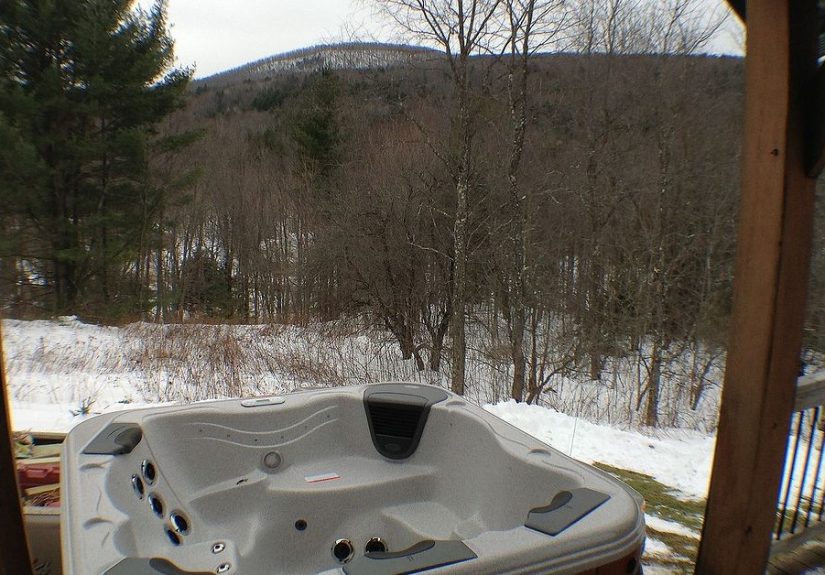
The elevated placement changes the whole experience. You’re not staring at a fence or the side of the shed. You’re looking at treetops,
a ridge line, the occasional snowfall that looks like TV static in the porch light, and a sky so clear it makes you feel like you should
start learning constellations.
The most common practical “aha” is how much wind management matters. On a second-story deck, even a mild breeze can feel
like it’s personally invested in lowering your core temperature. People who add a partial screen, a pergola with side panels, or even a
well-placed corner wall tend to use their spa more often in the coldest months. The funny part is that nobody calls it “wind management.”
They call it “making the deck not feel like an aircraft carrier.”
Another repeated experience: the sound is different up high. Not louder, necessarilyjust clearer. Pumps and water features
can bounce off siding and windows. Most owners adapt quickly by choosing smart operating times (especially in the evening) and orienting
the equipment side away from bedrooms. A few add soft landscaping or screening to break up the sound path. The result is that the spa
feels like a private retreat instead of a gentle mechanical reminder that electricity exists.
Winter routines become almost comforting. People keep a small “spa station” inside: towels, robes, a headlamp (because someone always
forgets the deck light switch), and a pair of slip-on winter boots dedicated to the trip. The best advice that comes up over and over is
this: make the walk easy. If the path is icy or awkward, you’ll use the tub less. If you can step out, cross a safe, well-lit
path, and get in without feeling like you’re auditioning for a survival show, you’ll use it constantly.
As for water care, the “experienced” owners usually land on the same philosophy: keep it simple, keep it consistent, and don’t let a
small imbalance turn into a weekend project. The deck location actually helps here because the tub is close enough to the house that
people check it more often. And when friends visitespecially ski-weekend friendspeople quickly learn to set expectations: shower
first, don’t bring half the outdoors into the water, and yes, you can have one more person in the tub only if “one more person” is
actually a person and not a fully clothed golden retriever (this has been attempted).
The final experience that nearly everyone mentions is the “Windham moment”: it’s snowing, it’s quiet, you’re submerged up to your
shoulders, and the steam is rising into cold air like a signal flare that says, “I have made excellent life choices.” That moment is why
people do the planning, pay the engineer, coordinate the permits, and argue with a tape measure for two weeks. The deck doesn’t feel
like a structure anymore. It feels like the best room in the housejust with better stars.