Table of Contents >> Show >> Hide
- Meet Bean, the Banana-Loving Cat Taking Over the Internet
- Why the Photos Look So Accidentally Inappropriate
- Is It Safe for Cats to Eat Bananas?
- Why Would a Cat Like Bananas Anyway?
- The Internet’s Long Love Affair With Weird Cat Content
- Why Bean’s Story Feels So Shareable
- What Cat Owners Can Learn From Bean
- The Fine Line Between Funny and Responsible
- Why We Love Cats With Strange Obsessions
- Experience Notes: Living With a Cat Who Has One Very Weird Favorite Thing
- Conclusion
Every so often, the internet delivers a story so strange, so sweet, and so wildly unnecessary that it feels like a gift from the algorithm gods. This time, the gift is a cat, a banana, and a collection of photos that made people across social media do a double take, then laugh, then immediately send the pictures to someone with the message, “I’m sorry, but you need to see this.”
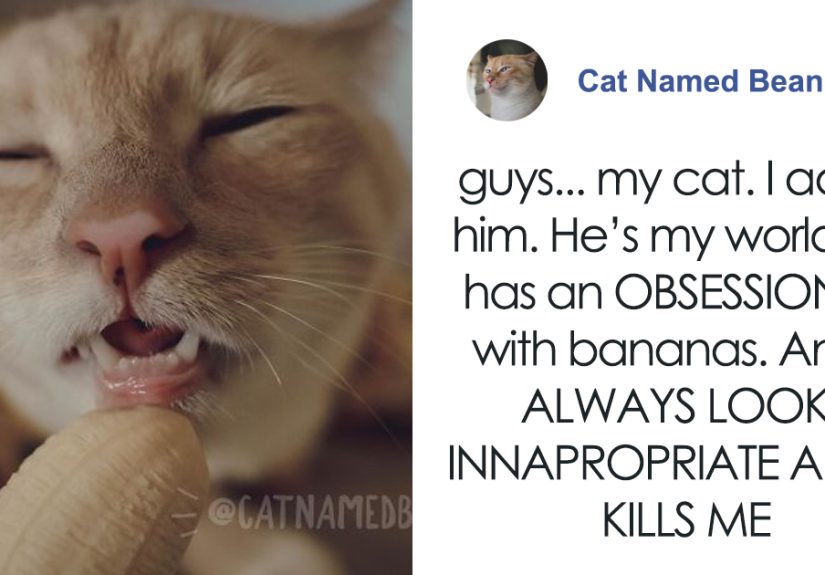
The star of the moment is Bean, a photogenic feline with a very specific passion: bananas. Not catnip. Not tuna. Not the expensive toy his owner definitely bought and he definitely ignored. Bananas. Bean’s owner began sharing photos of him licking, hugging, sniffing, and generally obsessing over the yellow fruit, and the internet noticed something instantly: the pictures looked accidentally inappropriate in the funniest possible way.
To be clear, Bean is just being a cat. He is not making choices with public relations strategy in mind. He is not trying to create a scandal. He is simply enjoying a banana with the enthusiasm of a tiny fruit critic who has discovered his life’s purpose. But when you combine a banana, a dramatic cat face, and the internet’s Olympic-level ability to misunderstand visual context, viral fame becomes almost inevitable.
Meet Bean, the Banana-Loving Cat Taking Over the Internet
Bean’s banana obsession reportedly began when he was still young and got curious about the fruit. One sniff turned into a lick, one lick turned into a habit, and soon his owner had a camera roll full of photos that looked far more outrageous than they actually were. That is the entire magic of the story: nothing scandalous is happening, yet every photo seems to arrive with its own laugh track.
According to his owner, Bean is not living on a banana-based diet, which is good news because “banana buffet” is not a recommended feline nutrition plan. His regular meals are normal cat food, while bananas are more of a rare curiosity than a staple. He has also been described as a cat with a broad range of odd food interests, including small tastes of other human foods and even leafy greens. In other words, Bean is not picky. Bean is an explorer. Bean sees the kitchen as a museum where every exhibit might be lickable.
Bean’s story also has a sweet rescue background. He was reportedly found as a tiny abandoned kitten and bottle-fed by his owner, who originally planned to help him find a permanent home. Like many great foster stories, that plan collapsed under the weight of one tiny face. Bean stayed, grew, developed a big personality, and eventually became the sort of cat who could turn a banana into a public event.
Why the Photos Look So Accidentally Inappropriate
The internet loves a picture that appears to say one thing while actually meaning another. Bean’s banana photos work because they are innocent and chaotic at the same time. A cat licking a banana is technically harmless. A cat licking a banana with intense eye contact and theatrical commitment? That is meme material with a built-in alarm bell.
Part of the comedy comes from contrast. Cats are known for acting dignified even when doing ridiculous things. They sit like royalty on laundry piles. They stare into empty corners as if negotiating with ghosts. They knock cups off tables with the cold confidence of a tiny CEO. So when a cat becomes deeply emotionally invested in a banana, the visual mismatch is already funny. Add the fruit’s unfortunate shape, and suddenly the comment section becomes a comedy club.
Another reason the photos spread is that they are easy to understand instantly. Nobody needs a long caption. Nobody needs a complex backstory. You see the cat. You see the banana. You understand the joke. Viral pet content often succeeds when it requires no translation, no context, and no intellectual warm-up. Bean’s pictures are universal in the way only weird animal behavior can be.
Is It Safe for Cats to Eat Bananas?
Bean’s banana fame naturally raises a practical question: can cats eat bananas? The simple answer is yes, bananas are generally considered non-toxic to cats. However, “non-toxic” does not mean “please serve your cat a tropical fruit platter every morning.” Cats are obligate carnivores, which means their bodies are built around nutrients from animal-based foods. They do not need fruit the way humans may enjoy fruit as part of a balanced diet.
Bananas are high in carbohydrates and natural sugar compared with what a cat normally requires. A tiny taste may be fine for some cats, but large amounts can upset the stomach, especially if a cat is sensitive to new foods. Banana peels are another story entirely. They are tough, difficult to digest, and can become a choking hazard. If a cat is curious about bananas, the safest approach is to offer only a very small piece of peeled fruit and watch for vomiting, diarrhea, or any unusual behavior afterward.
It is also worth remembering that cats are individuals. Some will sniff a banana and walk away with visible disappointment, as if you have personally offended the species. Others, like Bean, may behave as though the banana is a sacred treasure. If your cat has diabetes, weight concerns, digestive issues, or a history of food sensitivities, it is best to skip the banana experiment unless your veterinarian says otherwise.
Why Would a Cat Like Bananas Anyway?
Cats do not experience sweetness the way humans do, so Bean is probably not thinking, “Ah yes, what a perfectly sweet snack.” His interest may come from smell, texture, novelty, or simply the deeply mysterious operating system known as Cat Logic 3.0. Some cats are attracted to unusual textures. Some enjoy licking smooth surfaces. Some just want whatever their humans are holding because human attention is the most valuable currency in the house.
Bananas also have a soft, slightly sticky texture that can catch a cat’s attention. A cat may enjoy licking the surface without actually eating much of it. That distinction matters. A photo may make it look as if Bean is devouring a banana like a tiny jungle athlete, when in reality he may simply be licking it, tasting it, or investigating it with his mouth because cats do not carry tiny notebooks for field research.
The bigger point is that pets often become famous for behaviors that are ordinary to them but hilarious to us. Bean is not trying to be a comedian. He is not timing his facial expressions for maximum engagement. His charm comes from the fact that he is completely sincere. The banana matters to him. The rest of us are merely witnesses.
The Internet’s Long Love Affair With Weird Cat Content
Bean’s popularity did not happen in a vacuum. Cats have been internet royalty for decades. From early meme culture to viral videos, cats have dominated screens because they are expressive, unpredictable, and just independent enough to seem like they are making fun of us. Dogs often look like they want approval. Cats look like they already judged the meeting and found it poorly organized.
That emotional ambiguity is perfect for online comedy. A cat can look annoyed, wise, guilty, dramatic, suspicious, romantic, or completely empty-headed depending on the angle and caption. Bean’s banana photos fit neatly into this tradition. They invite people to project a joke onto an innocent scene, which is exactly how countless pet memes are born.
Pet content also offers a break from the heavier parts of the internet. People scroll past news, arguments, advertisements, and hot takes that somehow require 47 follow-up posts. Then suddenly there is a cat licking a banana like it has discovered fine dining. That kind of absurdity works like a reset button. It is not just funny; it is emotionally convenient.
Why Bean’s Story Feels So Shareable
There are three reasons Bean’s banana obsession is the perfect viral recipe. First, it is visual. The joke lands before the caption even starts. Second, it is wholesome. The humor is accidental, not cruel. Bean is loved, cared for, and clearly being photographed by someone who enjoys his personality. Third, it has just enough weirdness to make people stop scrolling.
That last part is important. The internet is flooded with cute animal content, so simple cuteness is not always enough. Bean is cute, yes, but he is also bizarrely committed to a fruit. That specific detail makes him memorable. “Cute cat” is a category. “Cat obsessed with bananas whose photos look wildly inappropriate” is a headline you click because your brain refuses to move on without answers.
Bean also benefits from the classic viral pattern of audience participation. Once people saw the photos, they did not merely observe them. They reacted, joked, shared, commented, and compared them to their own pets’ strange habits. Some users shared stories of cats obsessed with bread, lettuce, cucumbers, strawberries, or the forbidden luxury of licking condensation off a glass. Bean became not just a cat with a banana but a doorway into the great archive of weird pet behavior.
What Cat Owners Can Learn From Bean
Bean’s fame is funny, but it also offers a useful reminder: cats are curious, and curiosity often begins in the kitchen. Many cats want to sniff human food because it is new, fragrant, warm, moving, crunchy, or guarded by a human who says “no,” which automatically makes it more interesting. Owners should enjoy the comedy while still setting safe boundaries.
If your cat shows interest in bananas or other fruits, keep portions tiny and occasional. Treats should not crowd out balanced cat food. Avoid peels, seeds, pits, chocolate, caffeine, alcohol, grapes, raisins, onions, garlic, and foods containing xylitol. When in doubt, check with a veterinarian before giving your cat a new human food. The goal is to let curiosity stay funny, not turn it into a surprise visit to the animal hospital.
Photos should also be taken with the cat’s comfort in mind. A viral moment is not worth stressing an animal. Bean’s pictures work because he appears to be naturally interested in the banana. The best pet content usually comes from observing a real behavior, not forcing one. If your cat wants nothing to do with fruit, let them maintain their professional dignity. They will find another way to embarrass themselves later. They always do.
The Fine Line Between Funny and Responsible
One reason Bean’s story remains charming is that his owner appears aware that bananas are not meant to be a regular cat food. That distinction protects the humor. A cat licking a banana once in a while is funny. A cat being fed large amounts of sugary fruit for content would be irresponsible. Pet virality should never come at the cost of pet health.
Responsible pet owners can still enjoy silly moments. In fact, those moments are part of the joy of living with animals. The key is knowing when to laugh and when to step in. If a cat tries to chew the peel, remove it. If a cat attempts to steal food from the counter, move the food. If a cat develops a suspiciously intense relationship with your grocery bag, supervise the situation like a tiny fruit-security officer.
Bean’s banana habit sits safely in the category of charming weirdness because the story has context. He is not eating bananas as a meal. His veterinarian is reportedly aware of his odd interest. His owner describes his main diet as ordinary cat food. That makes it easier for readers to relax and enjoy the silliness without worrying that the cat is being turned into a smoothie influencer.
Why We Love Cats With Strange Obsessions
Strange pet obsessions feel funny because they make animals seem both familiar and completely alien. Humans also develop odd preferences. Some people collect mugs. Some people reorganize their desk at midnight. Some people insist one specific spoon makes cereal taste better. Bean likes bananas. Honestly, compared with human behavior, that is not even the strangest hobby on the internet.
Cats, however, make their obsessions dramatic. A cat does not casually enjoy something. A cat either ignores it forever or treats it like the lost treasure of an ancient kingdom. Bean’s banana enthusiasm is funny because it appears so serious. He brings commitment. He brings focus. He brings the facial expression of a creature who has made a decision and will not be accepting feedback.
This is why viral cat stories endure. They are small, funny reminders that personality is everywhere. A rescued kitten can grow into a household shadow, a beloved companion, and eventually a banana meme. The internet may laugh at the photos, but the reason people stay interested is softer than the joke. Bean is clearly loved, and that affection comes through every silly image.
Experience Notes: Living With a Cat Who Has One Very Weird Favorite Thing
Anyone who has lived with cats knows that every feline eventually selects one completely unreasonable object to care about. It might be a cardboard box that came with a $90 cat tree, which the cat ignores with the efficiency of a professional critic. It might be a hair tie, a crinkly receipt, a plastic bottle cap, or the exact corner of the couch where no one is allowed to sit anymore. In Bean’s case, the sacred object happens to be a banana.
The experience of discovering a cat’s strange obsession usually starts quietly. You bring groceries into the kitchen. Your cat appears, not walking but materializing, as if summoned by produce-based witchcraft. You peel a banana, and suddenly the cat is standing at attention. The ears tilt forward. The nose starts working. The tail begins its suspicious little question-mark curl. You think, “Surely not.” The cat thinks, “Finally, you understand my needs.”
At first, most owners laugh and let the cat sniff. Then comes the test lick. That is the moment the household changes. If the cat approves, the banana can never again be eaten privately. Every future banana becomes a shared event, even if the sharing is mostly emotional and heavily supervised. The cat will hear the peel from three rooms away. It will abandon a nap, leap off the furniture, and arrive with the urgency of a firefighter responding to an emergency potassium situation.
The important part of the experience is learning limits. A funny habit is not automatically a healthy habit. The best approach is to treat the banana as a rare novelty, not a snack routine. Let the cat sniff it. Offer the tiniest safe taste if the cat is healthy and your veterinarian has no concerns. Keep the peel away. Do not let the cat chew strings, stickers, stems, bags, or anything that could become a choking or digestive problem. And if the cat loses interest, accept the breakup gracefully. Cats are allowed to change hobbies without submitting paperwork.
There is also a social experience that comes with owning a weird cat: everyone wants proof. You tell a friend, “My cat is obsessed with bananas,” and they smile politely, the way people smile when someone says their houseplant has a personality. Then you show the photo. Suddenly the room changes. People zoom in. Someone laughs too loudly. Someone asks if the cat is okay. Someone else says, “Send that to me immediately.” This is how a private household joke becomes public entertainment.
Bean’s viral fame captures that exact feeling. He represents the little absurdities pet owners see every day but rarely expect the whole internet to appreciate. His banana obsession is not just about a fruit. It is about the joy of noticing an animal’s personality in tiny, ridiculous details. It is about the way pets turn ordinary routines into stories. You thought you were eating breakfast. Your cat thought you were opening Act One of a comedy.
In the end, the best experience Bean offers is a reminder to pay attention. Pets are funniest when they are allowed to be themselves. The odd stare, the dramatic sniff, the sudden loyalty to one grocery itemthese are the moments that make living with animals feel endlessly fresh. Bean did not go viral because bananas are fascinating. He went viral because a loved cat had a harmless, hilarious quirk, and his owner noticed it at exactly the right angle.
Conclusion
Bean the banana-loving cat is the kind of internet story that feels almost too perfectly designed for viral fame: adorable rescue cat, strange food obsession, unintentionally suggestive photos, and a comment section ready to lose its mind. But underneath the jokes is a wholesome reminder that pets become memorable because of their quirks. Bean’s love of bananas may look inappropriate in photos, but the real story is simple, sweet, and very cat-like: he found something weird, decided it mattered, and made everyone else deal with it.
For cat owners, the takeaway is equally simple. Laugh at the weirdness, take the picture, protect the peel, keep treats small, and remember that balanced cat food should remain the star of the menu. Bananas may be safe in tiny amounts for some cats, but they are not a feline food group. Bean can be our banana king, but even kings need moderation.