Table of Contents >> Show >> Hide
- What Is Gout, and Why Does Diet Matter?
- Is Chocolate Bad for Gout?
- Best Types of Chocolate to Eat With Gout
- Types of Chocolate to Avoid or Limit With Gout
- Can Dark Chocolate Help Lower Uric Acid?
- How Much Chocolate Can You Eat With Gout?
- Smart Ways to Eat Chocolate Without Triggering Trouble
- Simple Gout-Friendly Chocolate Ideas
- 500-Word Experience Section: Living With Chocolate Cravings and Gout
- Conclusion
Chocolate and gout sound like two things that should never be seen together at the same dinner table. One is a beloved comfort food. The other is an inflammatory arthritis condition famous for turning a toe, ankle, or knee into a tiny volcano of pain. Naturally, many people with gout wonder: “Can I still eat chocolate, or must I break up with dessert forever?”
The good news is that chocolate is not automatically a gout villain. In fact, cocoa contains plant compounds that may be more gout-friendly than many people assume. The catch is that not all chocolate is created equal. A small square of high-cocoa dark chocolate is very different from a king-size candy bar stuffed with caramel, nougat, syrup, and enough sugar to make your pancreas file a complaint.
This guide explains the relationship between chocolate and gout, which types of chocolate are better choices, which ones are best limited, and how to enjoy chocolate without inviting a gout flare to the party.
What Is Gout, and Why Does Diet Matter?
Gout is a form of inflammatory arthritis that happens when uric acid builds up in the blood and forms sharp crystals in the joints. These crystals can trigger sudden pain, swelling, redness, heat, and tenderness. The big toe is a classic target, but gout can also affect ankles, knees, wrists, elbows, and fingers.
Uric acid forms when the body breaks down purines, which are natural compounds found in your body and in certain foods. High-purine foods such as organ meats, some seafood, beer, and certain meats can raise uric acid levels in some people. Sugar-sweetened drinks and foods high in fructose are also linked with higher gout risk because fructose metabolism can increase uric acid production.
Diet is not the only cause of gout. Genetics, kidney function, body weight, alcohol intake, certain medications, and other health conditions all matter. Still, food choices can help reduce flare risk. That is where chocolate becomes interesting: cocoa itself may not be the problem, but the sugar, fat, and portion size in many chocolate products can be.
Is Chocolate Bad for Gout?
Plain cocoa and high-quality dark chocolate are not usually considered high-purine foods. That means chocolate is not in the same danger zone as liver, anchovies, sardines, mussels, scallops, beer, or sugary soda. In fact, research has explored cocoa-derived products because cocoa contains theobromine, polyphenols, flavonoids, and antioxidants that may influence inflammation and uric acid crystal formation.
However, before anyone starts eating chocolate “for medicinal purposes” with the enthusiasm of a raccoon in a bakery, moderation matters. Chocolate products can be calorie-dense. Many contain added sugar, milk solids, syrups, hydrogenated oils, sweet fillings, and flavorings. For people with gout, the biggest concern is usually not cocoa itself. It is the dessert package wrapped around the cocoa.
The Main Rule: More Cocoa, Less Sugar
When choosing chocolate for gout, the simplest rule is this: pick chocolate with more cocoa and less added sugar. A dark chocolate bar with 70% to 85% cocoa generally contains more cocoa compounds and less sugar than milk chocolate. Unsweetened cocoa powder has very little sugar and can be used in smoothies, oatmeal, Greek yogurt, or homemade drinks without turning the recipe into a sugar bomb.
Milk chocolate, white chocolate, chocolate candy bars, and chocolate desserts are usually less gout-friendly because they often contain more sugar and less cocoa. They may taste like happiness wearing a tuxedo, but they can make it easier to overdo added sugar and calories.
Best Types of Chocolate to Eat With Gout
The best chocolate choices for gout are those that deliver cocoa flavor without excessive sugar, syrup, or oversized portions. Here are the smartest options.
1. Dark Chocolate With 70% Cocoa or Higher
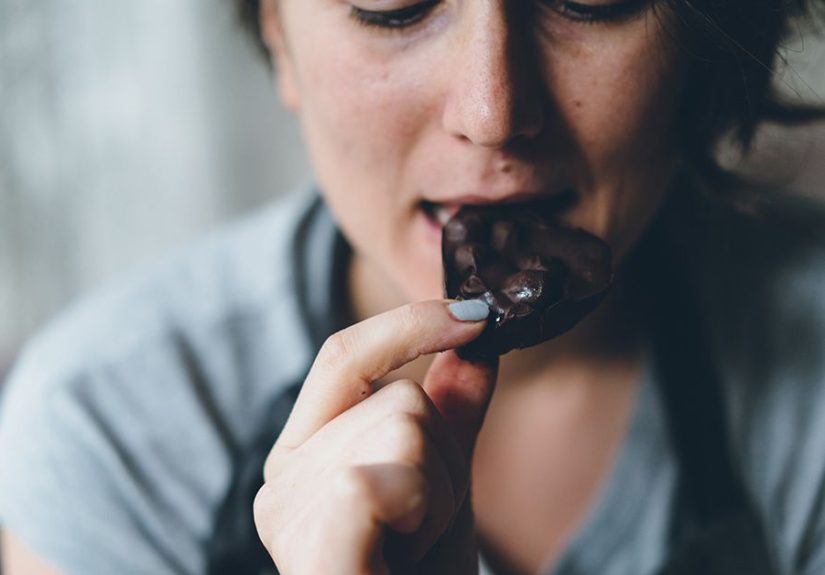
Dark chocolate with at least 70% cocoa is usually the best option for chocolate lovers with gout. It has a stronger cocoa flavor, more polyphenols, and typically less added sugar than milk chocolate. A reasonable portion is about 1 ounce, or one to three small squares depending on the bar.
Look for a short ingredient list: cocoa, cocoa butter, and a small amount of sugar are usually enough. If the label reads like a chemistry exam, consider putting it back on the shelf.
2. Unsweetened Cocoa Powder
Unsweetened cocoa powder is one of the most flexible gout-friendly chocolate choices. It gives you chocolate flavor with minimal sugar. Add it to plain oatmeal, low-fat yogurt, a banana smoothie, or warm milk. You control the sweetness instead of letting a food company do it with a shovel.
For a simple gout-conscious cocoa drink, mix unsweetened cocoa powder with warm low-fat milk or unsweetened almond milk, then add cinnamon and a small amount of honey or a low-calorie sweetener if needed. This gives you comfort without turning the mug into dessert soup.
3. Cacao Nibs in Small Amounts
Cacao nibs are crushed pieces of cacao beans. They are crunchy, bitter, and intensely chocolatey. They contain no added sugar unless sweetened by the brand. Sprinkle a teaspoon over yogurt, oatmeal, or fruit. Think of them as chocolate confetti for adults who read nutrition labels.
Because cacao nibs are rich and can be high in calories, small portions are best. They work better as a topping than as a snack you eat by the handful.
4. Homemade Low-Sugar Chocolate Recipes
Homemade chocolate treats can be easier to manage than store-bought sweets. You can use unsweetened cocoa powder, fruit, nuts, chia seeds, oats, or plain yogurt to create a dessert that fits your gout-friendly eating plan.
For example, mix plain Greek yogurt with cocoa powder, vanilla, and a small amount of sweetener. Chill it for a mousse-like snack. Add berries for natural sweetness and extra antioxidants. It is not a triple-layer fudge cake, but it also will not leave your joints sending angry emails.
Types of Chocolate to Avoid or Limit With Gout
Some chocolate products are better treated as occasional indulgences. The goal is not fear; it is awareness. If a chocolate item is mostly sugar, syrup, and processed filling, it is not doing your gout management any favors.
1. Milk Chocolate Candy Bars
Milk chocolate usually contains less cocoa and more sugar than dark chocolate. It is sweet, creamy, and easy to overeat. For people with gout, frequent high-sugar snacking may contribute to weight gain and higher uric acid risk over time.
If you love milk chocolate, keep the portion small and enjoy it occasionally. Do not make it your daily “wellness routine,” unless your wellness goal is negotiating with your joints at 2 a.m.
2. White Chocolate
White chocolate does not contain cocoa solids. It is made mainly from cocoa butter, sugar, milk solids, and flavorings. Because it lacks the cocoa solids that provide many of chocolate’s plant compounds, it offers fewer potential benefits while still bringing plenty of sugar and calories.
In gout-friendly terms, white chocolate is more candy than cocoa. It is best kept as an occasional treat.
3. Chocolate With Caramel, Nougat, Syrup, or Marshmallow
Filled chocolates can be especially high in added sugar. Caramel, nougat, marshmallow, fudge filling, cookie pieces, and syrupy centers can quickly turn a small chocolate snack into a high-sugar dessert. Since sugary foods and drinks are often discouraged for gout management, these are not ideal daily choices.
4. Chocolate Desserts With Large Portions
Chocolate cake, brownies, milkshakes, sundaes, frosted cupcakes, and chocolate cream pies can be delicious, but they are often loaded with sugar, refined flour, saturated fat, and large serving sizes. They may not be high in purines, but they can work against weight management and metabolic health, both of which matter for gout.
Enjoy these foods occasionally, preferably in small portions, and avoid them during a flare when your body is already inflamed and your patience is thinner than a hotel pillow.
Can Dark Chocolate Help Lower Uric Acid?
Dark chocolate is not a gout treatment and should not replace prescribed medication. However, cocoa contains theobromine, a natural compound found in cacao. Research has suggested that theobromine may interfere with uric acid crystal formation. Cocoa also contains polyphenols and flavonoids, which are associated with antioxidant and anti-inflammatory effects.
This does not mean chocolate cures gout. It means cocoa may be a better dessert base than many high-sugar options. The practical takeaway is simple: if you want chocolate, choose a higher-cocoa, lower-sugar version and keep the portion reasonable.
How Much Chocolate Can You Eat With Gout?
A sensible serving is about 1 ounce of dark chocolate, or roughly one to three small squares, depending on the brand. Some people may prefer even smaller portions, especially if they are managing diabetes, kidney disease, weight loss, or high triglycerides.
Frequency matters too. A small square of dark chocolate after dinner a few times per week is very different from eating a whole bar every night while calling it “self-care.” True self-care sometimes means closing the wrapper before the wrapper becomes a plate.
Smart Ways to Eat Chocolate Without Triggering Trouble
Pair Chocolate With Gout-Friendly Foods
Pair a small piece of dark chocolate with strawberries, cherries, low-fat yogurt, or a few nuts. This can make the snack more satisfying and reduce the urge to keep reaching for more chocolate.
Read the Label Carefully
Choose chocolate with 70% cocoa or higher, modest added sugar, and a short ingredient list. Avoid products with high-fructose corn syrup, lots of candy fillings, or oversized serving suggestions.
Do Not Eat Chocolate During a Flare as “Treatment”
During a gout attack, follow your healthcare provider’s instructions. Hydration, medication, rest, and avoiding known triggers matter more than experimenting with chocolate. Save dessert decisions for calmer days.
Watch the Whole Diet, Not Just One Food
Chocolate is only one piece of the gout puzzle. A gout-conscious diet usually emphasizes water, low-fat dairy, vegetables, fruits, whole grains, nuts, and moderate portions of lean protein. It limits alcohol, sugary drinks, organ meats, high-purine seafood, and frequent high-sugar snacks.
Simple Gout-Friendly Chocolate Ideas
Dark Chocolate Berry Bowl
Add sliced strawberries or blueberries to plain Greek yogurt. Sprinkle with unsweetened cocoa powder or shaved dark chocolate. This gives you protein, fruit, and chocolate flavor without a heavy dessert load.
Low-Sugar Hot Cocoa
Warm low-fat milk or unsweetened almond milk. Stir in unsweetened cocoa powder, cinnamon, and a small amount of sweetener. Skip whipped cream and syrup. Your joints do not need a dairy mountain with chocolate lava.
Chocolate Oatmeal
Cook oats with milk or water, then stir in cocoa powder and top with banana slices. This works well as a filling breakfast and can satisfy chocolate cravings early in the day.
Frozen Chocolate Banana Bites
Slice a banana, dip the pieces lightly in melted dark chocolate, and freeze them. Keep portions small. These taste like dessert but are easier to control than a giant brownie square.
500-Word Experience Section: Living With Chocolate Cravings and Gout
For many people with gout, the hardest part is not learning which foods to avoid. It is living with the emotional side of restriction. Food is comfort, celebration, memory, and sometimes the only reward after a day that felt like it was assembled by a committee of mosquitoes. Chocolate, in particular, has a way of becoming more than a snack. It is the “I survived Monday” square, the movie-night companion, the tiny dessert after dinner, and the secret drawer resident that nobody talks about but everybody respects.
A practical experience many gout patients describe is the fear of eating the “wrong” thing. After one painful flare, it is easy to look at every food as a possible suspect. Chocolate may get placed on the mental banned list even when the real triggers were beer, dehydration, a seafood-heavy meal, stress, or several high-sugar treats eaten together. This is why a food diary can be surprisingly useful. Write down what you ate, how much water you drank, whether you had alcohol, how you slept, and when symptoms appeared. Patterns often reveal more than panic does.
Another real-life lesson is that portion size changes everything. One small piece of dark chocolate after a balanced meal may be perfectly manageable for many people. Eating half a bag of chocolate candy while standing in the kitchen at midnight is a different nutritional event entirely. No judgmentwe have all had moments where the snack cabinet looked like it was offering emotional counseling. But with gout, repeated high-sugar snacking can work against uric acid control, weight management, and overall inflammation.
People also tend to do better when they plan chocolate instead of “accidentally” eating it. For example, keep individually wrapped squares of 70% dark chocolate and decide ahead of time how many you will eat. Pair it with tea, fruit, or yogurt so the snack feels complete. Avoid eating straight from a large bag or bar because the human brain is not famous for calmly stopping at “just enough” when chocolate is involved.
It is also helpful to upgrade the chocolate experience. A smaller amount of high-quality dark chocolate can be more satisfying than a larger amount of cheap candy. Let it melt slowly. Notice the bitterness, fruitiness, nuttiness, or roasted flavor. This turns chocolate from a reflex into a ritual. Gout-friendly eating becomes much easier when it feels like choosing well, not being punished.
Finally, remember that gout management is not about one perfect food choice. It is about the pattern: hydration, medication adherence if prescribed, regular movement, healthy weight goals, less alcohol, fewer sugary drinks, and smarter treats. Chocolate can still have a place, but it should be a supporting character, not the lead actor in your daily diet.
Conclusion
Chocolate and gout can coexist, but the type of chocolate matters. The best choices are unsweetened cocoa powder, cacao nibs in small amounts, and dark chocolate with at least 70% cocoa. These options provide more cocoa compounds and usually less sugar than milk chocolate or candy-style desserts.
The types to avoid or limit include white chocolate, milk chocolate candy bars, chocolate with caramel or syrup fillings, and large chocolate desserts. These foods may not be high in purines, but they can be high in added sugar and calories, which may complicate gout management.
If you have gout, think of chocolate as an occasional, mindful treat. Choose quality over quantity, read labels, control portions, and pay attention to your personal triggers. Your taste buds can still have funjust do not hand them the steering wheel.
Note: This article is for general educational purposes only and does not replace medical advice. People with gout, kidney disease, diabetes, or complex medication plans should ask a healthcare professional or registered dietitian for personalized guidance.