Table of Contents >> Show >> Hide
- Why This Chocolate Bread Pudding Casserole Works
- Recipe Snapshot
- Ingredients
- Equipment
- How to Make Chocolate Bread Pudding Casserole
- Flavor Variations You Can Actually Use
- Troubleshooting: Save the Dessert Before It Saves You
- Make-Ahead, Storage, and Reheating
- Serving Ideas
- FAQ: Chocolate Bread Pudding Casserole Recipe
- How This Recipe Was Synthesized (No Links, Real Sources)
- 500-Word Experience Section: What Real Home Bakers Run Into With Chocolate Bread Pudding Casserole
- Final Thoughts
Some desserts whisper. This one does a full karaoke ballad with a disco spotlight.
If you’ve ever wanted the cozy comfort of classic bread pudding plus the deep, fudgy
joy of chocolate cake, this Chocolate Bread Pudding Casserole Recipe
is your new kitchen power move.
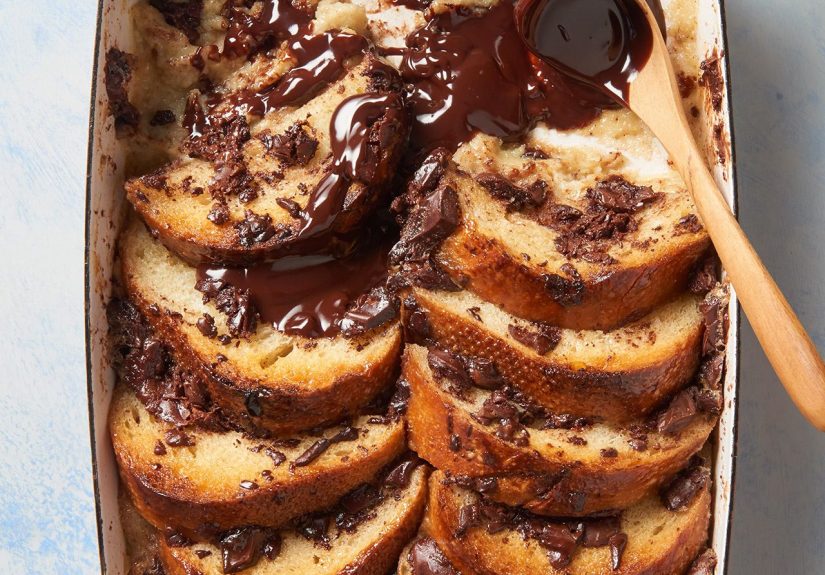
The goal here is simple: a casserole with a crackly top, a custardy center, molten
pockets of chocolate, and enough make-ahead flexibility to save your sanity during
weekends, holidays, or “I invited people over and forgot” situations. This version
is built from real techniques used by trusted American recipe publishers and food safety
agencies, then rewritten into one practical, flavor-forward method that’s easy to
follow and hard to mess up.
You’ll get:
- A no-fuss method with pro-level texture.
- Ingredient swaps for different budgets and pantries.
- Make-ahead, storage, and reheating guidance.
- Troubleshooting tips so your casserole doesn’t become chocolate soup or chocolate brick.
- A 500-word experience section at the end with real-world kitchen scenarios and fixes.
Why This Chocolate Bread Pudding Casserole Works
1) Bread Choice = Texture Destiny
The best bread pudding starts with bread that can absorb custard without collapsing.
Brioche, challah, and sturdy French bread are excellent because they soak beautifully
while still holding shape. If your bread is fresh, drying or toasting it lightly helps
it absorb more custard and prevents soggy patches.
2) Two Types of Chocolate for Better Flavor
Cocoa powder gives broad, warm chocolate flavor; chopped semisweet chocolate gives depth,
gloss, and those dramatic melty pockets everyone “accidentally” digs for first. Using both
creates a fuller flavor than relying on just one chocolate source.
3) Soak Time Matters
Bread needs enough time to drink in custard. A short soak (around 15 minutes) can work for
softer breads, while 25–30 minutes is better for sturdier cubes. This keeps the center creamy
instead of dry in spots and mushy in others.
4) Bake Until Set, Not Dry
Think “slight jiggle in the center,” not “desert geology.” Overbaking drives out moisture.
Pulling the casserole when it’s just set (and then resting it) gives the best spoonable texture.
Recipe Snapshot
- Recipe Name: Chocolate Bread Pudding Casserole
- Yield: 10–12 servings
- Prep Time: 25 minutes
- Soak Time: 25 minutes
- Bake Time: 40–50 minutes
- Total Time: About 1 hour 45 minutes (including rest)
- Skill Level: Easy to Moderate
Ingredients
For the Casserole
- 10 cups bread cubes (about 14 oz), preferably challah or brioche
- 2 cups whole milk
- 1 1/2 cups heavy cream
- 4 large eggs + 2 egg yolks
- 3/4 cup granulated sugar
- 1/4 cup light brown sugar
- 1/3 cup unsweetened cocoa powder
- 6 oz semisweet chocolate, finely chopped
- 1 cup chocolate chips or chunks
- 1 tablespoon vanilla extract
- 1 teaspoon ground cinnamon
- 1/2 teaspoon kosher salt
- 2 tablespoons unsalted butter, melted (for the pan and top)
Optional Quick Ganache (Highly Recommended, Not Legally Required)
- 1/2 cup heavy cream
- 4 oz semisweet chocolate, chopped
- Pinch of salt
Optional Flavor Boosters (Choose 1–2)
- 1 teaspoon espresso powder (makes chocolate taste more chocolatey)
- 1/2 teaspoon orange zest (brightens richness)
- 1 tablespoon bourbon or dark rum (warm depth)
- 1 tablespoon miso (for subtle savory balance in advanced versions)
Equipment
- 9×13-inch baking dish (or similar 3-quart casserole)
- Large mixing bowl + whisk
- Medium saucepan
- Rubber spatula
- Fine mesh strainer (optional but useful)
- Instant-read thermometer (recommended for doneness confidence)
How to Make Chocolate Bread Pudding Casserole
Step 1: Dry the Bread (Optional but Smart)
Preheat your oven to 300°F. Spread bread cubes on a sheet pan and toast for 8–10 minutes
until slightly dry on the edges (not fully crunchy). Let cool while you make custard.
If your bread is already day-old and dry, you can skip this.
Step 2: Build the Chocolate Custard
In a saucepan, whisk milk, cream, cocoa powder, granulated sugar, brown sugar, cinnamon,
and salt over medium heat until steaming and smooth. Don’t boil aggressively. Remove from heat,
add chopped semisweet chocolate, and whisk until glossy.
In a bowl, whisk eggs and yolks. Slowly stream in about 1 cup of the warm chocolate mixture
while whisking constantly (this tempers the eggs). Then whisk that egg mixture back into the
saucepan. Stir in vanilla and optional espresso powder.
Step 3: Assemble and Soak
Grease your baking dish with butter. Add bread cubes and chocolate chips/chunks.
Pour custard evenly over the bread. Gently press cubes down so they’re moistened.
Let stand for 20–30 minutes, pressing once or twice during soaking.
Pro tip: Softer breads (very fresh challah) may need only ~15 minutes.
Sturdier or drier bread benefits from the full 30.
Step 4: Bake
Increase oven to 350°F. Drizzle top with a little melted butter.
Bake uncovered for 40–50 minutes, until the top is set and slightly puffed,
edges are lightly crisp, and the center still has a gentle jiggle.
For food safety with egg-based casseroles, the center should reach at least 160°F.
If you prefer a firmer finish, go a couple minutes longer, but avoid overbaking.
Step 5: Rest and Serve
Let rest 15 minutes. This is not optional if you want clean scoops and ideal texture.
Serve warm.
Step 6: Optional Ganache
Heat 1/2 cup cream until steaming, pour over chopped chocolate and pinch of salt,
rest 3 minutes, then whisk smooth. Spoon over each serving.
Flavor Variations You Can Actually Use
Dark Chocolate Espresso
Use bittersweet chocolate (60–70%) + 1 teaspoon espresso powder. Finish with flaky salt.
Great with whipped cream.
Mexican-Inspired Chocolate
Add cinnamon, tiny pinch cayenne, and orange zest. Top with toasted pepitas for crunch.
Mocha Brunch Casserole
Add espresso powder and serve with lightly sweetened mascarpone. Suddenly brunch looks expensive.
Holiday Version
Add dried cherries or cranberries plus chopped pecans. Use brown sugar-heavy custard for caramel notes.
Troubleshooting: Save the Dessert Before It Saves You
Problem: It’s too dry.
Likely overbaked or bread was too dry without enough soak. Next time reduce bake time by 5–8 minutes,
increase soak time, or add 1/4 cup extra milk to custard.
Problem: It’s watery in the center.
It needed more bake time or custard wasn’t mixed thoroughly. Cover loosely with foil and bake
another 5–10 minutes. Check center temperature.
Problem: Top is too dark before center sets.
Tent with foil during the last 10–15 minutes. Lower oven by 10–15 degrees if your oven runs hot.
Problem: Not chocolatey enough.
Increase cocoa by 1 tablespoon and switch to darker chocolate. Espresso powder helps without tasting “coffee.”
Make-Ahead, Storage, and Reheating
Make Ahead (Best for Entertaining)
Assemble the casserole, cover, and refrigerate overnight. Bake the next day. If going straight from fridge
to oven, add 5–10 extra minutes as needed.
Refrigerator Storage
Cool, then refrigerate in a covered container. Best quality for 3–4 days for egg-based casseroles.
Freezer Storage
Portion, wrap airtight, and freeze up to 2–3 months for best texture.
Thaw overnight in the fridge before reheating.
Reheating
- Oven: 325°F, covered, 12–20 minutes depending on portion size.
- Microwave: Medium power in 30–45 second bursts for gentler reheating.
- Food safety note: Reheat leftovers until hot throughout (commonly 165°F guidance for leftovers).
Serving Safety Basics
Don’t leave this casserole at room temperature for more than 2 hours
(1 hour if it’s very hot in the room/environment). Since this is dairy + egg rich,
prompt refrigeration is your friend.
Serving Ideas
- Whipped cream + shaved chocolate
- Vanilla ice cream + warm ganache
- Raspberries + powdered sugar (cuts richness)
- Salted caramel drizzle + toasted pecans
- Coffee or black tea on the side (mandatory for dramatic effect)
FAQ: Chocolate Bread Pudding Casserole Recipe
Can I use sandwich bread?
You can, but texture is softer and less structured. If that’s what you have,
dry it well first and reduce soak time slightly to prevent collapse.
Can I reduce sugar?
Yes. Drop total sugar by 1/4 cup if you’re serving with sweet toppings.
Keep some sugar for structure and browning.
Can I make it without heavy cream?
Yesreplace cream with whole milk or half-and-half. Expect a lighter, less rich custard.
Can I make this for brunch, not dessert?
Absolutely. Keep sweetness moderate, add berries on top, and call it a “breakfast casserole.”
Everyone will still know it’s dessert, but brunch has legal immunity.
How This Recipe Was Synthesized (No Links, Real Sources)
This guide combines methods commonly used by: Allrecipes, Food Network, Serious Eats, King Arthur Baking,
Bon Appétit, Martha Stewart, Southern Living, Better Homes & Gardens, The Kitchn, EatingWell,
Taste of Home, Epicurious, FDA, CDC, and FoodSafety.gov.
The final method was rewritten from scratch and standardized for home-cook clarity, texture consistency,
make-ahead practicality, and safe handling.
500-Word Experience Section: What Real Home Bakers Run Into With Chocolate Bread Pudding Casserole
One of the most common experiences with a chocolate bread pudding casserole recipe is the emotional rollercoaster
of “This looks too wet” followed by “Wait… this is incredible.” In the bowl, custard-soaked bread almost always
looks suspiciously messy. New bakers often think they added too much liquid. In reality, that loose, glossy texture
is exactly what becomes that creamy interior after baking and resting. The first lesson is patience: when the pan
comes out, let it sit. The rest time transforms a trembling center into a spoonable dessert with structure.
Another frequent experience is bread anxiety. People worry they “used the wrong bread” and expect failure.
But this casserole is forgiving. Slightly stale challah gives a plush result; brioche leans rich and buttery;
French bread gives cleaner edges and more chew. Even odds-and-ends loaves from the freezer can work when cubed,
dried, and soaked properly. Home bakers often report their best batches happen when they stop chasing perfect
ingredients and focus on technique: dry cubes, warm custard, proper soak, moderate bake, and a rest before serving.
That sequence is the secret handshake.
There’s also a near-universal “chocolate intensity moment.” First batch? Usually a little too sweet or not chocolatey
enough. Second batch? Better. By the third, people tailor it like pros: darker chocolate for depth, a pinch of espresso
powder for intensity, orange zest for brightness, or a tiny bit of cinnamon for warmth. Some discover that adding a handful
of chopped chocolate between bread layers creates lava-like pockets that make each bite feel special. Others prefer a smoother
texture and use fewer chunks. This recipe becomes highly personal, which is exactly why it sticks around in family rotation.
Make-ahead success is another big experience story. Many bakers assemble the night before a holiday brunch, refrigerate,
then bake in the morning while coffee brews. The house smells like a bakery, stress drops by 70%, and the cook gets to
look mysteriously organized. If there’s a crowd, that do-ahead factor is priceless. If there are leftovers, people often
discover day-two pudding is even betterflavors deepen, texture sets more evenly, and reheated slices pair beautifully
with whipped cream or vanilla yogurt.
Finally, there’s the “unexpected audience reaction.” Bread pudding has a reputation problemsome think it’s old-fashioned
or bland. Then chocolate enters the room and suddenly skeptics become believers. Even folks who claim they “don’t really do
pudding” somehow ask for seconds. Kids tend to love the gooey chocolate bits; adults appreciate the not-too-sweet custard and
bakery-style top. The best part of this recipe experience is how adaptable it is: casual Sunday dessert, potluck hero, holiday
brunch centerpiece, or midnight comfort food eaten cold from the fridge while pretending you’re only checking if it stored well.
(Quality control is important. Very scientific.)
Final Thoughts
If you want one dessert that feels nostalgic, indulgent, and practical at the same time,
this Chocolate Bread Pudding Casserole Recipe delivers. It uses familiar ingredients,
rewards make-ahead planning, and adapts to your style. Keep the core method, customize the flavor,
and don’t skip the rest time. That’s where the magic settles in.