Table of Contents >> Show >> Hide
- Understanding Ginseng Before You Plant
- Where Ginseng Grows Best
- How to Start Ginseng from Seed
- How to Plant Ginseng Step by Step
- Caring for Ginseng Plants
- Common Ginseng Problems and How to Avoid Them
- How Long Does Ginseng Take to Grow?
- Harvesting Ginseng Responsibly
- Drying and Storing Ginseng Roots
- Can You Grow Ginseng in a Backyard?
- Best Tips for Growing Ginseng Successfully
- Experiences and Practical Lessons from Growing Ginseng
- Conclusion
Growing ginseng is not like growing lettuce, tomatoes, or that one basil plant you forgot on the porch and then dramatically mourned three days later. Ginseng is a slow, shade-loving woodland crop that rewards patience, restraint, and a suspiciously deep relationship with leaf litter. If you want instant results, grow radishes. If you want a crop that feels like a long-term forest investment with roots that may one day be worth bragging about, American ginseng is your plant.
American ginseng, known botanically as Panax quinquefolius, is native to hardwood forests of the eastern United States and parts of Canada. It thrives in cool, moist, well-drained forest soils under dense shade. Unlike many garden crops, ginseng does not want full sun, rich compost piles, daily fussing, or dramatic fertilizer cocktails. In fact, the more you try to treat it like a pampered vegetable, the more likely it is to sulk, rot, or disappear entirely.
This guide explains how to grow ginseng from seed, choose the right site, prepare the soil, plant correctly, prevent disease, harvest responsibly, and avoid the common mistakes that make beginners say things like, “Wait, where did my ginseng go?” Whether you are interested in wild-simulated ginseng, woods-grown ginseng, or small-scale backyard production under shade, the goal is the same: create the kind of quiet woodland environment where ginseng can grow slowly, naturally, and successfully.
Understanding Ginseng Before You Plant
Before planting a single seed, it helps to understand that ginseng is not one crop but several production styles. The method you choose affects cost, labor, disease risk, root appearance, harvest time, and potential market value.
Wild-Simulated Ginseng
Wild-simulated ginseng is grown in an actual forest with minimal disturbance. Seeds are planted directly into untilled soil beneath a hardwood canopy, then left to grow slowly with little human interference. This method usually produces roots that look most like wild ginseng: small, wrinkled, aged, and irregular. In ginseng culture, ugly can be beautiful. A root that looks like it has been through a tiny woodland adventure may be more desirable than a smooth, carrot-like root.
Wild-simulated ginseng often takes eight to twelve years or more before harvest. It is slower and riskier than intensive cultivation, but it is also lower in startup cost and can produce highly valued roots when done legally and responsibly.
Woods-Grown Ginseng
Woods-grown ginseng is cultivated in the forest, but with more management. Growers may create beds, loosen soil, add amendments, control weeds, and manage spacing more intensively. This approach can produce harvestable roots sooner, often in six to nine years, but soil disturbance and closer spacing may increase disease pressure.
Field-Grown or Shade-Grown Ginseng
Field-grown ginseng is typically raised in prepared beds under artificial shade cloth. This system can produce roots in three to four years, but it requires more investment, irrigation, disease management, and technical skill. The roots usually grow faster and smoother, which may make them less valuable than slow-grown woodland roots in some markets. For beginners, wild-simulated or small woods-grown planting is often the most realistic place to start.
Where Ginseng Grows Best
The most important decision in growing ginseng is site selection. You can buy the best seed, read every guide, and whisper motivational quotes to the soil, but if the site is wrong, ginseng will not care. It wants a particular kind of forest habitat.
Choose a Cool, Shady Hardwood Forest
American ginseng naturally grows as an understory plant beneath deciduous hardwood trees. The ideal site has about 70 to 80 percent shade during the growing season. Too much sun can scorch leaves and stress plants. Too little light can slow growth to a crawl, and ginseng is already in no hurry.
Good tree companions include sugar maple, tulip poplar, black walnut, basswood, hickory, beech, and other mature hardwoods. A north- or east-facing slope is often ideal because it tends to stay cooler and moister than a south- or west-facing slope. Avoid hot, dry ridges and low, soggy areas where water lingers like an unwanted guest.
Look for Indicator Plants
One of the best ways to judge a possible ginseng site is to look at what is already growing there. Ginseng often likes the same rich woodland conditions as plants such as trillium, bloodroot, black cohosh, blue cohosh, maidenhair fern, jack-in-the-pulpit, mayapple, ramps, Solomon’s seal, and wild ginger.
Indicator plants do not guarantee success, but they are nature’s way of saying, “This place might be worth investigating.” If the forest floor is covered mostly with grass, invasive weeds, or dry pine needles, it may not be the dream home your ginseng seeds were hoping for.
Soil Requirements for Ginseng
Ginseng prefers loose, well-drained, calcium-rich soil with plenty of organic matter. A slightly acidic to near-neutral pH is usually best, commonly around 5.5 to 6.5. The soil should hold moisture without becoming waterlogged. If you squeeze a handful and it forms a brick, that is not soil; that is future root disappointment.
A soil test is strongly recommended before planting. It can reveal pH, calcium, phosphorus, potassium, and organic matter levels. Many successful ginseng sites have relatively high calcium compared with ordinary garden soil. Some growers use gypsum to add calcium without sharply changing pH, but amendments should be based on actual soil test results, not guesswork. Ginseng does not appreciate being part of a chemistry experiment conducted by vibes.
How to Start Ginseng from Seed
Ginseng is usually grown from seed rather than root divisions. The seeds are unusual because they need a long warm-and-cold stratification period before germination. Fresh ginseng seed usually does not sprout the following spring unless it has already gone through proper stratification.
Buy Stratified Seed
For beginners, the simplest choice is to buy stratified ginseng seed from a reputable supplier. Stratified seed has been stored under moist outdoor conditions long enough to complete its dormancy cycle. Even then, ginseng seed is not famous for perfect germination. Some seeds sprout the first spring, some later, and some apparently decide they have other plans.
Inspect seed before planting. Good seed is firm, not mushy, and usually tan to brownish. Avoid seed that smells rotten, looks moldy, or has been allowed to dry out completely. Ginseng seed must remain moist; once it dries too much, viability drops.
When to Plant Ginseng
The best time to plant ginseng seed is in fall, after trees begin dropping leaves but before the ground freezes. Fall planting allows the seed to settle into natural woodland conditions and prepare for spring germination. In many eastern U.S. regions, this means planting sometime from September through November, depending on local climate.
Spring planting is possible with properly stratified seed, but fall is generally easier and more natural. Plus, planting in fall means the forest floor provides its own mulch. Thank you, trees. Very considerate.
How to Plant Ginseng Step by Step
Step 1: Clear the Leaf Litter
Choose a small test area first rather than planting an entire hillside. Rake back the leaf litter gently until you expose the topsoil. Do not strip the site bare or disturb roots unnecessarily. In wild-simulated growing, the goal is to imitate nature, not remodel the forest.
Step 2: Plant Seeds at the Right Depth
Plant ginseng seeds about one-half inch deep. You can make shallow furrows, press individual seeds into the soil, or use a hoe handle to create small planting spots. For wild-simulated production, many growers plant seeds several inches apart in scattered patterns instead of tight rows. Spacing of roughly 6 to 12 inches can reduce disease pressure and make the planting look more natural.
In woods-grown beds, spacing may be more organized, but crowding is risky. Ginseng diseases enjoy crowded conditions the way toddlers enjoy birthday cake: with enthusiasm and poor restraint.
Step 3: Cover with Soil and Leaves
After planting, cover seeds lightly with soil, then replace the leaf litter. A natural leaf mulch protects the seed, moderates temperature, conserves moisture, and reduces erosion. Do not use heavy wood chips or thick compost. The best mulch is usually what the forest already provides.
Step 4: Mark the Site Carefully
Mark planting areas discreetly. You need to find the patch again, but you do not want to advertise it. Use a private map, GPS coordinates, natural landmarks, or subtle markers. Ginseng theft can be a real problem in some regions, so avoid obvious signs that scream, “Valuable slow-growing root crop right here!”
Caring for Ginseng Plants
Once planted, ginseng needs patience more than pampering. Overmanaging can cause more harm than good. Think of yourself as a quiet forest assistant, not a helicopter parent with a watering can.
Watering
Forest-grown ginseng usually does not need regular watering if planted in a suitable site. During severe drought, small plantings may benefit from careful watering, but avoid keeping the soil constantly wet. Ginseng likes moist soil, not swamp conditions. Poor drainage can lead to root rot and fungal disease.
Weed and Competition Control
Remove aggressive weeds and invasive plants by hand when necessary. Be careful not to disturb ginseng roots, which are delicate and shallow. A diverse woodland plant community is not necessarily bad; in wild-simulated systems, companion plants can help maintain a natural environment. The problem is competition from thick, aggressive growth that steals light, moisture, and airflow.
Mulching
Each fall, allow natural leaf litter to cover the planting. If the site is exposed, add a thin layer of clean hardwood leaves. Do not bury plants under a mattress of mulch. A light, natural covering is helpful; a smothering pile is not.
Common Ginseng Problems and How to Avoid Them
Fungal Diseases
Disease is one of the biggest challenges in growing ginseng. Alternaria blight, damping-off, root rot, and other fungal problems can damage or destroy plantings, especially where air movement is poor and plants are crowded. Prevention is much easier than rescue.
To reduce disease, choose well-drained sites, avoid tight spacing, maintain natural airflow, do not overwater, and avoid excessive fertilization. If you are planting a larger area, spread plantings across multiple patches instead of putting every seed in one dense bed. Diversification is not just for investment portfolios; it is also for woodland herbs with expensive roots.
Rodents, Deer, and Other Wildlife
Wildlife may browse leaves, dig roots, or eat berries. Deer can damage plants by grazing. Rodents may disturb seeds. Turkeys and other animals may scratch through leaf litter. In a small planting, wire mesh or discreet fencing may help, but large forest plantings are harder to protect completely.
One practical strategy is to plant more seed than you expect to harvest. Nature charges a fee. Sometimes that fee is paid in missing seedlings.
Poaching
Ginseng theft is a serious issue in many areas. Keep plantings private, avoid obvious trails, and do not casually tell everyone at the feed store about your secret ginseng patch. Also check local laws before planting, harvesting, selling, or transporting ginseng. Rules vary by state, and wild American ginseng is regulated because of conservation concerns and international trade controls.
How Long Does Ginseng Take to Grow?
Ginseng is a slow crop. Field-grown roots may be harvested in about three to four years, woods-grown roots often take six to nine years, and wild-simulated roots may take eight to twelve years or longer. Older roots are usually more valuable because they develop the wrinkled, mature appearance preferred in certain markets.
Young ginseng plants begin modestly. A first-year seedling usually has one small compound leaf with three leaflets. As the plant matures, it may develop two, three, or four prongs, each with five leaflets. Mature plants produce clusters of greenish-white flowers followed by bright red berries. Those berries contain seeds that can be replanted to sustain the patch.
Harvesting Ginseng Responsibly
Harvesting ginseng is not simply a matter of digging whenever you feel impatient. Responsible harvest protects future crops and helps conserve the species.
Harvest at the Right Age
Many states require wild ginseng plants to reach a minimum age before harvest, often determined by the number of bud scars on the rhizome or by plant maturity. Even for cultivated or wild-simulated ginseng, waiting longer usually improves root quality. Harvesting too early is like pulling cookies out of the oven when they are still dough with ambition.
Harvest in Fall
Fall is the traditional harvest season because plants have completed their yearly growth cycle and berries are mature. Replant ripe red berries near the parent plant or in suitable nearby soil. This helps maintain the patch and supports long-term production.
Dig Carefully
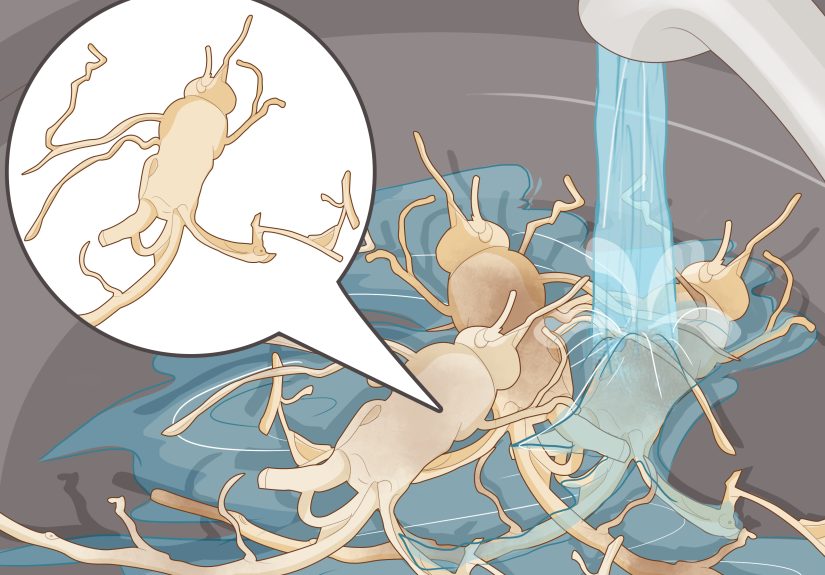
Use a digging fork or narrow tool to loosen soil several inches away from the stem. Work slowly to avoid breaking the root. Ginseng roots are valuable partly because of their shape and age rings, and a broken root can lose value. After digging, gently remove soil by hand or with light rinsing, depending on market expectations. Do not scrub the root like a potato that insulted your family.
Drying and Storing Ginseng Roots
Fresh ginseng roots must be handled carefully after harvest. Many growers dry roots for storage and sale. Drying should happen in a warm, well-ventilated area away from direct sun and excessive heat. Roots should dry slowly and evenly. Too much heat can discolor or damage them; too little airflow can invite mold.
Place roots on screens or racks so air can circulate. Turn them occasionally. Drying may take one to several weeks depending on root size and conditions. Properly dried roots should be firm and snap rather than bend. Store dried roots in breathable containers in a cool, dry place. Always follow buyer requirements and state regulations if selling.
Can You Grow Ginseng in a Backyard?
Yes, but only if you can create the right conditions. A shady backyard with rich, well-drained soil and protection from afternoon sun may support a small ginseng patch. Raised beds under shade cloth can work, but they require careful moisture management and disease prevention. Backyard growers should not expect field-scale profits. Instead, treat it as a long-term specialty herb project.
If your yard is hot, sunny, compacted, and dry, ginseng is probably not the best crop. Consider woodland medicinals only if you can provide deep shade, organic soil, good drainage, and patience measured in years rather than weekends.
Best Tips for Growing Ginseng Successfully
Start Small
Plant a test plot first. Watch how the seed germinates, how seedlings survive summer heat, and whether disease appears. A small failure is a lesson. A large failure is a tuition bill paid to the forest.
Use Quality Seed
Buy stratified seed from a reputable supplier. Cheap, dried-out, poorly handled seed can waste years before you realize the problem. Good seed does not guarantee success, but bad seed practically guarantees frustration.
Respect the Forest
Do not clear large areas, remove valuable native plants, or disturb soil unnecessarily. The best ginseng growers work with the forest ecosystem. They improve conditions lightly, plant carefully, and allow natural processes to do much of the work.
Keep Records
Record planting dates, seed sources, locations, soil test results, amendments, weather problems, germination rates, and harvest notes. After five or ten years, memory becomes suspiciously creative. Written records keep the truth from wandering off into the trees.
Experiences and Practical Lessons from Growing Ginseng
One of the first experiences most new ginseng growers have is realizing that the forest moves on its own schedule. You may plant seed in November, return excitedly in April, and find almost nothing. Then a week later, tiny seedlings appear like they were waiting for you to stop hovering. Ginseng teaches patience immediately, and it does so without apologizing.
A practical lesson from experienced growers is that site selection beats heroic effort. A naturally cool, moist, north-facing hardwood slope can make a beginner look smarter than they are. A hot, dry, poorly drained site can make an expert question their life choices. Before investing heavily, visit the site after heavy rain, during summer heat, and in early spring. Notice where water runs, where soil stays damp, where invasive plants dominate, and where woodland wildflowers already thrive.
Another common experience is learning that less disturbance often produces better wild-simulated roots. Beginners may want neat rows, fluffy beds, and lots of amendments because that feels like “real farming.” But ginseng grown too comfortably can become large and smooth, losing the aged character many buyers prefer. In wild-simulated production, the goal is not to force the fastest root. The goal is to encourage a healthy, slow-grown root that resembles wild ginseng.
Growers also learn to think in patches rather than single plantings. Instead of placing all seed in one area, plant several small patches across suitable sites. One patch may suffer from disease, drought, animals, or poor germination, while another quietly succeeds. This approach spreads risk and helps you learn which micro-sites are best. In ginseng, the difference between two spots twenty yards apart can be surprising.
Recordkeeping becomes more valuable every year. At planting time, you may think, “Of course I’ll remember where I put these seeds.” Five autumns later, every tree looks like the same tree wearing a different hat. Use private maps, coded markers, and notes. Track seed lots, planting density, and survival. A simple notebook can save hours of confused forest wandering.
Security is another real-world lesson. Ginseng has value, and value attracts curiosity. Keep your patch private. Avoid posting exact locations online. Be cautious about who knows where your plantings are. Many growers prefer low-profile management because a hidden patch is often safer than a perfectly marked one.
Finally, the best experience in growing ginseng is watching a patch mature over time. First-year seedlings become two-prong plants, then three-prong plants, then berry-producing adults. Each fall, red berries offer the chance to replant and expand the stand naturally. That cycle is the heart of good ginseng growing: harvest some, replant some, protect the habitat, and think beyond the current season.
Growing ginseng is not a quick gardening win. It is a relationship with land, shade, soil, and time. If you enjoy slow projects, quiet woods, and plants that refuse to be rushed, ginseng may be one of the most rewarding crops you can grow.
Conclusion
Learning how to grow ginseng begins with understanding the plant’s woodland nature. It needs shade, rich well-drained soil, cool moisture, quality stratified seed, careful planting, and years of patience. The best growers do not try to overpower the forest; they cooperate with it. They choose suitable hardwood sites, plant lightly, manage disease risk, protect the patch, replant berries, and harvest only when roots are mature.
For beginners, the smartest path is simple: start small, test your site, learn from each season, and follow state and federal rules. Ginseng may not reward you next month or even next year, but with the right conditions and steady care, it can become a fascinating long-term crop. In a world obsessed with speed, ginseng is the quiet woodland professor reminding us that some of the best things grow slowly underground.
Note: This article is based on reputable U.S. university extension, forestry, agriculture, and government guidance. Ginseng laws vary by state, especially for harvesting, selling, transporting, and exporting roots, so always verify current local regulations before starting a commercial project.