Table of Contents >> Show >> Hide
- The Psychology Behind Clutter (And Why It Sneaks Up On You)
- Clutter-Busting Strategies for the Living Room
- Clutter-Busting Tips for the Kitchen
- Clutter-Busting for Bedrooms
- Clutter Solutions for the Bathroom
- Clutter-Busting for the Entryway
- Clutter-Busting in the Home Office
- The Laundry Room and Utility Spaces
- Kids’ Rooms and Playrooms
- Garage and Outdoor Spaces
- Your Whole-Home Clutter-Busting Routine
- Extra : Real-World Experiences With Clutter-Busting
- Conclusion
If you’ve ever walked into your home and felt like the clutter was silently judging you, don’t worryyou’re in great company. Even the tidiest people accumulate a surprising amount of stuff. Life happens. Kids grow. Hobbies multiply. Random chargers appear like wild mushrooms. The good news? You can conquer the chaos. This guide pulls together smart, practical, and surprisingly fun clutter-busting strategies from America’s favorite home expertsand we’ll apply them to every room in your home, from the living room to that mysterious drawer you pretend doesn’t exist.
The Psychology Behind Clutter (And Why It Sneaks Up On You)
Before diving room by room, it helps to understand why clutter tends to multiply. Home organization pros often note that clutter thrives when items don’t have a “home.” When we’re tired, stressed, or simply busy living life, we put things down “for now,” and “for now” becomes “forever.” By creating intentional zones and routines, you stop clutter from staging a coup.
Clutter-Busting Strategies for the Living Room
1. Start With a Ten-Minute Reset
Most living room clutter isn’t catastrophicit’s just spread out. Grab a laundry basket and make one fast sweep: remote controls, socks, cups, toys, magazines, random receipts. This instantly creates visual space and gives you a mobile sorting bin. Organization experts love this method because it works even when you’re exhausted.
2. Add Storage That Looks Like Decor
Storage ottomans, baskets, and coffee tables with hidden compartments are not just stylishthey’re lifesavers. Instead of piling blankets and game controllers in the corner, stash them inside a piece of furniture that’s already working for you. Home magazines often emphasize choosing multi-functional pieces, especially for smaller homes and apartments.
3. Limit Surface Clutter
Flat surfaces attract clutter the way porch lights attract moths. Design pros recommend a simple rule: allow each surface no more than three decorative or functional items. The moment something else lands there, it’s time to relocate it to its actual home.
Clutter-Busting Tips for the Kitchen
1. Declutter by Category
Instead of emptying every single cabinet (and then crying on the floor surrounded by Tupperware), tackle categories: mugs, baking tools, spices, plastics, and so on. Grouping items helps you see duplicates and makes it easier to purge things you no longer use.
2. Assign “Prime Real Estate” Only to Daily Items
The parts of your kitchen you reach into most frequentlycabinet shelves at shoulder height, the top drawer, the counter near the stoveshould only contain items you use daily. Holiday serving platters and rarely-used gadgets belong up high or down low.
3. Use Vertical Space Like a Pro
Magnetic spice racks, cabinet-door organizers, pot hooks, tiered shelvesthese simple add-ons instantly multiply your storage. Professional organizers frequently highlight vertical solutions as the easiest way to maximize small kitchens.
Clutter-Busting for Bedrooms
1. Adopt the 1-In, 1-Out Rule
Bedrooms tend to overflow with clothing and random items because we keep adding but never subtracting. Use the classic rule that every new purchase should replace something else. It’s simple and surprisingly effective over time.
2. Tame the Closet With Smart Systems
If you open your closet and something falls on you, it’s time for a revamp. Use slim hangers, shelf dividers, baskets for small accessories, and shoe racks that fit the space you actually have. Capsule wardrobe principles can also help you cut back on the clothes you don’t wear.
3. Keep Nightstands Minimal
The nightstand is a magnet for clutter: phone chargers, lip balm, books you intended to read six months ago, stray receipts. Keep only essentialslamp, one or two books, water, any medical items needed overnight. Everything else gets a new home.
Clutter Solutions for the Bathroom
1. Streamline Your Toiletries
Most bathrooms suffer from product overload. Be honest: do you actually use that half-empty bottle of experimental shampoo from three years ago? Toss expired products and donate unopened ones if permitted by local regulations.
2. Maximize Under-Sink Space
Add stackable drawers, risers, or sliding baskets to make the area more functional. Many home-organization sources describe under-sink zones as prime storage that often goes underutilized.
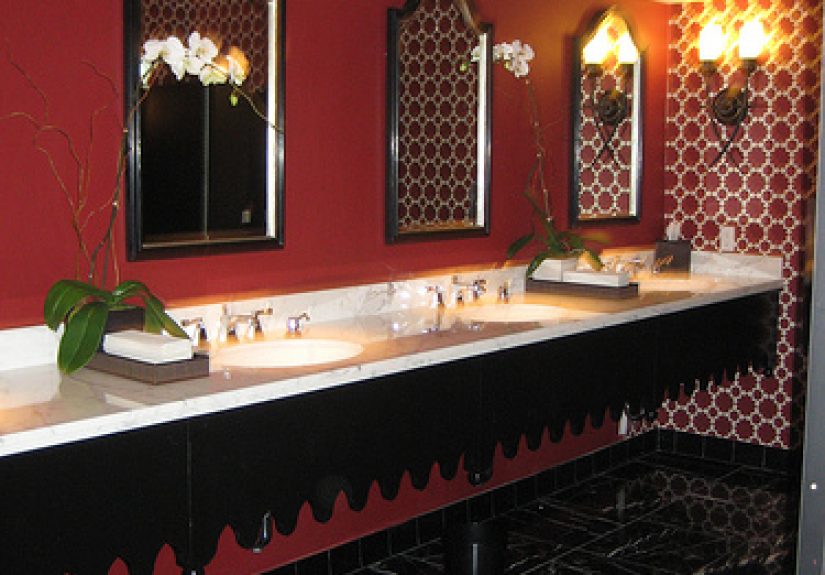
3. Keep Surfaces Clear
Cluttered countertops make even a clean bathroom feel messy. Limit daily items to the absolute necessities. The rest belongs in drawers, cabinets, or baskets.
Clutter-Busting for the Entryway
1. Establish Landing Zones
The entryway is where clutter is born. Create intentional zones for shoes, keys, bags, and mail. A small tray for keys alone can prevent dozens of daily micro-messes.
2. Rotate Seasonal Items
Coats, scarves, umbrellas, beach bagsthese items fluctuate with the seasons. Store off-season gear elsewhere to keep the entryway from overflowing.
3. Use Vertical Hooks and Wall Storage
Floating shelves, wall-mounted coat racks, and over-the-door organizers keep floors clear and reduce tripping hazardsa win for both aesthetics and safety.
Clutter-Busting in the Home Office
1. Keep Only What You Actually Use
Old printers, piles of cords, outdated notebooks, stacks of unfiled papershome offices become graveyards for forgotten tech. Set a rule: if you haven’t used it in a year and it has no tax or legal purpose, it’s time to let it go.
2. Go Digital Wherever Possible
Scan receipts, digitize notes, and store files securely in the cloud. Less paper equals more spaceand far less visual chaos.
3. Create a Daily Reset Ritual
Before leaving your workspace, give it a quick two-minute reset. File papers, wipe surfaces, and plug in your devices. Tomorrow’s you will be eternally grateful.
The Laundry Room and Utility Spaces
1. Sort as You Go
Use multiple hampers for lights, darks, and linens so you’re not sorting endless mountains of clothing at once. This simple system is highly recommended by laundry experts.
2. Use Wall-Mounted Solutions
Keep detergent, cleaning sprays, and brushes off valuable surfaces by using wall racks, shelves, or pegboards. These areas are often small, so maximizing vertical space is essential.
3. Declutter Cleaning Supplies
It’s shockingly common to own four bottles of glass cleaner because you couldn’t find the first three. Inventory your supplies and keep only what you use regularly.
Kids’ Rooms and Playrooms
1. Involve Kids in the Process
Kids are more likely to maintain a tidy room when they help organize it. Use picture labels, bright bins, and low shelves to make tidy-up time easy.
2. Rotate Toys
Instead of keeping every toy accessible, stash half in a bin and rotate them monthly. It reduces clutter and makes old toys feel new again.
3. Embrace Simple Storage
Bins and baskets are the heroes of kids’ clutter control. Skip complex systemskids won’t follow them. Stick to big, easy categories like “blocks,” “stuffies,” and “cars.”
Garage and Outdoor Spaces
1. Use Zones and Pegboards
Sports equipment, gardening tools, car supplies, and seasonal decor all need dedicated zones. Pegboards are beloved by organization pros because they turn walls into highly functional storage spaces.
2. Clear Out Expired or Damaged Items
Old paint cans, rusted tools, deflated ballsgarages are filled with things that should’ve been tossed years ago. Decluttering here can free up an enormous amount of space.
3. Keep Only What Fits the Space
If your garage feels cramped, it’s time to reassess what belongs there. Not everything needs to live in the garageespecially if it prevents you from actually parking your car.
Your Whole-Home Clutter-Busting Routine
1. Do a Five-Minute Sweep Every Night
A quick walk-through each evening prevents clutter from building up and becoming overwhelming.
2. Keep Donation Bags Handy
Place a donation bag in the closet or laundry room. When you spot something you don’t need, drop it in immediately. Once full, deliver it to your favorite charity.
3. Embrace Maintenance Over Marathon Cleaning
Short, consistent habits are far more sustainable than infrequent deep-cleaning sessions. Think of clutter maintenance like brushing your teeth: a few minutes a day keeps bigger problems away.
Extra : Real-World Experiences With Clutter-Busting
After years of compiling insights from pro organizers, design editors, and actual homeowners, certain experiences consistently prove what really works in the battle against clutter. One of the most common revelations people share is that clutter almost never starts out looking like clutter. It begins with a tiny decision to “set something aside for a moment,” which snowballs into a corner you avoid making eye contact with. Once a space feels overwhelming, people shut downso quick wins are crucial. For example, many homeowners describe the magic that happens when they tackle just one square foot at a time. It’s small enough not to trigger anxiety, but big enough to keep progress moving.
Another shared experience is the surprise that comes from realizing how many items were kept out of habit rather than necessity. One woman famously kept every single manual for every appliance she’d ever owned, even for devices she no longer possessed. When she finally tossed the outdated stack, she said it felt like “releasing a ghost.” The emotional relief of letting go often becomes a motivating force, especially for people who used to feel guilty about decluttering.
Families with children frequently report that the biggest clutter breakthroughs come when kids participate in decluttering decisions. Giving kids gentle control over their own collectionswhether that’s dolls, toy cars, or beloved rockshelps them develop responsibility and reduces resistance. Parents often laugh when they admit this: kids are far more likely to purge items than adults expect, as long as they’re given simple categories and freedom to choose. The experience often strengthens routines, because kids who feel heard are more willing to maintain organization systems.
People who work from home also share a universal truth: clutter in the workspace is mental clutter. The shift from “home brain” to “work brain” becomes harder when the desk is buried in stacks of unpaid bills and half-finished craft projects. Many describe a remarkable improvement in focus after implementing a daily two-minute reset ritual. This tiny habit restores a sense of order and helps signal that the workday is overa small but powerful mental boundary that reduces burnout.
Finally, countless homeowners describe the profound impact of storage that fits their actual lifestyle. Fancy organizers and complicated systems rarely survive real-world use. The most successful clutter-busting strategies involve storage that’s simple, intuitive, and effortless to maintain. For example, switching from lidded bins to open baskets often doubles tidiness because it removes friction. When organizing feels easy, people stick with it. These firsthand experiences reinforce a single truth: clutter-busting is less about perfection and more about creating a home that feels livable, peaceful, and freeing.
Conclusion
Decluttering doesn’t require perfection, just consistency. By using smart systems, intentional storage, and simple daily habits, you can transform any roomfrom the entryway to the garageinto a calmer, more functional space. Your home doesn’t need to look like a magazine to feel amazing; it just needs systems that actually fit your life.