Table of Contents >> Show >> Hide
- What coal tar is (and what it isn’t)
- How coal tar may help psoriasis
- Does coal tar actually work? What evidence and practice suggest
- Common coal tar products and what they’re good for
- How to use coal tar (without ruining your favorite hoodie)
- Safety: side effects, precautions, and the “cancer warning” question
- Tips to make coal tar easier to stick with
- When to see a dermatologist
- Coal tar compared with other psoriasis treatments
- FAQ
- Real-world experiences with coal tar (what people often notice)
- Conclusion
Coal tar is the “old-school” psoriasis treatment that never fully left the chat. It’s been used for generations,
it’s still in plenty of over-the-counter (OTC) products today, and it can be surprisingly helpful for itching,
scaling, and stubborn flakesespecially on the scalp. The downside? Coal tar has a signature scent that can best
be described as “campfire cologne,” and it’s not shy about staining towels, collars, or that one white pillowcase
you love.
If you’ve been wondering whether coal tar is safe, whether it actually works, or how to use it without turning your
bathroom into a laundry crime scene, you’re in the right place. This guide breaks down what coal tar is, what the
research says, how to use it for different types of psoriasis, and when it’s time to bring in a dermatologist.
(Because sometimes your skin deserves backup.)
What coal tar is (and what it isn’t)
Medical-grade coal tar vs. “the stuff on roads”
Coal tar is a thick, dark byproduct from processing coal. In dermatology, it’s used in carefully prepared topical
productsshampoos, creams, ointments, gels, soaps, and bath solutionsdesigned for skin and scalp use.
Important distinction: the coal tar in skin products is not the same thing as industrial paving tar. OTC coal tar
products are formulated and labeled for consumer use, with standardized concentrations and safety instructions.
If you ever find yourself thinking, “Could I just…?”no. Please don’t “DIY” this ingredient.
How coal tar may help psoriasis
Psoriasis is an immune-mediated condition that speeds up skin cell turnover, leading to thick plaques, scaling,
redness, and itching. Coal tar doesn’t “cure” psoriasis, but it can help manage symptoms by:
- Slowing down rapid skin cell growth (helping plaques build up less aggressively)
- Reducing scaling (softening and loosening thick, flaky skin)
- Calming itch and inflammation (which can reduce the urge to scratchhuge win)
Think of coal tar as a symptom-soother: it may make psoriasis look and feel better, even though it doesn’t change
the underlying immune “misfire” that drives flares.
Does coal tar actually work? What evidence and practice suggest
Coal tar is widely considered a legitimate option for mild-to-moderate psoriasis, particularly for scalp psoriasis
and localized plaques. Dermatology has leaned on it for a long time because it’s inexpensive, accessible, and often
effective when used consistently.
OTC coal tar for everyday symptom control
Many OTC coal tar products are marketed for itching, flaking, and scaling related to psoriasis (and sometimes
dandruff or seborrheic dermatitis). In the real world, people often use it as a steady, low-drama routine:
a medicated shampoo a few times per week, or a tar-containing cream for tough patches.
The “clinic-level” combo: Goeckerman therapy
Coal tar also shows up in a more intensive, supervised approach called Goeckerman therapy, which
combines crude coal tar (often under occlusion) with UVB phototherapy. This regimen has a long
history and can be highly effective for more extensive psoriasisusually delivered in specialized centers.
Realistic expectations
Coal tar is not a one-and-done product. Many people notice itch relief earlier, while scaling and plaque thickness
may improve over a few weeks of consistent use. If nothing changes after a fair trial, it doesn’t mean you failed.
It means your psoriasis is politely requesting a different strategy.
Common coal tar products and what they’re good for
1) Coal tar shampoo (a scalp psoriasis staple)
Coal tar shampoos are often used for scalp psoriasis because they can get through flakes and help calm itching.
They’re also convenient: you’re already in the shower, so the “mess factor” is lower.
- Best for: scalp psoriasis, scalp scaling, itch, flaking along the hairline
- Not-so-great for: thick plaques on elbows/knees (shampoo isn’t built for that job)
2) Creams, ointments, gels, and lotions
These are used on body plaques and can be helpful when your psoriasis is localizedlike small-to-medium patches
on elbows, knees, shins, or hands.
- Best for: localized plaque psoriasis, stubborn scaling, itch
- Heads-up: these forms are most likely to stain clothing or bedding
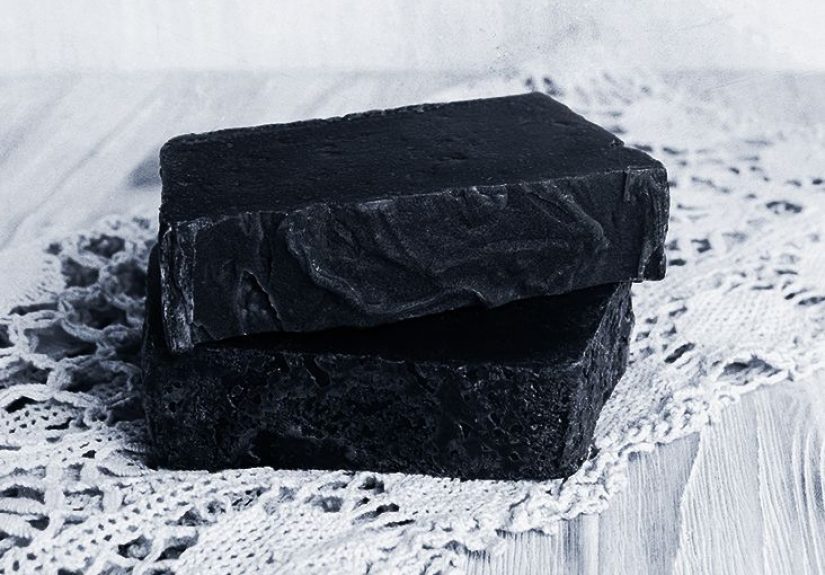
3) Soaps and bath solutions
Some people use coal tar in the bath for broader coverage or hard-to-reach areas. It can be a soothing add-on,
especially if scaling is widespread.
- Best for: diffuse scaling, “all-over” discomfort, gentle routine support
- Practical note: rinse the tub wellcoal tar loves surfaces
4) Compounded or prescription-strength preparations
Dermatologists sometimes recommend compounded coal tar preparations or specific vehicles (like foams) for tricky
areaspalms/soles, skin folds, or stubborn scalp disease. These can improve “stickiness” to the skin and make use
less annoying.
How to use coal tar (without ruining your favorite hoodie)
Always follow your product’s label and your clinician’s directions. The details matter, because coal tar is one of
those ingredients that can be gentle for some people and irritating for others.
Coal tar shampoo: a simple routine
- Wet hair and scalp with lukewarm water.
- Massage shampoo into the scalp (not just the hair).
- Let it sit for a few minutes if the label recommends contact time.
- Rinse thoroughly. Consider a second wash if instructed.
- Condition as needed (coal tar can be drying).
Frequency often lands around a few times per week, but label directions vary. More is not automatically better.
Coal tar creams/ointments for plaques
- Apply a thin layer to clean, dry skin on the affected patch.
- Wash hands afterward unless your hands are the treatment area.
- Let it absorb before dressingthis helps with staining.
- Use old clothing or cover treated areas with fabric you don’t mind sacrificing.
If your clinician suggests combining coal tar with another topical (like a corticosteroid or keratolytic),
follow their order and timing instructions. Some combinations are helpful; some are a recipe for irritation.
Safety: side effects, precautions, and the “cancer warning” question
Common side effects
Coal tar is often well-tolerated, but side effects can happenespecially on sensitive skin or with higher
concentrations. The most common complaints include:
- Irritation, burning, or stinging
- Dryness (scalp and skin)
- Folliculitis (pimple-like bumps around hair follicles)
- Contact dermatitis (a rash from irritation or allergy)
- Photosensitivity (skin may be more sun-sensitive)
- Staining of clothing, towels, beddingand sometimes light hair color
Who should be extra cautious (or avoid it)
- Pregnant or breastfeeding people: many clinical sources recommend avoiding coal tar due to limited safety data.
- Anyone with broken, infected, or severely inflamed skin: coal tar can sting and worsen irritation.
- People getting phototherapy: coal tar can affect sun/light sensitivity, so coordination matters.
The cancer-risk conversation: what to know without spiraling
Coal tar contains compounds (including polycyclic aromatic hydrocarbons) that raise understandable concernsplus
some products carry warning language in certain jurisdictions. Here’s the balanced takeaway:
- OTC coal tar products are regulated by concentration and are commonly used for psoriasis and scalp conditions.
-
Human observational research in psoriasis treatment has not consistently shown a meaningful increase in cancer risk
from therapeutic coal tar exposure when used as directed, including in regimens that combine tar with UVB under medical supervision. -
Risk depends on context: industrial exposure and long-term high-concentration exposures are not the same as consumer
use of labeled OTC products.
Bottom line: if you’re using coal tar exactly as labeled (or as your dermatologist directs), most experts consider it a reasonable
option for symptom control. If you’re uneasy, that’s validask your dermatologist about alternatives that fit your psoriasis severity,
your lifestyle, and your risk tolerance.
Tips to make coal tar easier to stick with
- Go “old towel” mode: use dark towels and pillowcases on treatment days.
- Start low and slow: lower concentrations and fewer applications can reduce irritation.
- Moisturize like it’s your job: pairing coal tar with a bland moisturizer can help dryness.
- Protect from sun: if you’re prone to sun sensitivity, cover treated areas and use sun protection.
- Use it where it shines: coal tar is often most satisfying for scalp flaking, itch relief, and stubborn scale.
When to see a dermatologist
Coal tar is a reasonable OTC tool, but psoriasis sometimes needs prescription-level treatment. Consider a dermatology visit if:
- Psoriasis is widespread, painful, or cracking/bleeding
- You have signs of infection (increasing redness, warmth, pus, fever)
- Scalp psoriasis is severe or causing noticeable hair shedding from inflammation/scratching
- You have joint pain or morning stiffness (possible psoriatic arthritis)
- OTC routines aren’t helping after a consistent trial
Coal tar compared with other psoriasis treatments
Other OTC options
- Salicylic acid: helps lift scale (often paired with other treatments)
- Moisturizers/emollients: reduce dryness and make plaques less angry
- Anti-itch ingredients: can improve comfort while other therapies do the heavy lifting
Prescription options (when OTC isn’t enough)
- Topical corticosteroids: reduce inflammation quickly
- Vitamin D analogs: help normalize skin cell growth
- Topical retinoids and calcineurin inhibitors: useful in select areas
- Phototherapy: controlled UVB exposure for more extensive disease
- Systemic medications/biologics: for moderate-to-severe psoriasis or psoriatic arthritis
FAQ
Is coal tar safe for long-term use?
Many dermatology sources consider coal tar acceptable for long-term use when used as directed, though individual tolerance varies.
If irritation or sensitivity develops, switching productsor switching strategiesmay be smarter than “pushing through.”
Can I use coal tar on my face?
Most people should avoid using coal tar on the face unless specifically directed by a clinician. Facial skin is more sensitive,
and irritation is more likely.
Does coal tar work for inverse psoriasis (skin folds)?
Sometimes, but skin folds are delicate and more prone to irritation. Many people do better with clinician-guided options for these
areas. If you try coal tar there, proceed with caution and stop if you get stinging or worsening redness.
Will coal tar stain everything forever?
Not foreverbut it can stain fabrics and discolor porous surfaces. Treat coal tar like a mischievous houseguest: give it boundaries.
Dark towels, old shirts, and thorough rinsing go a long way.
Real-world experiences with coal tar (what people often notice)
Coal tar tends to inspire strong opinions, which is impressive for a topical product. In everyday use, one of the first things people
mention is the smell. Some describe it as smoky or medicinal, others as “like a tire store had a baby with a campfire.” The funny part
is that many people still keep using itbecause when coal tar helps, it can help in a very satisfying way. The itch calms down. The flakes
don’t snow onto your shoulders as dramatically. The scalp feels less inflamed. Suddenly you’re willing to tolerate a little “vintage”
fragrance in exchange for peace.
The next big theme is trial-and-error. People often experiment with timing: leaving shampoo on for a few minutes versus
rinsing right away, using it two or three times per week instead of daily, or alternating it with a gentle non-medicated shampoo to prevent
dryness. For body plaques, some find that applying coal tar at night works best (and then showering in the morning), while others prefer a
short-contact approach to reduce staining. The practical hack that comes up again and again: designate “tar towels” and “tar pajamas,” because
nobody wants their best sheets to become a permanent art project.
People also talk about where coal tar fits in the bigger plan. Coal tar rarely becomes the only tool forever; it often becomes
the reliable sidekick. For example, someone might use coal tar shampoo to keep scalp symptoms in check while a dermatologist manages body plaques
with a prescription topical. Or coal tar might become the “maintenance” option used between flares. A common experience is that coal tar makes
plaques feel flatter and less itchy, which helps people stop scratchingan underrated benefit, because scratching can trigger more irritation and
worsen the cycle.
Another pattern: coal tar is often praised for scalp psoriasis. The scalp is tough territoryhair gets in the way, thick scale can
cling stubbornly, and flaking is visible in a way that feels unfair. When coal tar shampoo works, people often describe a noticeable reduction in
flakes and a calmer scalp within a couple of weeks of consistent use. Some also report that conditioning becomes essential because coal tar can make
hair feel dry or rough, especially with frequent washing.
Finally, some people try coal tar in more structured settings, like dermatologist-supervised regimens that combine coal tar with phototherapy.
In that context, experiences often include quicker improvement and longer stretches of clearer skinbalanced by the time commitment of regular
clinic visits. The consistent thread across most experiences is simple: coal tar can be inconvenient, but for the right person and the right pattern
of psoriasis, the payoff can feel worth it.
Conclusion
Coal tar is a classic psoriasis treatment with modern-day staying power. It can help reduce itching, scaling, and plaque thickness, and it’s widely
available in shampoos and topical productsespecially useful for scalp psoriasis and localized flare-ups. The trade-offs are real (odor, staining,
and the possibility of irritation), but with smart use and realistic expectations, coal tar can be a practical part of a psoriasis routine.
If coal tar isn’t cutting itor if your psoriasis is widespread, painful, or affecting your jointstreat that as a signal, not a defeat.
Dermatologists have a deep bench of options, from prescription topicals to phototherapy to systemic treatments. Your skin doesn’t need perfection.
It needs a plan that works in real life.