Table of Contents >> Show >> Hide
- What Is Costco’s Solitude Shed?
- Why the Electricity Feature Matters
- What Comes With the Costco Studio Shed Package?
- How Big Is the Solitude Shed?
- How Much Does Costco’s Solitude Shed Cost?
- Permit, Foundation, and Electrical Considerations
- Is It Better Than a Traditional Home Addition?
- Who Should Consider Buying It?
- Design Ideas for a Costco Solitude Shed
- Important Buying Tips Before You Order
- Real-Life Experience: What It Feels Like to Own a Backyard Solitude Shed
- Final Verdict: Is the Costco Solitude Shed Worth It?
Note: Product details, pricing, features, and installation requirements may vary by location, Costco membership access, local building rules, and current promotions. Always verify the latest specifications with Costco, Studio Shed, your local building department, and a licensed electrician before purchasing.
Costco has done it again. The same place where shoppers go in for paper towels and somehow leave with a rotisserie chicken, a kayak, and enough trail mix to survive a friendly apocalypse is now offering something much more ambitious: a backyard “Solitude Shed” that comes with electricity. Yes, electricity. Not just four walls and a roof where spiders can hold staff meetings, but a finished backyard studio designed to function like a real extra room.
The Costco Solitude Shed is part of the larger Studio Shed offering available through Costco Next, a member-focused marketplace that connects Costco shoppers with special values from select brands. Studio Shed is known for prefab backyard studios, home offices, creative spaces, workout rooms, and small accessory structures that feel far more polished than the average storage shed. In other words, this is not where you exile the lawn mower. This is where you send yourself when the house gets too loud, the kitchen table becomes a paperwork battlefield, or your “quick Zoom call” needs fewer barking dogs and fewer mysterious blender noises.
The headline feature is simple: the shed can include a finished interior package with insulation, drywall, flooring, lighting, and an electrical package. That instantly separates it from standard backyard storage sheds. A typical shed gives you shelter. This gives you the starting point for a backyard office, reading room, art studio, hobby zone, yoga corner, music space, gaming den, or peaceful mini-retreat where no one asks where the scissors are.
What Is Costco’s Solitude Shed?
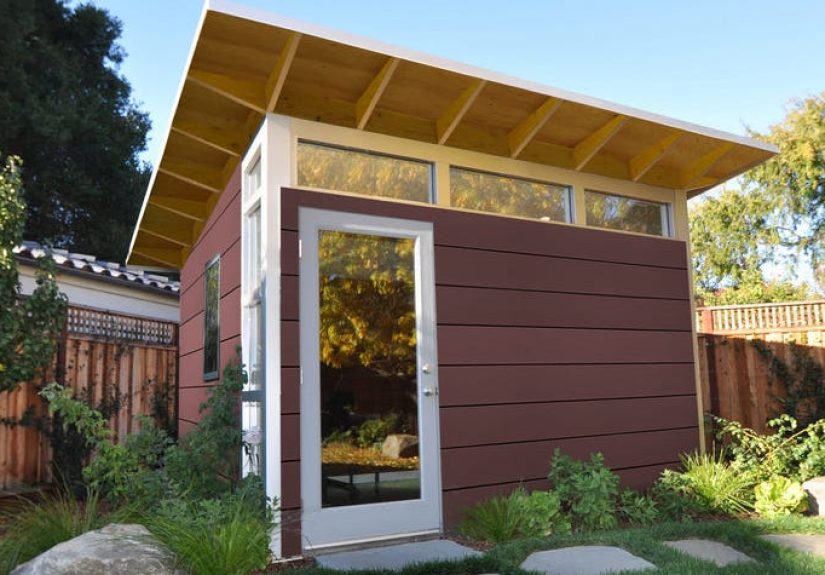
The “Solitude Shed” is best understood as a compact prefab backyard studio. The popular 10-by-12-foot configuration gives homeowners about 120 square feet of usable space, which is roughly the size of a small bedroom, a generous office, or the amount of floor space your dog believes it legally owns. Depending on the selected model and configuration, Studio Shed designs may include modern siding options, customizable exterior colors, trim choices, finished flooring, windows, doors, insulation, drywall, and electrical components.
Unlike a basic shed kit that arrives as a pile of boards and a test of your marriage, Studio Shed products are designed to feel more like a structured home improvement project. Costco’s product listing emphasizes that these sheds are meant to be more affordable than a home addition or renovation, built with durable and energy-conscious materials, and customizable for uses such as a home office, art studio, backyard gym, she shed, or man cave.
The real appeal is that it solves a modern problem: many people need more functional space, but they do not necessarily want to remodel the house, move, or turn the guest bedroom into a permanent office cave. A backyard studio creates separation without requiring a commute. It is close enough to grab coffee, but far enough from household chaos to make work or relaxation feel intentional.
Why the Electricity Feature Matters
A shed with electricity changes the conversation. Without power, a backyard shed is useful for storage, gardening tools, seasonal decor, and possibly hiding from chores for three minutes. With an electrical package, it becomes a real usable space. Lighting makes evening work possible. Outlets support laptops, chargers, printers, lamps, speakers, craft tools, or a small fan. A sub-panel and proper wiring setup can make the structure feel less like an outdoor box and more like a room with a mailing address in your imagination.
Studio Shed’s current Signature-style interior package lists insulation, finished flooring, an electrical package with interior and exterior fixtures, a sub-panel, and painted interior drywall when professional assembly is purchased. That combination is important because comfort is not created by a pretty exterior alone. A backyard office needs lighting, temperature control planning, wall finishing, flooring, and safe power access. Otherwise, it becomes a place where productivity goes to wear a hoodie and complain.
However, buyers should understand one key detail: “comes with electricity” does not mean you can drop the shed into the yard and immediately plug in twelve monitors, a space heater, and a popcorn machine. Local electrical connection, permitting, trenching, inspection, panel capacity, and code requirements may still apply. In many areas, a licensed electrician will need to connect the shed safely to the home’s electrical system. That is not the fun part, but it is the part that keeps your backyard dream from becoming a fireworks demonstration.
What Comes With the Costco Studio Shed Package?
Exact features depend on the selected design, location, and current Costco Next offer, but the appeal of the Solitude-style Studio Shed package is that it can go far beyond a simple shell. Commonly highlighted features include shipping, customizable design choices, insulation, drywall, flooring, electrical and lighting components, and options related to professional installation. Some coverage of the Costco Studio Shed line has described the package as including installation, shipping, finished interiors, drywall, insulation, and a full lighting and electrical package.
For homeowners comparing this with a standard shed, the difference is dramatic. A storage shed usually starts with “Where will I put the rake?” A finished backyard studio starts with “Could this be my office, gym, art space, podcast room, guest overflow zone, or reading nook where I pretend I cannot hear anyone calling my name?”
Common Uses for a Solitude Shed
The most obvious use is a backyard office. Remote and hybrid work have made the home office more important than ever. Census data has shown that the share of Americans working from home remains far higher than it was before 2020, even as some workers return to offices. That makes the backyard office shed more than a cute trend. For many households, it is a practical response to the reality that work, school, hobbies, pets, laundry, and family life are now all competing for the same square footage.
But an office is only one option. The Costco Solitude Shed can also work as a creative studio for painting, sewing, music, writing, photography, or crafting. It can become a backyard gym where your yoga mat no longer has to share territory with cereal crumbs. It can function as a teen study space, a meditation room, a hobby workshop, or a quiet retreat for reading. It could even become a polished “do not disturb unless there is cake” room.
How Big Is the Solitude Shed?
The most talked-about Solitude configuration is 10 feet by 12 feet, or about 120 square feet. That size is popular because it is large enough to hold a desk, chair, shelves, storage, and a small sitting area, yet still compact enough for many backyards. Some reporting on the Studio Shed line has noted size ranges extending from 10-by-12 feet up to larger configurations such as 16-by-16 feet, depending on model availability and customization options.
A 10-by-12-foot room may not sound enormous, but good design stretches space. A wall-mounted desk, slim storage cabinet, foldable chair, vertical shelving, and a bright rug can make the studio feel surprisingly roomy. Add windows and a glass door, and the space avoids the “fancy closet” problem. The trick is to treat it like a small room, not a garage annex. Every item needs a reason to be there. If it does not help you work, relax, create, or breathe, it can stay in the house with the junk drawer.
How Much Does Costco’s Solitude Shed Cost?
Pricing can change, and Costco Next offers may vary, but the Solitude-style Studio Shed has appeared in the mid-$20,000 range for some 10-by-12 configurations, with larger and more finished models costing more. Some Studio Shed options and related backyard studio models can climb significantly depending on size, professional installation, foundation needs, finish level, and upgrades. This is not a $799 plastic shed from aisle “Weekend Regret.” It is a serious home improvement purchase.
That said, it may still be more affordable and less disruptive than building a traditional home addition. A home addition often involves design work, demolition, framing, roofing, mechanical systems, inspections, weeks or months of contractor coordination, and the special joy of living inside a dust cloud. A prefab backyard studio can simplify the process by packaging the building design and components into a more predictable system.
The smartest way to evaluate the price is to compare the total project cost, not just the sticker price. Buyers should budget for site preparation, foundation, permits, HOA approvals, electrical connection, possible HVAC, internet setup, pathways, steps, landscaping, furniture, and accessories. The shed itself may be the star of the show, but the supporting cast can affect the final bill.
Permit, Foundation, and Electrical Considerations
Before ordering a Costco Solitude Shed, homeowners should check three things: local building rules, foundation requirements, and electrical access. Many municipalities have different rules for accessory structures based on square footage, height, use, setbacks, utilities, and whether the structure is considered storage, office, conditioned space, or habitable space. A 120-square-foot shed may be treated differently from a larger studio, but adding electricity can trigger separate electrical permits or inspections.
Do not assume “small” means “no paperwork.” Local zoning may control how close the shed can sit to property lines, fences, easements, trees, or other structures. HOA rules may control exterior colors, rooflines, visibility, and placement. If you live somewhere with snow loads, high winds, wildfire rules, or strict energy codes, the requirements may be more detailed. The shed may be cute, but building departments are not known for saying, “Aww, it has nice windows, go ahead.”
The foundation also matters. A finished studio needs a level, stable base. Depending on the model, location, and installer, that may involve a concrete slab, wood frame floor, piers, gravel pad, or another approved foundation approach. Poor site prep can lead to doors that do not close properly, water issues, uneven floors, and the slow realization that “good enough” was not, in fact, good enough.
Is It Better Than a Traditional Home Addition?
For many homeowners, yesbut only for the right use case. A backyard studio is not a replacement for a full bedroom suite, kitchen expansion, or legal dwelling unit unless it is specifically designed, permitted, and equipped for that purpose. But for a home office, creative studio, personal retreat, or hobby room, it can be a far cleaner solution than remodeling the main house.
The biggest advantage is separation. Better Homes & Gardens has described the backyard office as a way to separate home life from work without adding a real commute. That is the magic. You leave the house, walk a few steps, and mentally switch modes. The kitchen is no longer your conference room. The couch is no longer your productivity trap. The laundry pile loses its ability to stare at you during spreadsheets.
The second advantage is speed and predictability. A prefab system does not eliminate every complication, but it can reduce decision fatigue. Instead of designing a room from scratch, buyers choose from a structured set of models, finishes, colors, doors, and interior options. For people who want a polished result without becoming amateur general contractors, that is a major selling point.
Who Should Consider Buying It?
The Costco Solitude Shed makes the most sense for homeowners who already have usable yard space, a realistic budget, and a clear purpose for the room. It is ideal for remote workers who need privacy, creatives who need a dedicated zone, parents who want a quiet retreat, fitness lovers who want a small gym, or anyone whose current “office” is the corner of the dining table next to a suspiciously sticky placemat.
It may not be the right choice for renters, people with tiny yards, strict HOA limitations, uncertain property lines, difficult utility access, or budgets that do not allow for site work and add-ons. It is also not ideal if you need plumbing, sleeping space, a legal rental unit, or a full ADU. Those uses require a more complex design, additional permits, and usually a much larger budget.
Design Ideas for a Costco Solitude Shed
Backyard Office
Place a compact desk near a window, add ergonomic seating, install layered lighting, and keep storage vertical. A small bookshelf, sound-absorbing rug, and wireless printer station can make the shed feel like a real office rather than a laptop placed inside a decorative box.
Creative Studio
Artists and makers can use one wall for supplies, one wall for work surfaces, and the center of the room for flexible movement. Good lighting is essential. If the shed has electricity, task lamps and charging stations become easy to manage.
Reading Retreat
A lounge chair, side table, soft lamp, bookshelves, and a small electric fireplace-style heater can turn the shed into a cozy escape. Add curtains or shades for privacy, and suddenly the backyard becomes a tiny library with better snacks.
Fitness or Wellness Room
For yoga, stretching, strength training, or meditation, keep the layout simple. Use rubber flooring or a large mat, add mirrors carefully, and make sure ventilation and temperature control are part of the plan. Nobody wants a wellness room that feels like a toaster with siding.
Important Buying Tips Before You Order
First, measure your yard carefully. Include setbacks, gate access, slope, drainage, trees, utility lines, and the route installers may need to move materials. A shed that looks perfect online can become complicated if the only backyard access is a narrow side gate guarded by a rose bush with anger issues.
Second, confirm what is included and what is not. Ask about the foundation, electrical connection, permitting documents, professional assembly, interior finish, paint, flooring, HVAC, steps, delivery restrictions, and warranty details. Costco is known for value, but installed and custom products often come with specific exceptions and limitations.
Third, plan for comfort. If you want to use the shed year-round, insulation is only part of the equation. You may need heating, cooling, ventilation, blinds, weather sealing, and internet. A beautiful shed without climate control can become a seasonal monument to optimism.
Real-Life Experience: What It Feels Like to Own a Backyard Solitude Shed
Imagine walking out of your house in the morning with coffee in hand. You are technically commuting, but the journey takes twenty seconds and involves no traffic unless your dog blocks the path. You unlock the Solitude Shed, step inside, turn on the lights, and sit down at a desk that does not have cereal bowls, mail, or someone’s abandoned homework on it. The room is quiet. The Wi-Fi works. The outlets are where you need them. For once, your workday begins without negotiating for table space.
That is the emotional promise of a backyard studio. It gives you a boundary. When work happens inside the house, the day can blur together. Emails sneak into dinner. Laundry interrupts planning. The refrigerator becomes your most loyal coworker. A separate shed creates a ritual: leave the house, enter the work zone, finish the day, lock the door, and return home. It sounds simple, but that physical separation can make remote work feel healthier and more structured.
For creative users, the experience can be even better. A painter can leave supplies arranged without clearing the table before dinner. A writer can build a distraction-free nest. A crafter can organize tools without turning the living room into a glitter crime scene. Musicians, podcasters, and content creators may still need acoustic treatment, but having a dedicated room is a huge first step.
Families may find that the Solitude Shed becomes the most popular room no one expected. One person may use it for work during the day, another for reading in the evening, and someone else for weekend hobbies. The key is setting rules early. Otherwise, the “quiet studio” becomes overflow storage, then gift-wrap headquarters, then a mysterious place where old lamps go to retire.
There are also practical lessons. A small studio needs ruthless organization. A 120-square-foot room feels generous when it is empty and surprisingly snug once you add a desk, chair, shelves, heater, rug, plants, and the three boxes you swore would only stay there “temporarily.” Choose furniture carefully. Use wall-mounted storage. Keep cables tidy. Add hooks. Avoid oversized furniture unless your design goal is “executive office inside a shoebox.”
Lighting matters more than people think. Built-in lighting gives the room a functional base, but task lighting makes it comfortable. A desk lamp, floor lamp, or warm accent light can shift the mood from corporate cubicle to personal retreat. Window coverings matter too. They reduce glare, improve privacy, and help the shed feel finished.
Internet is another must-plan item. Some homeowners can extend Wi-Fi from the house with a mesh system. Others may need a wired Ethernet run, outdoor-rated equipment, or professional networking help. Nothing ruins the dream faster than joining a video call from your beautiful new studio and freezing mid-sentence like a haunted portrait.
Finally, the biggest experience-related benefit may be psychological. A Solitude Shed gives adults permission to have a room with a purpose. Not a corner. Not a shared surface. Not a laptop balanced next to groceries. A real space. Whether that space is used for work, art, wellness, reading, or simply being unavailable for ten blessed minutes, the value is not only in the square footage. It is in the peace.
Final Verdict: Is the Costco Solitude Shed Worth It?
The Costco Solitude Shed is worth serious consideration if you want a polished backyard studio with a finished feel and electrical capability, and if your property, budget, and local rules support the project. It is not cheap, and it is not as simple as buying a patio chair. But compared with building a traditional addition or converting part of your home, it offers a compelling middle path: more space, more privacy, and less disruption.
The best buyer is someone who knows exactly how the shed will be used and is willing to handle the less glamorous details: permits, foundation, electrical connection, climate control, internet, and site preparation. The worst buyer is someone who clicks “buy” after one cup of coffee and a dream of becoming a backyard minimalist by Tuesday.
Costco’s Solitude Shed works because it taps into something very modern: the need for a small, separate, functional place to think. Whether you call it a backyard office, she shed, man cave, creative studio, or personal hideout, the idea is the same. Sometimes the best room in the house is not in the house at all.