Table of Contents >> Show >> Hide
- What Is Cracker Candy, Exactly?
- Why It’s the Ultimate Shareable Sweet
- The Simple Formula That Never Fails
- How to Make Cracker Candy (Step-by-Step)
- Why It Sometimes Goes Wrong (And How to Fix It)
- Flavor Variations That Keep It Exciting
- Make-Ahead, Storage, and Gifting Tips
- Serving Ideas Beyond “Eat It Standing at the Counter”
- Safety and Allergy Notes (Because Sugar Is Hot, Literally)
- Final Thoughts: The Easiest Crowd-Pleaser in Your Dessert Arsenal
- What It’s Like in a Real Kitchen: of “Experience” Notes
- The pan matters more than you’d think
- Foil vs. parchment is a personality quiz
- “Boil for three minutes” feels vague until you watch the bubbles
- Chocolate spreads best when you’re calmly decisive
- Breaking technique is half the fun
- Flavor tweaks people actually notice
- Sharing is easy… until you realize you want to keep it
Some desserts are fancy. Some desserts are fussy. And then there’s cracker candyan unapologetically snacky, sweet-salty, break-into-shards treat that disappears from party platters the way socks disappear in the laundry: quickly, mysteriously, and with zero remorse.
If you’ve ever wanted a dessert that feels like a holiday cookie exchange, a bake-sale fundraiser, and a “just one more piece” situation all rolled into one… congratulations. You’ve found it. Cracker candy (often called saltine toffee, toffee bark, or “Christmas cracker candy”) is the kind of recipe that makes people ask, “Waitthis is made with crackers?” right before they ask for the recipe.
What Is Cracker Candy, Exactly?
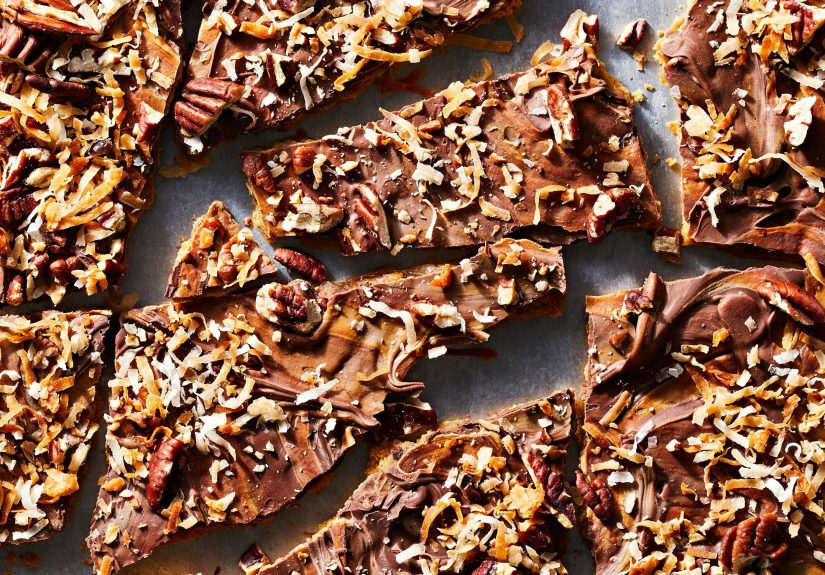
Cracker candy is a layered, baked (or quickly cooked) candy bark built on a crisp cracker base, topped with a buttery caramel-toffee layer, finished with melted chocolate, and then optionally “decorated” with whatever makes your heart singnuts, sprinkles, crushed peppermint, flaky sea salt, or even pretzel bits for extra crunch.
It’s sometimes nicknamed “Christmas crack” because it’s traditionally made around the holidays and broken into pieces. These days, lots of folks prefer the more straightforward name cracker candysame delicious result, fewer awkward conversations at the dessert table.
Why It’s the Ultimate Shareable Sweet
1) Sweet + salty is a winning combo
The crackers bring salt and crunch, the toffee layer brings deep caramel flavor, and the chocolate adds that familiar, crowd-pleasing richness. Together, it hits the snack sweet spot: sweet enough to feel like dessert, salty enough to keep you reaching for “one more.”
2) The texture does the heavy lifting
Great desserts aren’t just about flavorthey’re about contrast. Cracker candy has it all: crisp base, slightly chewy or snappy caramel-toffee, smooth chocolate, and crunchy toppings. It’s the edible version of a satisfying playlist: something for everyone, no skips.
3) It’s made for gifting and gatherings
Unlike frosted cakes that need careful transport or cookies that crumble if you look at them wrong, cracker candy is sturdy. It stacks neatly in tins, travels well to potlucks, and looks festive with minimal effort. It also scales up easily for cookie trays, office parties, and “I forgot I promised to bring dessert” emergencies.
The Simple Formula That Never Fails
Cracker candy is less a strict recipe and more a dependable blueprint:
- Base: crackers arranged edge-to-edge (saltines are classic)
- Toffee layer: butter + sugar cooked briefly until bubbly and glossy
- Chocolate layer: chips or chopped chocolate melted and spread
- Toppings: optional, but highly encouraged
Pick your cracker base
Saltines are the iconic choice because they’re thin, crisp, and nicely salty. But you can absolutely riff: graham crackers for a sweeter base, buttery round crackers for a richer bite, matzo for a holiday-adjacent twist, or even a mix of crackers, pretzels, and sturdy chips for a snack-board vibe.
Choose chocolate like you mean it
Semisweet chocolate is the crowd-pleaser. Dark chocolate makes the whole thing taste more “grown-up,” while milk chocolate leans nostalgic. White chocolate is best as a drizzle or accent unless you truly enjoy living on the edge of sweetness. If you want cleaner melting and a smoother top, chopped chocolate can spread more easily than chips.
Toppings: your five-second personality test
Toppings are where cracker candy becomes your cracker candy. Some favorites:
- Nuts: chopped pecans, almonds, or peanuts for classic crunch
- Flaky sea salt: makes everything pop and tastes fancy with zero effort
- Peppermint: crushed candy canes for holiday sparkle
- Toffee bits: because more toffee is never the wrong answer
- Sprinkles: for birthdays, baby showers, or “Tuesday needed joy”
- Dried fruit: chopped cranberries or apricots for a sweet-tart twist
How to Make Cracker Candy (Step-by-Step)
Below is a classic, dependable method that matches how most U.S. test kitchens and home bakers do it. No candy thermometer requiredjust attention, a timer, and the willingness to stir like you’re making a point.
Ingredients (one standard jelly roll pan batch)
- About 35–40 saltine crackers (enough to cover a rimmed baking sheet)
- 1 cup (2 sticks) butter
- 1 cup packed brown sugar (or 3/4 to 1 cup white sugar, depending on your preferred style)
- 2 cups semisweet chocolate chips (or chopped chocolate)
- Optional toppings: chopped toasted nuts, flaky sea salt, sprinkles, crushed peppermint, toffee bits
Step 1: Prep the pan like you love yourself
Preheat your oven to 325°F–350°F. Line a rimmed baking sheet with foil or parchment. (Foil is great for easy lift-out; parchment is great for easy cleanup. Either way: line it. Future-you will be grateful.)
Arrange crackers in a single, tight layer. You want a cracker “floor” with minimal gaps so the toffee spreads evenly.
Step 2: Make the quick toffee
In a saucepan, melt butter and brown sugar together over medium heat, stirring until smooth. Once it comes to a steady bubble, cook for about 3 minutes, stirring gently and consistently. You’re looking for a glossy, cohesive mixture that smells like caramel and ambition.
Step 3: Pour, spread, and bake briefly
Carefully pour the hot toffee over the crackers and spread quickly with an offset spatula or the back of a spoon. Don’t stress about perfectiononce it heats in the oven, it will settle.
Bake for about 5 minutes, just until the toffee looks actively bubbly. This helps the layers fuse and makes the final candy easier to break cleanly.
Step 4: Add chocolate and smooth it out
Remove the pan from the oven and immediately sprinkle chocolate on top. Let it sit for 1–2 minutes to soften, then spread into an even layer. Add your toppings while the chocolate is still warm so they stick.
Step 5: Chill, break, and “accidentally” taste-test
Chill until fully set (refrigerator is fastest). Once firm, lift the slab out and break into pieces. Aim for irregular shardscracker candy looks charming when it’s a little rustic. Like a dessert that also owns boots.
Why It Sometimes Goes Wrong (And How to Fix It)
Cracker candy is easy, but it’s still a sugar-and-butter situationmeaning it occasionally tries to humble us. Here’s how to keep the peace.
Problem: The toffee looks greasy or “separated”
This usually happens when the mixture heats too aggressively or unevenly, or when the temperature changes too suddenly. Use medium heat, stir steadily, and avoid rushing the boil. A heavier-bottomed saucepan helps prevent hot spots. If it starts to split, remove from heat and stir vigorously to encourage it to come back together before proceeding.
Problem: Grainy toffee
Graininess can come from sugar crystallization. Keep the sides of your pan clean, don’t scrape sugar crystals down into the mixture, and avoid overly vigorous agitation once it’s boiling. If you’ve got a humid kitchen, candy can be extra finickyconsider running the A/C or choosing a less tropical day.
Problem: Chocolate layer peels off
Chocolate can separate if the toffee cools too much before the chocolate is spread, or if the chocolate sets too quickly. The fix is simple: spread the chocolate while the toffee is still warm, and consider using chopped chocolate for a smoother melt. If needed, a quick warm-up (brief oven time) can help the top layer bond.
Problem: Soggy pieces
Sogginess usually means the candy absorbed moistureoften from warm storage or a loosely covered container. Cool completely before storing and keep it in an airtight container. If your house is humid, fridge storage can help preserve snap (just let pieces sit a few minutes before serving for best texture).
Flavor Variations That Keep It Exciting
Once you learn the base method, cracker candy becomes a choose-your-own-adventure dessert. Try these crowd-friendly spins:
Dark chocolate + pepitas + toffee bits
Dark chocolate balances the sweetness, pepitas add crunchy “green” energy, and toffee bits double down on the caramel vibe. It tastes like a fancy candy bar that got promoted to party dessert.
Peppermint holiday bark
Use semisweet chocolate and sprinkle crushed peppermint candies on top. For extra flair, drizzle with melted white chocolate once set. It’s basically winter in snack form.
S’mores cracker candy
Start with graham crackers, use milk chocolate, and top with mini marshmallow bits (or tiny marshmallows added after baking so they don’t disappear). It’s campfire nostalgia without the smoky hoodie.
Potato chip + pretzel “snack board” version
Mix sturdy rectangular crackers with pretzels and a handful of thick chips, then proceed as usual. You get salty crunch in multiple shapes, which feels dangerously snackable in the best way.
Nut-free, school-safe-ish twist
Skip nuts and use sprinkles, crushed cereal, or toasted seeds. Always double-check labels if you’re baking for allergy-sensitive settings.
Make-Ahead, Storage, and Gifting Tips
Cracker candy is a planner’s dream. Make it a day or two before your event, keep it airtight, and you’re set.
- Room temp: Great if your kitchen is cool and dry; store airtight so it stays crisp.
- Refrigerator: Helps it set quickly and stay snappy in humid climates.
- Freezer: Works for longer storage; thaw briefly before breaking or serving to reduce layer separation and keep the bite pleasant.
For gifting, pack pieces in parchment-lined tins or small cellophane bags. Add a label that says “sweet-salty cracker candy” and watch people suddenly treat you like you run a boutique bakery.
Serving Ideas Beyond “Eat It Standing at the Counter”
Cracker candy is perfectly happy as a standalone treat, but it also plays well with others:
- Break into small bits and sprinkle over ice cream for instant toffee crunch.
- Use as a topping for brownies or blondies right before serving.
- Serve alongside fruit (strawberries, apple slices) for a sweet-salty contrast.
- Add to cookie trays to bring a “different texture” option that stands out.
Safety and Allergy Notes (Because Sugar Is Hot, Literally)
The toffee stage involves very hot sugar and butter. Pour carefully, keep kids at a safe distance during cooking, and avoid touching the mixture until it’s fully cooled and set. Also, cracker candy commonly includes dairy (butter, chocolate) and may include nutslabel clearly when sharing or gifting.
Final Thoughts: The Easiest Crowd-Pleaser in Your Dessert Arsenal
Cracker candy earns its popularity the old-fashioned way: it tastes amazing, it’s low-stress, and it makes people happy. It’s the sweet treat you can bring to a party without worrying about slicing, plating, or explaining. Break it, box it, share itand prepare for the inevitable: someone will ask you to bring it again.
What It’s Like in a Real Kitchen: of “Experience” Notes
Cracker candy is famously forgiving, but the little real-world details are what separate “pretty good” from “why is everyone hovering near the dessert?” These are the most common experiences home bakers reportand the practical tweaks that make a batch feel effortless.
The pan matters more than you’d think
A rimmed baking sheet (often called a jelly roll pan) is the sweet spot: it holds the toffee in place and gives you enough surface area for clean, even coverage. If your pan is too large, the toffee layer can get thin and patchy. If it’s too small, the toffee may pool and create thick spots that are harder to bite through. Many bakers keep it simple: use the same pan every year so the cracker count becomes muscle memory.
Foil vs. parchment is a personality quiz
Foil makes lifting the candy out feel like unwrapping a giant gift. Parchment peels away with minimal drama. The common “aha” moment? If you skip lining, you will spend quality time scraping caramelized sugar off a pan while questioning your choices. Lining is not optional; it’s self-care.
“Boil for three minutes” feels vague until you watch the bubbles
People often worry they’ll undercook or overcook the toffee. The most helpful cue isn’t panicit’s observation. Once the mixture becomes uniformly bubbly and glossy, the timer matters. Too short and the layer can stay softer and stickier; too long and it can taste slightly bitter or set too hard. The happy medium is a confident simmer with steady stirring, not a chaotic lava eruption.
Chocolate spreads best when you’re calmly decisive
A classic experience: you sprinkle chips, walk away for “just a second,” and come back to partially melted chocolate that spreads like cold peanut butter. The fix is timing. Let the heat do its job for a minute or two, then spread while everything is warm. If it still resists, a brief warm-up helpseither a short return to the oven or gentle heat that softens the chocolate without scorching it.
Breaking technique is half the fun
Cracker candy is supposed to look like shards. That’s not a flawit’s the charm. If you want cleaner pieces, chill thoroughly first and use a large knife to score before snapping. If you want rustic candy bark energy, just crack it with your hands. Either way, expect “quality control” crumbs. The snack tax is real.
Flavor tweaks people actually notice
The most compliment-generating upgrades tend to be tiny: a pinch of flaky sea salt on top, lightly toasted nuts (instead of raw), or mixing chocolates (semisweet base with a white-chocolate drizzle). These changes don’t complicate the recipethey just make it taste like you planned it, even if you made it between emails.
Sharing is easy… until you realize you want to keep it
The funniest, most universal experience is the “gift tin problem”: you pack a container for friends, then keep “fixing” it by adding a few more pieces, then suddenly the tin is empty and you’re back at the oven making another batch. The practical workaround is to make a double batch upfrontone for sharing, one for “taste-testing,” which is definitely a culinary term and not an excuse.