Table of Contents >> Show >> Hide
- Why Are We Talking About Scissors Like They’re a Luxury Item?
- Quick Snapshot: What You’re Getting
- What Makes CDT Scissors Different (Besides Looking Cool on Your Desk)
- The Matte Black Secret Weapon: Fluorine Coating
- How They Perform Across Common Tasks
- Comfort, Control, and the “Desk Tool” Factor
- Care and Maintenance: Keep Them Sharp (and Not Sticky)
- Who These Scissors Are Perfect For (and Who Should Pass)
- Comparisons: Where CDT Fits in the Scissor Universe
- Real-World Experiences: of “Yep, This Is My Personality Now”
- Conclusion
A pair of scissors that looks like it could slice open a letter… or a plot twist.
Why Are We Talking About Scissors Like They’re a Luxury Item?
Because the Craft Design Technology Stainless Steel Scissors (Black) are not the sad, wobbly, drawer-bottom scissors that chew paper and leave your wrapping jobs looking like you fought a raccoon. These are the “pick me up and you’ll immediately stand a little straighter” kind of scissorsminimalist, weighty, and oddly satisfying in the hand.
Craft Design Technology (often shortened to CDT) is known for taking everyday tools and giving them a refined, design-forward glow-upwithout forgetting the part where the tool actually has to work. This particular pair is famous for its matte black finish, clean silhouette, and the kind of cut that makes you want to snip things you don’t even need to cut. (Please don’t cut your credit cards just to “see how it feels.”)
Quick Snapshot: What You’re Getting
If you like your research served like a neat charcuterie boardhere’s the bite-sized overview before we go deep.
- Material: Stainless steel construction (blades and body/handle feel premium and solid).
- Finish: Matte black fluorine coating (helps reduce sticky buildup when cutting tape).
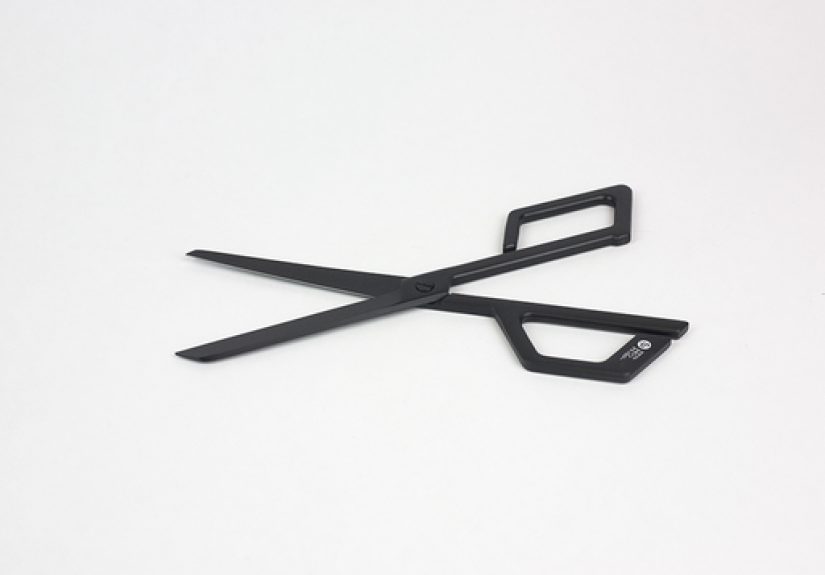
- Design: Clean, “desk sculpture” profileoften described as sword-inspired.
- Usability: Ambidextrous-friendly, comfortable for right- or left-handed cutting.
- Size: Roughly 7–8.5 inches long (varies slightly by retailer’s measurement style).
- Build detail: Screw/pivot construction for durability and serviceability.
What Makes CDT Scissors Different (Besides Looking Cool on Your Desk)
1) A “One-Piece” Visual That Feels Intentional
Most scissors look like a committee designed them in a rush: plastic loops, shiny blades, random colors, and the general vibe of a freebie from a corporate training. CDT’s black stainless steel scissors, by contrast, look considered. The silhouette is streamlined, the edges are crisp, and the matte black finish quietly says, “Yes, I alphabetize my spice rack.”
2) Ambidextrous Design That Doesn’t Feel Like an Afterthought
A lot of “universal” scissors are technically usable with either hand, but only one hand gets the good experience. CDT’s approach leans into a balanced, symmetrical feelso left-handed users aren’t stuck wrestling the blades like they’re trying to open a stubborn jar with wet hands.
3) Built Like a Tool You’ll Keep (Not Replace Every Semester)
The stainless steel body gives these scissors a satisfying heft. Not “paperweight by accident” heavymore like “this won’t flex when I cut thick cardstock” heavy. And because the pivot uses a screw rather than a flimsy rivet, it’s easier to maintain over time, and the scissors feel like they were made for the long haul.
The Matte Black Secret Weapon: Fluorine Coating
Let’s talk about the part most people fall in love with after their first week: the fluorine coating. If you’ve ever cut tape, labels, or sticky-back anything with normal scissors, you know the punishment. Adhesive creeps onto the blades, cutting turns gummy, and suddenly your “sharp” scissors feel like they’re trying to chew through taffy.
A fluorine-based non-stick coating is a common solution in the broader scissor world because it helps keep adhesives from clinging as aggressively. CDT uses that idea in a more elevated packageso you can cut tape for gift wrap, packaging, or craft projects without immediately needing an emergency cleaning session.
What this means in real life
- Cleaner tape cuts: Less drag and fewer “sticky hiccups” mid-cut.
- Less residue buildup: You’ll still clean your scissors (you’re civilized), but less often.
- More predictable slicing: Especially noticeable when trimming clean edges on paper crafts.
It’s not magic. If you spend an afternoon cutting double-sided tape like it’s your full-time job, you’ll eventually get some residue. But compared to bare metal blades, this coating tends to be far less clingyand that’s the difference between a smooth workflow and a sticky spiral.
How They Perform Across Common Tasks
Paper, Cardstock, and Stationery Projects
This is CDT’s comfort zone. Whether you’re trimming envelopes, shaping paper for scrapbooking, or cutting clean lines for a collage, the blades feel crisp and controlled. The weight helps stabilize the cut so you don’t get that “skating” sensation cheap scissors have on thicker paper.
If you’re the type who makes your own gift tags and insists they be “just slightly off-white,” these scissors fit that personality perfectly.
Gift Wrap and Packaging
Wrapping paper can be deceptively tricky. It’s thin, it slides, and it tears if your scissors are dull or snaggy. CDT’s sharp edge and smooth action help keep long cuts cleaner. Add the non-stick coating and you can bounce between cutting paper and slicing tape without your blades turning into a glue trap.
Light Craft Materials (Washi Tape, Vinyl Stickers, Labels)
This is where the black coating earns its paycheck. Cutting sticky materials is exactly when standard scissors start to feel gross. With CDT, you’re more likely to keep a consistent cutting feel for longerso your work stays tidy and your patience stays intact.
Fabric, Thread, and Sewing Use
You can cut thread and light fabric, but a quick PSA from the crafting universe: if you’re serious about sewing, keep dedicated fabric shears for fabric. Using general-purpose scissors on fabric can dull blades faster, and using fabric shears on paper is a sewing-room crime that may cause dramatic gasps.
That said, CDT scissors can be a solid “desk-side helper” for snipping loose threads, cutting interfacing in a pinch, or trimming patternsespecially if your main shears are safely stored away from curious hands.
Comfort, Control, and the “Desk Tool” Factor
One reason people keep coming back to these scissors is the way they feel. The handle openings are designed to be comfortable for everyday tasks, and the overall balance is more “precision instrument” than “classroom supply bin.”
Also: they look fantastic sitting out. If you’re building a thoughtful workspacewhether that’s a home office, a studio corner, or a “this is where I pretend I’m organized” deskthese scissors pull their weight as functional decor.
In other words, they cut well and they also photograph well. It’s okay. We all contain multitudes.
Care and Maintenance: Keep Them Sharp (and Not Sticky)
Premium scissors deserve basic maintenance. Not a spa day with candlesjust a couple habits that keep the action smooth and the blades clean.
Cleaning adhesive residue
If you do get sticky buildup (because life includes tape), start simple: warm water and mild soap, then dry thoroughly. For stubborn residue, many cleaning guides recommend using appropriate solvents carefully (in a ventilated area), and being mindful around sharp edges. The goal is to remove residue without scraping the blades aggressively.
Keep the pivot happy
The pivot is where scissors either glide or go to complain. If the action starts feeling stiff, clean out lint around the joint and consider a tiny drop of oil at the pivot (then wipe away excess). You want “smooth,” not “marinated.”
Sharpening and long-term care
Even excellent steel dulls eventually. The upside of a well-built pair is that it’s worth maintaining. Professional sharpening is an option, and the screw construction style is generally friendlier to serviceability than permanently riveted designs.
Who These Scissors Are Perfect For (and Who Should Pass)
Buy them if you…
- Want premium stainless steel scissors that feel substantial and cut cleanly.
- Regularly deal with tape, labels, or packaging and want less sticky blade drama.
- Care about design and want tools that look good on a desk or studio table.
- Prefer ambidextrous-friendly tools or share scissors with left-handed humans.
Skip them if you…
- Need heavy-duty fabric shears as your main sewing tool (get dedicated shears).
- Want bargain scissors you won’t feel bad about abusing in a junk drawer.
- Lose scissors weekly (no judgmentjust… maybe start with a cheaper pair).
Comparisons: Where CDT Fits in the Scissor Universe
CDT sits in a sweet spot between “industrial craft tool” and “design object.” If you’re comparing options, here’s how the landscape usually breaks down:
Standard stainless steel scissors
Affordable and everywhere, but often inconsistentespecially when it comes to blade alignment and pivot smoothness. Great for chaos drawers, less great for precision.
Non-stick coated scissors from mainstream brands
Brands that emphasize non-stick coatings often market them for tape, glue, Velcro, and other adhesives. That’s a legit advantage, and it’s the same basic problem CDT’s black coating helps solve. The difference is CDT pairs that benefit with a minimalist, premium build and “keep it forever” vibe.
Titanium-bonded scissors
Titanium-bonded blades are often marketed as staying sharp longer, especially for frequent use. They can be excellent, particularly in busy craft rooms. CDT isn’t trying to be a classroom workhorse; it’s more like the refined daily-driver you actually enjoy using.
Real-World Experiences: of “Yep, This Is My Personality Now”
The first time you use the Craft Design Technology Stainless Steel Scissors (Black), you notice something weird: you slow down. Not because they’re hard to usebecause they’re nice. They make everyday cutting feel like a small ritual instead of a minor inconvenience. It’s the same phenomenon as drinking water from a fancy glass and suddenly feeling hydrated in a more emotionally stable way.
In a craft setting, these scissors tend to become the “default” pairthe one you reach for before your brain even finishes the thought. I’ve seen people use them for everything from trimming watercolor paper edges to cutting out tiny shapes for scrapbooking, and the clean cut is the main character every time. The weight helps you keep the line steady, especially when you’re cutting thicker cardstock or trying to avoid that jagged edge that screams, “I did this in a hurry and I regret it.”
The matte black coating is the underrated hero during gift-wrapping season. You know that moment when you’re cutting tape, then cutting paper, then cutting ribbon, then cutting tape againand your scissors start collecting adhesive like they’re trying to build a scrapbook of their own? With these, that “sticky drag” takes longer to show up, which means fewer mid-project interruptions. And if you do get residue (because tape is persistent like that), cleanup usually feels more manageable. A quick wipe and you’re back in businessno desperate scraping with a fingernail like a stressed-out raccoon.
There’s also a very real “tool respect” effect. When scissors look good and feel premium, you start treating them better. You put them back where they belong. You stop letting them disappear into the couch cushions. You even glare at anyone who tries to use them to cut open a cardboard box like it’s a medieval duel. (Pro tip: keep a cheap box cutter around. Save your nice scissors from the shipping carton battlefield.)
One of the most satisfying uses is trimming washi tape and labels for packaging. If you run an Etsy shop, mail out holiday cards, or just like making your parcels look like tiny curated exhibits, you’ll appreciate how controlled these feel. The blades glide. The pivot action stays smooth. And the whole object looks like it belongs next to your favorite pen, not next to a half-dried glue stick from 2019.
Over time, these scissors can become part of your desk identity. They’re the kind of item visitors notice: “Oh wow, those are nice.” And you’ll pretend you’re casual about itwhile internally thinking, “Yes. Yes, they are. Welcome to my carefully curated universe of sharp objects.”
Conclusion
The Craft Design Technology Stainless Steel Scissors (Black) are what happens when an everyday tool gets treated with actual respect. You get sharp, precise stainless steel blades, a tape-friendly matte black fluorine coating, and an ambidextrous design that doesn’t punish lefties. Add the premium build and understated “mini samurai sword” aesthetic, and you’ve got scissors that feel as good to use as they look sitting on your desk.
If your daily work involves paper, packaging, stationery, or craftsand you’re ready to stop fighting flimsy scissorsthis is a genuinely satisfying upgrade. Not loud. Not gimmicky. Just quietly excellent.