Table of Contents >> Show >> Hide
- What Is a Crochet T-shirt Rug, Exactly?
- Why a Crochet T-shirt Rug Is So Popular
- Materials and Tools You Need
- How to Make T-shirt Yarn Without Making a Mess of It
- Best Shapes for a Crochet T-shirt Rug
- How to Crochet the Rug So It Lies Flat
- Design Ideas That Make a Crochet T-shirt Rug Look Better
- Where a Crochet T-shirt Rug Works Best
- Common Mistakes to Avoid
- How to Clean and Care for a Crochet T-shirt Rug
- Is a Crochet T-shirt Rug Worth Making?
- Experiences Makers Often Have With a Crochet T-shirt Rug
- Final Thoughts
If your old T-shirts are multiplying in drawers like they pay rent, a crochet T-shirt rug might be the smartest way to put them back to work. It is practical, eco-friendly, and surprisingly stylish when done well. Better yet, it gives worn-out cotton tees a glorious second act somewhere between “closet clutter” and “look at me, I made decor.”
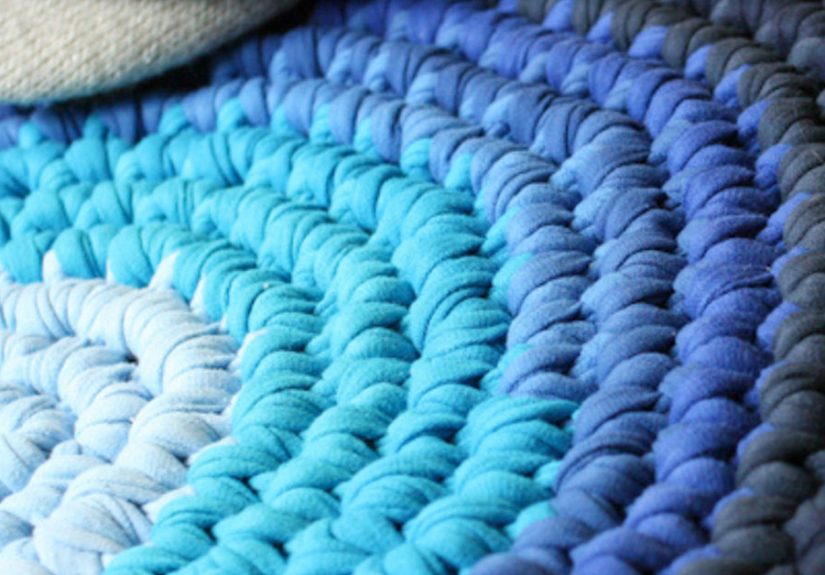
A crochet T-shirt rug is exactly what it sounds like: a rug crocheted from strips of knit jersey fabric, often called T-shirt yarn. The result is soft underfoot, chunky in texture, and full of personality. Whether you want a small bath mat, a cheerful kitchen rug, or an accent piece for a laundry room, this project sits in the sweet spot between useful and satisfying. It is crafty, yes, but not fussy. This is not lace for a museum. This is hardworking floor decor with a sense of humor.
What Is a Crochet T-shirt Rug, Exactly?
A crochet T-shirt rug is a handmade rug created from old or recycled knit shirts cut into long strips and crocheted with a large hook. Because T-shirts are usually made from soft jersey cotton or cotton blends, the “yarn” ends up thick, stretchy, and forgiving. That makes it ideal for rugs, baskets, mats, and other home decor projects that need body without feeling stiff as cardboard.
Unlike a traditional yarn rug, a T-shirt yarn rug has a casual, chunky texture. It feels softer and often looks more relaxed, which is part of the charm. It also makes this type of crochet rug especially appealing for beginners. If your stitches are not runway-model perfect, the fabric’s thickness tends to hide small inconsistencies. In other words, this project is kind. We love kind projects.
Why a Crochet T-shirt Rug Is So Popular
It turns old shirts into something useful
One of the biggest draws is upcycling. A stained concert tee, a stretched-out sleep shirt, or that mystery promotional shirt from 2017 can become a DIY rug instead of landfill clutter. For makers who like practical sustainability, this project checks a lot of boxes without becoming preachy about it.
It works up faster than many crochet projects
Because T-shirt yarn is bulky, a crochet T-shirt rug grows quickly. You are not spending three weeks wondering whether your project is a coaster or a blanket. With a large hook and thick fabric yarn, every round or row adds visible size fast.
It is washable and comfortable
Many T-shirt rugs are used in bathrooms, laundry rooms, mudrooms, and kitchens because they are soft, absorbent, and easier to wash than some heavier woven rug options. The exact care depends on the shirts you use, but cotton-heavy fabric usually plays nicely with practical life.
It is customizable in every possible way
Round, oval, rectangular, striped, tonal, bright, minimalist, random, carefully planned, joyfully chaotic: a crochet T-shirt rug can be all of the above. You can match your room or deliberately ignore your room and make the rug the star. Both are valid design philosophies.
Materials and Tools You Need
You do not need a heroic supply list. That is part of the beauty of this DIY rug.
- Old T-shirts or premade T-shirt yarn
- Sharp fabric scissors or a rotary cutter
- A large crochet hook, usually around 10 mm to 12 mm depending on yarn thickness
- A tapestry needle for weaving in ends
- A non-slip rug pad if the rug will sit on a slick floor
If you are making your own yarn, choose mostly knit T-shirts with a decent amount of stretch. Smooth jersey tends to curl into a more rope-like strand when stretched, which makes it easier to crochet. Shirts with very thick side seams, stiff prints, or uneven fabric can still work, but they may create bumpier sections. That is fine for a rustic look; less ideal if you want your rug to lie flat and behave like a civilized object.
How to Make T-shirt Yarn Without Making a Mess of It
The basic method is simple. Remove the hem and top section, then cut the shirt body into strips, often around 1 inch wide. Many makers use a continuous cutting method so the shirt turns into one long strand instead of a pile of disconnected loops. After cutting, stretch the fabric gently. Jersey often curls in on itself and creates a sturdier yarn-like shape.
The trick is consistency. If one strip is very narrow and another is twice as wide, your crochet rug will show it. Some variation adds charm. A total identity crisis adds lumps. Keep your strips reasonably even, especially if you are mixing colors.
You can also combine shirts into color families: creams and taupes for a neutral rug, navy and gray for a modern one, or every loud T-shirt you regret buying in college for a cheerful scrappy version. That last option has a special kind of honesty.
Best Shapes for a Crochet T-shirt Rug
Round rugs
A round crochet T-shirt rug is often the most beginner-friendly option. It is visually forgiving, easy to scale, and perfect for small spaces like bathrooms, reading nooks, and beside-the-bed zones. If you like organic shapes and softer lines in a room, round is your friend.
Oval rugs
An oval rug is one of the most useful shapes for real homes. It works nicely in front of sinks, inside entryways, and along narrow spaces where a circle would look odd and a rectangle might feel too sharp. Oval rugs also have that vintage rag-rug energy people secretly love.
Rectangular rugs
If you want clean lines or plan to place the rug in a hall, at a doorway, or under a bench, rectangular makes sense. This shape often feels more tailored and modern, especially when made in stripes or a controlled color palette.
How to Crochet the Rug So It Lies Flat
This is where a lot of DIY rug dreams either become a lovely floor piece or a fabric salad bowl. The difference is usually in tension and increases.
With round and oval rugs, you must add stitches at regular intervals so the rug expands without curling. Too few increases and the piece cups upward. Too many and it starts to ruffle like a lettuce leaf with ambition. Rectangles have their own version of this issue: corners that pull too tight or edges that flare out.
The smartest approach is to pause every few rounds or rows and lay the rug flat on the floor. If it puckers, loosen up or add a bit more width where appropriate. If it waves, reduce the growth. T-shirt yarn is stretchy, so even small tension changes can alter the final shape dramatically.
For stitches, simple usually wins. Single crochet creates a dense, sturdy fabric. Half double crochet gives a little more speed and softness. Double crochet can work, especially for decorative rugs, but a very open stitch may feel less solid underfoot. Texture stitches look beautiful, but for a hardworking rug, structure matters more than showing off.
Design Ideas That Make a Crochet T-shirt Rug Look Better
A good crochet T-shirt rug does not need to be complicated. It just needs a little intention.
Use a restrained color palette
If you are worried your rug will look too homemade in the wrong way, keep the colors controlled. Black, white, gray, oatmeal, denim blue, olive, and blush all work beautifully in handmade rugs. Even a scrappy rug looks elevated when the tones relate to each other.
Add stripes on purpose
Striped rugs are excellent for using mixed shirts while still looking designed. Wide stripes feel modern. Irregular stripes feel artsy. Tiny random stripes feel like your laundry basket made executive decisions.
Finish with a clean border
A final round in one solid color can visually pull the entire rug together. Think of it as eyeliner for your floor. Not required, but flattering.
Match the rug to the room’s job
A bathroom rug can be playful. A mudroom rug should be tougher and darker. A bedside rug should feel soft and calm. A kitchen rug needs to forgive crumbs, foot traffic, and the occasional dramatic onion peel.
Where a Crochet T-shirt Rug Works Best
This type of crochet rug is best in smaller to medium zones where softness and washability matter more than formal polish. Great places include:
- Bathrooms
- Laundry rooms
- Kitchens
- Kids’ rooms
- Craft rooms
- Entry corners and back doors
- Beside the bed
For very high-traffic spaces, durability depends on stitch density, yarn consistency, and whether you use a rug pad. A tightly crocheted rug made from similar-weight shirts will hold up better than a loose rug made from random fabric chaos. Chaos has its place. Under muddy shoes may not be it.
Common Mistakes to Avoid
Using shirts with wildly different stretch
Some jersey fabrics are springy; others are limp. Mixed together, they can distort the shape of the rug. Try grouping similar fabrics in the same project.
Cutting inconsistent strip widths
Uneven yarn equals uneven stitches. If you want a more polished DIY rug, keep your cuts as consistent as possible.
Skipping the rug pad
On hardwood, tile, or laminate, a handmade rug can slide more than you expect. A good rug pad improves grip, adds cushioning, protects the floor, and helps the rug wear better over time.
Making the rug too open
Airy stitches may look gorgeous in a throw blanket. On a rug, they can stretch, catch, and wear out faster. Dense crochet usually wins for function.
How to Clean and Care for a Crochet T-shirt Rug
Care depends on the fabric content, but many crochet T-shirt rugs can be shaken out, spot-cleaned, or gently washed. Always let the rug dry thoroughly before putting it back on the floor. Damp rugs and trapped moisture are not a cute pairing.
Vacuum gently if the stitches are firm and the rug is substantial. If the rug is more delicate or stretchy, shake it outdoors instead. Rotate it occasionally so traffic wears it evenly. If it starts to curl at the edges, check whether the rug pad is helping it sit flat and whether the stitches have stretched in one direction.
Is a Crochet T-shirt Rug Worth Making?
Absolutely, especially if you enjoy projects that are both practical and creative. A crochet T-shirt rug is one of those rare crafts that gives you quick visual payoff, a useful finished object, and a good excuse to clean out a drawer. It is budget-friendly when made from old clothes, customizable to your space, and approachable for beginners who know the basics of crochet.
It is also one of the few home decor projects that can look either rustic or modern depending on your colors and stitch choices. That flexibility is a big reason this style has staying power. It is not just a nostalgic rag-rug revival. It is a genuinely smart way to make handmade decor that works in real homes.
Experiences Makers Often Have With a Crochet T-shirt Rug
One of the most common experiences people have with a crochet T-shirt rug is surprise at how quickly the project becomes addictive. At first, it seems like a simple “use up old shirts” idea. Then suddenly, you are evaluating every cotton tee in your house like a casting director. Too thin. Too stiff. Too beloved. Perfect. The project has a sneaky way of changing how you look at fabric waste. Old shirts stop being clutter and start looking like color, texture, and future floor decor.
Many makers also notice that a crochet T-shirt rug feels more physical than regular crochet. The yarn is thicker, the hook is larger, and your hands are doing more work. It is not difficult in a technical sense, but it can be a mini workout. People often mention that they settle into a rhythm: cut, stretch, wind, crochet, repeat. It feels productive in a deeply satisfying way, like meal prepping if meal prepping were actually fun.
Another very real experience is learning that not all T-shirts behave the same way. Some roll into beautiful, smooth yarn with almost no effort. Others act like they were personally offended by the scissors. One shirt curls neatly; another frays; another creates a lumpy strand that makes you question your life choices. This trial-and-error phase is normal. In fact, it is part of how makers get better at choosing fabric for future projects.
There is also the classic moment when the rug does not lie flat and the maker has to decide whether to troubleshoot calmly or stare at it like it has betrayed the family. Almost everyone who makes a crochet T-shirt rug goes through some version of this. The lesson usually ends up being the same: check your increases, watch your tension, and do not assume stretchy yarn will magically forgive everything. It forgives a lot. It does not perform miracles.
On the happier side, people often describe this as a deeply personal project. Because the rug can be made from old clothes, it can hold memory in a way store-bought decor does not. A retired camp shirt, an old team tee, a faded college shirt, a soft pajama top: these materials can become something new without losing all their story. That gives the finished rug a layer of meaning beyond pure function.
Makers also tend to love the moment the rug finally lands in a room. A handmade crochet rug changes a space instantly. Even a small one adds color, softness, and a bit of character. In bathrooms and laundry rooms especially, it can make a practical corner feel intentional. There is a specific joy in looking down and thinking, “Yes, I made that,” especially when the result looks far more stylish than the words “old T-shirts” might suggest.
Finally, many people come away from the project with a useful bit of confidence. A crochet T-shirt rug teaches several things at once: fabric prep, yarn behavior, crochet structure, and finishing. It shows that home decor does not have to come from a catalog to look good. Sometimes it comes from a stack of shirts, a large hook, a little patience, and just enough stubbornness to keep going when the rug briefly resembles a tortilla with opinions.
Final Thoughts
A crochet T-shirt rug is more than a trendy upcycling project. It is a practical, attractive, and surprisingly versatile way to make handmade home decor from materials you may already own. When you choose consistent fabric, keep your stitches dense, and use a rug pad where needed, the result can be soft, durable, washable, and full of personality. In a world full of mass-produced everything, that feels pretty refreshing.