Table of Contents >> Show >> Hide
- What “LA Market” Really Means Right Now
- Current Obsession #1: West Coast Design That Looks Effortless
- Current Obsession #2: Vintage With a Point of View
- Current Obsession #3: The LA Fashion District as a Creative Engine
- Current Obsession #4: Food Markets as Social Design
- Current Obsession #5: Flowers, Plants, and the Soft Power of Freshness
- Current Obsession #6: Independent Retail at ROW DTLA
- How to Shop the LA Market Scene Like You Know What You’re Doing
- Why LA Market Culture Feels So Addictive
- Experience Notes: A Long, Lovely Day in the LA Market Mood
- Conclusion: The LA Market Obsession Is Really About Taste
Los Angeles has never been a city that politely sits in one category. It is a fashion lab, a food playground, a vintage treasure hunt, a design showroom, a flower-powered morning ritual, and a wholesale engine all at once. That is why “LA Market” feels less like one destination and more like a mood: sunlit, practical, creative, a little chaotic, and always dressed better than expected.
Today’s Los Angeles market scene is where interior designers hunt for sculptural furniture, boutique buyers study next season’s apparel, vintage lovers line up before coffee, and hungry shoppers turn a casual Sunday into a taco-to-ramen-to-oyster crawl. The current obsession is not just what LA sells. It is how LA curates desire. The city makes commerce feel like culture, and culture feel like something you can carry home in a canvas tote.
From LA Mart and the California Market Center to Grand Central Market, the Rose Bowl Flea Market, Melrose Trading Post, ROW DTLA, the LA Fashion District, Smorgasburg LA, and the Original Los Angeles Flower Market, the city’s marketplaces reveal what Angelenos value right now: individuality, craftsmanship, sustainability, comfort, flavor, and pieces that look good in natural light. Very LA, in other words.
What “LA Market” Really Means Right Now
Ask ten locals what “LA Market” means and you may get ten answers. A fashion buyer might think of LA Market Week at the California Market Center, where retail professionals preview apparel and accessories. A designer may think of LA Mart, a downtown hub for furniture, gift, and home decor sourcing. A weekend shopper may picture the Rose Bowl Flea Market, Melrose Trading Post, or a sunny stroll through Smorgasburg LA at ROW DTLA.
That variety is the point. Los Angeles is not built around a single central shopping tradition. It is a constellation of districts and recurring events. The Flower District wakes up early. The Fashion District hums with bargain hunters and wholesale buyers. Grand Central Market keeps downtown fed. Pasadena becomes a vintage universe once a month. Melrose turns Sunday into a street-style runway. ROW DTLA blends food, design, events, and independent retail inside a converted industrial campus.
The result is a marketplace culture that feels alive. Trends do not arrive in LA wearing name tags. They appear first as linen pants, a ceramic lamp, a hand-thrown planter, a wildflower bouquet, a mezcal-free mocktail, or a vintage racing jacket someone absolutely did not “just throw on.”
Current Obsession #1: West Coast Design That Looks Effortless
Los Angeles design is currently obsessed with ease, but not laziness. Think low-slung sofas, warm woods, natural stone, plaster finishes, oversized ceramics, linen upholstery, indoor-outdoor furniture, and lighting that makes everyone look like they slept eight hours. LA Mart and the LA Mart Design Center remain key destinations for sourcing furniture, accessories, gift merchandise, and showroom-driven design ideas.
This version of West Coast style is not the old stereotype of white walls and one lonely succulent. It has become warmer, more layered, and more personal. Designers are mixing vintage with contemporary, sculptural objects with family-friendly performance fabrics, and polished showpieces with handmade details.
Why It Works
LA homes often blur the line between indoors and outdoors. Even small apartments want a touch of patio energy. That is why materials like rattan, oak, travertine, linen, clay, and powder-coated metal continue to show up in market conversations. They feel grounded, photogenic, and durable enough for real life. Translation: they can survive both a dinner party and someone’s dog claiming the best chair.
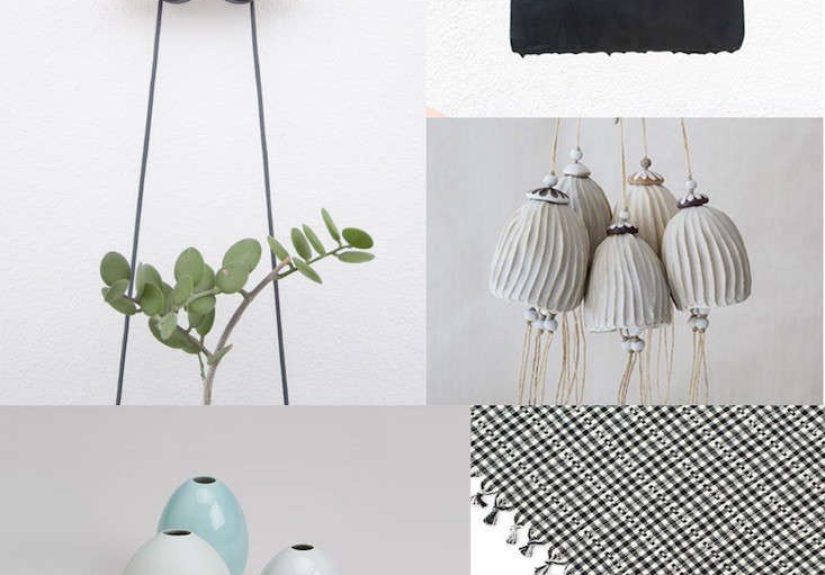
The smartest LA design purchases right now are not loud. They are pieces with presence: a ceramic vessel with an imperfect glaze, a bench that works in an entryway or at the end of a bed, a metal tray that makes keys look intentional, or a woven pendant that adds texture without screaming for attention.
Current Obsession #2: Vintage With a Point of View
Vintage shopping in Los Angeles is no longer just about finding “old stuff.” It is about identity. The Rose Bowl Flea Market, held on the second Sunday of every month in Pasadena, draws shoppers looking for antiques, vintage clothing, furniture, art, records, and one-of-a-kind pieces. Melrose Trading Post, open every Sunday, brings together vintage vendors, local makers, live music, and a strong community atmosphere.
What makes LA vintage special is the mix. You might find a midcentury chair, a 1990s leather jacket, handmade jewelry, a stack of old film posters, and a lamp that looks like it once belonged to a set designer with excellent taste and questionable sleep habits. The thrill is not only the object. It is the hunt.
The Vintage Mood of the Moment
The current vintage obsession leans toward pieces that feel expressive but usable. Shoppers want denim with history, workwear jackets, cowboy boots, chrome accents, postmodern side tables, handwoven textiles, and art that does not look mass-produced. Sustainability is part of the appeal, but so is the simple joy of owning something nobody else can instantly add to cart.
For home decor, vintage brings soul into modern rooms. A new sofa feels less showroom-perfect when paired with an antique stool, a weathered mirror, or a ceramic lamp from a market stall. For fashion, vintage gives LA style its wink. The city loves a “this old thing?” outfit that actually took three hours, five vendors, and one breakfast burrito to assemble.
Current Obsession #3: The LA Fashion District as a Creative Engine
The LA Fashion District covers more than 100 blocks in downtown Los Angeles and remains one of the city’s most important shopping and sourcing areas. It includes wholesale businesses, trade showrooms, fabric stores, accessories shops, beauty suppliers, and public-facing retail areas such as Santee Alley. For boutique owners, stylists, designers, and bargain hunters, it is a place where trends can be spotted early.
Meanwhile, the California Market Center continues to anchor professional buying activity through LA Market Week and related trade events. These markets connect retail buyers with brands, showrooms, and sales representatives. For the public, the Fashion District offers a different kind of energy: fast-paced, colorful, price-conscious, and gloriously practical.
What Buyers Are Watching
Current fashion interest in LA is circling around versatile pieces that can move from brunch to airport to rooftop dinner without requiring a full costume change. Soft tailoring, matching sets, relaxed denim, elevated basics, lightweight outerwear, Western touches, ballet flats, sporty sunglasses, and accessories with personality are all part of the mix.
Los Angeles fashion has always understood lifestyle. Clothes need to work in traffic, at lunch, in air conditioning, under full sun, and beside someone who may or may not be an actor. The winning pieces are polished but not stiff, casual but not careless, and interesting enough to survive being photographed next to an iced coffee.
Current Obsession #4: Food Markets as Social Design
Grand Central Market is one of LA’s most enduring public market icons. Open since 1917, it has evolved from a historic downtown food hall into a lively culinary landmark filled with independent merchants, longtime vendors, and newer food concepts. It captures one of the great truths of Los Angeles: eating is often the best way to understand the city.
Smorgasburg LA adds a different rhythm. Held on Sundays at ROW DTLA, it brings together food vendors, shopping, music, and a relaxed open-air atmosphere. The appeal is not only the food, although the food certainly knows how to make an entrance. It is the social choreography: friends splitting dishes, couples negotiating dessert, families navigating strollers, and visitors pretending they will “just browse” before ordering three things.
Why Food Halls Still Matter
In a city as spread out as Los Angeles, food markets create rare moments of density. They make discovery easy. You can try a new vendor, compare flavors, wander between stalls, and build a meal that would make no sense anywhere else but somehow works perfectly in LA.
Food markets also support small culinary businesses. They give chefs, bakers, beverage makers, and specialty vendors a platform to test ideas and build followings. For visitors, they offer a delicious shortcut into the city’s cultural diversity. For locals, they are a reminder that dinner does not always need reservations, valet, and a tiny table next to a fern.
Current Obsession #5: Flowers, Plants, and the Soft Power of Freshness
The Original Los Angeles Flower Market is one of the city’s most charming early-morning experiences. Located downtown, it offers flowers, greens, and supplies from numerous vendors, including family-owned businesses. For florists, event planners, designers, and everyday shoppers, it is a source of color, fragrance, and instant optimism.
Flowers are not just decorative in the LA market story. They are part of the lifestyle. A bunch of ranunculus on a kitchen counter, eucalyptus in a shower, branches in a sculptural vase, or a simple bundle of tulips can change the mood of a room faster than a new rug and with less furniture assembly drama.
The Floral Trend
The current floral mood is loose, seasonal, and slightly wild. Instead of stiff arrangements, shoppers are drawn to movement: branches, grasses, layered greens, local blooms, and arrangements that look gathered rather than engineered. The effect is casual luxury. It says, “I have taste,” but also, “I am not afraid of pollen.”
Current Obsession #6: Independent Retail at ROW DTLA
ROW DTLA has become a modern example of how Los Angeles repurposes industrial space into lifestyle space. With independent shops, restaurants, creative offices, wellness concepts, and events, it functions like a small city inside the city. Its appeal is especially strong because it combines browsing, eating, working, and gathering in one walkable area.
For market lovers, ROW DTLA represents the newer LA retail formula: less mall, more mix. People do not only want to buy things. They want context. They want a space where a candle, a dumpling, a tote bag, a ceramic cup, and a conversation can all belong to the same afternoon.
How to Shop the LA Market Scene Like You Know What You’re Doing
First, start early. LA markets reward people who arrive before the sun gets bossy. This is especially true for flea markets, flower shopping, and popular food destinations. Second, bring measurements. If you are hunting for furniture, know your wall width, doorway clearance, elevator situation, and the emotional limits of whoever may help you carry the thing home.
Third, wear comfortable shoes. This cannot be overstated. LA market days often begin as a quick visit and somehow become 14,000 steps, two tote bags, and a debate over whether a vintage mirror has “good energy.” Fourth, bring water, sunscreen, and a little cash. Many vendors accept cards, but cash still helps in certain situations, especially when negotiating.
Fifth, buy with a plan but leave room for surprise. The best finds are often not the things you came for. Maybe you wanted a dining chair and left with a handmade bowl. Maybe you needed a dress and found the perfect belt. Maybe you came for lunch and discovered your new favorite hot sauce. That is not failure. That is LA market logic.
Why LA Market Culture Feels So Addictive
Los Angeles markets succeed because they make shopping feel human again. In a world of endless scrolling, markets bring back touch, scale, conversation, scent, and chance. You can feel the weight of a ceramic cup, smell fresh bread, test the softness of linen, compare flower colors in daylight, and ask a vendor where something came from.
This matters because consumers are tired of sameness. The LA market scene offers objects and experiences with personality. It rewards curiosity. It supports small businesses. It encourages people to develop taste rather than simply follow trends. It is commerce with fingerprints.
The current obsession is not one product category. It is the pleasure of discovery. LA makes discovery look casual, but underneath the laid-back surface is a highly creative ecosystem of makers, merchants, stylists, chefs, designers, florists, and buyers shaping what comes next.
Experience Notes: A Long, Lovely Day in the LA Market Mood
A perfect LA market day starts with mild ambition and ends with a trunk full of evidence. The morning begins downtown, ideally before the day gets too bright and everyone remembers they also had the same idea. At the flower market, the air feels cooler, greener, and more awake than the rest of the city. Buckets of roses, lilies, orchids, eucalyptus, ranunculus, and tropical leaves turn shopping into a sensory workout. You walk in thinking you need one bouquet. You leave wondering whether your home could support “more branches” as a personality trait.
From there, the day can swing toward the Fashion District, where the pace changes immediately. The sidewalks get busier, the storefronts get louder, and the shopping becomes more tactical. This is not sleepy browsing. This is color, volume, bargaining, trend-spotting, and decision-making. Santee Alley and the surrounding streets are full of accessories, dresses, shoes, beauty finds, and fast-moving fashion ideas. It is the kind of place where you promise yourself you are “just looking” and then suddenly own sunglasses, socks, a belt, and an opinion about rhinestones.
Lunch belongs to Grand Central Market or Smorgasburg LA, depending on the day and mood. Grand Central Market feels historic and urban, with layers of old downtown character and modern food culture living side by side. It is ideal when nobody in your group wants the same thing, which is nearly always. One person wants noodles, another wants seafood, someone wants fruit, and one mysterious friend wants coffee as a meal. Somehow, the market handles everyone.
Smorgasburg LA feels more like an open-air festival of appetite. The crowd wanders, samples, compares, shares, and photographs. The smartest move is to order from more than one vendor and treat the meal like a tasting menu assembled by democracy. A little savory, a little sweet, a drink in hand, music nearby, and suddenly Sunday feels less like the end of the weekend and more like a small civic celebration.
For the afternoon, the vintage route calls. Melrose Trading Post is friendly, creative, and manageable enough to browse without needing a rescue team. The mix of vintage clothing, handmade goods, art, jewelry, and music gives it a neighborhood feel. You may find a denim jacket, a small painting, a ceramic mug, or a pair of earrings that looks far more expensive than it is. The best finds usually have a story, and the vendors often know it.
The Rose Bowl Flea Market is bigger, bolder, and more athletic. It requires stamina, strategy, and perhaps a snack tucked into your bag. The scale is part of the magic. Furniture, antiques, vintage fashion, records, lighting, rugs, signs, books, and strange little objects appear in every direction. It is a place where shoppers develop a sixth sense. You learn to spot good wood from a distance. You learn that hesitation can be expensive. You learn that the person carrying a tape measure is not playing around.
The day ends best at ROW DTLA, where the industrial setting, independent retail, restaurants, and events make it easy to decompress. You can sit, eat, browse, and reconsider your purchases in peace. Maybe the vintage lamp was practical. Maybe the oversized vase was destiny. Maybe the handmade candle was not necessary, but necessary is a boring standard.
That is the real experience of LA Market culture. It is not simply buying things. It is moving through the city’s creative bloodstream. You see what people are making, wearing, eating, collecting, arranging, and reinventing. You meet the city not as a postcard, but as a working ecosystem of taste. Every booth, showroom, stall, and food stand adds another clue. By the end of the day, you understand why Los Angeles remains so influential: it turns everyday shopping into a living mood board.
Conclusion: The LA Market Obsession Is Really About Taste
“Current Obsessions: LA Market” is not just a trend report. It is a snapshot of a city that understands how objects, food, fashion, flowers, and spaces shape daily life. LA’s markets are not perfect, polished museums of taste. They are better than that. They are busy, sunny, imperfect, stylish, generous, and full of possibility.
Whether you are sourcing furniture at LA Mart, studying apparel at the California Market Center, eating your way through Grand Central Market, hunting vintage at the Rose Bowl, browsing makers at Melrose Trading Post, or buying flowers downtown before breakfast, the same idea keeps appearing: Los Angeles loves things with character.
The current obsession is craftsmanship over clutter, individuality over sameness, and experience over empty consumption. In LA, the market is not just where trends are sold. It is where they are born, tested, styled, photographed, eaten, and carried home before sunset.