Table of Contents >> Show >> Hide
- What Is Swamp Soup?
- Why You’ll Love This Swamp Soup Recipe
- Ingredients for the Best Swamp Soup
- How to Make Swamp Soup
- Tips for Making Swamp Soup Taste Amazing
- Best Greens for Swamp Soup
- Swamp Soup Variations
- What to Serve with Swamp Soup
- How to Store and Reheat Swamp Soup
- Common Mistakes to Avoid
- Swamp Soup Recipe Card
- Frequently Asked Questions About Swamp Soup
- Kitchen Experience: What I Learned Making Swamp Soup
- Conclusion
- SEO Tags
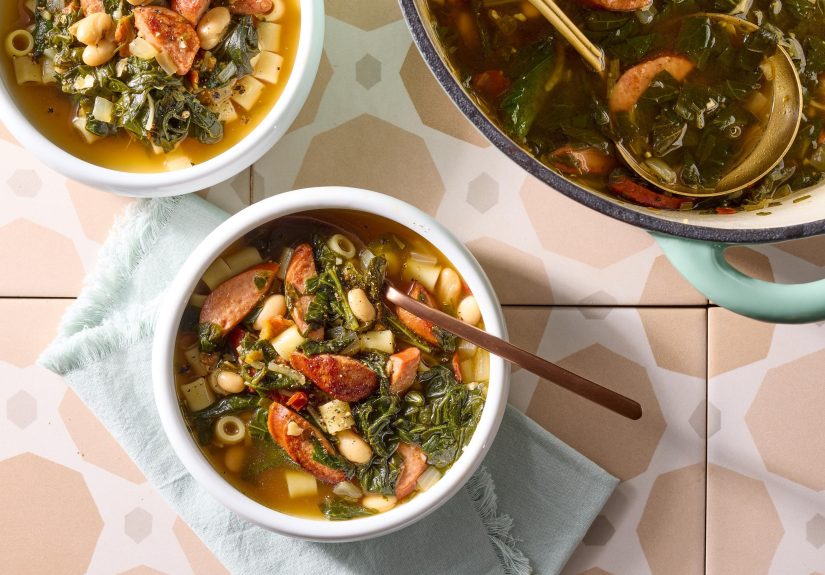
Swamp soup may sound like something a cartoon witch serves from a bubbling cauldron, but don’t let the name scare you. This cozy Southern-style soup is hearty, smoky, green, slightly rustic, and wildly comforting. It gets its “swampy” look from chopped greens floating through a savory broth with beans, sausage, vegetables, and sometimes pasta or potatoes. In other words, it looks a little mysterious and tastes like dinner just gave you a warm hug.
This swamp soup recipe is inspired by the best parts of classic Southern pantry cooking: smoked sausage for deep flavor, white beans for creamy body, greens for color and nutrition, tomatoes for brightness, and a little vinegar or hot sauce at the end to wake everything up. It is the kind of one-pot meal that tastes like you fussed all afternoon, even if you mostly opened cans, stirred confidently, and pretended you had a grand culinary plan.
Below, you’ll find a complete homemade swamp soup recipe, smart substitutions, serving ideas, storage tips, and real kitchen experience notes to help you make the soup richer, brighter, and better every time.
What Is Swamp Soup?
Swamp soup is a Southern-inspired soup made with leafy greens, smoked sausage, beans, broth, aromatics, and often tomatoes, potatoes, or small pasta. The name comes from its appearance: once the greens soften into the broth, the pot turns deep green, speckled, and swamp-like. Appetizing name? Debatable. Appetizing flavor? Absolutely.
Most versions of swamp soup share a few core ingredients. Turnip greens, collard greens, kale, or spinach create the green “swamp.” Smoked sausage, kielbasa, andouille, or Conecuh-style sausage bring that savory, smoky backbone. White beans, black-eyed peas, Great Northern beans, navy beans, or cannellini beans make the soup filling enough to stand alone as a meal. A tomato element, whether diced tomatoes, tomato paste, or tomatoes with green chiles, adds acidity and color.
The result is a budget-friendly, flexible, cold-weather soup that feels Southern, practical, and deeply satisfying. It is also an excellent clean-out-the-pantry recipe because it welcomes shortcuts with open arms and zero judgment.
Why You’ll Love This Swamp Soup Recipe
- It is a full meal in one pot. You get protein, vegetables, beans, and a flavorful broth all in one bowl.
- It uses simple ingredients. Canned beans, frozen or fresh greens, broth, and smoked sausage do most of the work.
- It is easy to customize. Use collards, turnip greens, kale, spinach, black-eyed peas, potatoes, pasta, or whatever your kitchen is politely begging you to use.
- It tastes even better later. Like many bean-and-greens soups, swamp soup deepens in flavor after resting.
- It is fun to serve. Any recipe with a name like “swamp soup” automatically earns dinner table conversation points.
Ingredients for the Best Swamp Soup
This recipe makes about 6 to 8 hearty servings.
Main Ingredients
- 1 tablespoon olive oil
- 12 to 14 ounces smoked sausage, kielbasa, or andouille, sliced into rounds
- 1 medium yellow onion, diced
- 2 celery ribs, diced
- 1 green bell pepper, diced
- 3 cloves garlic, minced
- 2 tablespoons tomato paste
- 1 teaspoon Cajun seasoning or Creole seasoning
- 1/2 teaspoon smoked paprika
- 1/4 teaspoon black pepper
- 6 cups chicken broth or vegetable broth
- 1 can diced tomatoes with green chiles, undrained
- 2 cans cannellini beans, Great Northern beans, or navy beans, drained and rinsed
- 4 cups chopped turnip greens, collard greens, or kale
- 1 cup diced Yukon Gold potatoes or 3/4 cup small pasta such as ditalini or orzo
- 1 to 2 teaspoons apple cider vinegar
- Salt, to taste
- Hot sauce, for serving
Optional Add-Ins
- 1 can black-eyed peas for a more Southern flavor
- 1 chopped jalapeño for heat
- 1 bay leaf for depth
- 1 teaspoon chicken bouillon paste for a stronger savory flavor
- A squeeze of lemon juice instead of vinegar
- Parmesan cheese or shredded cheddar for topping
- Cooked rice instead of pasta or potatoes
How to Make Swamp Soup
Step 1: Brown the Sausage
Heat olive oil in a large Dutch oven or soup pot over medium-high heat. Add the sliced smoked sausage and cook for 4 to 6 minutes, stirring occasionally, until the edges are browned. Browning matters because it creates those tasty bits at the bottom of the pot. Those bits are not “stuck.” They are flavor confetti.
Once browned, transfer the sausage to a plate. You can leave a little rendered fat in the pot because it will help flavor the vegetables.
Step 2: Cook the Aromatics
Add the onion, celery, and bell pepper to the same pot. Cook for 5 to 6 minutes, stirring often, until the vegetables soften. Add the garlic and cook for 30 seconds to 1 minute, just until fragrant. Do not walk away here unless you enjoy the dramatic perfume of burnt garlic.
Step 3: Build the Broth
Stir in the tomato paste, Cajun seasoning, smoked paprika, and black pepper. Let the tomato paste cook for about 1 minute. This helps deepen the flavor and removes the raw tomato edge.
Pour in the broth and scrape the bottom of the pot with a wooden spoon. Add the diced tomatoes with green chiles, beans, and potatoes if using potatoes. Bring the soup to a gentle boil, then reduce the heat to a steady simmer.
Step 4: Simmer Until Tender
Return the browned sausage to the pot. Cover partially and simmer for 15 to 20 minutes, or until the potatoes are tender. If you are using pasta instead of potatoes, add it during the last 8 to 10 minutes of cooking so it does not turn into tiny soup pillows.
Step 5: Add the Greens
Stir in the chopped greens. Turnip greens and collards can simmer for 5 to 10 minutes, depending on how tender you like them. Kale usually softens in about 5 minutes. Spinach should be added at the very end because it wilts quickly and has a flair for disappearing.
Step 6: Finish with Acid
Stir in apple cider vinegar, taste, and adjust the salt. This final splash of acidity is small but powerful. It balances the richness of the sausage, brightens the beans, and makes the greens taste fresher. Serve hot with hot sauce, cornbread, biscuits, or crusty bread.
Tips for Making Swamp Soup Taste Amazing
Brown the Sausage First
The fastest way to make swamp soup taste deeper is to brown the sausage before adding the liquid. Smoked sausage already has flavor, but browning concentrates it and gives the soup a richer base.
Use More Greens Than You Think
Greens shrink dramatically. Four cups may look like a leafy mountain going into the pot, but after simmering, they settle politely into the broth. If you want a greener, more classic swamp soup recipe, add an extra cup or two.
Balance Salt Carefully
Smoked sausage, Cajun seasoning, canned tomatoes, canned beans, and broth can all contain salt. Taste before adding more. If the soup gets too salty, add more broth, water, potatoes, or beans to mellow it out.
Add Pasta Separately for Meal Prep
If you plan to store leftovers, cook pasta separately and add it to individual bowls. Pasta left in soup can absorb broth and become soft overnight. It will still taste good, but the texture may move from “comforting” to “toddler-approved mush.”
Do Not Skip the Vinegar
Apple cider vinegar, lemon juice, or a few dashes of hot sauce can make the entire pot taste brighter. Rich soups need contrast, and acid is the tiny kitchen wizard that provides it.
Best Greens for Swamp Soup
The best greens depend on the flavor and texture you want. Turnip greens are bold, slightly peppery, and traditional in many Southern-style versions. Collard greens are sturdy, earthy, and perfect for longer simmering. Kale holds its shape well and adds a pleasant chew. Spinach is the quickest option, but it is more delicate and should be added right before serving.
Frozen greens are a smart shortcut because they are already washed, chopped, and ready to cook. Canned seasoned greens also work, especially when you want a fast weeknight version. Fresh greens offer the best texture, but they require washing, stemming, and chopping. Choose your adventure based on your schedule and your tolerance for leafy vegetable prep.
Swamp Soup Variations
Cajun Swamp Soup
Use andouille sausage, Cajun seasoning, bell pepper, celery, onion, and a pinch of cayenne. Add black-eyed peas and collard greens for a bold, smoky, Southern-inspired bowl.
White Bean and Kale Swamp Soup
Use cannellini beans, kale, smoked turkey sausage, and a little lemon juice. This version is lighter but still hearty enough for dinner.
Vegetarian Swamp Soup
Skip the sausage and use vegetable broth. Add smoked paprika, mushrooms, extra beans, and a spoonful of tomato paste for depth. A few drops of liquid smoke can help mimic the smoky flavor, but use it carefully; it is powerful enough to make your soup taste like it attended a barbecue convention.
Low-Carb Swamp Soup
Leave out the pasta and potatoes. Add extra greens, sausage, celery, bell pepper, and beans if they fit your preference. For an even lower-carb version, reduce the beans and bulk up the soup with cauliflower florets.
Creamy Swamp Soup
Mash one can of beans before adding it to the pot, or blend 1 to 2 cups of the finished soup and stir it back in. This creates a creamier texture without adding heavy cream.
What to Serve with Swamp Soup
Cornbread is the classic partner because it soaks up the broth and adds a slightly sweet contrast. But swamp soup is flexible. Serve it with buttermilk biscuits, garlic bread, crackers, hush puppies, a simple green salad, roasted sweet potatoes, or a grilled cheese sandwich if you believe soup deserves a crispy sidekick.
For toppings, try sliced green onions, hot sauce, grated Parmesan, shredded cheddar, crushed red pepper flakes, fresh parsley, or a squeeze of lemon. Keep toppings simple so the smoky broth and greens stay center stage.
How to Store and Reheat Swamp Soup
Let the soup cool slightly, then transfer it to airtight containers. Refrigerate leftovers and enjoy them within a few days. For longer storage, freeze the soup in portions. If you used pasta, know that it may soften after freezing and reheating, so the best freezer-friendly version uses potatoes, rice added later, or no starch at all.
Reheat swamp soup on the stovetop over medium heat until hot, stirring occasionally. Add a splash of broth or water if it has thickened. You can also reheat individual servings in the microwave, stirring halfway through for even heating.
Common Mistakes to Avoid
Using Too Much Pasta
Pasta expands as it sits. A small amount goes a long way. If you want a soupier texture, keep pasta modest or cook it separately.
Forgetting to Rinse the Beans
Draining and rinsing canned beans helps remove excess starchy liquid and gives you better control over the soup’s saltiness and texture.
Adding Delicate Greens Too Early
Spinach and baby greens cook quickly. Add them at the end so they stay bright and tender instead of fading into the soup like they have given up on life.
Skipping the Final Taste Test
Always taste before serving. Swamp soup may need salt, vinegar, hot sauce, or more broth depending on your ingredients. The final adjustment is what turns a good soup into a “where has this been all winter?” soup.
Swamp Soup Recipe Card
Prep Time
15 minutes
Cook Time
35 minutes
Total Time
50 minutes
Servings
6 to 8 servings
Ingredients
- 1 tablespoon olive oil
- 12 to 14 ounces smoked sausage, sliced
- 1 medium yellow onion, diced
- 2 celery ribs, diced
- 1 green bell pepper, diced
- 3 cloves garlic, minced
- 2 tablespoons tomato paste
- 1 teaspoon Cajun or Creole seasoning
- 1/2 teaspoon smoked paprika
- 1/4 teaspoon black pepper
- 6 cups chicken broth
- 1 can diced tomatoes with green chiles, undrained
- 2 cans white beans, drained and rinsed
- 1 cup diced Yukon Gold potatoes or 3/4 cup small pasta
- 4 cups chopped turnip greens, collards, or kale
- 1 to 2 teaspoons apple cider vinegar
- Salt and hot sauce, to taste
Instructions
- Heat olive oil in a large pot over medium-high heat. Add sausage and brown for 4 to 6 minutes. Remove to a plate.
- Add onion, celery, and bell pepper. Cook for 5 to 6 minutes, until softened.
- Add garlic and cook for 1 minute.
- Stir in tomato paste, Cajun seasoning, smoked paprika, and black pepper. Cook for 1 minute.
- Add broth, tomatoes, beans, and potatoes if using. Bring to a simmer.
- Return sausage to the pot. Simmer for 15 to 20 minutes, until potatoes are tender.
- If using pasta instead of potatoes, add it during the last 8 to 10 minutes of cooking.
- Stir in greens and simmer until tender.
- Add apple cider vinegar. Taste and adjust salt, pepper, and hot sauce.
- Serve hot with cornbread, biscuits, or crusty bread.
Frequently Asked Questions About Swamp Soup
Why is it called swamp soup?
The name comes from the look of the soup. Chopped greens float through the broth and create a dark green, “swampy” appearance. Thankfully, the flavor is much better than the name suggests.
Can I make swamp soup ahead of time?
Yes. Swamp soup is excellent for meal prep because the flavors deepen as it rests. For the best texture, store pasta separately and add it when reheating.
Can I use canned greens?
Yes. Canned seasoned turnip greens or collard greens are convenient and flavorful. Taste before adding salt because canned greens can already be seasoned.
What beans are best?
Cannellini beans, Great Northern beans, navy beans, and black-eyed peas all work well. White beans make the soup creamy, while black-eyed peas give it a more classic Southern personality.
Is swamp soup spicy?
It can be mild or spicy depending on your sausage, seasoning, and hot sauce. For a mild version, use smoked kielbasa and skip jalapeños. For more heat, use andouille sausage, Cajun seasoning, and a few dashes of hot sauce.
Kitchen Experience: What I Learned Making Swamp Soup
The first thing you learn when making swamp soup is that the name does not help its public relations campaign. Announce “I’m making swamp soup” and at least one person will look concerned, as if dinner might involve pond water and a dare. But once the sausage starts browning and the onions hit the pot, the mood changes fast. Suddenly everyone becomes very interested in the “swamp.”
The most important experience-based lesson is that smoked sausage does a lot of heavy lifting. If you simply toss it into the broth without browning it, the soup will still be good. But if you brown it first, the entire pot tastes fuller and more intentional. Those browned edges add a savory depth that makes the broth taste like it simmered longer than it did. It is the difference between “nice soup” and “why is there no more soup?”
Another practical discovery is that the greens determine the personality of the bowl. Turnip greens give the soup a peppery Southern bite. Collards are sturdier and more earthy, especially if you simmer them long enough to soften. Kale keeps a little chew and looks bright in the bowl. Spinach is useful when you are in a hurry, but it is not as bold. If you want that classic swamp soup look and flavor, use turnip greens or collards.
Beans are where the soup becomes dinner. One can of beans makes it brothy and light. Two cans make it hearty. If you mash some of the beans before adding them, the broth becomes thicker without cream. This is especially helpful if you like a soup that feels cozy but not heavy. Cannellini beans create a softer texture, Great Northern beans hold up nicely, and black-eyed peas add a satisfying Southern touch.
I also learned not to underestimate the final splash of vinegar. Before the vinegar, swamp soup can taste smoky, rich, and slightly heavy. After the vinegar, everything sharpens. The greens taste greener, the beans taste creamier, and the sausage feels less salty. Lemon juice works too, but apple cider vinegar has a mellow tang that fits the Southern comfort-food mood.
For serving, cornbread is the winner. A slice of warm cornbread turns the bowl into a complete meal and gives you something to drag through the broth at the end. Crackers are fine, biscuits are great, and garlic bread is never wrong, but cornbread seems to understand swamp soup on a spiritual level.
The last experience worth sharing is that swamp soup is forgiving. If you add too many greens, they cook down. If the broth is too thick, add water or stock. If it tastes flat, add vinegar or hot sauce. If it is too spicy, add more beans or potatoes. This is not a fragile recipe. It is a sturdy, friendly, one-pot meal that lets you improvise and still rewards you with a bowl of something warm, smoky, and deeply satisfying.
Conclusion
Swamp soup proves that comfort food does not need a glamorous name to be delicious. With smoky sausage, tender greens, creamy beans, savory broth, and a bright finishing splash of vinegar, this Southern-style soup is practical, hearty, and packed with flavor. It is affordable enough for a weeknight, flexible enough for leftovers, and fun enough to serve to guests who will absolutely ask why dinner sounds like a wetland.
Whether you make it with turnip greens and white beans, collards and black-eyed peas, or kale and smoked turkey sausage, this swamp soup recipe is easy to adapt and hard to stop eating. Keep the broth balanced, brown the sausage well, add the greens at the right time, and finish with a little acid. That is the secret to a bowl that looks humble, tastes rich, and disappears quickly.
Note: This article is written in standard American English and formatted as a publish-ready HTML body for easy copying.