Table of Contents >> Show >> Hide
- Why Curves Keep Coming Back (Because Our Eyeballs Want a Hug)
- Meet Pianoprimo: Milan’s Masters of the Everyday Object Glow-Up
- The Curvaceous Collection: Glassware That Refuses to Be Boring
- Full-Figured Baskets: When Storage Has Better Styling Than You Do
- How to Style Pianoprimo at Home Without Turning Your Kitchen into a Museum
- The Milan Effect: Why Pianoprimo Feels So “Now”
- Buying and Caring Tips (So Your Curves Stay Gorgeous)
- Conclusion: The Case for Everyday Sculpture
- Experience: Curve-Chasing in Milan (Plus a Shortcut You Can Actually Take)
Straight lines are fine. Dependable. Responsible. They pay their taxes. But curves? Curves throw a dinner party, make everyone laugh,
and somehow the room looks better when they leave.
That’s the vibe of Pianoprimo, a Milan-based design studio known for everyday objects that look like they just wandered out of an art gallery
then politely offered to help you pour tea. Their glassware and baskets don’t try to be “statement pieces.” They just… are.
And in a world of sharp corners (literal and emotional), their soft, full-bodied silhouettes feel like a design exhale.
Why Curves Keep Coming Back (Because Our Eyeballs Want a Hug)
Curves aren’t a “new” thing in interiors. They’re more like the friend who disappears for a while and returns with a better haircut and improved boundaries.
In recent years, rounded forms have surged again because they do three very practical things:
they soften spaces, improve flow, and make rooms feel more conversationalless “museum rope,” more “sit down and stay awhile.”
Curves make spaces feel calmer and more human
Designers keep pointing out that rounded silhouettes can feel more inviting than rigid, angular layouts. Think of it like body language:
a curved sofa or a rounded chair is the design equivalent of open arms. It also helps rooms feel less grid-likeespecially helpful if your home
has challenging architecture (bay windows, curved walls, or that one corner that seems to exist purely to ruin furniture plans).
The “soft shapes” trend is bigger than sofas
The curvy movement isn’t limited to seating. It’s showing up in lighting, accessories, and tabletop piecesanything that can trade harsh geometry
for a more organic outline. Milan Design Week coverage from major design outlets has repeatedly highlighted playful forms, expressive glass, and
sculptural objects that blur the line between functional and fabulous.
Meet Pianoprimo: Milan’s Masters of the Everyday Object Glow-Up
Pianoprimo’s curvaceous pieces are associated with Italian interior designers Fabio Cocchi and Luigi Rotta,
whose work has been described as “elegantly playful”a phrase that sounds like it owns both a tuxedo and a sense of humor.
Their designs became especially visible to U.S. design lovers when a Los Angeles design shop, GARDE,
introduced the collection stateside after discovering the duo at Maison & Objet.
What makes Pianoprimo feel different
- Soft, “full-figured” silhouettes: Pieces look rounded, buoyant, and almost animatedlike they’re mid-conversation.
- Function first, but make it sculptural: These aren’t precious objects you’re afraid to touch. They’re meant to be used daily.
- Material contrast: Blown glass with wood handles. Wicker with bold stitching. Old-school craft with a wink.
The result is a collection that feels classic and strange in the best waylike a familiar object seen through a funhouse mirror,
but with excellent Italian manners.
The Curvaceous Collection: Glassware That Refuses to Be Boring
If you’ve ever looked at a normal carafe and thought, “Nice, but could it have a little more personality?” Pianoprimo heard you.
Their blown-glass pieces lean into rounded volume and gentle asymmetryoften the kind of subtle variation you only get with glass that’s shaped by hand.
Translation: no two are exactly alike, which is also what people say about teenagers and sourdough starters.
Signature pieces (and why they work)
Tess Carafe (with wood handles)
The Tess Carafe is the kind of object that makes water feel like it has a personal stylist. The wood handle adds warmth and practicality,
and the rounded body gives it that “I belong on a shelf with art books” energywithout refusing to do its job.
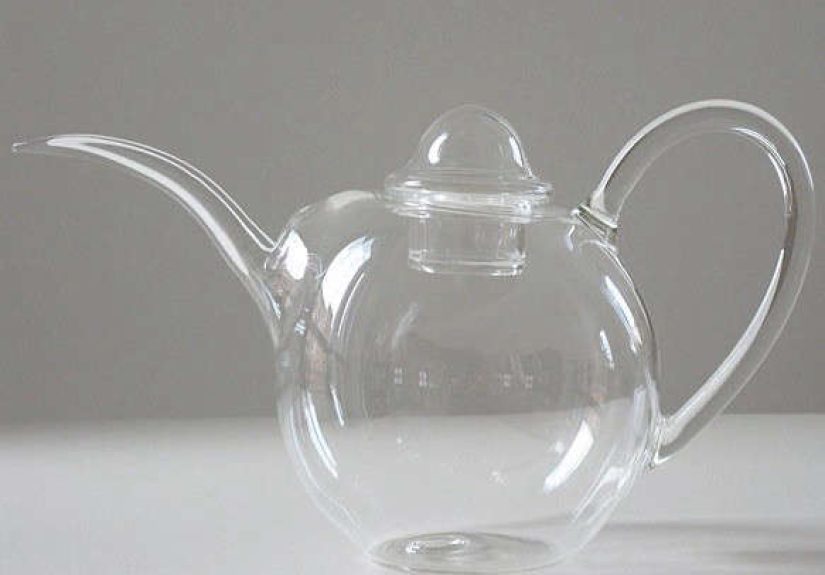
Doris Glass Teapot
A glass teapot is already a little theatrical (tea is a performance; we don’t make the rules). Pianoprimo’s curvy approach makes it even more so:
generous volume, soft contours, and a silhouette that looks good even when it’s emptylike a fashion model, but for your countertop.
Coco Blown Glass Cloche
Cloches are basically display cases for your food and your self-esteem. Put a pastry under one and suddenly you’re “hosting.”
Pianoprimo’s rounded cloches look airy and substantial at once, making even a leftover croissant feel like it deserves a spotlight.
Large Blown Glass Spoons
Oversized glass spoons are gloriously impracticaluntil you use one as a serving piece, a sculptural accent, or the fanciest spoon rest on earth.
They’re also a reminder that design can be fun without being frivolous.
What ties these together is a consistent philosophy: daily objects should still delight you.
Not because your house needs to look like a showroom, but because you live thereand you deserve nice things that actually get used.
Full-Figured Baskets: When Storage Has Better Styling Than You Do
Storage usually lives in the shadow realm of home design. Bins get shoved under benches, baskets get stuffed in corners,
and nobody says “Come admire my hamper.” Pianoprimo’s baskets change that by giving utilitarian objects bold details and curvaceous confidence.
The Lakota baskets: corset stitching, but make it design
Some Pianoprimo baskets are known for contrasting stitching that’s been compared to corset lacingan unexpectedly fashion-forward detail on wicker.
Others incorporate vivid accents (like red twine) and strong handles, turning a “put clutter here” solution into something worthy of open shelving.
Why this matters (beyond being cute)
- They earn their footprint: If something takes up floor space, it should be handsome and useful.
- They organize visually: Curvy forms can make a room feel softer even when it’s full of stuff.
- They bridge styles: Wicker reads casual, but tailored stitching reads intentionalperfect for mixing rustic and refined.
How to Style Pianoprimo at Home Without Turning Your Kitchen into a Museum
The trick to styling sculptural accessories is simple: treat them like real tools, not fragile trophies.
Pianoprimo pieces look best when they’re doing somethingholding water, covering food, corralling linensbecause that’s when their curves feel alive.
1) Pair curves with one “grown-up” anchor
A rounded glass carafe looks extra intentional when it sits near something structured: a rectangular tray, a straight-edged cutting board,
a crisp shelf line. It’s the design equivalent of wearing sneakers with a blazer. Balance is hot.
2) Create a “curve family” (but don’t overdo it)
If you’re already leaning into rounded furniturecurved sofas, oval coffee tables, arched lampsPianoprimo will feel right at home.
Just avoid making everything blobby. The most polished rooms mix curves and angles so the eye gets rhythm instead of monotony.
3) Use glass to lighten heavy spaces
Glass is a cheat code: it adds presence without visual weight. If your kitchen or dining room has a lot of solid materials (stone, wood, painted cabinetry),
a sculptural blown-glass piece can add sparkle and airespecially when it catches light near a window.
4) Make baskets do double duty
Use a statement basket for things you touch daily: dish towels, pantry items, pet leashes, mail. When the basket is gorgeous,
your “mess” becomes “a curated vignette.” (This is not lying. This is interior design.)
The Milan Effect: Why Pianoprimo Feels So “Now”
Milan is a global design megaphone. When Milan Design Week and Salone del Mobile roll around, the industry doesn’t just show new products
it broadcasts what people are craving: comfort, craft, playful form, and materials that feel sensorial and expressive.
Recent coverage has spotlighted everything from bold glass statements to whimsical, tactile objects and retro-inspired silhouettes.
Curves connect multiple trend lanes at once
Pianoprimo sits at a sweet intersection:
- Soft silhouettes: aligned with the broader movement away from harsh, boxy forms.
- Craft-forward materials: blown glass and woven elements satisfy the appetite for artisan detail.
- Playful practicality: objects that are functional, but not humorless.
In other words: if Milan is where design trends get their passport stamped, Pianoprimo is the charming traveler who shows up with great stories,
impeccable taste, and snacks for the group.
Buying and Caring Tips (So Your Curves Stay Gorgeous)
For blown glass
- Expect subtle variation: Hand-shaped pieces can have small differencesthis is part of the appeal, not a defect.
- Mind the thermal shock: Avoid extreme temperature changes (ice-cold to boiling-hot) unless the maker specifies it’s safe.
- Clean gently: A soft bottle brush and mild soap go a long way. If a piece has a wood handle, keep it from soaking.
For wicker and stitched baskets
- Keep them dry-ish: Wicker prefers normal indoor humidity, not soggy situations.
- Dust, don’t drown: Vacuum with a brush attachment or wipe with a barely damp cloth.
- Use liners for messy items: If you’re storing produce or damp towels, a removable liner protects the weave.
Most importantly: use the pieces. The whole point of a beautifully designed staple is that it earns a place in your daily routine.
Great design shouldn’t live in fear of fingerprints.
Conclusion: The Case for Everyday Sculpture
Pianoprimo’s curvaceous designs prove a point that Milan has been whispering (and sometimes shouting) for years:
the best objects don’t just “match your décor.” They change how you experience your home.
A rounded glass carafe can make a Tuesday feel a little more intentional. A boldly stitched basket can turn clutter into a deliberate moment.
And a well-made, thoughtfully shaped household staple can remind you that function doesn’t have to be dull.
So yesbuy the sofa if you want. But don’t sleep on the accessories. Sometimes the smallest curves make the biggest difference.
500-word experiences add-on
Experience: Curve-Chasing in Milan (Plus a Shortcut You Can Actually Take)
Imagine you’re in Milan on a bright morning when the city feels like it was designed by someone with excellent taste and a strong espresso habit.
You step out of the metro and immediately notice how even the street life has rhythm: rounded corners on old façades, arched doorways,
and shop windows that treat everyday objects like celebrities. Milan has a way of making you look twice at “normal” thingschairs, lamps, teapots
as if they’re all auditioning for a role in your future living room.
Now picture walking into a showroom or a small design space where the objects aren’t screaming for attention; they’re just quietly confident.
That’s the feeling curvaceous accessories give you in real time. You don’t think, “I need a glass spoon.”
You think, “Why does this spoon look like it belongs in a modern art exhibitand why do I suddenly want to serve jam with it?”
The curve becomes a conversation starter. Someone picks it up, turns it in the light, and says the universal design compliment:
“Okay… that’s actually really cool.”
The best part is how the pieces shift with use. A blown-glass carafe isn’t just a silhouette; it’s a little light show.
Fill it with water and set it near a windowsuddenly the glass has a mood. It catches the daylight, softens the scene,
and makes your countertop look like you planned it. Even the act of pouring feels oddly satisfying, like the object is helping you be a more elegant person.
(Don’t worry. You can still pour water while wearing sweatpants. The carafe won’t judge.)
And then there are the basketsstorage that doesn’t sulk in the corner. You can feel the difference when you use one for real life:
tossing in dish towels, stacking magazines, corralling the random cables you swear you’ll organize “this weekend.”
The basket doesn’t magically remove the clutter, but it reframes it. Your mess has a container with presence.
It’s not chaos; it’s a vignette. Interior designers call this “editing.” Normal people call it “finally having somewhere to put things.”
If Milan is not on your calendar (and let’s be honest, most of us are not casually popping over for design week),
there’s a realistic version of the experience: encountering these pieces in a curated U.S. shop environment,
where the styling is done well enough to make you believe you, too, can have a home that looks pulled together at 4 p.m. on a Wednesday.
The moment you see curvaceous glass next to warm wood, or a tailored basket paired with minimalist shelving, it clicks:
curves don’t just “decorate.” They soften the whole atmosphere.
That’s the real experience Pianoprimo offerswhether you find it in Milan, in a showroom, or through inspiration photos you save “for later.”
It’s the small jolt of joy that happens when something ordinary becomes quietly extraordinary. Not because it’s loud.
Because it’s beautifully, usefully, unapologetically curved.