Table of Contents >> Show >> Hide
- What the Dexcom and Garmin integration actually does
- Why CGM data on a smartwatch matters
- How the setup fits into the broader connected-health trend
- Dexcom, Garmin, and the athlete use case
- Important limitation: this is a secondary display, not a replacement
- How the user experience likely feels in real life
- Who benefits the most from Dexcom CGM data on Garmin?
- What makes the partnership strategically smart
- Challenges and realities users should keep in mind
- What this means for the future of diabetes technology
- Final thoughts
- Experiences Related to “Dexcom and Garmin Enable CGM Data Viewing”
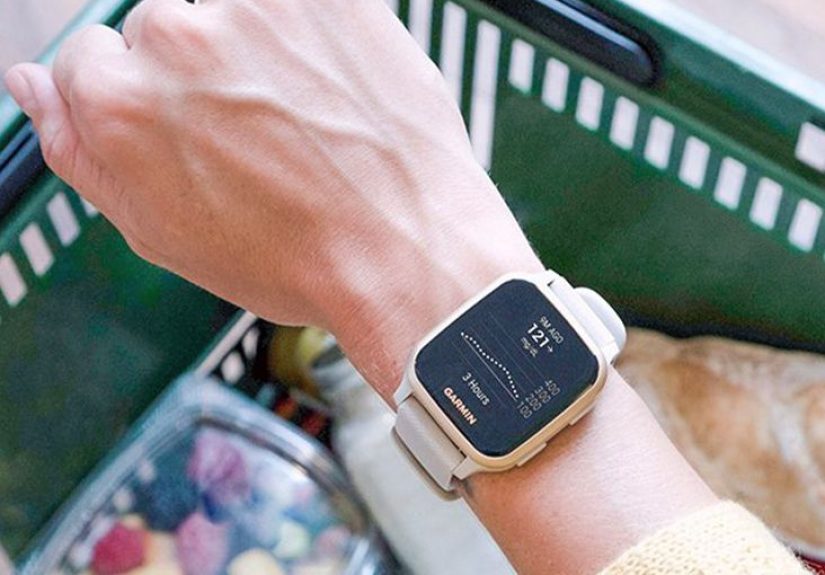
For people who live by two numbers at oncepace and glucose, mileage and trend arrows, heart rate and “please do not crash before lunch”the Dexcom and Garmin connection feels less like a gadget update and more like a quality-of-life upgrade. It brings continuous glucose monitoring, or CGM, data to compatible Garmin smartwatches and cycling computers, making it easier to check glucose levels while running, riding, swimming, hiking, or just surviving a very ambitious grocery trip.
That matters because diabetes management rarely pauses for a workout. In fact, exercise can make glucose behave like a drama queen: rising unexpectedly, dipping fast, or doing both in the same afternoon. By enabling CGM data viewing on Garmin devices, Dexcom and Garmin have made it easier for users to see glucose readings, trend direction, and recent history at a glancewithout constantly reaching for a smartphone. It is not a replacement for the primary Dexcom app, and it is not meant for treatment decisions on its own. But as a secondary display, it is a smart, practical leap toward more connected diabetes tech.
What the Dexcom and Garmin integration actually does
At its core, the Dexcom-Garmin integration allows people using a compatible Dexcom CGM system to view their glucose data on select Garmin wearables and cycling computers through Garmin’s Connect IQ ecosystem. Depending on the device and setup, users can access glucose values, trend arrows, and a short history of recent readings. In plain English: your watch or bike computer becomes a convenient window into your glucose data.
That convenience is the headline, but the real story is context. Garmin devices are built around motion, performance, and daily activity. Dexcom devices are built around real-time glucose awareness. Put them together, and the result is a more seamless view of what the body is doing during the moments when users are most likely to need quick information. It is one thing to know your glucose on the couch. It is another to know it halfway through a long ride, a tempo run, a swim session, or a hike where your backpack contains exactly one granola bar and an unreasonable level of optimism.
Why CGM data on a smartwatch matters
Wearable glucose visibility sounds simple, but it solves a very real problem: friction. Every extra step between a person and their glucose reading can be annoying, distracting, or even unsafe in the wrong setting. Pulling out a phone while cycling is awkward. Stopping mid-run to unlock a screen is a buzzkill. Digging through a gym bag to find a device is not ideal when your body is dropping hints that it would prefer carbohydrates immediately.
By placing CGM data on the wristor directly on a cycling computer mounted in front of the riderDexcom and Garmin reduce that friction. The user gets a quicker glance, a better sense of where glucose is heading, and a stronger ability to respond before a small issue becomes a big one. For athletes and active users, that can mean better pacing, smarter fueling, and more confidence during exercise. For everyday users, it can simply mean fewer phone checks and less mental load.
How the setup fits into the broader connected-health trend
The partnership also reflects a larger shift in digital health: medical data is becoming more portable, more visible, and more integrated with everyday technology. Dexcom has spent years building a broader ecosystem around its CGM platforms, including mobile apps, data-sharing tools, and compatibility with pumps and digital health platforms. Garmin, meanwhile, has built a reputation for durable wearables that appeal to athletes, outdoor users, and health-focused consumers who want data they can actually use.
When those two ecosystems meet, the result is more than a flashy feature. It signals how health tech is evolving. Instead of forcing people to live inside one isolated device, companies are increasingly creating ecosystems where data can movesecurely and with guardrailsto places where it becomes more useful. That is especially important in diabetes care, where timing, visibility, and convenience can have an outsized impact on daily decisions.
Dexcom, Garmin, and the athlete use case
The athlete angle is where this integration really earns its applause. Exercise affects glucose in highly individual ways. A steady zone-two bike ride may lower one person’s glucose gradually, while interval training might spike another person first and then send numbers sliding later. Strength workouts, long swims, race-day adrenaline, heat, stress, hydration, and pre-workout snacks can all change the picture.
With Garmin CGM data viewing, users can compare performance metrics and glucose trends in the same moment. That does not magically solve diabetes management during exercise, but it gives people a better dashboard. Runners can check their numbers during a workout without breaking rhythm. Cyclists can glance at the bike computer and decide whether that “I feel weird” moment is fatigue, dehydration, or a glucose drop sneaking up in cycling shoes. Triathletes and hikers get another layer of awareness without adding another device to juggle.
Why “trend” may matter more than the number itself
Anyone who uses a CGM knows that the number alone is only half the story. A reading of 110 can be wonderful, mildly suspicious, or the opening scene of a disaster movie depending on whether it is stable, climbing, or falling fast. That is why trend arrows and recent history are so valuable. Garmin’s ability to display direction and short-term glucose context can help users interpret what a number means right now, not just what it was a few seconds ago.
That is particularly useful during exercise, when a reading may look acceptable but be moving in the wrong direction for the next 15 to 30 minutes. Quick visual access to trends can support better timing around snacks, intensity changes, breaks, or follow-up checks on the main Dexcom app.
Important limitation: this is a secondary display, not a replacement
Now for the part that deserves bold letters, a spotlight, and perhaps a tiny air horn: the Garmin display is a secondary display. It is meant for passive viewing, not for making treatment decisions on its own. Dexcom’s official guidance makes clear that users should confirm readings in the primary Dexcom app or receiver and follow the product’s safety instructions before acting on the data for dosing or other therapeutic decisions.
That distinction is not legal fluff. It is a core safety principle. Smartwatch convenience is wonderful, but diabetes care still depends on using the authorized primary tools correctly. In practice, the Garmin view works best as an extra window into the datahelpful, fast, motivating, and often reassuring, but not the boss of insulin decisions.
How the user experience likely feels in real life
The best tech disappears into daily life. That is what makes this Dexcom-Garmin feature compelling. It does not ask users to learn a completely new health platform. It extends data they already rely on into devices many of them already wear. If you are a Garmin user, your watch is already where you check time, workouts, steps, heart rate, recovery metrics, and notifications. Adding CGM data to that routine feels natural.
That familiarity matters. Good health technology is not just accurate; it is usable. If a person can glance at a watch face or widget and understand their glucose context in one second, the technology is doing its job. It is reducing cognitive burden, not increasing it. And for people managing diabetes every day, reducing even a little mental friction is a big deal.
Who benefits the most from Dexcom CGM data on Garmin?
Several groups stand to benefit from this integration:
1. Active adults with diabetes
People who walk, run, bike, swim, or train regularly gain immediate convenience. The ability to view glucose data mid-activity supports awareness without constant phone handling.
2. Competitive athletes
Athletes who already train with Garmin metrics can better connect fueling, intensity, and glucose response. Over time, this may help them identify patterns in performance and diabetes management.
3. Busy professionals and parents
Not every user is chasing a marathon medal. Some are just chasing a toddler, a deadline, or a subway train. Wrist-based glucose viewing can be practical for everyday life, not only workouts.
4. Data-driven users
Some people genuinely enjoy seeing how their body responds to routines, meals, stress, and exercise. For them, the Dexcom-Garmin link provides another layer of insight in a device ecosystem they already trust.
What makes the partnership strategically smart
From a business and product perspective, the partnership is logical. Dexcom benefits by becoming more useful in daily life and by reinforcing its position as a connected CGM platform. Garmin benefits by making its devices more valuable to a medically relevant, performance-focused audience. Both brands win when users see the integration as meaningful rather than gimmicky.
It also gives Dexcom a stronger place in the broader conversation around connected biosensing. As consumer wearables add more health features, the line between wellness tech and medical tech continues to blur. Dexcom remains firmly in the medical-tech camp, but partnerships like this help bridge the gap in a responsible way: keep the medical system primary, let the wearable offer secondary convenience, and preserve safety messaging along the way.
Challenges and realities users should keep in mind
No technology partnership is pure magic, and this one has practical limits. Compatibility matters. Users need the right Dexcom system, the right Garmin device, the correct apps, and the correct setup. A compatible smartphone generally needs to stay connected and within the right range. Bluetooth hiccups, app permissions, software updates, and device support lists can all shape the experience. In other words, the future is cool, but it still occasionally asks you to restart something.
There is also the reality that data visibility does not equal perfect control. Glucose management remains highly individual. A better display helps, but it does not erase the complexity of diabetes, especially during exercise. People still need to learn their patterns, work with their care teams, and use the primary Dexcom system according to instructions.
What this means for the future of diabetes technology
The bigger takeaway is that diabetes technology is becoming more contextual. Instead of asking users to pause life to check health data, the best systems bring health data into life as it happens. A watch glance during a run. A bike-computer check during a climb. A fast wrist check while walking into a meeting. These are small moments, but small moments are where adherence, confidence, and peace of mind often live.
Dexcom and Garmin’s CGM data viewing feature is a good example of practical innovation. It does not reinvent diabetes care overnight. It simply makes important information easier to see in the moments when users care most. And sometimes that is exactly what great product design looks like: fewer barriers, better timing, and one less reason to fumble for a phone while your body is doing something dramatic.
Final thoughts
Dexcom and Garmin enabling CGM data viewing is more than a smartwatch trick. It is a useful step toward a more connected, athlete-friendly, everyday-friendly model of diabetes management. By bringing glucose levels, trend direction, and recent history to compatible Garmin devices, the partnership gives users faster access to relevant information during motion and daily life.
The key is to appreciate it for what it is: a smart secondary display that improves convenience and awareness without replacing the primary Dexcom app or established safety practices. For people with diabetes who already live in the Garmin ecosystem, that can be a genuinely meaningful upgrade. For the broader health-tech industry, it is another sign that the future of medical data is not just accurateit is accessible, integrated, and built to move with the user.
Experiences Related to “Dexcom and Garmin Enable CGM Data Viewing”
Talk to people who use diabetes tech during exercise, and a pattern shows up fast: they do not want more gadgets yelling at them. They want the right information in the right place at the right time. That is why the Dexcom and Garmin CGM viewing experience resonates so strongly. It feels less like “wow, new tech” and more like “finally, somebody put the data where I actually need it.”
Imagine a runner heading out before sunrise. Their phone is zipped into a belt, music is playing, and the workout has already started. Before wrist-based CGM viewing, checking glucose might mean slowing down, grabbing the phone, waking the screen, opening the app, and hoping not to trip on a curb while doing all of that. With Garmin, that same runner can glance down and get a quick picture of glucose direction in seconds. The difference may sound small, but repeated over days and weeks, it changes the feel of training. Less interruption. Less guessing. More confidence.
Now picture a cyclist halfway through a long ride. Endurance athletes already monitor cadence, speed, distance, elevation, and heart rate. Adding glucose to that cockpit turns the bike computer into a much more complete decision tool. If energy suddenly feels off, the rider has another clue. If numbers are trending down, they may choose to fuel earlier instead of waiting until the problem becomes obvious. If glucose is rising after a hard effort, they gain context instead of confusion. It is still up to the individual to interpret the data carefully, but the practical value is easy to understand.
Even outside sports, the experience can be surprisingly helpful. A parent juggling work, errands, and school pickup may not want to keep pulling out a phone to check glucose. A quick wrist glance while carrying groceries or standing in line can feel liberating. Office workers may appreciate the subtlety. Nobody needs to stop a conversation just to perform a tiny technical ritual with a phone. The watch becomes a quiet checkpoint instead of a spotlight.
Many users also describe a psychological benefit: reduced anxiety. Not zero anxietylet us not oversell anythingbut less friction often means less stress. When people know they can check their glucose quickly, they may feel more willing to exercise, travel, or move through daily routines without constant disruption. That matters because confidence influences behavior. Technology that feels accessible is technology people are more likely to actually use.
Of course, real experiences are rarely perfect. Setup can be finicky. Compatibility lists matter. Bluetooth has its occasional “I am taking today off” moments. And because Garmin is a secondary display, experienced users still know to rely on the primary Dexcom app or receiver when it really counts. But even with those caveats, the overall experience tends to land in the same place: this integration makes diabetes data feel more present, more practical, and more compatible with real life. And for many users, that is not just convenient. It is empowering.