Table of Contents >> Show >> Hide
- Why Make Cardstock Flowers Instead of Buying Décor?
- What You Need for a Classic DIY Cardstock Flower
- Step-by-Step: How to Make a Simple Cardstock Flower
- Design Ideas Inspired by Hometalk-Style Cardstock Flowers
- Pro Tips for Cleaner, More Professional Cardstock Flowers
- Common Mistakes (And How to Fix Them)
- Storage and Care for Long-Lasting Cardstock Flowers
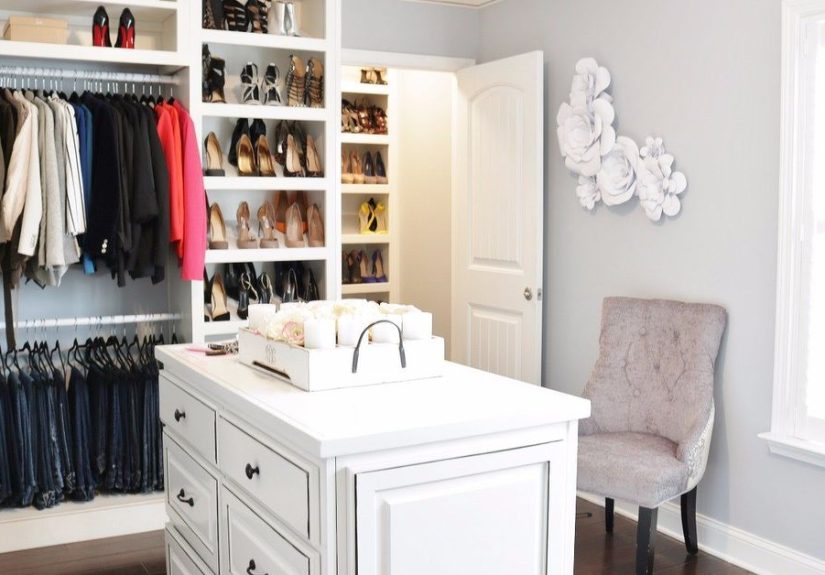
- DIY: CARDSTOCK FLOWER | Hometalk – Real-Life Experiences and Ideas
If you’ve ever scrolled through Hometalk or Pinterest and thought, “Those giant paper flowers can’t
really be that easy,” this tutorial is for you. DIY cardstock flowers look high-end, feel surprisingly sturdy,
and cost a fraction of fresh blooms or silk arrangements. With just a few sheets of cardstock, some glue, and a bit
of patience, you can create show-stopping décor for weddings, birthdays, photo backdrops, or that blank corner
of your living room that’s been silently judging you.
The original “DIY: Cardstock Flower” projects shared on Hometalk focus on exactly what most of us want:
something budget-friendly, elegant, and simple enough to make in an afternoon. This guide takes that idea and
goes deepercovering supplies, step-by-step instructions, and pro tips from experienced paper crafters so your
cardstock flowers look lush and professional, not like a kindergarten art project gone rogue.
Why Make Cardstock Flowers Instead of Buying Décor?
Before you bust out the glue gun, it helps to know why cardstock flowers have become such a beloved DIY project.
Compared with tissue or crepe paper, cardstock flowers have a few big advantages:
- They hold their shape. Good-quality cardstock (65–80 lb cover) is stiff enough to keep petals curled and dimensional without drooping.
- They’re durable. Cardstock flowers can last for years if stored correctlyideal for reusable party décor or seasonal wall art.
- They look luxe. The thickness of the paper gives each flower a sculpted, almost ceramic feel, especially in solid, modern colors.
- They’re endlessly customizable. Change the petal shape, color, or size, and you get a completely different look.
- They’re budget-friendly. A few packs of cardstock and glue can create an entire flower wall that would cost hundreds if bought premade.
Paper flower artists often use cardstock for large wall flowers, bridal backdrops, and even bouquet alternatives
because it’s easy to cut, shape, and layer into realistic blooms. With basic techniques like scoring, curling, and
shaping, you can make cardstock behave surprisingly like real petals.
What You Need for a Classic DIY Cardstock Flower
One of the best parts of DIY cardstock flowers is that the supply list is short and simple. For a basic layered
wall flower, gather:
- Cardstock: 65–80 lb cover weight is ideal for most flowers. Choose a main color and, if you’d like, a slightly different shade for the center.
- Scissors or craft knife: Sharp blades are key for smooth petal edges.
- Petal templates or freehand shapes: You can draw your own or base them on a simple teardrop or heart shape in several sizes.
- Circle bases: Cut a small circle of cardstock (about 3–4 inches across) to glue petals onto.
- Adhesive: Hot glue sticks well and dries quickly; tacky craft glue also works if you’re patient.
- Bone folder or scoring tool (optional): Helps create crisp folds and veins in petals.
- Petal shaping tools (optional): A ball stylus, the edge of scissors, or even a dowel or pencil to curl petals.
- Mounting supplies: Foam tape, Command strips, or floral wire, depending on how you plan to display your flower.
If you’re making a whole bouquet or a giant flower wall, cut multiple sets of petals in advance so you can assemble
several flowers assembly-line style. Your future, glue-covered self will be grateful.
Step-by-Step: How to Make a Simple Cardstock Flower
There are dozens of paper flower styles, but most cardstock flowers follow the same basic pattern: cut, shape,
and layer. Here’s a flexible method you can adapt for almost any design.
Step 1: Plan Your Flower Style and Size
Decide what you want your finished cardstock flower to be:
- Small blooms (3–5 inches): Cute for shadow boxes, wreaths, or table scatter.
- Medium flowers (6–10 inches): Great for gallery walls or party banners.
- Large statement flowers (12–18+ inches): Perfect for backdrops, photo booths, or over the headboard.
For a classic layered flower, you’ll usually need 3–5 sizes of petals, each size used in a full ring. For example,
you might cut:
- 8 large petals for the outer ring
- 8 medium petals for the middle ring
- 6–7 small petals for the inner ring
Don’t panic if the math isn’t perfectflowers in nature aren’t symmetrical either. That’s part of their charm.
Step 2: Cut the Petals and Base
Draw or trace your petal shapes onto cardstock. A simple starting point is a rounded teardrop or a heart shape
that you slightly narrow at the base. Cut:
- All petals in your chosen sizes
- One or two cardstock circles (3–4 inches wide) to use as your base
If you’re making several flowers, stack 2–3 sheets of cardstock and cut them together to save time. For super
precise shapes, you can also use a cutting machine, but it’s absolutely not required.
Step 3: Score, Curl, and Shape the Petals
This is where flat cardstock becomes a dimensional flower. Start by adding a small slit at the bottom of each petal
(about ½ inch). This allows you to overlap and glue the bottom to create a gentle cup shape.
Then, shape the petals:
- Score and fold: Use a bone folder or the back of a craft knife along a ruler to make a light score line down the center, then fold slightly to give each petal a natural “vein.”
- Curl the edges: Gently pull the petal edge over a pencil, dowel, or the dull side of scissors to curl it outward or inward. A little pressure goes a long waytoo much and you’ll crease instead of curl.
- Add dimension: For fuller flowers, slightly curve the entire petal over your fingers or use a ball stylus on a soft surface (like a mousepad) to dome the center.
Each petal should have a subtle 3D shape by the time you’re done. It’s completely normal if no two petals match
perfectlythat irregularity makes the finished flower feel more organic.
Step 4: Assemble the Outer Petal Layer
Take your cardstock circle base and start with the largest petals. Apply a small line or dot of hot glue along the
slit at the base of a petal, overlap the two sides slightly, and hold for a few seconds to create a cupped shape.
Then glue the petal to the edge of the circle, working your way around:
- Place petals so they slightly overlap each other.
- Keep the bases close to the center of the circle to leave room for inner layers.
- Check from above occasionally to be sure your flower is round and balanced.
Once the first ring is done, you should see a clear flower outline formingkind of like an exaggerated daisy
with curled, sculpted petals.
Step 5: Add Inner Petal Layers
Repeat the process with your medium petals, gluing them slightly closer to the center and staggering them in
between the gaps of the outer ring. This fills in the flower and creates a fuller, layered look.
For the innermost ring, use your smallest petals. At this stage, you can:
- Curve the petals more dramatically for a tight, rose-like center.
- Stand them more upright so the flower feels deeper and more dimensional.
- Switch to a coordinating color for the inner layer for extra contrast.
Keep turning the flower as you work so you can see how the layers stack from every angle. Adjust the tilt of
individual petals before the glue fully sets if needed.
Step 6: Create a Flower Center
The center is where you can really play. A few easy options:
- Fringed center: Cut a long strip of cardstock, fringe one side with scissors, roll it tightly, and glue it in the middle.
- Rolled spiral rose: Cut a spiral shape, roll it from the outside in, and glue the base to secure. Attach it as the center bud.
- Layered circles: Punch or cut a few small circles, crumple them slightly, stack, and glue for a simple but textured center.
Glue the finished center firmly into place. Give it a gentle press so the petals and center connect nicely without
flattening the whole flower.
Step 7: Add Leaves and Mount Your Flower
To finish, cut a few simple leaf shapes from green cardstock and curve them slightly. You can glue them to the
back of the base so they peek out between the petals.
For display:
- Use removable wall strips for a flower wall or photo backdrop.
- Attach a length of floral wire or a dowel to turn it into a stemmed flower.
- Mount several flowers in a shadow box for a permanent décor piece.
Stand back and admire it. If your first cardstock flower looks a little “wonky,” resist the urge to toss it. It’s
your practice bloomand it’ll look great tucked behind more polished flowers as you gain confidence.
Design Ideas Inspired by Hometalk-Style Cardstock Flowers
Hometalk-style projects tend to focus on simple methods with big visual impact. Here are a few ways to use your
cardstock flowers inspired by that practical, DIY-friendly vibe:
- Wedding corner on a budget: Use a handful of giant flowers above the cake table instead of a full flower wall.
- Seasonal décor swap: Make flowers in soft blush and cream for spring, then richer jewel tones for fall, and swap them out through the year.
- Kids’ room makeover: Spell out a child’s name on the wall using small flowers around wooden or acrylic letters.
- Home office backdrop: Cluster flowers behind your desk for a cheerful video-call background that doesn’t involve showing your laundry pile.
- Gift toppers: Shrink the pattern down to 3–4 inches and glue a flower to gift boxes or bags instead of a store-bought bow.
Once you make one cardstock flower, ideas multiply fast. You’ll start seeing empty wall space as “future flower
territory.”
Pro Tips for Cleaner, More Professional Cardstock Flowers
Small habits make a big difference in how polished your DIY cardstock flowers look. Keep these tips in mind:
- Use consistent cardstock weight. Mixing very thin and very thick papers in one flower can make the petals sit oddly.
- Mind the glue. Use small dots or thin lines so it doesn’t ooze out from under petals. If it does, let it cool and carefully peel off any excess.
- Cut slowly, not angrily. Smooth petal edges look more realistic than jagged ones. A fresh blade truly helps.
- Shape before gluing. It’s much easier to curl and sculpt petals while they’re still flat and unassembled.
- Layer colors thoughtfully. A subtle contrast center or a slightly lighter inner ring can instantly make your flower look more dimensional.
- Batch your work. Cut all petals at once, then shape them, then assembleyour workflow will feel faster and less chaotic.
Think of each cardstock flower as a tiny sculpture. The more attention to those little details, the more they’ll
look like boutique décor instead of last-minute craft night experiments.
Common Mistakes (And How to Fix Them)
Even experienced crafters have a “what on earth is this?” flower or two. Here’s how to troubleshoot:
-
Problem: The flower looks flat.
Fix: Add another inner petal layer, curl the edges more, and press the center slightly forward using a ball tool or your thumb. -
Problem: Petals keep popping off.
Fix: Use a stronger adhesive (like hot glue), and ensure you’re gluing cardstock to cardstock, not to glue strings or loose paper fibers. -
Problem: The circle base shows through.
Fix: Add a few extra small petals or a larger center to cover any gaps. -
Problem: Petals are tearing at the slit.
Fix: Make the slit shorter and use a slightly heavier cardstock so it can handle the tension from overlapping.
Remember, most “mistakes” are completely invisible once the flower is hung on a wall or surrounded by other blooms.
You’re noticing things at six inches that no one will see from six feet away.
Storage and Care for Long-Lasting Cardstock Flowers
After investing time into your cardstock flower wall or bouquet, you’ll want it to last. To keep your flowers
looking fresh:
- Avoid direct sunlight. Prolonged exposure can fade bright cardstock colors.
- Keep away from moisture. Humidity can warp or ripple the paper; store décor in a dry, cool space.
- Dust gently. Use a soft brush or canned air to remove dust without crushing petals.
- Store in layers. When not on display, place flowers in a box with tissue between layers so they don’t crush each other.
With a little care, your Hometalk-inspired cardstock flowers can be part of your décor rotation for years.
DIY: CARDSTOCK FLOWER | Hometalk – Real-Life Experiences and Ideas
Tutorials are great, but nothing beats real-world experience. After making a handful (or, let’s be honest, a small
army) of cardstock flowers inspired by Hometalk projects, a few patterns emergethings you only learn after you’ve
glued your fingers together at 11:30 p.m. the night before an event.
First lesson: start with a test flower. It’s tempting to jump straight into cutting twenty sets of
petals, but your first flower teaches you a lothow curled you like the edges, how wide to cut the slit at the base,
whether your cardstock weight feels right, and how big you actually want the finished bloom to be. That “test” flower
often becomes a reference piece you hold up as you tweak later designs.
Another big one: color reads differently at scale. A soft blush cardstock that looks delicate in
your hand can turn nearly white once you hang a large flower on a white wall. Deep jewel tones like burgundy, navy,
or emerald tend to hold their richness even in big sizes and across a whole flower wall. If you’re going for a
softer pastel palette, consider mixing in at least one deeper accent flower so the arrangement doesn’t disappear on
camera or in low light.
Many DIYers also discover how surprisingly relaxing the process can be. Once you’ve cut your
petals, shaping and gluing becomes almost meditative: curl, glue, press, repeat. Put on your favorite playlist,
line the petals up on the table, and you have a craft that’s easy to pause and resume without losing your place.
It’s a great “couch project” for evenings when you want to keep your hands busy but your brain on low power.
If you’re making cardstock flowers for a big eventsay, a wedding arch or a large Hometalk-worthy wallstart earlier than you think. One flower alone might take 20–40 minutes depending on its size and complexity. When you multiply that by ten or more flowers, it adds up. Many crafters schedule “flower nights” with friends or family, turning the project into a mini workshop with snacks, music, and shared glue guns. Not only does it go faster, but everyone gets to claim bragging rights when guests ask, “Where did you get these?”
Another experience-based tip: mix sizes and styles. A wall of identical flowers can look a little
flat, even if each one is beautiful. Throw in a few blooms with different petal shapespointed, rounded, or ruffledplus
some smaller flowers clustered near the larger ones. That variation mimics real bouquets and gardens, making your
display feel intentional and artistic rather than mass-produced.
Displaying cardstock flowers in everyday home décor also sparks some fun creativity. People have used them to hide
awkward wall hooks, to frame mirrors, to fill blank space over a TV, and to create seasonal focal points on mantels.
Others tuck small cardstock flowers into bookshelves between framed photos and plants, adding just enough color
to tie the whole shelf together. Once you have a small collection, they become like flexible décor “building blocks”
you can reuse for different rooms and holidays.
Finally, making DIY cardstock flowers often becomes a gateway craft. Once you get comfortable cutting and shaping
paper, it’s a short jump to making cardstock leaves, garlands, and other paper décor. You start seeing everyday
occasionsa baby shower, a Sunday brunch, even a random Tuesdayas excuses to hang a few flowers and make the
space feel special. That’s part of the magic of Hometalk-style DIY: it invites you to experiment, reuse materials,
and turn simple cardstock into something that feels joyful and personal.
Whether you’re decorating for a big event or just giving your home a little handmade charm, a DIY cardstock
flower is a simple, affordable project with outsized impact. Start with one bloom, learn as you go, and before
you know it you’ll have your own wall of paper petals worthy of a feature on Hometalkor at least a very
impressed group of guests.





I like this DIY? What happend when you make it the first